American Psycho by Bret Easton Ellis – the Mind of a Serial Killer
My Summary on American Psycho
Reading the novel by Easton Ellis was quite unsettling captivating for me. Right from the start I got immersed in the disturbing world of Patrick Bateman, a banker hiding a chilling secret life. The vivid descriptions of violence and his cold narrative style left me feeling uneasy and shocked at times.
Despite the nature of the content I found myself unable to stop reading. It was a look into the shallowness and materialism of consumer culture, in the 1980s intertwined with a depiction of a deeply troubled character. The book really made me question my beliefs. Led me to ponder on the sides of human nature and societal norms long after I turned the final page.
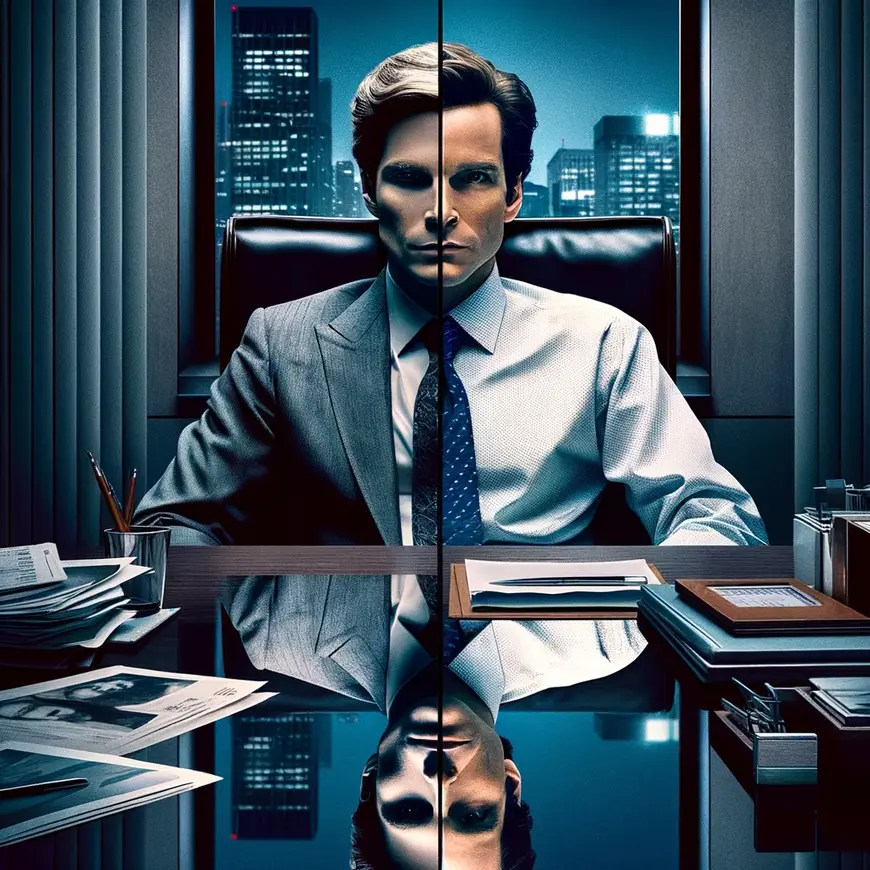
Bret Easton Ellis‘s controversial novel, American Psycho, is a gripping and disturbing exploration of the depths of human depravity. Published in 1991, the novel delves into the mind of the main character, a wealthy and successful investment banker living in the decadent world of 1980s Manhattan. Through its explicit and violent depiction of his sadistic impulses, the author challenges societal norms and exposes the dark underbelly of American consumer culture. With its gripping narrative and shocking content, the novel remains a polarizing work that forces readers to confront uncomfortable truths about humanity’s capacity for evil.
American Psycho – Enter the Mind of a Monster
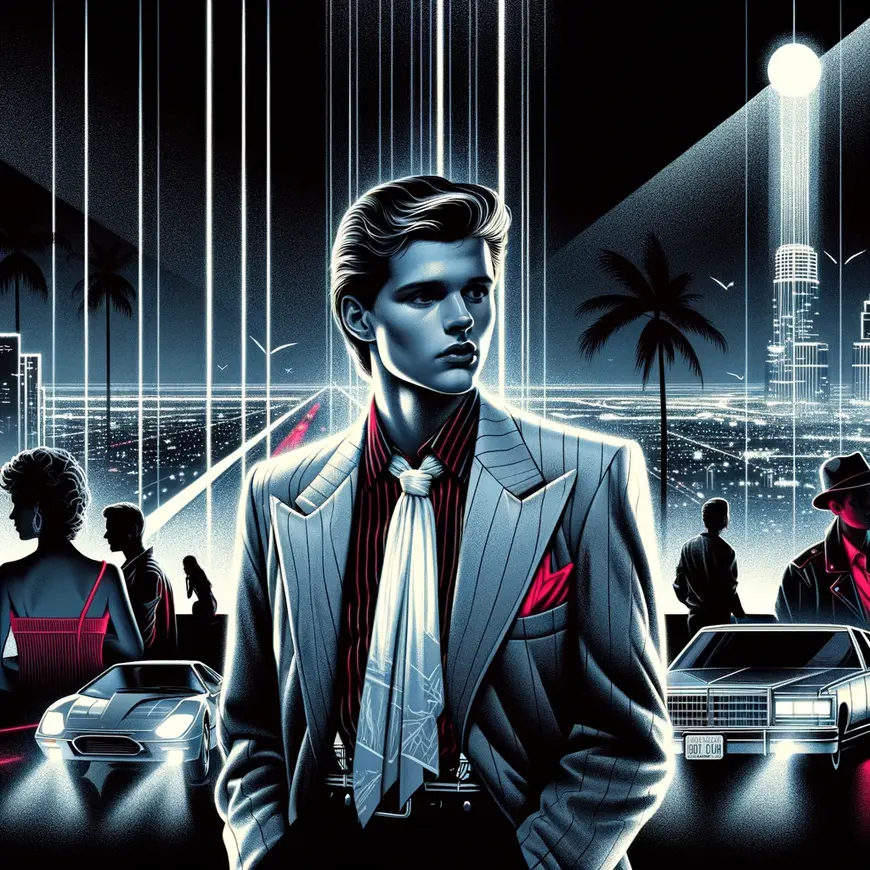
In the opening chapter of American Psycho, the author introduces us to Patrick Bateman, the novel’s enigmatic protagonist. He is a wealthy, successful, and seemingly normal investment banker who indulges in the excesses of 1980s Wall Street culture. However, as the chapter unfolds, it becomes clear that there is something deeply disturbing lurking beneath His polished veneer. He paints a vivid picture of the obsession with appearances, his meticulously constructed image, and the sinister thoughts that plague his mind. The chapter sets the stage for the dark and twisted journey into the depths of his psyche.
As the novel progresses, the facade of Bateman’s normalcy begins to crumble. In this chapter, the author explores the disintegration of his mental state, as his violent and sadistic impulses become increasingly difficult to contain. His obsession with perfection and his need for control intensify, leading to increasingly disturbing acts of violence.The writer skillfully navigates the blurred line between reality and hallucination, leaving readers questioning the true nature of the protagonist’s actions. The chapter delves into the darkness that lies within Bateman and foreshadows the horrors to come.
A Portrait of a Society Obsessed
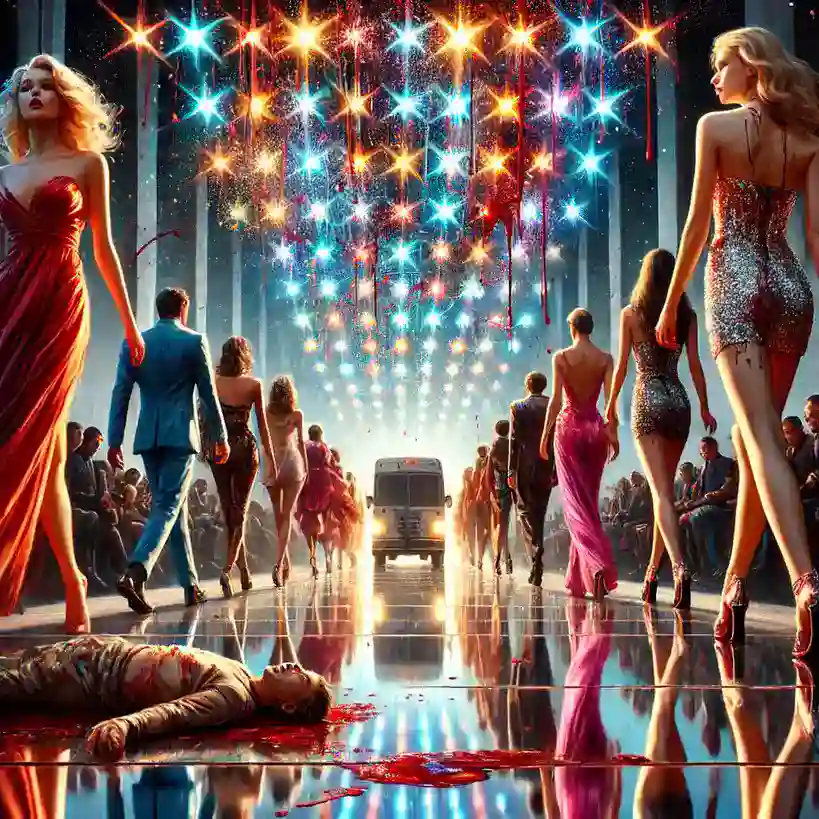
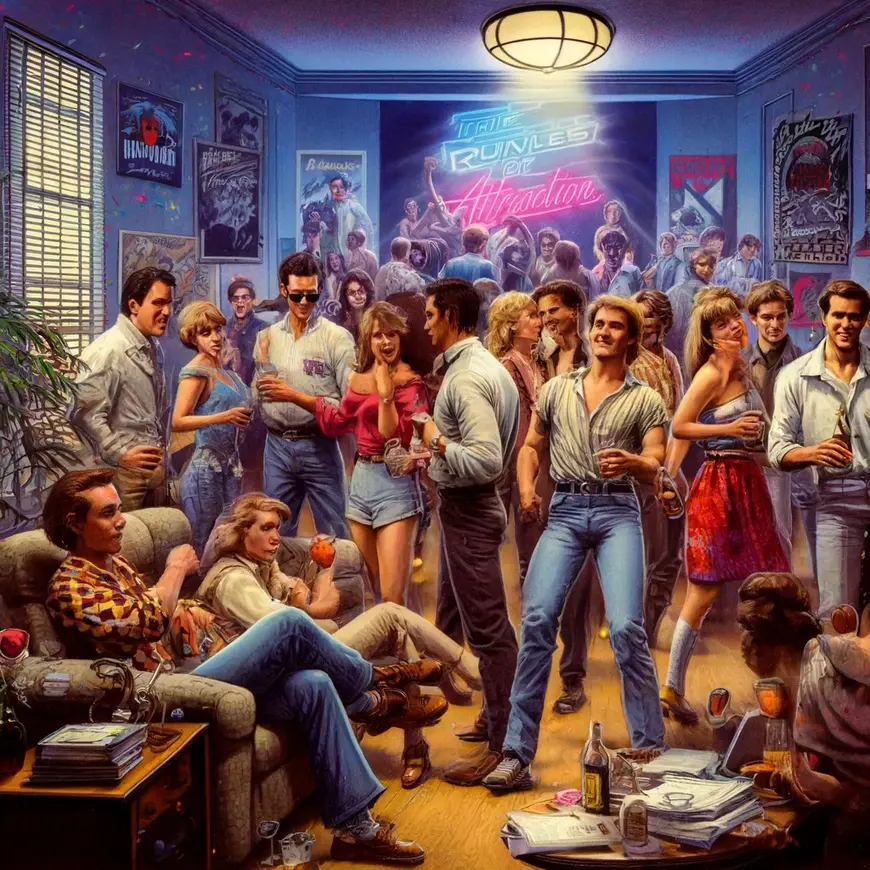
In this chapter, the novelist turns his sharp and satirical gaze towards the materialistic and shallow world in which the protagonist resides. Through Bateman’s encounters with his wealthy and superficial peers, he critiques the excessive consumer culture and the obsession with status and appearances. From lavish parties to designer clothing, he exposes the hollowness and emptiness of his social circle. The chapter serves as a scathing commentary on the dehumanizing effects of consumerism and the moral bankruptcy that can flourish in a society driven by greed.
In perhaps the most shocking chapter of the novel, he pulls no punches in his graphic depiction of Bateman’s sadistic acts. The violence is visceral, brutal, and disturbing, forcing readers to confront the depths of human depravity. His vivid and unapologetic descriptions leave an indelible mark on the reader’s psyche, challenging our sensibilities and forcing us to confront uncomfortable truths about the nature of evil. This chapter pushes the boundaries of what is acceptable in literature, provoking both fascination and revulsion in equal measure.
The Masks We Wear
As the novel progresses, the author delves deeper into the question of identity and the masks we wear to navigate the complexities of society. The protagonist’s obsession with appearances and his struggle to maintain his carefully constructed image highlight the theme of identity crisis. Ellis forces us to question the authenticity of our own identities and the extent to which societal expectations shape who we are. The chapter raises important existential questions and adds a layer of philosophical depth to the novel’s exploration of his psyche.
In the final chapter, the consequences of Bateman’s actions start to catch up with him. The novelist explores the aftermath of the violence and the psychological toll it takes on his fragile mind. The chapter grapples with themes of guilt, remorse, and the search for redemption. The writer skillfully navigates the thin line between sanity and madness, leaving readers with a sense of unease and ambiguity. The chapter serves as a chilling reminder that evil can exist in the most unexpected places and that the consequences of our actions can haunt us long after the deeds are done.
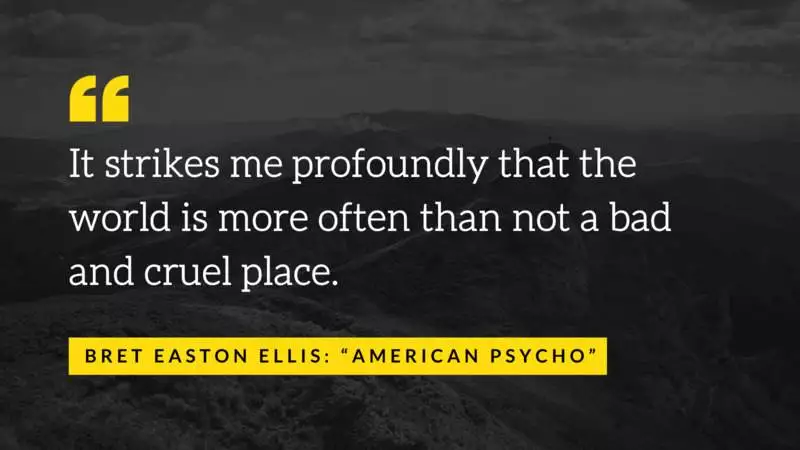
Famous Quotes from American Psycho by Bret Easton Ellis
- “There is an idea of a Patrick Bateman; some kind of abstraction. But there is no real me: only an entity, something illusory.” This quote encapsulates the central theme of the novel: the emptiness and superficiality of Bateman’s existence. Despite his outward success and polished appearance, Bateman feels devoid of any true identity or emotional depth.
- “This is not an exit.” Found at the end of the novel, this quote serves as a haunting and ambiguous conclusion. It suggests that there is no escape from the superficial, materialistic world that the main character and his peers inhabit. The phrase can also be interpreted as a comment on Bateman’s mental state. Implying that there is no way out of his psychopathy and the emptiness it entails.
- “All it comes down to is this: I feel like shit but look great.” This quote highlights the disjunction between appearance and reality in his life. It reflects the novel’s critique of a culture. That prioritizes outward appearances and material success over emotional well-being and moral integrity.
- “…there is no real difference between eating at Dorsia and eating at Barcadia or Pastels or Le Cirque or even McDonald’s. They are serving the same thing, a lifestyle, a look, an attitude…” Through this reflection, he critiques the homogeneity and emptiness of the consumer culture that defines his social world. The statement suggests that despite the pretensions of uniqueness and exclusivity. These high-end venues are essentially interchangeable, selling not just food but an image. It’s a critique of the commodification of lifestyle and the superficial distinctions that define social status in his world.
Trivia Facts about American Psycho
- Controversial Publication: The novel’s graphic content led to its original publisher, Simon & Schuster, dropping it just months before the scheduled publication date. It was subsequently picked up and published by Vintage Books.
- Set in New York City: The novel is set mainly in Manhattan during the 1980s. He captures the greed and superficiality of Wall Street culture. This connection between location and social critique highlights his skill in portraying urban alienation.
- Film Adaptation: In 2000, American Psycho was adapted into a film directed by Mary Harron and starring Christian Bale as Patrick Bateman. The film has become a cult classic in its own right, with Bale’s performance receiving widespread acclaim.
- Feminist Director: The film’s director, Mary Harron, and co-screenwriter, Guinevere Turner, are both feminists. They approached the adaptation by emphasizing the satirical elements of the novel. Focusing on critiquing the misogyny of the protagonist and his world, rather than glorifying it.
- Musical Adaptation: The work was also adapted into a stage musical, which premiered in London in 2013 before moving to Broadway in 2016. The musical further explores the themes of the novel through song, adding a unique dimension to the story’s interpretation.
- Author’s Cameo in the Film: Bret Easton Ellis makes a cameo appearance in the film adaptation of American Psycho.
- Critical Reception: The novel received mixed reviews upon publication. With some critics lambasting it for its graphic violence and perceived misogyny, while others praised it for its sharp social satire and critique of consumer culture.
- Research and Authenticity: The author spent a significant amount of time researching and immersing himself in the world he was satirizing. This included detailing brand names. Also restaurant names, and the minutiae of 1980s yuppie culture to create a realistic and immersive setting for the novel’s events.
Dark Descent into the Mind of a Serial Killer
The book is a disturbing and thought-provoking exploration of the darkest recesses of the human mind. Through its unflinching portrayal of violence, the author forces readers to confront uncomfortable truths. About society, consumer culture, and the potential for evil that resides within us all. While the explicit content and graphic scenes may be difficult for some readers to stomach.
American Psycho remains an important work of literature that challenges our understanding of humanity, morality, and the fragile veneer of civilization. It is a novel that continues to provoke and unsettle. Serving as a haunting reminder of the capacity for darkness that lurks beneath the surface of our seemingly ordinary lives.