A Review of Death in the Afternoon by Ernest Hemingway – Bulls, Bravado, and the Art of Life
My Learnings from Reading Death in the Afternoon
Reading the novel was intense and eye-opening. Hemingway’s focus on bullfighting surprised me at first. I didn’t know much about the sport, but his passion pulled me in. His descriptions of the arena, the bulls, and the matadors felt vivid and raw. I felt both fascinated and uncomfortable as he explored the beauty and brutality of bullfighting. His writing made me question my own reactions to risk and courage.
As I continued, I noticed the author’s deep respect for the art of bullfighting. His reflections on life, death, and bravery went beyond the sport. I found myself pausing to consider his views on fear and honor. The more I read, the more I understood his admiration for the matadors. By the end, I felt a strange mix of respect and unease. It was a challenging read but one that stayed with me.
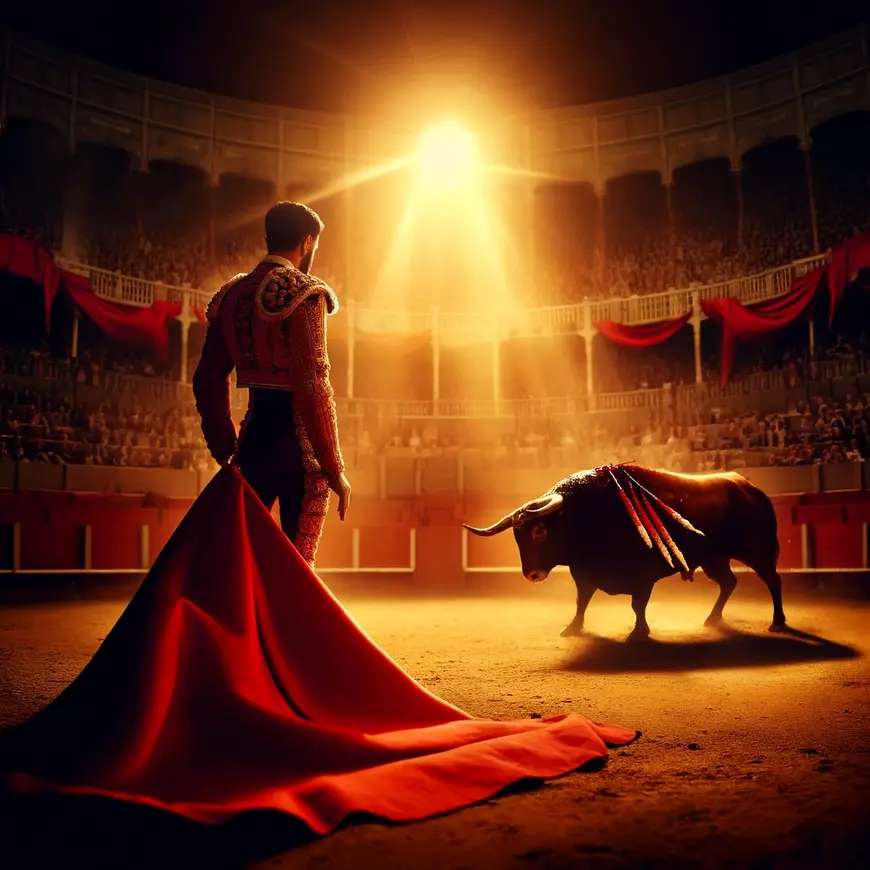
In the realm of literature that captures the essence of passion and tradition, Death in the Afternoon by Ernest Hemingway stands as a captivating exploration of the art of bullfighting. With prose that pulses with intensity, the writer paints a vivid picture of this centuries-old tradition, inviting readers to immerse themselves in the world of the matador and the fierce grace of the bullring.
Unveiling the Arena: The World of Death in the Afternoon
Imagine a world where courage and spectacle collide, where man and beast face off in a dance of danger and honor. The novel offers an intimate look into the world of bullfighting, as Ernest Hemingway delves into the intricacies of the sport and its cultural significance. Through his narrative, he explores the dynamics of the bullfight, the history that has shaped it, and the passions that fuel its practitioners.
The setting of Death in the Afternoon transcends time and place; it’s an arena of emotions and traditions. His narrative mirrors the raw intensity of the bullring, as he takes readers on a journey through the adrenaline-soaked world of the matador and the poetic brutality of the bull.
While the book is not traditional fiction, its characters are real. The matadors step into the ring, and the bulls face them. Hemingway’s portrayal of these characters goes beyond their physical roles. He examines the psychology of the matador. He explores the intricate dance of bravery and fear that defines their every move.
The bulls themselves become symbols. They represent primal power and inevitable mortality. He explores their behavior. He observes their instinctual reactions and their ultimate fate. This invites readers to ponder the delicate balance between life and death. This balance defines the bullfight.
Themes of Tradition and Bravado
Death in the Afternoon delves into themes that resonate deeply with human experience. Tradition is a central motif. The writer examines the rituals and customs that have shaped bullfighting for centuries. Moreover, his exploration of the historical and cultural context of the sport provides readers with a nuanced understanding of its significance to Spanish culture.
Bravado is another prominent theme. Hemingway’s portrayal of the matadors’ courage and their willingness to confront danger head-on offers insights into the nature of bravery and the allure of risk. Additionally, he explores the motivations that drive individuals to place themselves in the path of danger. This sheds light on the complex interplay of ego, honor, and the desire for recognition.
His writing style is a dance of words that echoes the rhythms of the bullfight. His language is spare yet evocative, capturing the raw energy and intensity of the arena. Hemingway’s prose is a testament to his signature writing style – the iceberg theory – where much lies beneath the surface of the words, inviting readers to interpret and engage with the narrative on a deeper level.
The novel’s structure reflects the stages of the bullfight. The narrator guides readers through the rituals, strategies, and climax of the encounter. Furthermore, his writing style is both immersive and introspective. This allows readers to step into the shoes of the matadors and experience the rush of emotions that accompany the fight.
Timeless Insight: Relevance Today
While “Death in the Afternoon” is rooted in its historical context, its exploration of tradition, courage, and the allure of risk remains relevant in the modern world. Today, we are marked by the pursuit of excitement, the tension between tradition and innovation, and the ongoing fascination with spectacle. His insights into the motivations that drive individuals to embrace danger offer a timeless perspective.
The theme of tradition is also pertinent in today’s society. Individuals grapple with the tension between preserving cultural heritage and embracing progress. Hemingway’s exploration of the cultural significance of bullfighting prompts readers to reflect on the ways traditions shape identity and offer a connection to history.
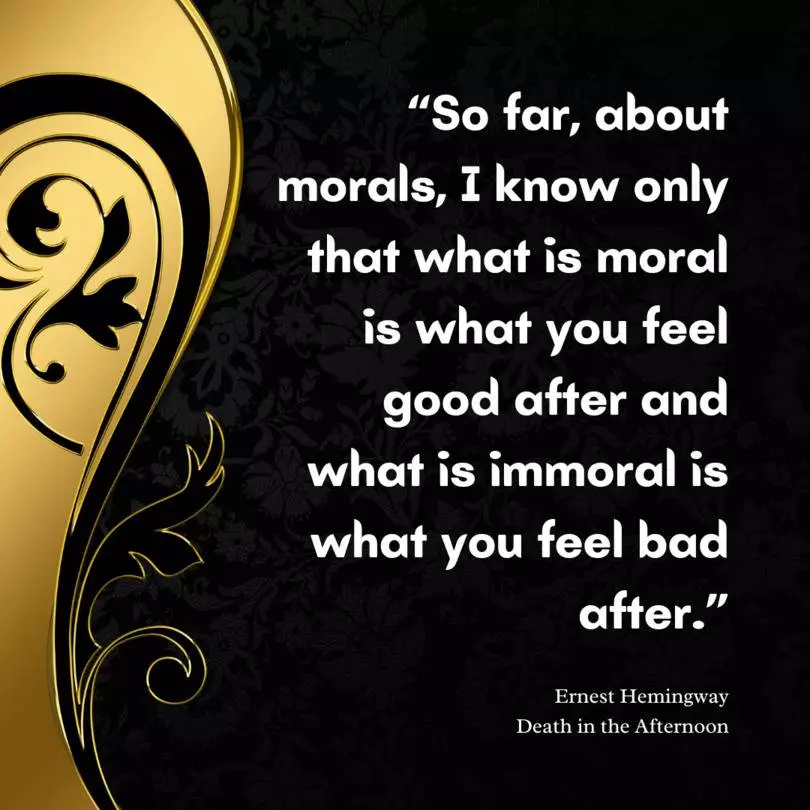
Famous Quotes from Death in the Afternoon by Ernest Hemingway
- “Bullfighting is the only art in which the artist is in danger of death and in which the degree of brilliance in the performance is left to the fighter’s honor.” The american writer elevates bullfighting to the level of high art, emphasizing its unique nature. The matador’s life is at risk, making each performance a profound act of bravery and skill. This quote highlights the blend of danger and artistry that fascinated him and is central to the book’s exploration of bullfighting.
- “A writer’s job is to tell the truth.” This quote encapsulates his literary philosophy. He believed in the importance of honesty and authenticity in writing. In “Death in the Afternoon,” he applies this principle to his detailed and unvarnished depiction of bullfighting, aiming to present it as it truly is.
- “The individual man is the greatest enemy of the mass and the mass is the greatest enemy of the individual.” The writer reflects on the tension between individuality and collective identity. In the context of bullfighting, the matador stands as an individual against the mass of the audience and the bull. This idea extends to Hemingway’s broader views on society and the individual’s struggle for personal significance.
- “All stories, if continued far enough, end in death, and he is no true storyteller who would keep that from you.” This quote underscores the inevitability of death and the role of the storyteller in confronting it. The novelist acknowledges the ultimate fate that awaits everyone, and in “Death in the Afternoon,” he does not shy away from the brutal realities of bullfighting, presenting death as an integral part of the narrative.
Trivia Facts about Death in the Afternoon
- Inspired by Spain: He wrote Death in the Afternoon after spending significant time in Spain. He fell in love with Spanish culture, especially bullfighting, which is the central focus of the book.
- Influence of Gertrude Stein: Gertrude Stein, a famous writer and mentor to him, influenced his work. She encouraged his interest in Spanish culture and bullfighting, which became central themes in this work.
- Connection to James Joyce: The author and James Joyce were friends in Paris. Both writers admired each other’s work. While Joyce was known for his modernist literature, his straightforward style in this novel offered a different, yet equally compelling, literary approach.
- Published in 1932: Death in the Afternoon was published in 1932, during a vibrant period in American literature. Other notable writers of the time included F. Scott Fitzgerald and William Faulkner, who were contemporaries of Hemingway.
- Influence on Orson Welles: Filmmaker Orson Welles was influenced by his depiction of bullfighting. Welles developed a passion for bullfighting and even became an amateur bullfighter himself, showcasing the cultural impact of Hemingway’s work.
- Paris Literary Scene: The author wrote parts of Death in the Afternoon while living in Paris. The city’s rich literary scene, which included famous writers like Ezra Pound and T.S. Eliot, provided a stimulating environment for his writing.
Final Thoughts – A Portrait of Passion and Honor
Death in the Afternoon is an immersive journey into bullfighting, a realm where bravery and tradition collide. His narrative invites readers to witness the spectacle of the arena. It engages with the psychology of the matadors and contemplates the interplay of life and death in the bullfight.
As readers delve into the pages of the book, they are reminded of the power of tradition. Additionally, they see the allure of courage and the primal instincts that define human experience. his prose captures the essence of the bullring, a place where life hangs in the balance. In this setting, the pursuit of glory and the acceptance of mortality converge in a poetic display. Ultimately, it illustrates humanity’s triumph over fear.
Other Reviews of Works by Ernest Hemingway