Dona Flor and Her Two Husbands by Jorge Amado
Salvador hums before sunrise. Drums test the air. Vendors lift their awnings, and the streets answer with laughter. In Dona Flor and Her Two Husbands by Jorge Amado, the city sets the rhythm that hearts obey. Dona Flor rolls sleeves, sharpens knives, and opens her class. Heat meets patience. She greets neighbors by name, trades herbs for stories, and keeps posture calm while desire stirs.
Students arrive with notebooks and bright eyes. She measures by touch, not gadgets. She tastes, adjusts, and shows how timing saves a sauce. Work builds dignity. Markets feed the lesson; gossip seasons it. She moves like a conductor and lets the room breathe. Friends stop by, tease kindly, and leave with small jars that promise good evenings.
The kitchen speaks first. Knives tap a steady beat. Oil sighs, garlic turns sweet, cilantro wakes the window. Joy holds memory. She teaches flavor as language: you say please with broth, and you say thank you with steam. She hands out spoons, checks faces, and smiles when silence means everyone listens.
Yet quiet never erases the pull of the past. Carnival masks hang above the stove. A photograph keeps its grin. She feels the tug and still respects her new steadiness. She chooses balance over drama, while she lets warmth rise without burning the house. The city approves with music, and the block nods along.
By dusk, lessons end, but the room keeps heat, the protagonist wipes counters, labels jars, and locks the door. She walks home through perfume and drumroll. In this work, love behaves like craft. It asks for effort, not miracles. Small signs, real stakes. She answers with care, and the night answers back.

Desire and order in Dona Flor and Her Two Husbands
City music presses against the windows. Laughter rides the breeze. Flor breathes, straightens sleeves, and sets the class in motion. In Dona Flor and Her Two Husbands, desire hums while discipline keeps time. She wants warmth and quiet in the same room. She wants spice without chaos. Craving meets care. Students take places, pans warm. The day asks for balance, and she answers.
She starts with a list, salt last. Heat low. Taste often. Neighbors peek in and offer “help.” She smiles and sets a gentle line. Order serves love. The market sent perfect okra this morning, so she builds a stew around it. She lets talk travel, then steers it back to the pot. Joy stays, but the recipe stands.
Steam beads the glass. Cloves bloom in the air. A drum far off marks the beat for the street. The main character adjusts the flame with two quiet clicks. She waits. The sauce thickens and shines. Method beats impulse. She hands a spoon to the shy one in the back.
The room shifts when memory taps her shoulder. She hears a laugh that once filled doorways. She holds the feeling and keeps the order. Balance matters more than swing. As class ends, a student asks about courtship and rules, sideways and smiling. The female hero laughs and nods toward stories that weigh desire against decorum, like 👉 Pride and Prejudice by Jane Austen. The point travels without lecture.
She locks the pantry and she stacks bowls. She walks into evening light with steady steps. In Dona Flor and Her Two Husbands, love grows where craft protects it. She will keep the line tomorrow. She will keep the warmth too, small signs, real stakes. The city agrees and turns up the music.
The kitchen’s language
Morning brings scent before sound. Garlic wakes first, then onions, then a shy pepper that learns heat. In Dona Flor and Her Two Husbands, the kitchen speaks before anyone does. Flor reads that language and replies with measured hands. Pleasure needs craft. She checks flame, not luck, she trusts timing, not talk.
Students crowd the table and they tilt notebooks and chase steam. Dona shows how to salt near the end so brightness survives. She leans in, tastes, and nods. Generosity builds trust. She hands the ladle to a nervous girl and says, “Your turn.” The room breathes, and courage arrives with the spoon.
Outside, Bahia sings and vendors trade jokes that carry through shutters. Drums find a quiet beat and plant it under the floor. Flor syncs her work to that pulse. She stirs, then stills, then stirs again. Method beats impulse. The sauce thickens because she lets it, not because she begs it. The class learns that patience cooks faster than panic.
A friend brings cassava leaves and a laugh that reaches corners. The hero thanks her and folds the gift into lunch. She teaches more than recipes and she teaches attention. Flavor carries memory. A careful plate tells a story and leaves room for tomorrow. The students hear that lesson with mouths and hands.
By noon, the room settles. Dona wipes the board, labels jars, and sets aside a small bowl for a neighbor who needs it. In the novel, work becomes affection. The city answers with music, and the kitchen answers with steam. Balance holds, and desire waits its turn.
When the past walks in – Second Chances
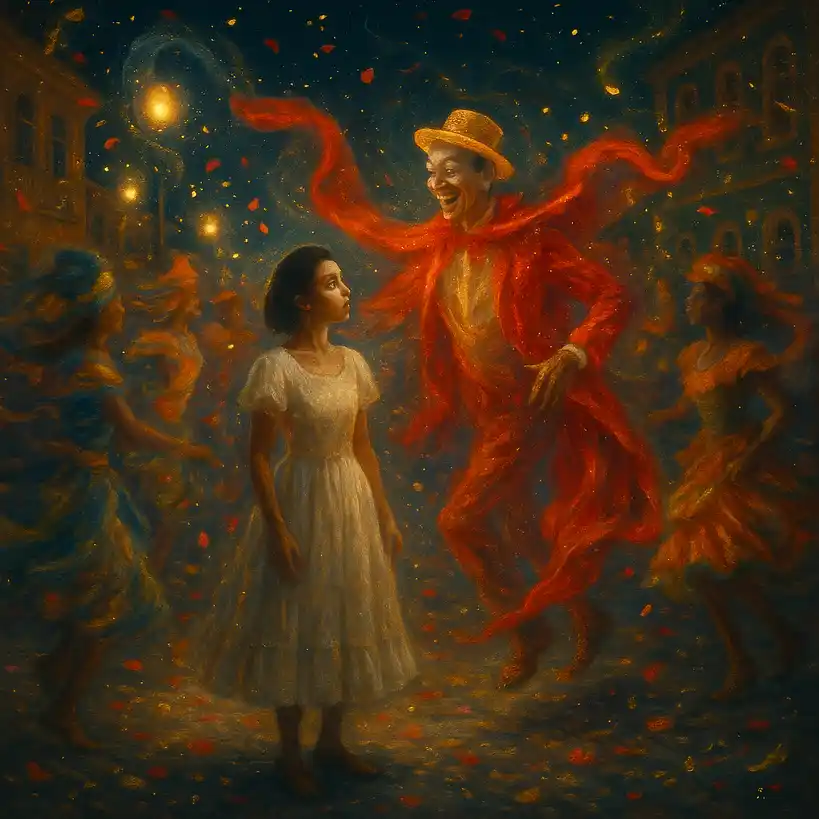
Twilight leans against the doorframe. Laughter arrives with it, bold and familiar. In Dona Flor and Her Two Husbands, memory never begs; it winks and steps closer. Flor feels the tug and smiles, but she keeps the room in order. Memory needs respect. She listens, then she chooses where to place it.
Neighbors sense a shift. Teasing starts, then softens when she lifts a hand. She thanks them and returns to the stove. Boundaries guard joy. She will not trade peace for noise, yet she will not deny the pull that keeps the heart awake and two truths share one house.
Night heats the street. Music tests restraint. The main character measures breath, then stirs, then tastes. She sets plates for friends and sets limits for trouble. Bahia admires nerve that does not bruise. Kindness holds power. She runs her life with a smile and a spine.
The chapter asks what love owes to the past. It owes blessing, not control. It owes thanks, not surrender. Flor honors what burned bright and keeps what holds firm. For another look at marriage under pressure and desire’s restless edges, consider 👉 Couples by John Updike. The lens differs, but the test feels familiar: keep warmth, avoid wreckage, tell the truth.
The door closes softly. The laugh fades down the stairs and into the lane. She stands steady and lets the night cool. In this book, she refuses false choices. She keeps spark and keeps fairness. Balance beats bravado. The city nods and turns the music low.
Bodies remember, hearts choose
Desire arrives as scent and rhythm. It rides music through the shutters and lands on the skin. In Dona Flor and Her Two Husbands, the body remembers faster than the mind. Flor respects that memory. She names it. Then she sets a plan that holds both calm and heat. Feeling meets judgment. She wants spice without ruin. She wants tenderness without fog.
Morning lessons end, but the lessons continue and walks home with herbs, laughter, and a list for dinner. She cleans, chops, and breathes slowly. Grace blocks noise. She chooses measured gestures over dramatic storms. She lights the stove and turns the flame low and the room brightens inch by inch.
Friends arrive with stories, they praise charm and forget cost. Others praise order and forget hunger. While she hears both. Truth needs the full ledger. She remembers a grin that filled a doorway and a silence that held the house. She refuses the split; she cooks for both memory and peace, and the food tastes like balance.
Brazilian author Amado writes desire with tact and play. He trusts the reader and he lets a lifted brow do the work that a speech would spoil. He lets a shared plate carry meaning. Small signs, real stakes. Dona keeps the bowl warm for a neighbor. She keeps the tone warm for herself.
By night, Salvador leans into music again and the main character leans into steady breath. In Dona Flor and Her Two Husbands, she proves that choice keeps desire bright. Not denial. Not surrender. Choice. She keeps kindness at the center and lets joy follow and the city agrees and keeps time.
Carnival, vows, and the art of balance
Carnival heats the block, while drums ask for boldness. She honors the beat and honors her vows. Joy needs form. She dances a little and steers a lot. She lets light in and keeps borders clear.
Vendors preach in jokes. Neighbors nudge with knowing smiles. Flor thanks them and runs her home like her class. Bold and careful. She plates food that carries warmth and restraint. She greets memory with a grin, then guides it to a chair, not the driver’s seat.
Amado never mocks hunger. He never shames fidelity. He asks for craft and then Dona meets that ask. She ties music to method, and the tie holds. She drinks the night in sips, not gulps. Balance over noise. The result feels gentle and strong at once.
For a playful mirror of love, manners, and a charming haunt, readers can glance at 👉 The Canterville Ghost by Oscar Wilde. That tale turns mischief into a tutor and wit into grace. Here, the city plays tutor, and turns wit into care. The reference lands softly, like a wink across the table.
The street cools after midnight, while friends drift home. She washes glasses, opens the window, and lets salt air soften the room. In Dona Flor and Her Two Husbands, rules do not strangle feeling. Rules protect tenderness. She keeps the music, keeps the promise, and keeps her smile bright for morning.

Tender Quotes from Dona Flor and Her Two Husbands by Jorge Amado
- “Love needs craft as much as heat.” Desire starts the fire, and patience cooks the meal. The protagonist proves that truth in every class. She measures, tastes, and adjusts until tenderness holds steady. The line reminds cooks and lovers to learn method, not chase moments.
- “A city teaches the heart to dance in place.” Bahia moves without hurry and still moves you. The rhythm steadies joy and lightens sorrow. Streets sing, kitchens answer and the image shows how place shapes feeling and how feeling returns the favor every night.
- “Memory smiles when you treat it kindly.” The past stops grabbing when you greet it, feed it, and guide it to a chair, not the wheel. She honors what burned and keeps what holds. The line turns nostalgia into care instead of command.
- “Order protects what passion builds.” Boundaries guard tenderness from waste. The main character keeps the kitchen calm so the heart can stay bright. She writes rules that serve warmth, not stifle it. The sentence keeps romance and recipes on the same page.
- “Two truths can share one roof without a fight.” In Dona Flor and Her Two Husbands, balance beats bravado. The home holds spark and peace together. Flor refuses false choices and chooses skill, so desire and dignity both survive the night.
- “Joy works best when hands and heart agree.” Work gives love a spine, and love gives work a song. In this work, that song fills Bahia. The line ties craft to feeling, so daily effort can sing without burning out.
Bahia Notes and Trivia from Dona Flor and Her Two Husbands
- Bahia as character: Salvador acts like a partner in the story. Streets carry music, kitchens carry wisdom while markets carry news. Dona Flor and Her Two Husbands turns place into voice, and the city answers every scene. See the city’s heritage at 🌐 Encyclopaedia Britannica.
- Food as language: Recipes shape community. Flor teaches flavor as a form of care. Stew becomes message; steam becomes reply. The novel ties memory to method and joy to timing.
- Love and manners: Social frames test romance. For a modern city lens on style and longing, compare 👉 Breakfast at Tiffany’s by Truman Capote, where independence and affection argue across small rooms.
- Family accounts: Household choices leave marks. For a long look at family ledgers and pride, see 👉 Buddenbrooks by Thomas Mann, where tradition meets desire at the dinner table.
- Carnival and ritual: Bahia celebrates with color and drums, while the city uses festival to renew vows and release worry. Read more on local culture and festivities at 🌐 UNESCO – Historic Centre of Salvador.
- The comic and the sacred: The novel blends laughter with reverence. It treats ghosts like neighbors and vows like work. Dona Flor and Her Two Husbands holds both truths with ease and keeps kindness in charge
Neighbors, gossip, and the truth Flor keeps
Bahia loves a verdict, though corner cafés serve opinions with coffee. Friends tell her what love should look like, then laugh and soften. In Dona Flor and Her Two Husbands, the chorus never rests while Dona listens and lets their music play. Then she writes her own line. Choice owns consequence. She accepts that price and keeps her balance.
Stories arrive dressed as favors. “Do this.” “Avoid that.” The main character thanks each voice. She weighs tone against fact. Gentle strength wins. She protects the quiet center that she built through work. Classes continue. Markets welcome her. Neighbors bring herbs and jokes, which she salts into stews that hold families at tables.
She remembers the first husband’s spark and the chaos that came with it. She honors the second husband’s calm and the care that flows from it. Two truths, one heart. She refuses to cut herself in two and she folds memory into daily kindness. She folds desire into rule and rhythm. That fold keeps the fabric strong.
A small scene seals the lesson. She pauses at dusk. She opens the window. Music leans in. She sets plates for guests, then adds one more because someone always arrives late. Welcome sets the tone. The table answers with stories that glow. The room answers with relief.
In this book, community speaks, but home decides. She respects the street and still protects her root, while she keeps the stove low and the heart bright. She holds her vow and her laughter. The city nods and the night hums, while balance stands where noise once stood.
A blessing for spark and for peace
Carnival returns with color and brass. She breathes and steps in time. In Dona Flor and Her Two Husbands, love proves itself through action. Joy needs tending. She greets memory with a smile, then leads it to a seat. She greets steadiness with a kiss, then walks both into the same light.
Neighbors toast her judgement. They remember old stories and watch new ones arrive. Boundaries keep joy fresh. The protagonist runs her home with wit and mercy. She keeps music in the kitchen and respect at the door. She serves food that warms without burning. The city learns her measure and adopts it by instinct.
Friends ask how she holds two truths. She answers with plates and posture. She shows how craft, not drama, keeps love alive. Method beats impulse. She laughs, then points to a shelf where old photos live beside new jars. The arrangement says what speeches cannot.
Before midnight, a cousin asks for book tips that weigh desire against spirit and vanity against promise. She nods toward playful mirrors. She mentions stories where the uncanny tests the heart and ideals test reality: 👉 Of Love and Other Demons by Gabriel Garcia Marquez and 👉 Don Quixote by Miguel de Cervantes. The titles travel across the table like candles.
The band softens. The street exhales. The main character closes the window and thanks the day. In the story, she blesses spark and blesses peace. Kindness leads the dance. She keeps both lights on and sleeps with a clear mind. Morning will ask for craft again. She smiles and saves her strength.