A Review of Le Spleen de Paris by Charles Baudelaire – A Deep Dive into Urban Melancholy
My Thoughts on Le Spleen de Paris
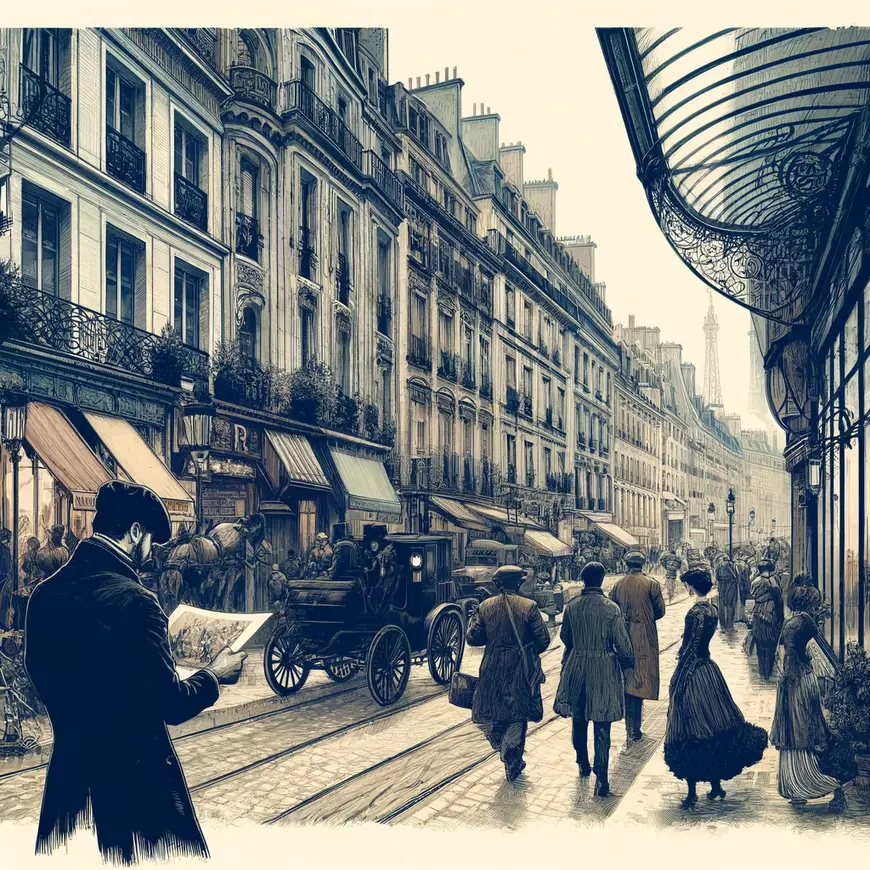
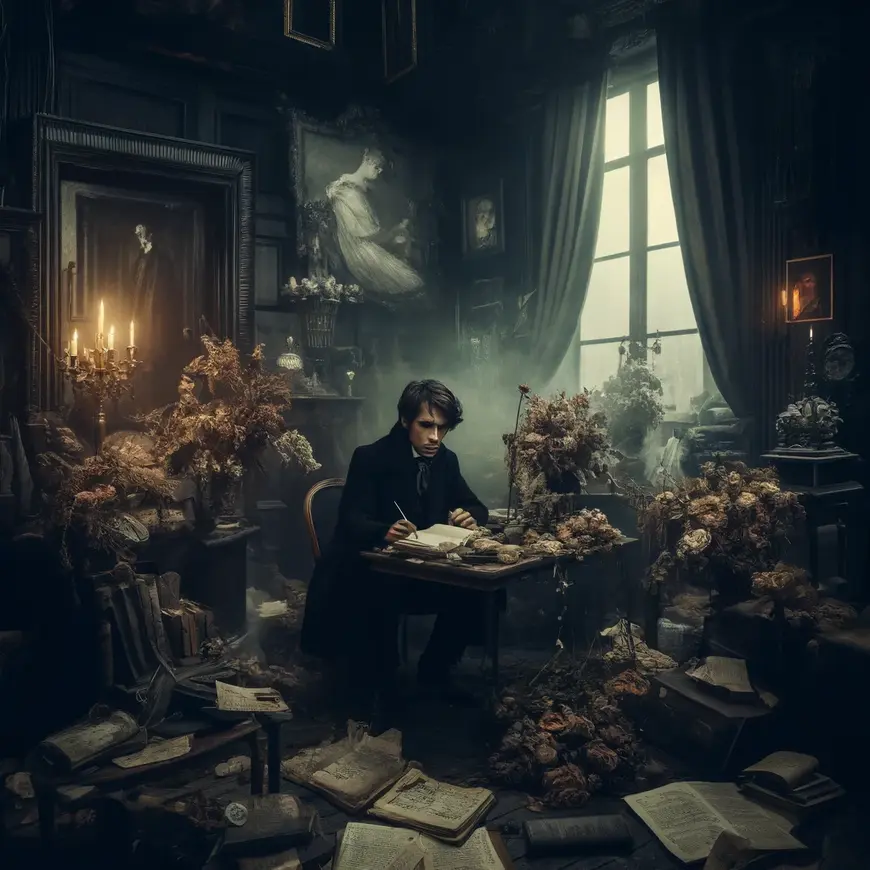
Reading through this work by Charles Baudelaire has been tantamount to literally walking through a museum of the ephemeral moment. Each poem is a kind of raw emotional focus, a painting of some aspect of Parisian life. The language of the poet was vivid, and the imagery was rich, at times close to being shocking; he describes the urban landscape as the realm of paradoxical beauty and rottenness.
Reading the prose poems of this man, you begin to feel as though you are being drawn into some undercurrents of melancholy and disenchantment. But there was something amazing in that gloom. It made common scenes seem beautiful and common at the same time.
This made me think over afresh about beauty and modernism. It was as though I was walking down those crowded streets of Paris with the author, sharing every bit of his world-weariness at transient joys and inevitable sorrows. I would invariably finish each reading session deep in thought; and as I started surveying my urban environment with new eyes, I couldn’t help feeling that I was somehow in tune with the 19th-century flâneur.
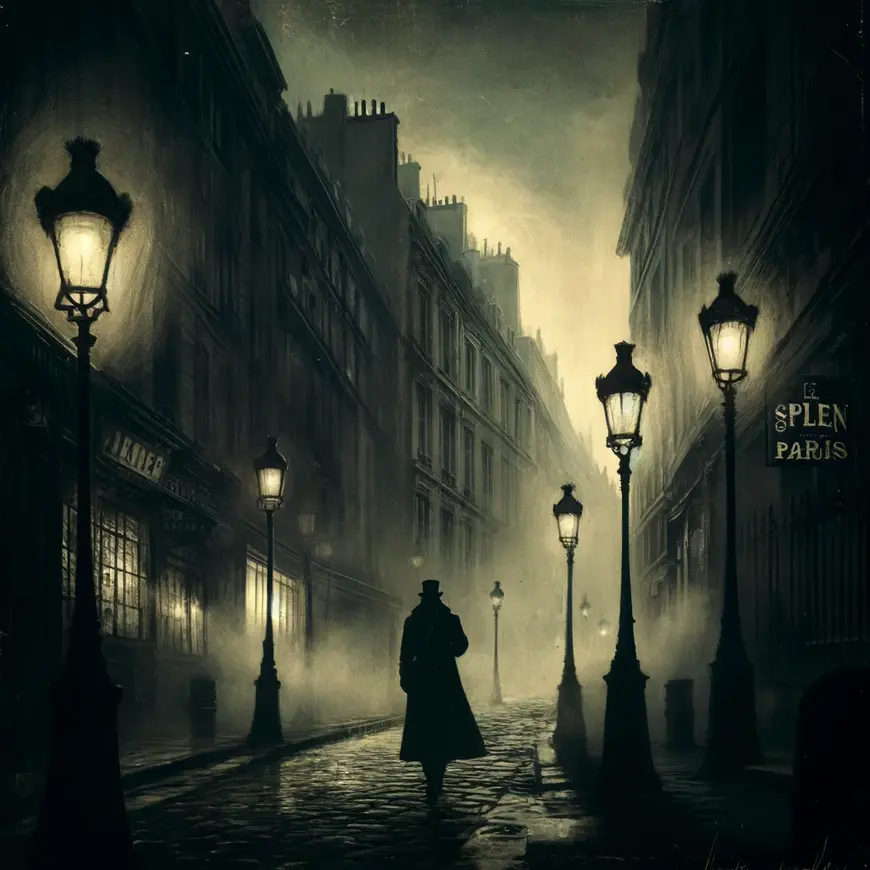
Le Spleen de Paris is a collection of prose poetry written by the French poet Charles Baudelaire. Published posthumously in 1869, it is considered one of the pioneering works of modernist literature. The author, known for his exploration of the darker aspects of urban life and the human psyche, delves deep into the complexities of the modern city and the human condition in this enigmatic collection.
Overview: Le Spleen de Paris
The work consists of 50 short prose poems, each capturing a fleeting moment or emotion experienced within the bustling streets of Paris. His prose is rich with vivid imagery, introspective musings, and a profound sense of melancholy. The collection is divided into sections, each exploring different themes such as beauty, love, decadence, and alienation.
One of the central themes of Le Spleen de Paris is the concept of spleen. He borrowed this term from traditional medicine to describe deep melancholy and spiritual apathy. Throughout the collection, Baudelaire reflects on the ennui and disillusionment of modern life. He especially focuses on urbanization and industrialization. He portrays Paris as a vibrant yet alienating metropolis. Here, the individual is both exhilarated and overwhelmed by the sensory overload of the city.
Another prominent theme in the collection is the exploration of beauty and its transience. His prose is full of longing for fleeting moments of beauty and ecstasy. He celebrates the sublime in the mundane, finding beauty in the decay and chaos of the city streets.
Additionally, the poem collection grapples with human relationships and desires. He delves into love, desire, and sexuality. He explores the tensions between passion and restraint, intimacy and alienation. His portrayal of romantic encounters is often with tragedy and longing. This reflects the inherent ambiguity and uncertainty of human connections.
Style and Language
The prose in Le Spleen de Paris shines with lyrical beauty. It features vivid imagery and musicality. His language is rich and evocative. It draws the reader into the sensory experience of the cityscape. His use of symbolism and allegory adds depth. These elements invite multiple interpretations and layers of meaning.
The structure of the collection is fluid and nonlinear. Each prose poem stands alone as a self-contained vignette. This fragmented narrative style mirrors the disjointedness of urban life. Moments of clarity and revelation emerge amidst the chaos and cacophony of the city streets.
Baudelaire’s writing also shows psychological insight and philosophical depth. He explores the inner workings of the human psyche and he delves into the dark recesses of the subconscious mind. He examines the existential angst that haunts modern existence. His introspective musings on beauty, mortality, and the human condition resonate with timeless relevance.
Critical Reception
Le Spleen de Paris received mixed reviews upon its publication. Some critics praised its poetic brilliance. Others admired its innovative approach to prose poetry. However, many found its themes of decadence and despair unsettling. Over time, the collection has come to be recognized as a seminal work of literature. It has influenced generations of writers and artists with its bold experimentation. Additionally, its existential insights continue to resonate deeply.
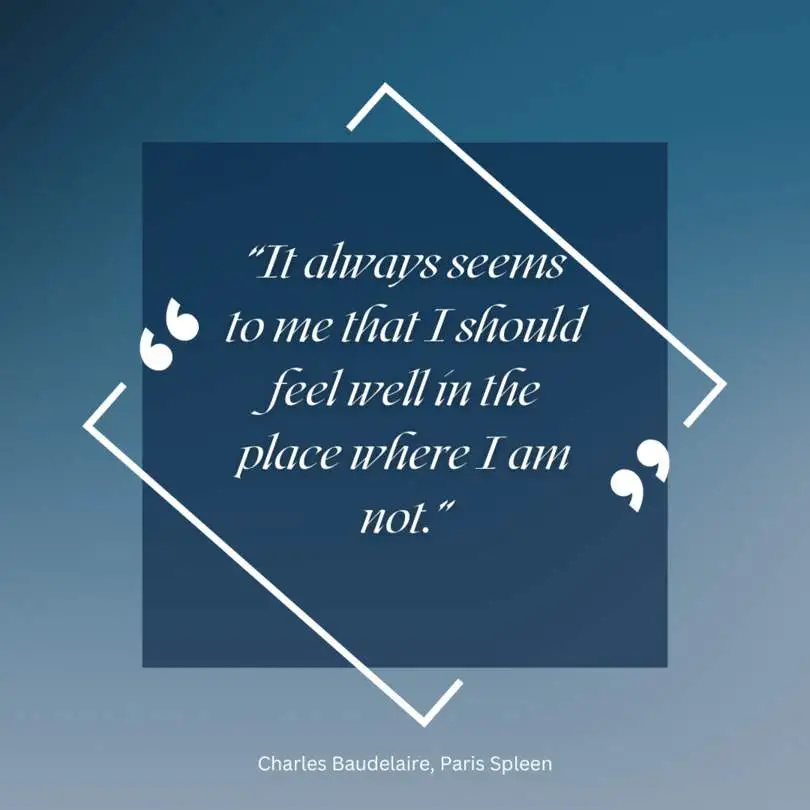
Famous Quotes from Le Spleen de Paris
- “I am unable to understand how a man of honor could take a newspaper in his hands without a shudder of disgust.” This quote shows his disdain for the sensationalism and triviality of mass media. Charles Baudelaire, always a keen observer of society, criticizes the shallow nature of newspapers. He believes they degrade culture and erode moral values.
- “I have cultivated my hysteria with pleasure and terror.” The poet explores the link between creativity and madness. He describes hysteria as something cultivated with pleasure, suggesting an allure in embracing the darker aspects of the psyche. However, the mention of terror hints at the danger and unpredictability of madness.
- “To be always seated beside one’s self, to be the spectator of one’s own melancholy.” This quote captures the theme of self-awareness and introspection in Le Spleen de Paris. The author reflects on the solitary nature of existence, where individuals act and observe their own lives. The phrase “seated beside one’s self” implies a sense of detachment, as if the self is separate from the individual.
- “What strange phenomena we find in a great city, all we need do is stroll about with our eyes open.” The writer celebrates the sensory richness and diversity of urban life in this quote. By encouraging readers to wander the streets with open eyes, he invites them to embrace the myriad experiences and encounters that the city has to offer.
Trivia Facts about Le Spleen de Paris
- Posthumous Publication: “Le Spleen de Paris” was published posthumously in 1869, nearly two years after Baudelaire’s death. The poet had intended to publish the collection during his lifetime but was unable to do so due to censorship issues and financial constraints.
- Prose Poetry: This is a key example of prose poetry in French literature. Unlike traditional poetry, it uses prose format. However, it retains poetic qualities like imagery, rhythm, and symbolism.
- Inspired by Parisian Life: He found inspiration in everyday life in Paris. The collection reflects his deep fascination with the city’s bustling streets, diverse characters, and urban landscapes.
- Influence of Edgar Allan Poe: Baudelaire was heavily influenced by the works of American writer Edgar Allan Poe, whom he admired for his exploration of the macabre and the grotesque. The dark, introspective themes present in this book bear the imprint of Poe’s influence on his writing style.
- Symbolism and Allegory: Le Spleen de Paris is rich in symbolism and allegory. Each prose poem contains multiple layers of meaning. His symbolic imagery and metaphor invite readers to interpret the text on literal and metaphorical levels. This adds depth and complexity to the collection.
- Experimental Structure: The structure of Le Spleen de Paris is fluid and non-linear. Each prose poem functions as a self-contained vignette. Baudelaire’s experimental approach to narrative allows a fragmented exploration of themes and motifs. This mirrors the disjointedness of urban experience.
In “Le Spleen de Paris,” Charles Baudelaire offers a poignant meditation on modern life and the human condition. Through his vivid prose and keen psychological insight, he captures urban melancholy and the fleeting beauty of existence. Moreover, his words invite readers to reflect deeply. This work remains a timeless masterpiece, prompting exploration of one’s soul amidst the bustling city streets.