Nina Bonita: A Story by Ana Maria Machado celebrates identity
Ana Maria Machado writes for the ear and the eye. Consequently, rhythm guides attention while images teach feeling. I meet a pretty girl who names what she loves, and I watch how a rabbit listens. Because the voice stays clear, curiosity becomes courage. The scenes move through home, street, and school; therefore setting feels safe, not flat. Meanwhile, Nina Bonita: A Story centers play, yet it respects work like tying a ribbon or washing hair.
The author celebrates identity in action. For instance, color shows up as paint, food, and cloth; as a result, color with care becomes a daily practice. Although the plot stays simple, choices matter. The girl asks, the family answers, and belonging grows. By contrast, scolding shrinks the world; kindness expands it. Furthermore, the book keeps sentences short so new readers keep breath and focus.
I notice how pictures carry ethics. Because faces look at each other, attention turns into love. Moreover, repetition builds trust without noise. The child speaks first, then adults follow; consequently, respect feels natural. The book never flatters; it invites. Finally, the page celebrates small rituals, and those rituals teach how to see. I leave this opening certain that Machado’s craft puts wonder within reach.

Curiosity and care in Nina Bonita: A Story
Questions lead the day. Therefore the girl asks why shapes each page. Because adults answer with patience, kindness teaches rules without fear. The book treats identity as something you do, not something you own. For instance, a ribbon ties comfort to memory; consequently, touch carries meaning. Meanwhile, color becomes a language, and the family learns to speak it. Nina Bonita: A Story keeps the circle open so everyone can join.
Comparisons clarify the stakes. I pair the theme of beauty and self-worth with 👉 The Bluest Eye by Toni Morrison, since both confront how names, looks, and talk shape belonging. By contrast, Machado protects play while she corrects harm. Moreover, the rabbit listens before it teaches; therefore listening models justice for children and grownups alike. In fact, curiosity with boundaries becomes a map kids can trust.
Form supports feeling. Short lines invite rereading, and bright scenes invite talk. Additionally, patterns return so memory can hold them. Because the book stays gentle, color and kindness never turn sweet or vague; they stay useful. Finally, the story celebrates family as a practice of showing up. Nina Bonita: A Story proves that attention, words, and touch can grow a larger home, one careful morning at a time.
Pictures that teach, colors that listen
Illustrations steer attention before any rule lands. Consequently, pages in Nina Bonita: A Story use warm palettes that invite talk. Because faces look toward one another, eye contact matters for trust. I notice how textures echo home—cloth, bowls, braids. Therefore detail with purpose supports meaning without lecture.
Read-aloud rhythm shapes memory. Although lines stay short, repetition builds music; consequently, children anticipate turns and join in. Meanwhile, the narrator names colors tied to objects, so color with context replaces vague praise. As a result, this work turns naming into care, and care into confidence.
The art also models listening. Because adults kneel, rooms feel fair. Moreover, the rabbit pauses before answering; therefore curiosity with kindness guides the page. I like how motion stays gentle—walks, bows, hugs—yet choices still count. In fact, Nina Bonita: A Story shows identity as something a child practices every morning with ribbon, voice, and smile.
Finally, layout supports conversation. White space leaves room for questions. Because spreads return motifs, children spot patterns. Consequently, they discover how stories remember. The book celebrates small rituals that last, and it keeps wonder close to work. The book proves that pictures can teach ethics softly while families talk, laugh, and learn together.
Family circles, classroom circles, and wider echoes
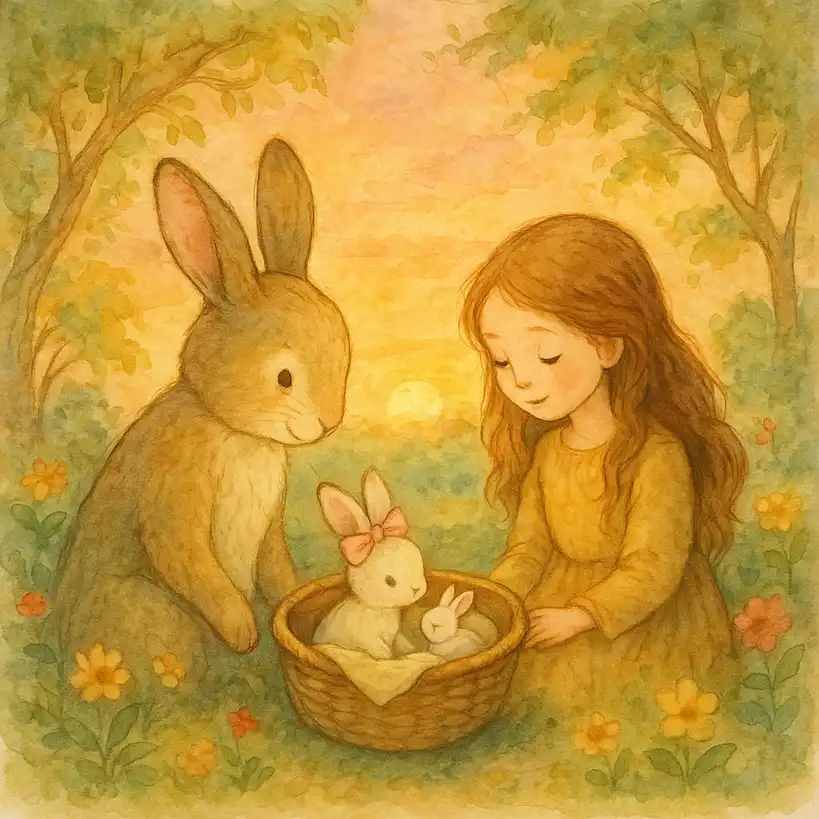
Belonging scales from kitchen table to classroom rug. Therefore Nina Bonita: A Story treats family as chorus and school as stage for practicing care. Because questions come first, rules land gently. For instance, a ribbon ties comfort to history; consequently, memory turns visible and proud.
Discussion grows skills. Although scenes feel cozy, they train courage; moreover, voice with boundaries keeps curiosity safe. Teachers can ask children to name colors that carry love, then share how families celebrate difference. As a result, the novel becomes a toolkit for identity, kindness, and everyday respect.
Comparisons help young readers map wonder. I pair this gentle ethic with 👉 The Little Prince by Antoine de Saint-Exupéry, since both invite children to see with heart before they judge with habit. By contrast, Ana Maria Machado keeps the scale domestic, and the lesson stays practical. Because the story honors listening, classrooms can model it in partner talk, circle time, and art share.
Takeaways stay concrete. Parents can rehearse names, ties, and greetings; teachers can build color charts from objects that matter at home. Furthermore, care in action beats compliments without context. Consequently, Nina Bonita: A Story celebrates identity as daily practice, not label. The book leaves a room warmer, and it leaves children ready to look, ask, and answer with steady kindness.
Language, translation, and who gets to belong
Ana Maria Machado keeps sentences clear for new readers. Consequently, rhythm guides breath while images do the teaching. Because the story names color in food, cloth, and sky, vocabulary grows gently. I hear how elders answer questions without shame; therefore kindness sets rules that a child can trust. Meanwhile, the book keeps humor close to care, so smiles open the door before ideas enter.
Translation choices matter. Although the tale reads simply, tone still carries weight; consequently, voice stays musical across languages. Names hold pride, and shades hold memory. As a result, Nina Bonita: A Story invites families to swap examples from their own tables and closets. The book celebrates identity in practice, not in slogans, and practice becomes habit.
Classrooms can lean on pictures. Because faces look at each other, attention becomes love. Teachers can ask children to spot repeated objects, then narrate what they mean at home. Moreover, students can draw the ribbon, label colors, and share stories. Therefore the work turns talk time into belonging time. Finally, the closing pages return to joy. The ribbon sits firm, the hair shines, and the reader learns that curiosity with care builds a larger home, one small question at a time.
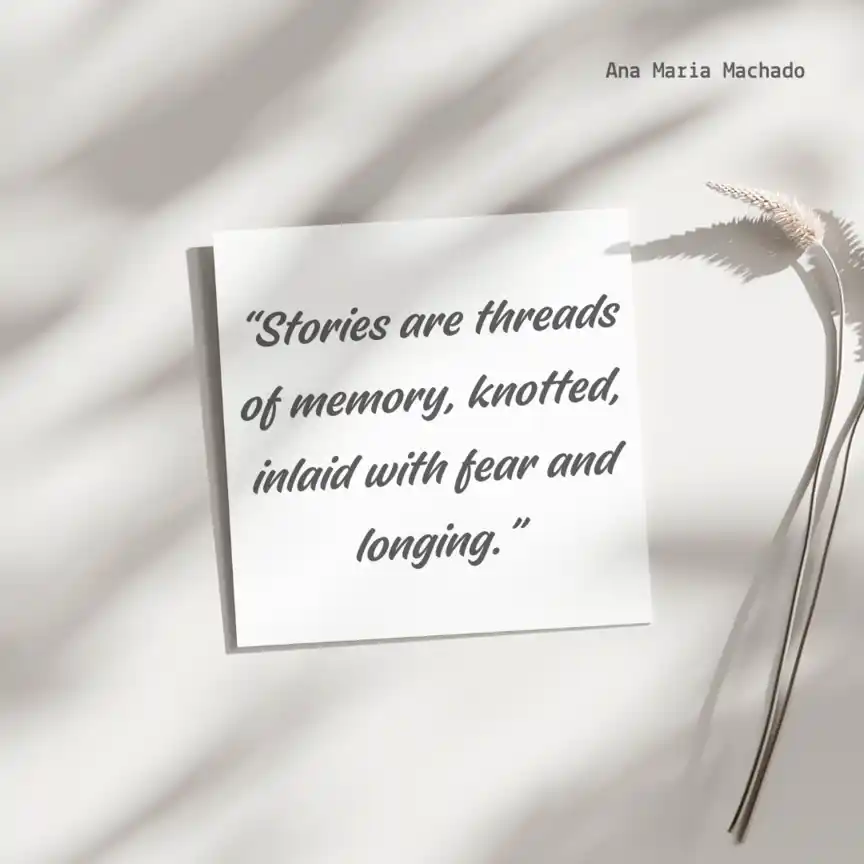
Gentle Quotes from Nina Bonita: A Story by Ana Maria Machado
- “Once there was a lovely, lovely girl.” The fairy-tale opening centers dignity; consequently, the book places identity and joy at the very first beat.
- “Her eyes looked like two shining black olives.” Concrete images honor beauty in detail; therefore the book teaches children to name what they see with respect, care, and delight.
- “Her skin was dark and lustrous, like a black panther’s fur in the rain.” Simile celebrates color without apology; moreover, Nina Bonita: A Story models language that makes admiration precise.
- “There was a very white rabbit with red eyes and a twitching nose.” Curiosity arrives as a character; consequently, listening becomes the first lesson before any rule appears.
- “Pretty girl with a ribbon, what is your secret for being so dark?” The question carries awe; therefore the story invites honest talk about difference while keeping the child safe at the center.
- “Maybe because I fell into black ink when I was little.” Playful invention lowers the stakes; moreover, this writing turns joking into a bridge toward truth.
- “Maybe because I drank a lot of coffee when I was little.” Explanations keep changing; consequently, the tale shows how children test ideas while adults answer with patience and warmth.
- “Maybe because I ate a lot of jabuticaba when I was little.” Culture enters through taste; therefore family tables and local fruit become sources of pride as well as stories.
- “You have to look like your parents, your uncles, your grandparents.” Heritage replaces guesswork; furthermore, the book links love to lineage so identity rests on belonging, not myth.
Trivia Facts from Nina Bonita: A Story
- Brazilian roots: Ana Maria Machado writes from Rio; consequently, place shapes voice. Nina Bonita: A Story honors family talk, street color, and classroom rhythm.
- Child’s-eye design: Short lines guide breath; moreover, spreads leave white space so questions land gently. Therefore this work invites conversation, not lecture.
- Ribbon as memory: The ribbon stores touch and history; as a result, the story treats objects as carriers of love, pride, and belonging.
- Listening as justice: The rabbit pauses, then answers; consequently, the story models how adults can turn curiosity into safety for children who test rules.
- Color pedagogy: Naming color in food, cloth, and sky builds vocabulary and dignity; furthermore, this book shows language growing from life, not worksheets.
- Peer constellation: Perspective and inner voice echo modernist attention; for a kinship in seeing, compare 👉 The Waves by Virginia Woolf.
- Seeing more at once: Multiperspective wonder links to literary puzzles about perception; therefore a useful counterpoint is 👉 The Aleph by Jorge Luis Borges.
- Author recognition: Machado is a major figure in Brazilian literature; for context on career breadth and civic work, see 🌐 Brazilian Academy of Letters biography.
- Children’s lit network: Outreach and prizes help such books travel; moreover, IBBY profiles highlight regional strengths. For background, read 🌐 International Board on Books for Young People (IBBY).
- Family as chorus: Caregivers, classmates, and teachers keep the circle open; consequently, Nina Bonita: A Story frames identity as daily practice shared by a whole community.
Rituals, resilience, and meaning kids can use
Rituals carry courage. Therefore Nina Bonita: A Story ties mornings to memory with small repeatable acts. Because repetition holds feeling, habits become anchors when days feel loud. For instance, the child checks the ribbon, then greets the mirror; consequently, confidence arrives before school begins. Meanwhile, adults listen first, then guide; as a result, care stays active, not abstract.
Comparison clarifies the lesson for grownups. I set the book’s gentle ritual beside 👉 The Myth of Sisyphus by Albert Camus, where meaning grows from steady work rather than slogans. By contrast, this book keeps labor light and playful, so purpose never feels heavy. Moreover, the rabbit models patience, and patience teaches freedom inside rules.
Families can extend the story. Because the scenes welcome participation, caregivers can create color routines—pick a shade, find it at home, tell why it matters. Additionally, children can choose a “kindness to try,” then report back. Therefore Nina Bonita: A Story becomes a toolkit for mornings, classrooms, and playdates. Finally, the book closes its circle with gratitude. The pretty girl smiles, the ribbon holds, and the hair shines because people showed up with listening hearts—and that curiosity with kindness makes identity feel safe every single day.