Of Love and Shadows by Isabel Allende – Resistance and Hope
Of Love and Shadows opens inside a climate of fear. Soldiers patrol streets. Informants listen at doors. Irene Beltrán refuses the script. She reports, asks, records, and pushes. Francisco Leal carries a camera and a conscience. He sees what others avoid and shows what others hide. Courage grows in small steps.
Isabel Allende builds tension with clean, vivid scenes. A kitchen smells of coffee. A plaza holds a silence that feels heavy. A mother names a missing son. Truth cuts through the noise. Irene writes names. Francisco frames proof. Their partnership moves from assignment to vow.
This story is not soft. It holds wounds and keeps looking. The regime tries to erase evidence. The protagonists keep finding new traces. Love becomes a tool. It steadies hands and clears doubt. It turns fear into motion.
I read these first chapters as an invitation to witness. The book never looks away, and it never asks the reader to look away. The novel insists on attention, because attention saves lives. Silence protects the cruel. The pages demand the opposite.
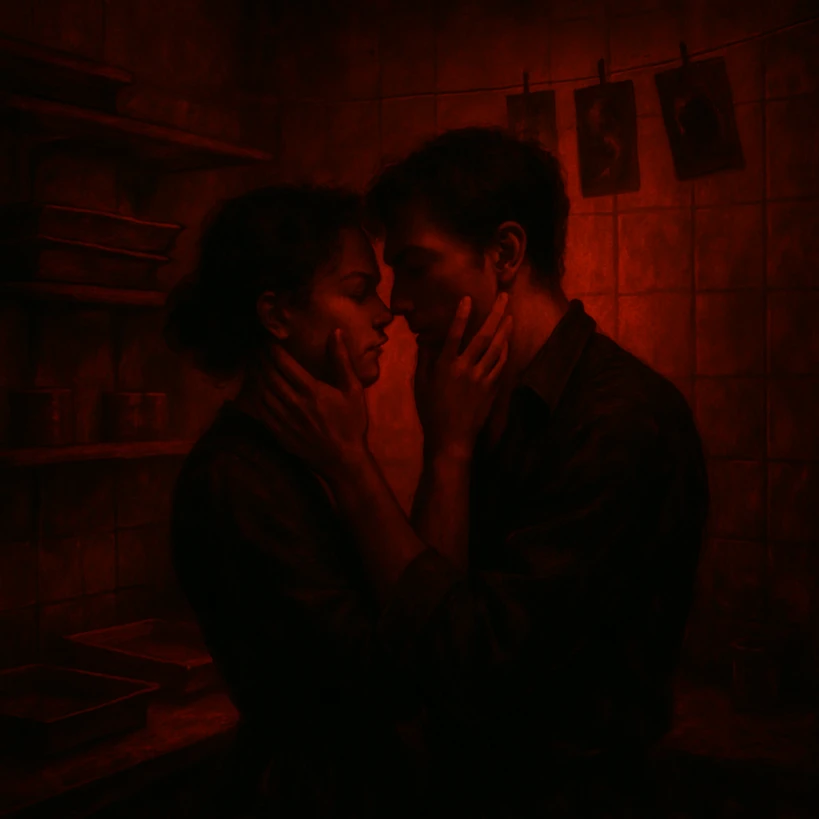
Seeing the truth in Of Love and Shadows
This investigation grows because Irene and Francisco choose it. They walk into remote villages and sit with grieving families. They map strange rumors to real ground. Every clue raises the risk.
Allende ties private feeling to public duty. The love story does not float above events. It lives inside them. The couple holds each other, then returns to work. The camera and the notebook move with purpose. Intimacy feeds courage.
For a clear lens on power and crowds, see 👉 Crowds and Power by Elias Canetti. That study tracks how fear shapes people in groups. The writer shows the same pressure on streets and in homes. The result feels exact and human.
The chapter closes on a choice. Irene can turn back. Francisco can stay quiet. They do neither. Of Love and Shadows makes that choice ring. The tone stays steady. The sentences stay short. Resolve beats fear. They step forward again.
Love that refuses the lie
The novel does not treat love as escape. The love here sharpens focus. Irene and Francisco move closer because they face danger together. Tenderness strengthens will.
They plan careful meetings so they use coded routes. They hide tapes and rolls of film. But they do not hide from each other. They speak plainly. They admit fear. Then they act. Honesty builds trust.
Isabel Allende writes bodies and voices with restraint. She shows hands that shake and still hold steady. She writes quiet longing, then sends both main characters back to the field. Their bond rejects cynicism. Their work rejects denial. The book makes love feel like an oath.
This part of the book carries a calm rhythm. The streets stay tense. The home scenes breathe. The balance gives space for feeling and choice. Irene and Francisco do not ask for permission. They choose one another and the truth.
Power, terror, and the cost of action in Of Love and Shadows
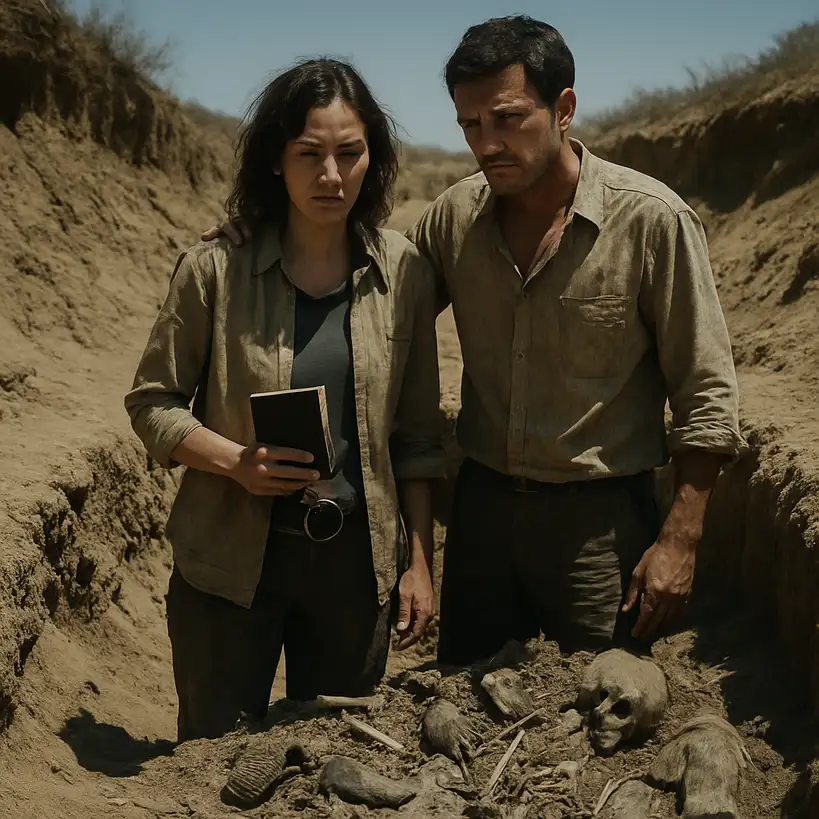
The couple now touches the state’s dark edges. They find graves while they read lists. And they hear the unguarded words of low-level men who brag. Evidence fills the notebook.
History repeats when fear rules. The author shows that cycle with care. She avoids slogans. She shows hands, faces, and small rooms where decisions happen. For a dramatic mirror of revolt and its price, see 👉 Danton’s Death by Georg Buechner. That tragedy studies action, guilt, and consequence under the heat of public life.
Irene and Francisco decide again. They will publish and they will testify. They will protect sources. Duty outruns fear. The chapter turns on simple acts: a copy made, a phone call placed, a route changed. The stakes rise, yet the love holds steady. The work continues because the love continues.
Of Love and Shadows keeps focus on people, not on abstract power. Faces matter. Names matter. The text keeps them close. Memory wins against erasure. The reader feels that victory in each page.
Faith, doubt, and the stubborn light
Faith enters the story as practice. People meet, cook, pray, and organize. A priest opens the hall for a vigil. A teacher keeps roll for a legal aid group. Belief moves as action.
Irene listens first. Francisco documents, then asks, then waits. They do not push grief into neat shape. They let it speak in its own time. Respect guides the work. The community gives them trust because they earn it.
Here the love softens without losing aim. The couple laughs in a kitchen. They share bread after a long day. They argue and resolve. Care restores strength. The next morning, they return to the road.
She writes these pages with restraint and warmth. She keeps the sentences short and the focus human. Of Love and Shadows shows how faith, even when thin, holds people together. They do not agree on doctrine. They agree on dignity. That agreement lifts the chapter.
Art, risk, and the record that endures in Of Love and Shadows
Art enters as witness. A printer sets type for a quiet newsletter. A singer reads names before a song. Craft becomes testimony. Irene edits lines for clarity. Francisco picks frames that speak. The circle grows. Friends check routes. Neighbors pass notes. A market vendor signals that the street looks wrong. Discipline under pressure holds the plan together.
For a study in corruption and moral choice under pressure, see 👉 Dark Matter by Juli Zeh. For a stark meditation on evil and its marks on the soul, see 👉 Darkness Visible by William Golding. Both give useful lenses, yetthe writer keeps the ground level. She shows how small acts build a record that future trials can use. By the close, the team has a file. It carries names, dates, places. Of Love and Shadows turns art into proof. The record outlives fear.
The state pushes back. A tail follows. A phone clicks. A door rattles late. Threats test resolve. Irene and Francisco do not stand alone. Their network shifts paths, changes codes, and keeps moving. Every choice now carries weight. Publish and risk prison. Wait and risk more deaths. The couple chooses to act. They divide tasks and move. Action defeats paralysis.
I admire how Allende keeps language simple here. She lets verbs carry the heat. She shows the pair as ordinary people who do careful, brave work. For a sharp, shadowed chase through power and conspiracy, see 👉 Death and the Devil by Frank Schaetzing. The echo suits the mood, but her pages stay rooted in love and duty. The chapter ends with a hand squeeze and a clear plan. The work keeps feeling and mission aligned. Hope holds the door. The night does not end the work.
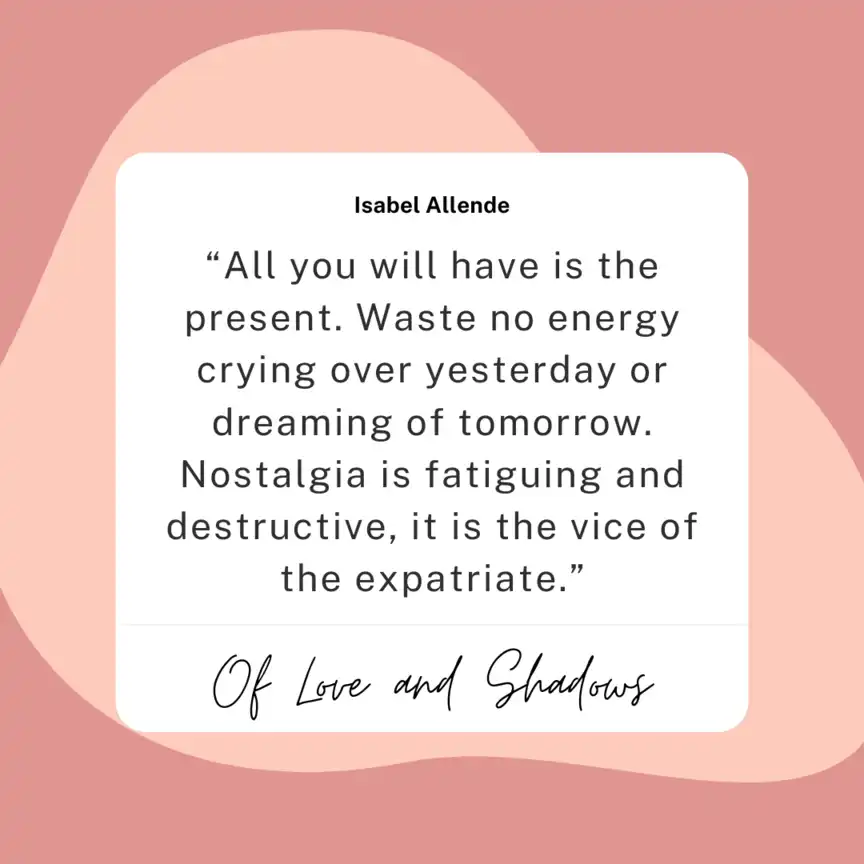
Resonant Quotes from Of Love and Shadows by Isabel Allende
- “Love asks for courage when fear asks for silence.” In Of Love and Shadows, love does not hide. It steadies hands. It gives people a reason to act when terror closes doors. The line captures how feeling can turn into duty.
- “Truth enters a room and changes its air.” The novel treats facts as living forces. Irene and Francisco collect names, dates, and images. They carry truth into dark places. People breathe easier when truth stands close.
- “Names hold the weight of the living and the dead.” The story honors lists and memory. Families speak, and the record grows. Each name demands attention. Each name pushes the plot toward justice.
- “We walk together because the road darkens alone.” The book joins love and teamwork. The pair plans, checks routes, and keeps faith. Their bond resists fear. It keeps the next step possible.
- “Hope speaks softly, but it never quits.” Isabel Allende writes hope without sentiment. Hope here works. It guides choices. It brings light into kitchens, streets, and parish halls. It holds people in place long enough to act.
- “Memory keeps the door to justice open.” In Of Love and Shadows, memory resists erasure. It preserves evidence. It shapes tomorrow’s trials. The line explains why the record matters and why the couple guards it so closely.
Revealing Trivia from Of Love and Shadows
- Historical setting with real echoes: The story reflects Chile under military rule. Families search for the disappeared. Of Love and Shadows draws power from those testimonies, which the Museo de la Memoria y los Derechos Humanos in Santiago catalogs for the public 🌐 Museo de la Memoria.
- Journalism as resistance: Irene and Francisco treat reporting as care. They collect documents. They protect sources. Their method aligns with real press-freedom work that groups like PEN America track and support worldwide 🌐 PEN America.
- Risk and poise: The book studies how people hold steady when danger tightens. For a stark look at stance and nerve, readers can compare that ethic with 👉 Death in the Afternoon by Ernest Hemingway, which explores fear, craft, and public courage.
- Investigation versus mystery: The plot uses witness and record, not puzzle-box games. As a contrast, 👉 Death on the Nile by Agatha Christie builds tension through clues and suspects. Isabel Allende chooses moral clarity over whodunit mechanics.
- Love as fuel, not escape: The book links intimacy to duty. The couple plans routes and shares proof. The bond does not soften the stakes. It keeps their work alive when the street grows tense.
- Form and tone: The prose favors short lines, tight scenes, and clear verbs. The writer pairs tenderness with dread. The rhythm supports testimony. The work keeps emotion close and turns it into action that readers can feel.
After the reveal
The truth reaches daylight. Families read names. Streets murmur. Foreign desks call. Silence breaks at last. The regime fumes. The couple keeps calm. They share a room with friends and sort next steps.
Victory does not arrive as a banner. It arrives as a steady breath. The facts now live in print, on film, and in memory. The story shows joy as quiet relief and care for the people who still search. Compassion leads the day.
The story does not promise safety. It promises presence. Irene and Francisco hold each other and plan for exile, court, or both. They choose each other, then they choose to keep helping others choose truth. Love chooses again.
The book leaves me with a clear sense of purpose. Attention matters. Names matter. Records matter. The lovers never sought fame. They sought dignity for the living and the dead. That aim turns a story into a light that other people can carry.
What survives when shadows lift – Of Love and Shadows
The final pages carry softness and grit. The couple packs, hides copies, and hugs friends. Care takes practical form. They rest, then start again.
Allende closes with steady grace. She does not tidy history. She honors it and she lets readers keep one lesson close: love that serves others can outlast fear. The novel plants that truth in simple scenes and firm choices. Service defines freedom.
I leave the book with faces in mind. A singer. A printer. A mother. A young reporter and a young photographer who choose each other and choose the truth. The work continues because people continue it. The light remains because people hold it up. Witness changes everything.
The title earns its place. Love holds, and shadows recede. The nation heals in starts and stops, but the record stays. That record turns grief into claim, and claim into justice. The story ends, but the work goes on.