Rabbit, Run by John Updike and the Weight of Escape
Rabbit, Run by John Updike is a restless journey through the life of Harry “Rabbit” Angstrom, a man desperate to escape his own choices, his responsibilities, and the small town that traps him. Published in 1960, this novel marked a shift in American literature, capturing a generation’s struggle with identity, faith, and freedom. As I read, I was struck by the rawness of Rabbit’s emotions, a mix of despair, hope, and perpetual flight.
The novel opens with the protagonist running away from his wife and child, unable to confront his dissatisfaction or himself. His physical escape mirrors a deeper emotional and spiritual restlessness. The author paints a vivid portrait of a man caught between traditional expectations and the overwhelming desire to break free. But his flight is not heroic; it’s fraught with confusion and self-sabotage.
What makes this novel stand out is the novelist’s attention to detail. The suburbs, the basketball courts, the bars, and the quiet churches all become backdrops to a man’s internal crisis. The main character is flawed, selfish, and sometimes unlikeable, yet there’s a tragic sincerity in his search for meaning that commands sympathy. His story feels timeless because it’s rooted in the very human fear of being trapped. This novel is not just about running away. It’s about the weight of escape and the price we pay when we try to outrun ourselves.

Running From and Toward – Rabbit, Run
Rabbit, Run follows Harry Angstrom through a cycle of fleeing and returning, never fully at peace. His decision to leave his pregnant wife, Janice, and their young son is impulsive but revealing. His restlessness is both physical and emotional. He wants freedom but doesn’t know what to do with it once he has it. His journey takes him to bars, basketball games, and fleeting relationships, but always back to the small Pennsylvania town that both confines and defines him.
The novel is episodic, reflecting his scattered state of mind. The writer doesn’t waste time building a traditional plot. Instead, he focuses on moments, conversations, failures, desires, that reveal Rabbit’s contradictions. He is a man who loves but can’t stay, who seeks peace but creates chaos.
A turning point comes when Harry meets Ruth, a woman who offers a different kind of escape: spiritual and physical. Their brief relationship shows his longing for connection but also highlights his inability to change. Throughout, his past haunts him, especially his strained marriage and his father’s death. The small town’s judgmental gaze weighs heavily, shaping many of his choices.
This exploration of escape and entrapment reminded me of 👉 A Mercy by Toni Morrison, where characters also navigate personal freedom and societal constraints with heavy consequences.
John Updike: Chronicler of American Complexity
John Updike, born in 1932 in Pennsylvania, was one of America’s most prolific and celebrated writers. Known primarily for his keen observations of suburban life, he excelled at exposing the contradictions and complexities beneath the surface of everyday existence. Over a career spanning more than five decades, he produced novels, poetry, essays, and criticism, earning two Pulitzer Prizes for Fiction.
His work often explored themes of faith, sexuality, identity, and mortality, all central to this book. His writing style is marked by rich imagery and a lyrical prose that captures both the mundane and the profound. The novelist had a unique ability to portray flawed characters with empathy and insight, making their struggles feel deeply personal and universal.
Rabbit, Run was his breakthrough novel, published when he was just 28 years old. It established many of the themes and motifs that would recur throughout his work. the portrayal of Harry Angstrom is both a product of its time and timeless, reflecting the anxieties of postwar America and the ongoing human quest for meaning.
His influence extends beyond literature; his work is often studied in courses on American culture, religion, and psychology. A connection to 👉 A Certain Smile by Françoise Sagan emerges in their shared focus on youthful longing and the complexities of romantic relationships.
The Struggle Between Freedom and Responsibility
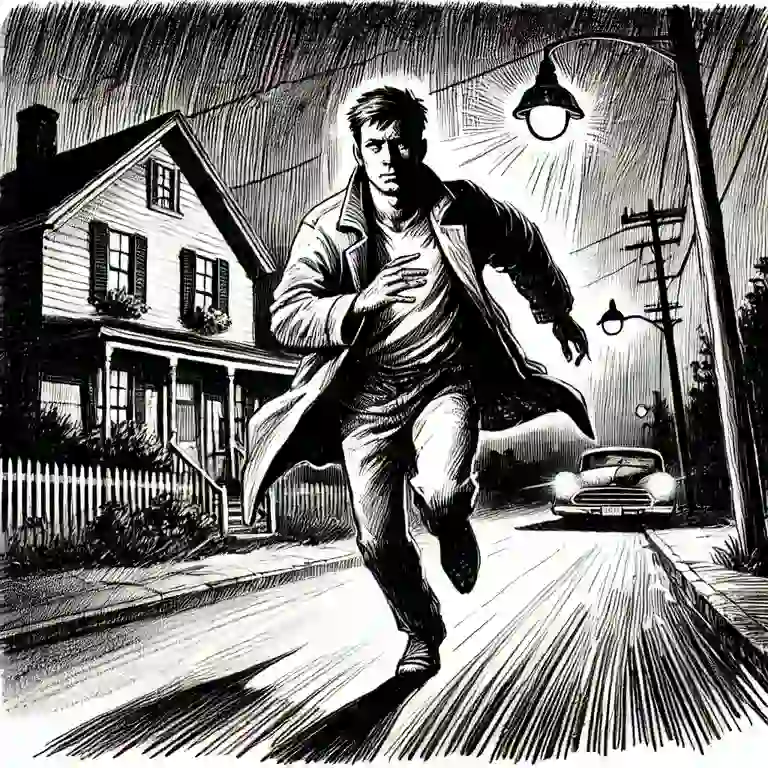
One of the dominant themes in Rabbit, Run is the tension between personal freedom and societal responsibility. Harry Angstrom’s constant running is both literal and symbolic, a desperate attempt to escape the confines of marriage, fatherhood, and community expectations. Yet, every attempt at freedom is shadowed by guilt and the realization that he cannot outrun the consequences of his actions. This push and pull creates a dynamic that drives the novel and shapes his character.
Faith and spirituality also thread deeply through the story. His conflicted relationship with religion reflects the era’s broader existential anxieties. He oscillates between rebellion and a search for meaning, sometimes attending church while simultaneously rejecting its teachings. Updike’s exploration of faith is never preachy but complex, showing the human need for hope amid doubt.
The theme of masculinity is central as well. The protagonist embodies a mid-century ideal of manhood that is both fragile and performative. His identity is wrapped up in physical prowess, sexual conquest, and emotional avoidance. Yet, the writer exposes the cracks in this façade, revealing a man vulnerable to loneliness and confusion.
These themes reminded me of 👉 Life of Galileo by Bertolt Brecht, where individual struggle against societal and internal conflict also takes center stage. Both works explore how personal ideals clash with external realities.
Flawed, Fragile, and Familiar
Harry “Rabbit” Angstrom is a man of contradictions, impulsive yet indecisive, longing for connection yet fearful of commitment. The author paints him with unflinching honesty, showing both his selfish flaws and his moments of genuine tenderness. His restlessness and constant flight make him a figure many can recognize, embodying the mid-century American malaise that still resonates today.
Janice, Harrys wife, is portrayed with subtle complexity. She struggles with her pregnancy and his abandonment but also reveals a quiet strength. Her interactions with Rabbit highlight the emotional chasm growing between them, illustrating the effects of broken communication and unmet needs.
Ruth, a former high school flame, offers him a fleeting chance at redemption. She represents an escape not just from his past but from himself. Yet their relationship is doomed by his inability to change.
Secondary characters, such as Rabbit’s parents and friends, serve as anchors to the community Harry tries to flee but cannot fully escape. Their presence underscores the novel’s central conflict between individual desire and social obligation.
His fractured relationships and inner turmoil reminded me of 👉 A Christmas Carol by Charles Dickens. Both novels explore themes of personal failure, responsibility, and the hope for redemption, though Updike’s story unfolds with a more modern, existential tone.
The Pulse of Mid-Century America in Rabbit, Run
John Updike’s prose in Rabbit, Run pulses with energy and vivid detail. His language captures the texture of everyday life, the sounds of basketball games, the smells of bars, the feel of summer heat, grounding his turbulent emotions in a tangible world. His style is lyrical yet accessible, blending poetic description with sharp psychological insight.
The novel’s rhythm mirrors his restless mind. Sentences flow swiftly during moments of action or anxiety, then slow in reflection or doubt. The novelist often uses repetition and fragmented thoughts to convey his mental state, creating an immersive experience of his inner chaos.
The use of dialect and regional speech patterns adds authenticity and deepens character. The suburban Pennsylvania setting becomes a character itself, shaping the narrative’s mood and themes. His nuanced portrayal avoids clichés, instead revealing the complexity of small-town America during the 1950s and ’60s.
The novel’s style brought to mind 👉 The Method by Juli Zeh, where language similarly reflects psychological tension and the claustrophobia of modern life. Both authors masterfully use style to embody the emotional states of their protagonists, creating an immersive, almost visceral experience.

Famous Quotes from Rabbit, Run by John Updike
- “If you have the guts to be yourself, other people’ll pay your price.” He believes in living freely, but he does not always consider the consequences. John Updike connects personal freedom with responsibility, showing how one person’s choices affect others. The novel explores the tension between self-interest and duty.
- “The world keeps ending but new people too dumb to know it keep showing up as if the fun’s just started.” The main character feels that life is repetitive and meaningless. The writer connects this to the novel’s theme of disillusionment, where people search for purpose but struggle to find it. The quote also reflects Rabbit’s cynicism and frustration with the world.
- “The truth is everything. Those false priests would have you say that love is everything. But the truth is everything.” Harry believes honesty matters more than love. He connects this idea to his struggle with relationships, where he values his personal desires over emotional bonds. The novel questions whether truth alone is enough to sustain a meaningful life.
- “If you have the instinct, you can’t go wrong.” The protagonist trusts his impulses, believing they will lead him in the right direction. He connects this belief to Rabbit’s constant running, showing how he avoids responsibility by following his emotions. The novel explores whether instinct alone is a reliable guide for life.
- “Marriage is like a toothache.” Rabbit sees marriage as something painful and constant. The novelist connects this to the novel’s theme of entrapment, where he feels stuck in his domestic life. The quote highlights his inability to appreciate stability and commitment.
Hidden Insights from Rabbit, Run
- Inspired by his own basketball days: Harry Angstrom’s nickname “Rabbit” comes from Updike’s high school basketball experiences, lending authenticity to the sport’s role in the novel.
- Published as the first of the series: Rabbit, Run launched a quartet of novels following Harry’s life, continuing themes of restlessness and identity.
- Set in mid-century Pennsylvania: The novel vividly captures postwar suburban America, highlighting social expectations and cultural shifts.
- Prose style evolved from poetry: Initially recognized as a poet, the lyrical prose style shaped his narrative voice and earned him two Pulitzer Prizes, detailed on the Pulitzer Prize official website.
- Set against the Cold War backdrop: The novel’s existential themes resonate with anxieties prevalent during the Cold War era, which shaped American literature broadly, as explored by the Library of Congress.
- Critics debated likability: The novel challenges readers to sympathize with a flawed protagonist rather than a traditional hero.
- Reveals American masculinity: The protagonist embodies shifting ideals of manhood in a rapidly changing cultural landscape.
- Published amid rising suburbanization: The novel critiques the emptiness behind the American Dream’s facade during the 1960s.
- Contains autobiographical elements: The author’s struggles with faith and identity inform much of his character.
Why I Loved It: A Mirror of Restlessness
Rabbit, Run stayed with me long after I finished reading. The portrayal of Harry Angstrom is raw and unvarnished, a man desperately searching for meaning and escape in a life that feels both confining and uncertain. What I loved most was the honesty with which Updike captures this restlessness without judgment or easy answers.
His struggles felt deeply human. His flaws, fears, and desires are laid bare, making him both frustrating and sympathetic. The novel doesn’t paint him as a hero or a villain but as a complex individual trapped by his own choices and circumstances. That nuance is rare and powerful.
This thematic complexity reminded me of 👉 A Happy Death by Albert Camus, where a man’s pursuit of fulfillment is fraught with existential doubt and the impossibility of escape. Both novels ask profound questions about freedom and the cost of self-deception.
Ultimately, the story is a meditation on the difficulty of growing up and staying true to oneself amid social expectations. It’s messy, painful, and beautifully written, qualities that make it unforgettable.
Final Thoughts: The Enduring Run
Rabbit, Run is more than a novel about running away, it’s about the restless pursuit of self-understanding amid chaos. His keen eye and lyrical prose make Harry Angstrom’s journey feel timeless, capturing the conflicts many face between freedom and obligation, desire and responsibility.
The novel doesn’t offer neat resolutions. Rabbit’s life is messy, filled with mistakes and fleeting moments of clarity. Yet the compassionate portrayal invites readers to see beyond flaws to the aching humanity underneath. It’s this combination of brutal honesty and empathy that has made the novel endure as a classic.
Reading the book, I was reminded of 👉 The Glass Bead Game by Hermann Hesse, where the search for meaning unfolds amid societal expectations and personal doubt. Both novels challenge readers to confront complexity rather than seek comfort.
The work remains a powerful exploration of the American mid-century psyche and the universal human search for meaning. It’s a book that runs deep, and stays with you long after the last page.