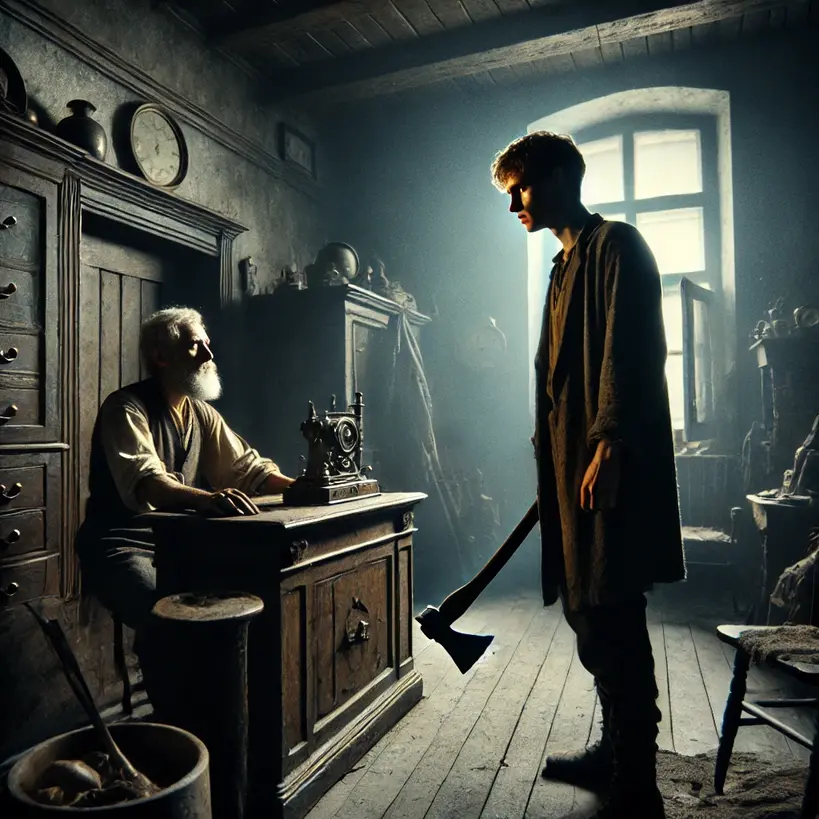
The Brothers Karamazov by Fyodor Dostoevsky
The Karamazovs argue before they listen. The father provokes, and the sons flare. In The Brothers Karamazov, every gaze carries heat, yet every choice tests the soul. Family turns into tribunal. I feel the town lean in, because rumor drives appetite, and appetite drives trouble. However, conscience interrupts the feast and asks for a reckoning.
Dmitri charges at life; Ivan wrestles with reason; Alyosha steadies the room with care. Consequently, each scene pits hunger against mercy. Desire meets responsibility. The prose moves through kitchens, taverns, and cells, while questions keep tightening. Moreover, witnesses arrive with stories that bend the light, so truth changes shape as voices rise.
Fyodor Dostoevsky builds tension through talk, not tricks. Characters argue like lawyers and pray like poets. Speech becomes combat. Although tempers ignite, small gestures carry the deepest weight: a hand that trembles, a glance that forgives, a silence that refuses to close.
I track how the plot loads every moment with risk. Therefore, even laughter feels unstable. In The Brothers Karamazov, the narrative wants verdicts, yet the heart wants grace. Justice asks for mercy. Because the book honors both, it never settles for easy answers.
Soon the case against Dmitri gathers speed, while Ivan’s doubts gather storm. Meanwhile, Alyosha keeps choosing care and earns trust that arguments cannot buy. As a result, the novel turns private conflict into public trial. I turn the page, since the next section follows faith and doubt into the open.
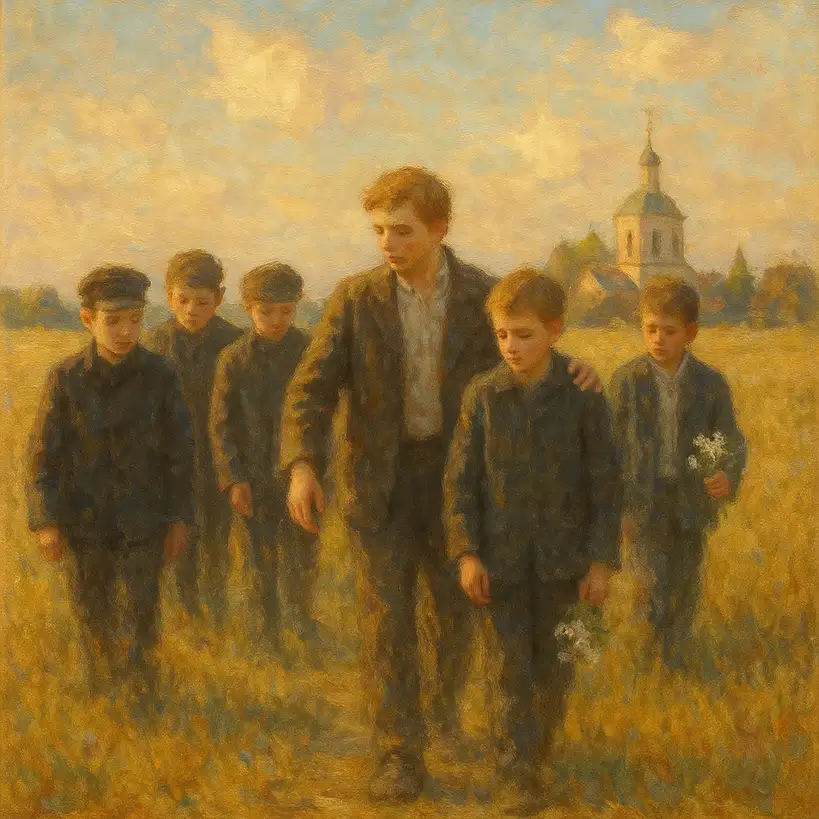
Faith and doubt in The Brothers Karamazov
Belief breathes beside disbelief here. Alyosha listens, and love gains ground. However, Ivan presses his famous questions, and reason refuses retreat. Compassion tests logic. The conversations remain fierce, yet the tone stays human. Therefore, the novel treats theology as lived experience, not as a lecture.
The monastery scenes anchor the storm. Incense thickens; footsteps soften; faces open. Holiness enters as practice. Because the book respects ritual, it shows how bread, prayer, and patience steady the restless mind. Even so, doubt still argues at the threshold and demands an answer that no formula supplies.
Dostoevsky writes argument as drama. Consequently, ideas move like bodies. The Grand Inquisitor episode glows because love and freedom collide without a referee. Freedom carries burden. I note how Ivan’s vision courts despair, while Alyosha counters with presence: he visits, he comforts, he keeps promises.
By contrast, Dmitri treats faith like a wager on joy. He wants absolution, yet he also wants the world. Meanwhile, Ivan wants proof, and he invests in logic until it breaks under grief. In The Brothers Karamazov, each brother shows a path that tempts and heals. Paths define the soul.
For a sharp mirror on moral choice outside confession, the section nods to 👉 The Immoralist by André Gide, where desire confronts duty without a priest in sight. Moreover, that counterpoint clarifies Dostoevsky’s wager: freedom matters, because love asks you to choose. Therefore, the chapter closes with prayer and doubt still sharing one bench.
Crime, desire, and the father
Fyodor Pavlovich turns appetite into sport. Dmitri answers with jealousy and rage. In The Brothers Karamazov, money, lust, and pride crowd the same narrow room. Desire pressures judgment. Grushenka laughs, yet she weighs choices; Katerina forgives, yet she also tests resolve. Consequently, everyone loads the night with rumor and promise.
Motives tangle because the men compete without limits. Dmitri hunts inheritance, while Ivan courts ideas that scorch the ground. Family becomes battlefield. Alyosha listens, therefore the house keeps one clear voice. Meanwhile, servants watch doors, and the town edits every glance into accusation.
Evidence begins as gossip, then hardens into timelines. Dmitri spends recklessly, because fury outruns prudence. Ivan orders departures, since doubt now burns like fever. Actions carry proof. Alyosha prays, yet he also runs errands that rescue tempers from cliffs.
The novel treats desire as a test of freedom. Therefore, the brothers reveal their cores when temptation knocks. Dmitri loves wildly, although he also begs for honor. Ivan sharpens logic, however grief and pride dull his mercy. Freedom requires responsibility. Alyosha guards hope, because love asks for labor, not slogans.
Soon the father plays one trick too many. Doors slam; purses open; witnesses claim certainty. In The Brothers Karamazov, the fuse burns toward violence, and every choice gains weight. Speech becomes evidence. As the town gathers, I expect the tribunal to grow loud; nevertheless, I also expect the quiet detail to decide the case.
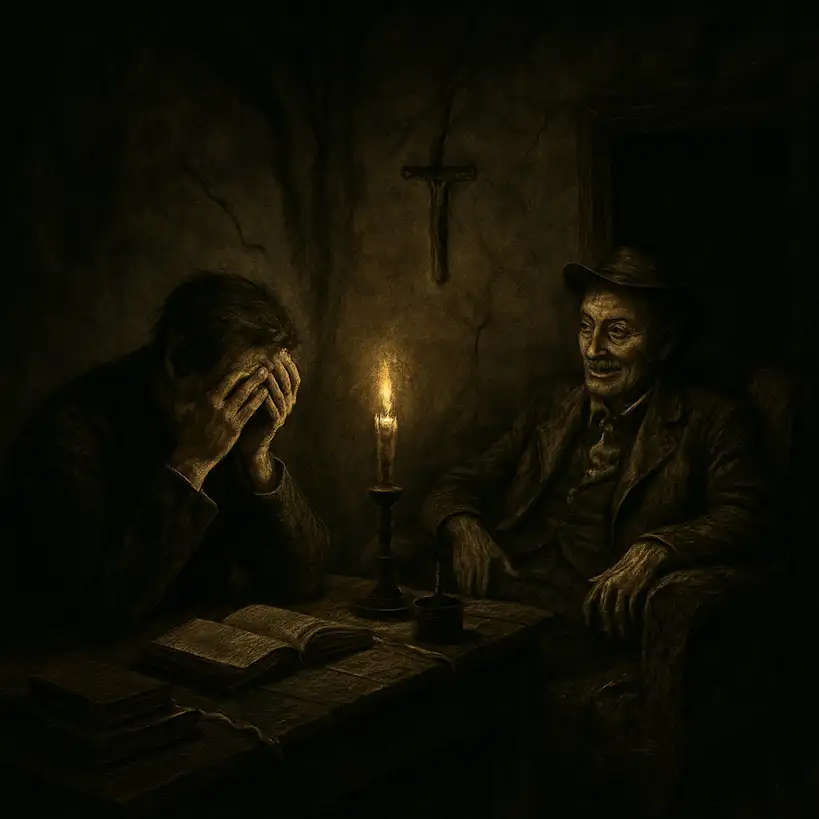
Courts, crowds, and the theater of judgment in The Brothers Karamazov
The trial turns speech into weapons. Prosecutors posture; the defense parries. In The Brothers Karamazov, the courtroom performs truth while the crowd performs belief. Rhetoric shapes verdicts. Jurors inhale stories, and the hall sways like a stage that cannot close its curtain.
Testimony arrives hot, therefore contradictions multiply. A witness remembers faces, yet forgets times. Memory distorts light. The prosecutor stacks motives, because envy and debt fit his script. The defense replies with character, since mercy needs a human frame.
Crowd energy tilts outcomes. Consequently, applause replaces thought, and silence replaces doubt. Spectacle tempts justice. The judge bangs for order, while the case keeps growing new branches. Meanwhile, Dmitri pleads and Ivan fractures under pressure that reason cannot lift.
Dostoevsky warns that goodness struggles when theater rules. By contrast, simple kindness restores scale. Alyosha moves through benches, comforts the broken, and steadies souls who fear collapse. Compassion counters frenzy. The novel insists on faces before theories, and names before totals.
One more mirror sharpens the lesson: stories test virtue when systems reward masks. For a companion on staged goodness and social pressure, the review nods to 👉 The Good Person of Szechwan by Bertolt Brecht. As a result, the linkage clarifies how performance can warp justice. In The Brothers Karamazov, truth survives because a few people refuse showmanship. Conscience rejects applause. Therefore, the verdict lands heavy, and the town must live with what it chose.
Conscience, freedom, and the work of love
Every brother chooses a different door to freedom. Dmitri trusts feeling; Ivan trusts thought; Alyosha trusts love. In The Brothers Karamazov, each path offers promise and danger. Conscience under fire shapes every argument, because temptation keeps asking for a shortcut. However, the novel treats freedom as duty, not license. Therefore, real choice costs something.
I watch Dmitri burn and learn. He begs for honor, yet he also lunges at joy. Reason meets mercy when Ivan tests logic against suffering. Moreover, his questions sound brave until grief answers them. By contrast, Alyosha moves quietly, feeds the poor, and repairs small hurts. Consequently, people trust him with the truths they cannot carry alone.
The book respects love as labor. It feeds bodies and holds hands. Love demands labor. While others deliver speeches, Alyosha visits, listens, and remembers names. In fact, his work keeps hope alive when public heat turns cruel. Although he rarely wins an argument, he often saves a soul from despair.
Dostoevsky writes these choices with heat and clarity. Sentences crowd with urgency; scenes tighten like a fist. Nevertheless, the narrative still protects tenderness. It allows humor to cool tempers. It allows confession to change futures. Hope chooses action. As a result, the brothers reveal who they are not by what they say, but by what they do.
I return to the book’s question: how do you live with freedom. The answer refuses slogans. It asks for courage, patience, and care. In The Brothers Karamazov, love survives because someone cooks, someone prays, and someone tells the truth. Therefore, faith breathes where service stands ready, and judgment softens when mercy walks in.
Style, symbols, and the test of darkness in The Brothers Karamazov
Dostoevsky builds drama from talk, gesture, and weather. Candles gutter when lies spread. Doors rattle when fear enters. In The Brothers Karamazov, setting behaves like a witness. Structure shapes feeling. Because scenes stack like arguments, each chapter feels like a room you must cross.
Symbols work as living threads. Bread suggests grace; money signals power; kisses mark betrayal or blessing. Beauty against terror steadies the reader when the courtroom turns loud. Moreover, small images carry large truths: a stare, a bruise, a scrap of cloth. Consequently, evidence often arrives as detail before it arrives as law.
Voices stay distinct. Dmitri speaks in surges; Ivan carves with logic; Alyosha answers with care. Witness over pose keeps the prose honest, since posture never outruns action for long. Meanwhile, jokes land at the edge of disaster and save scenes from collapse. Therefore, laughter remains a form of courage.
The book’s darkness invites comparison. For one artistic echo of sin and splendor, see 👉 The Flowers of Evil by Charles Baudelaire, where beauty wrestles with guilt in lyric form. Additionally, for a modern chill on power, media, and moral drift, consider 👉 Eagles and Angels by Juli Zeh. These mirrors sharpen how Dostoevsky measures the soul under pressure.
I finish this section thinking about light. Darkness needs light. Alyosha carries it; Dmitri hunts it; Ivan doubts it and still wants it. In The Brothers Karamazov, style never hides meaning; it reveals it. As a result, symbols turn into choices, and choices turn into fate. Consequently, the final movements feel earned, because every image already prepared the heart to decide.
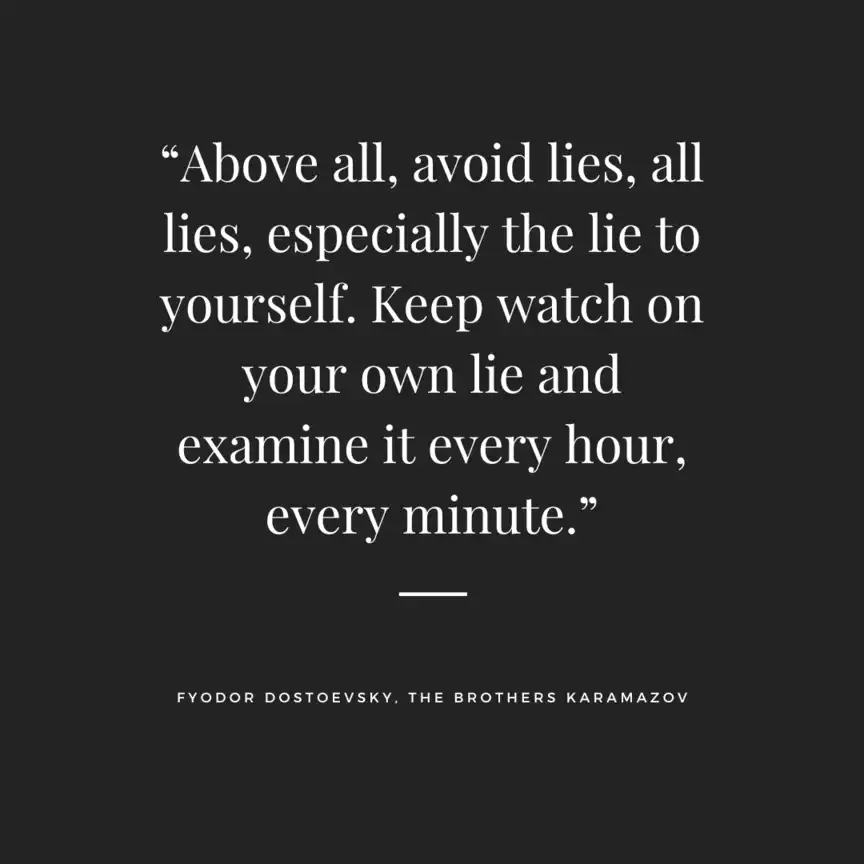
Luminous Quotes from The Brothers Karamazov by Fyodor Dostoevsky
- “Love in action is a harsh and dreadful thing compared to love in dreams.” The line cuts through comfort; therefore, it asks for labor rather than posture.
- “Everyone is responsible to all for all.” The claim sounds impossible; however, The Brothers Karamazov keeps testing it until it becomes practice.
- “If God does not exist, everything is permitted.” Ivan pushes logic to the edge; consequently, the story measures what that edge does to a soul.
- “Beauty is mysterious as well as terrible. God and the devil are fighting there, and the battlefield is the heart of man.” The sentence holds light and shadow together; moreover, it explains why mercy matters.
- “What is hell? I maintain that it is the suffering of being unable to love.” The voice defines damnation as lack; meanwhile, Alyosha answers with presence.
- “Humble yourself, and you will see miracles.” The counsel rejects spectacle; in fact, this book treats humility as the only door to joy.
Contextual Trivia Facts from The Brothers Karamazov by Dostoevsky
- Trial as theater: The novel stages a courtroom where rhetoric bends truth; consequently, readers watch crowds tilt verdicts. The Brothers Karamazov counters spectacle with faces and names.
- Brothers as philosophies: Dmitri embodies passion, Ivan tests reason, and Alyosha chooses love; therefore, their collisions turn ideas into action. This novel keeps each path accountable to harm and help.
- Monastery as ballast: Ritual steadies panic, since prayer and bread slow stormy minds. The Brothers Karamazov shows faith as practice, not lecture; see 🌐 Orthodox monasticism for context.
- Legend within the novel: “The Grand Inquisitor” dramatizes freedom against comfort; meanwhile, critics still cite it in debates on authority. For framing, consult 🌐 Stanford Encyclopedia: Free Will.
- Masks of goodness: Social performance distorts virtue; consequently, counterexamples sharpen the point—👉 The Confessions of Felix Krull by Thomas Mann satirizes charm as camouflage.
- After the verdict: Memory becomes duty, because the boys’ vow turns grief into work. As a parallel on youthful vow and urban loneliness, 👉 Summer Crossing by Truman Capote offers a modern echo. The book ends by sending mercy forward.
Children, grief, and the work of consolation
Ilyusha’s storyline turns theory into flesh. The boys quarrel, forgive, and learn. In The Brothers Karamazov, small hearts carry large burdens, yet kindness still grows. Compassion becomes practice. Alyosha listens first, because listening cures pride. Moreover, he kneels to the child’s level, and the room remembers proportion.
The novel shows grief without varnish. Parents break; friends stumble; teachers guess wrong. Tenderness repairs damage. Although tempers flare, a shared loaf or a hand on a shoulder changes the air. Consequently, the scenes around Ilyusha give the trial a human frame that no speech can replace.
I watch Alyosha move from house to street. He carries names and errands. Love works in verbs. Therefore, he returns with soup, letters, and simple presence. Meanwhile, the boys mirror the brothers: some argue like Ivan, some surge like Dmitri, and some begin to care like Alyosha.
Dostoevsky treats childhood as conscience. The group mourns and then promises to remember goodness. Memory protects the soul. In fact, the promise anchors the finale, because it turns a courtroom tale into a communal vow. Furthermore, it tells the reader what to do after the book shuts.
So the chapter widens the thesis. Freedom needs mercy, while mercy needs action. In this work, faith does not float; it feeds, visits, and forgives. Consequently, the children become the book’s proof that hope survives contact with pain. Therefore, I close this section certain that argument alone cannot save; however, love that works can.
Why The Brothers Karamazov still matters
The novel endures because it refuses easy binaries. It loves freedom, yet it warns against self-worship. Freedom asks for duty. Dmitri, Ivan, and Alyosha make the case in three keys, and the chord still rings. Moreover, the plot ties philosophy to bodies, so ideas stay accountable to harm and help.
Readers meet a justice system that craves theater. Truth needs patience. Therefore, the book urges us to slow the clip, name the witness, and measure the cost. By contrast, crowds rush to verdicts, while Alyosha walks to kitchens and courtyards where care lives. In The Brothers Karamazov, those walks carry more weight than applause.
I also see a live argument about the self. Conscience rejects ego. Oscar Wilde’s political essay offers a provocative mirror of freedom and generosity; consequently, it sharpens this book’s claim that love must liberate the person from cruelty, not license cruelty itself. For that lens, consider 👉 The Soul of Man under Socialism by Oscar Wilde.
The ending does not solve faith; it equips practice. Hope requires habits. Because the boys remember goodness, they form a circle that keeps mercy from fading. Meanwhile, the brothers’ paths remind us that intelligence without compassion breaks, and passion without responsibility burns.
Thus the novel teaches method for the moral life. Ask better questions; serve before you speak; forgive faster than you boast. In the novel, God, justice, and love remain difficult, yet they remain possible. Consequently, the book stays urgent wherever judgment grows loud and kindness grows thin.