The Green House by Vargas Llosa – lives broken by the jungle
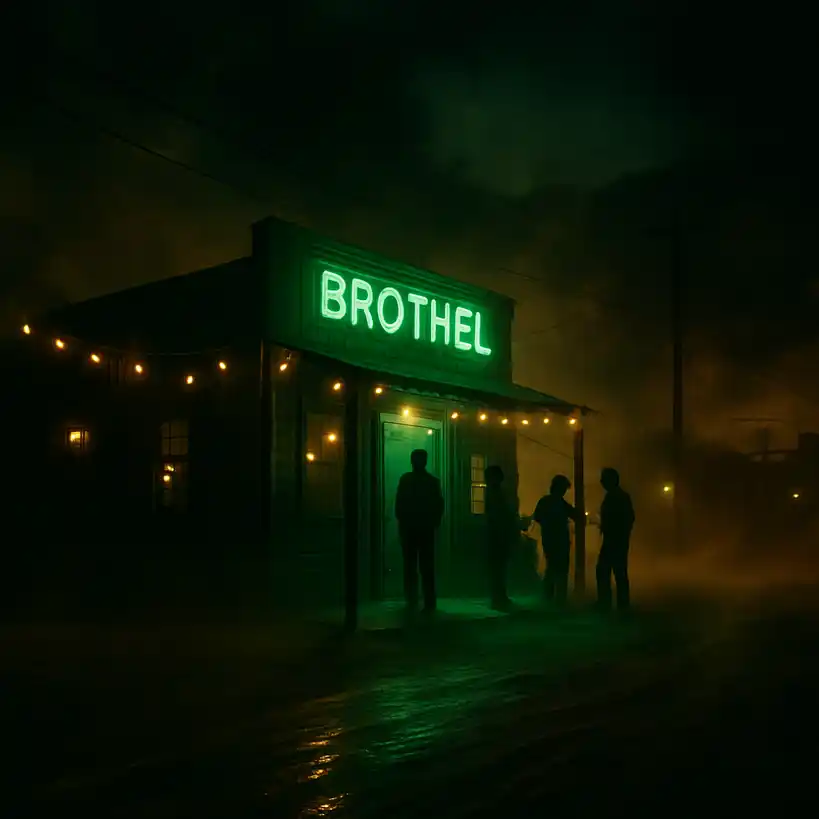
Heat presses on Piura. Consequently, The Green House opens with sand, wind, and rumor. Because Mario Vargas Llosa divides scenes across time, fractured memory becomes the map. I watch the brothel rise like a mirage; therefore desire as commerce sets the town’s pulse. The plot follows smugglers, soldiers, nuns, and clients. Meanwhile, the river carries stories inland, and the desert keeps secrets.
The narration moves quickly. However, detail stays tactile: reeds, dust, coins, and cheap mirrors. As a result, The Green House refuses ornament and prefers evidence. Lives intersect, then split; consequently, fate by transaction rules most choices. I keep hearing how the house follows people out into the street. By contrast, the Church polices appearances while money polices everything else.
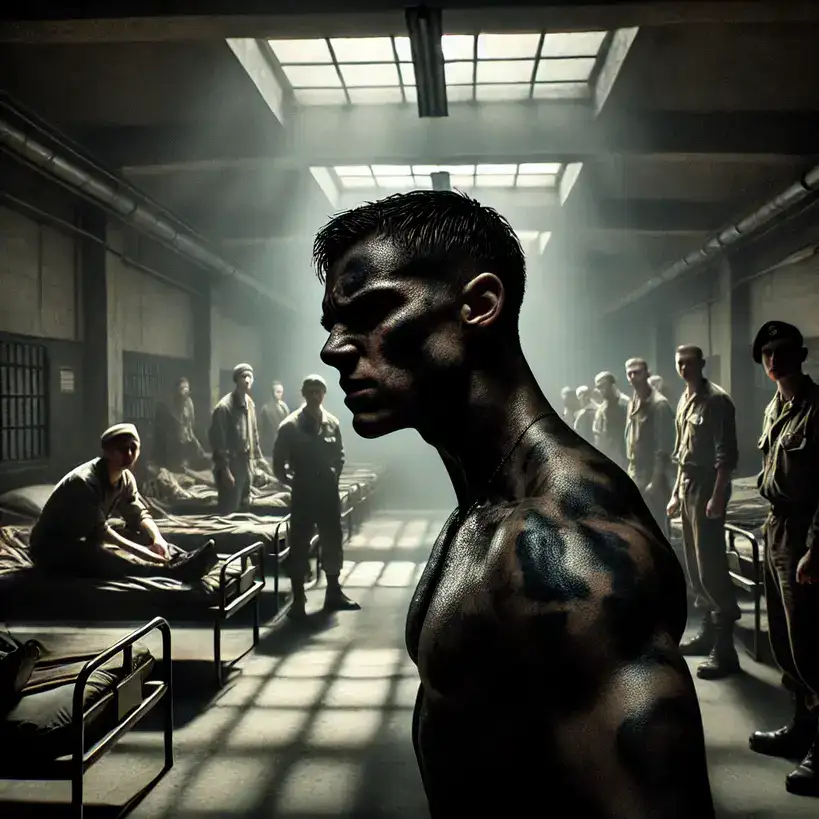
Structure does moral work. Although chapters jump, motifs return, so recognition grows. Therefore the book follows broken promises as they echo from the brothel to the barracks. The jungle waits offstage, and its dark edges crawl toward town. Furthermore, the title’s two words—green and house—keep arguing: growth versus enclosure. In fact, the novel insists that power arrives in rooms at night. Finally, the novel measures who profits, who pays, and who disappears when the sun comes up on these lives in the jungle’s shadow.
Violence and debt in The Green House
Mario Vargas Llosa frames sin as ledger. Consequently, The Green House tallies debts that bodies carry and institutions collect. Because timelines braid, causes stay near effects. For instance, a bribe shifts a transfer order; therefore a girl vanishes into distance. Meanwhile, soldiers change uniforms and keep habits. As a result, violence as routine replaces isolated shock.
Comparison sharpens the stakes. I read Piura’s moral arithmetic beside 👉 Crime and Punishment by Fyodor Dostoevsky, since both track guilt and rationalization under heat. By contrast, the story disperses guilt across networks: buyers, priests, bosses, and boatmen. Moreover, law as theater appears whenever arrests perform order while the market writes the script. The prose stays quick; consequently, scenes feel overheard, not staged.
Objects tell truth. Receipts, bottles, and rosaries record choices that language tries to soften. Therefore The Green House keeps evidence in plain view. The jungle closes in, and lives look broken where the river meets the road. Furthermore, the house follows its clients into marriages and offices. In fact, the novelist shows how desire recruits power, then power launders desire. Finally, the section’s verdict holds: the book follows lives through debt until the city itself feels like a creditor, and the jungle waits to collect.
Form and fracture: how the novel fuses timelines
Mario Vargas Llosa cuts scenes like shards, then fits them by rhythm. Consequently, The Green House makes fractured chronology do moral work. Because jumps land on images—reeds, coins, mirrors—recognition accumulates. I feel how the book follows lives across deserts and docks, while memory knits what the streets broke. Although the voice stays brisk, the structure stays precise; therefore every return arrives with charge.
Multiple threads refuse hierarchy. For instance, a soldier’s errand interrupts a nun’s dilemma; consequently, choral narration replaces a single hero. Meanwhile, Piura’s sand presses forward and the jungle presses back, so space itself argues. By contrast, tidy timelines would dull this heat. Moreover, short scenes keep evidence near the eye; scene as evidence prevents romance from hiding cost.
Sound carries order when time splinters. Repeated names and places create a moral geometry that orients the reader. Because echoes return with variations, guilt and profit grow legible. As a result, The Green House turns noise into pattern without mercy. Finally, the form mirrors the town’s economy: quick exchanges, quick lies, quick disappears. The book stays broken by design, yet it holds like a net that catches what power drops.
Bodies, faith, and markets: who pays for desire
Desire hires intermediaries. Therefore The Green House treats the brothel as an operating system where money, gossip, and force log in. Because churchmen police appearances, faith versus appetite becomes commerce. I watch rooms decide futures; consequently, power in private precedes public verdicts. Meanwhile, uniforms change, but habits persist, and the ledger outlives the night.
Women carry the highest surcharge. Although the plot rarely pauses for speeches, cost in the body stays visible—bruises, whispers, sudden transfers. As a result, transactions break promises faster than priests can mend them. The city learns to look away while the jungle keeps a darker account. Furthermore, the house follows lives into marriages and offices, so “outside” never feels clean.
Comparisons sharpen the market logic. I pair brothel politics with 👉 Gabriela, Clove and Cinnamon by Jorge Amado, where kitchens and beds measure power as sharply as any court. By contrast, The Green House lets heat harden into routine; therefore reform sounds thin. Finally, the section’s answer is concrete and cold: desire as business, faith as cover, and law as theater. The town remains broken, and Mario Vargas Llosa keeps asking who profits when innocence gains a price in the jungle’s shadow.
Sand, river, canopy: the map beneath the plot
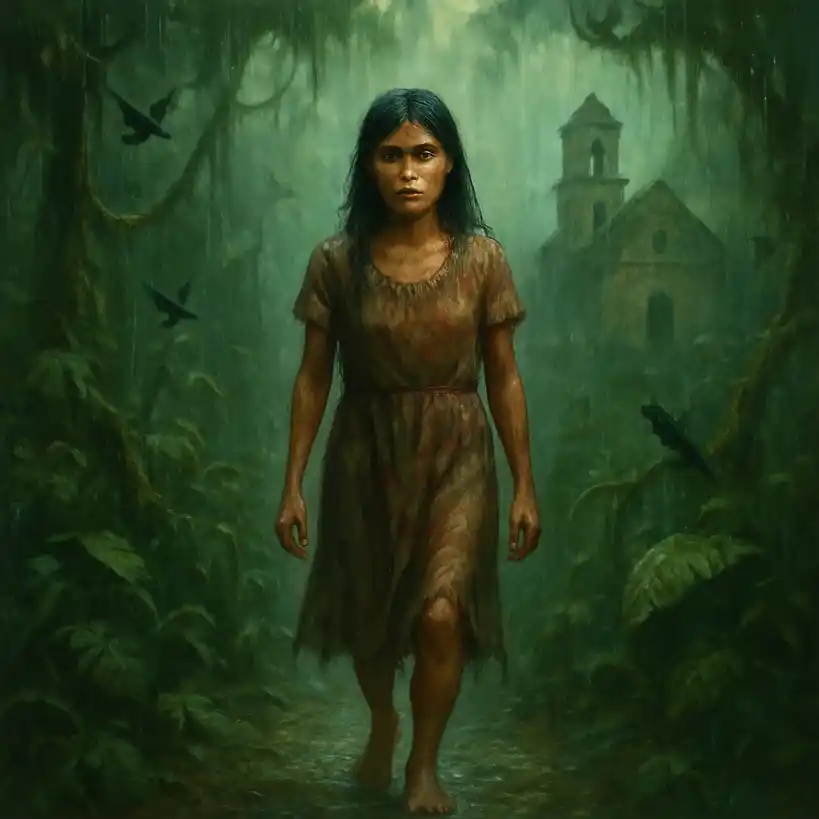
Piura’s land as argument shapes every decision. Consequently, The Green House works like a compass that points to heat, dust, and rumor. Because Mario Vargas Llosa cuts between city and jungle, deals move with weather. I watch soldiers cross sand while boatmen read currents; therefore movement writes law before any judge speaks. Although the brothel stands still, its influence travels. As a result, this writing turns a building into a route that follows lives outward.
Color organizes time. Green promises growth, while walls confine; consequently, green versus house becomes the sentence the novel keeps revising. The river carries a second grammar, because currents splice scenes into one story. Meanwhile, streets trap desire in loops of money and shame. By contrast, the river suggests escape yet returns debt to the same shore. Therefore The Green House lets geography argue with fate.
Detail keeps myth honest. Reeds scratch windows. Coins click in pockets. Mirrors catch lies at dawn. Moreover, city as trap explains why characters circle choices they already hate. The canopy waits beyond checkpoints; consequently, the jungle breathes like an unseen jury. I finish the section hearing how the work speaks in textures: sand that blinds, water that whispers, and paint that peels where promises fail. Finally, the map clarifies the verdict: place breaks or remakes people, and the house stays green because it keeps consuming the lives it shelters.
Family echo and public stain
History collects in rooms; therefore history in rooms drives the harshest turns. Because The Green House folds time, children inherit debts their elders signed at night. For instance, a client’s gift becomes a lifelong tag. Meanwhile, officers swap postings and repeat habits; consequently, childhood under price explains why escape feels rhetorical. The book stays close to bruises, names, and routes, so lineage reads like a ledger.
Comparisons enlarge the pattern. A haunted household in 👉 The House of the Spirits by Isabel Allende shows how private bargains stain public futures. By contrast, this novel drops magic and keeps the stain. Furthermore, a town’s appetite echoes the drumbeat in 👉 The Tin Drum by Guenter Grass, where noise becomes power. Here noise as power belongs to gossip, hymns, and cash counts; therefore social sound enforces order without uniforms.
Evidence keeps returning. Letters surface. Bottles travel. Rosaries change hands. Consequently, memory as charge attaches to objects that refuse to forget. Because Mario Vargas Llosa writes with hard clarity, the jungle never stops leaning into the city’s breath. The brothel follows lives into marriages, offices, and funerals; as a result, families carry a public stain they did not choose. Finally, The Green House argues that repair needs courage and witnesses, not alibis, and that broken promises multiply faster than any priest or policeman can collect.
Style, heat, and translation: clarity under pressure
Mario Vargas Llosa writes heat as method. Consequently, scenes arrive fast, cut clean, and land on hard evidence. Because the syntax stays taut, The Green House keeps clarity under pressure. I hear coins, breath, and sand before anyone moralizes. Meanwhile, verbs carry weight, so motion as meaning drives the line.
Translation choices sharpen impact. Although the prose moves quickly, the rhythm holds; therefore repetition creates tension by return rather than filler. Names recur, and places echo; as a result, the city keeps a memory the characters lack. While the jungle waits beyond checkpoints, Piura edits stories in real time. The book follows rumor, then verifies with cost.
Technique serves the ledger. For instance, a short sentence falls like a stamp; consequently, the next scene owes something. Because images repeat with small variations, The Green House teaches the reader to audit. Moreover, scene as receipt prevents romance from hiding harm. I keep noticing how the author chooses angles that expose who profits and who pays.
Form mirrors terrain. Short chapters feel like streets; crosscuts feel like currents. Therefore the narrative follows lives broken by systems rather than by fate alone. By contrast, tidy closure would betray this climate. Finally, it proves that precision can hold chaos without taming it. The novel follows pain without spectacle, and it lets the jungle answer every polished lie with dust and breath.
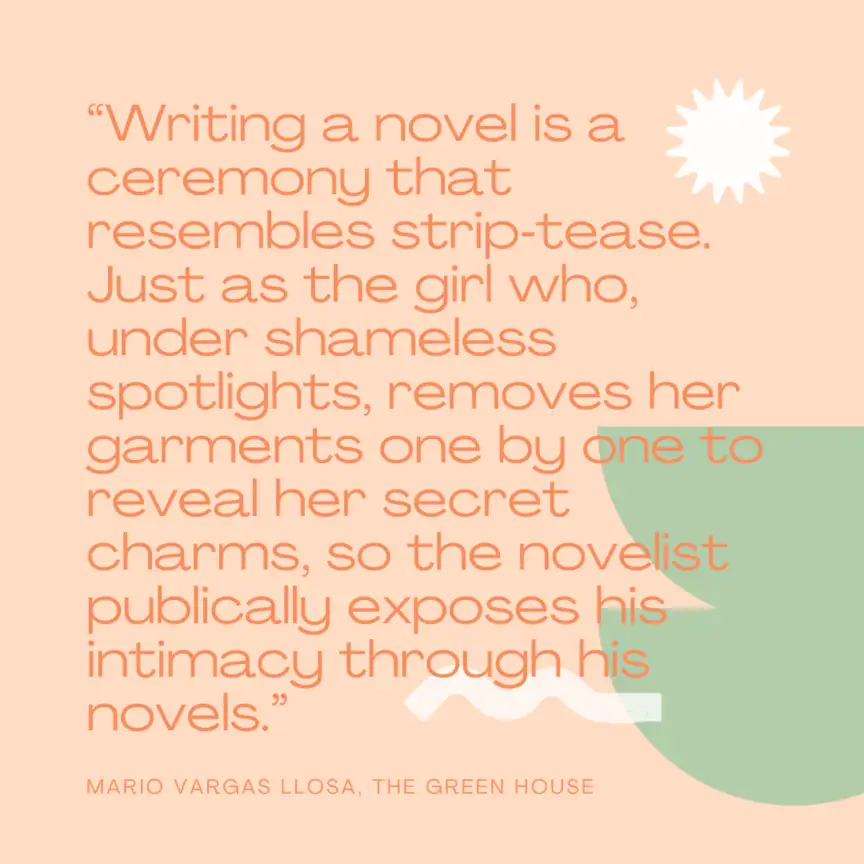
Atmospheric Quotes from The Green House by Mario Vargas Llosa
- “The Sergeant takes a look at Sister Patrocinio and the botfly is still there.” The jungle starts on the body; consequently, The Green House ties setting to risk at once.
- “The launch is pitching on the muddy waters.” Motion sets tone; therefore this book builds danger from physics before plot names a villain.
- “between two walls of trees that give off a burning, sticky mist.” Heat governs choices; moreover, the sentence turns weather into pressure that squeezes everyone.
- “Huddled under the canopy, stripped to the waist, the soldiers are asleep.” Exhaustion explains error; consequently, the book shows vulnerability before heroics.
- “the greenish, yellowish noonday sun above.” Color becomes verdict; therefore perception itself judges the march through this corridor.
- “Shorty’s head is lying on Fats’s stomach.” Camaraderie looks tender, yet danger surrounds it; meanwhile, The Green House balances threat with touch.
- “The botfly moves its blue little wings.” Detail drives dread; as a result, tiny life redirects the mission’s pace and mood.
- “the nuns and the soldiers open their eyes, raise their heads, look around.” Habit yields to alarm; consequently, attention becomes survival.
- “the pilot goes to turn off the motor.” A small action resets stakes; therefore machinery dictates timing as firmly as any order.
- “Chicais was beyond that gorge.” Geography rules plot; furthermore, the novel treats distance as a character with its own will.
Trivia Facts from The Green House
- Publication and place: Vargas Llosa sets The Green House between Piura’s desert and the Amazon corridor; consequently, geography behaves like a second plot engine that pressures every choice.
- Nonlinear design: Short, intercut chapters build cause and effect by echo; therefore the novel uses memory as structure rather than ornament, and recognition accumulates with each return.
- Brothel as system: The title names a business model, not just a room; moreover, the story shows how desire bankrolls power, rumor, and local law, while public virtue trails behind.
- Church and market: Priests police appearances while money moves outcomes; consequently, The Green House studies faith as cover and conscience under pressure across barracks, docks, and parlors.
- Peer constellation: Mario Vargas Llosa stands among the Boom writers; however, unlike peers who lean magical, the work keeps hard realism so brutality remains visible beside grace.
- Comparative noise: Gossip and spectacle steer crowds; for a counterpoint where noise becomes power in history, see 👉 The Tin Drum by Guenter Grass.
- Total vision and fragments: The novel’s split timelines circle one city’s whole; for a metaphoric “all-at-once” lens on perception, compare 👉 The Aleph by Jorge Luis Borges.
- Real Piura, real pressures: The city lies in northern Peru’s dry tropics; consequently, drought and trade shape behavior. For context, read 🌐 Britannica: Piura.
- Amazon extraction: River routes move profit and people; furthermore, The Green House mirrors coercive histories tied to rubber and resource booms.
- Author ties: The writer later sparred and reconciled with fellow Boom figures; therefore the novel’s rigor in politics and structure foreshadows a career that kept testing power and narrative method.
Endings and echoes: what a city remembers
Consequences outlive schemes. Therefore The Green House measures endings by who still carries the bill. Because Mario Vargas Llosa ties memory to objects, bottles and letters keep talking. Meanwhile, officers rotate and clients age; consequently, habit as sentence continues after trials end. The house remains green, and the house keeps business.
Comparisons frame the residue. I read the town’s fever beside 👉 Of Love and Other Demons by Gabriel Garcia Marquez, since both show desire bending church and market. By contrast, this writing strips miracles and leaves tariffs. Furthermore, I place the fractured time beside 👉 The Aleph by Jorge Luis Borges, where a point contains everything; therefore echoes in Piura feel cruelly complete.
Takeaways stay concrete. Although lives look broken, small mercies still move. A nun hides a name. A boatman delays a trip. As a result, kindness under risk slows the machine, if only briefly. Because the jungle keeps closing, escape needs witnesses as much as roads. The plot follows debts as they change hands, then it lets silence judge.
The final mood avoids sermon. While the novel follows lives across deserts and rivers, it refuses alibis. Moreover, the voice trusts the reader to weigh costs. Consequently, The Green House ends like a town at dusk: loud, then low, then watchful. I closed the book convinced that systems break people, yet people still choose how to stand. The city remembers, and the jungle remembers, and the reader must remember too.