A Review of Oscar Wilde’s The Picture of Dorian Gray – The Eternal Portrait of Hedonism
What I thought while reading The Picture of Dorian Gray
I found Oscar Wildes novel to be an thought provoking read. Right, from the beginning I was drawn into the story of Dorian Gray, a man whose portrait ages while he himself remains youthful. The author’s detailed and vivid writing transported me into the morally complex world of society.
As I delved further into the narrative I was intrigued by Dorians spiral into decadence and pleasure seeking. The impact of Lord Henrys beliefs on Dorians decisions prompted me to contemplate the power of influence. And the repercussions of pursuing pleasure without considering ethics. The supernatural aspect of the portrait added an element of suspense and terror that held my interest.
Upon finishing the book I found myself reflecting on themes such, as vanity, guilt and redemption. This work provided an exploration of nature and delved into the darker aspects of beauty and desire. His storytelling and sharp wit made it a memorable and profound reading experience. That left me with much to ponder after turning the final page.
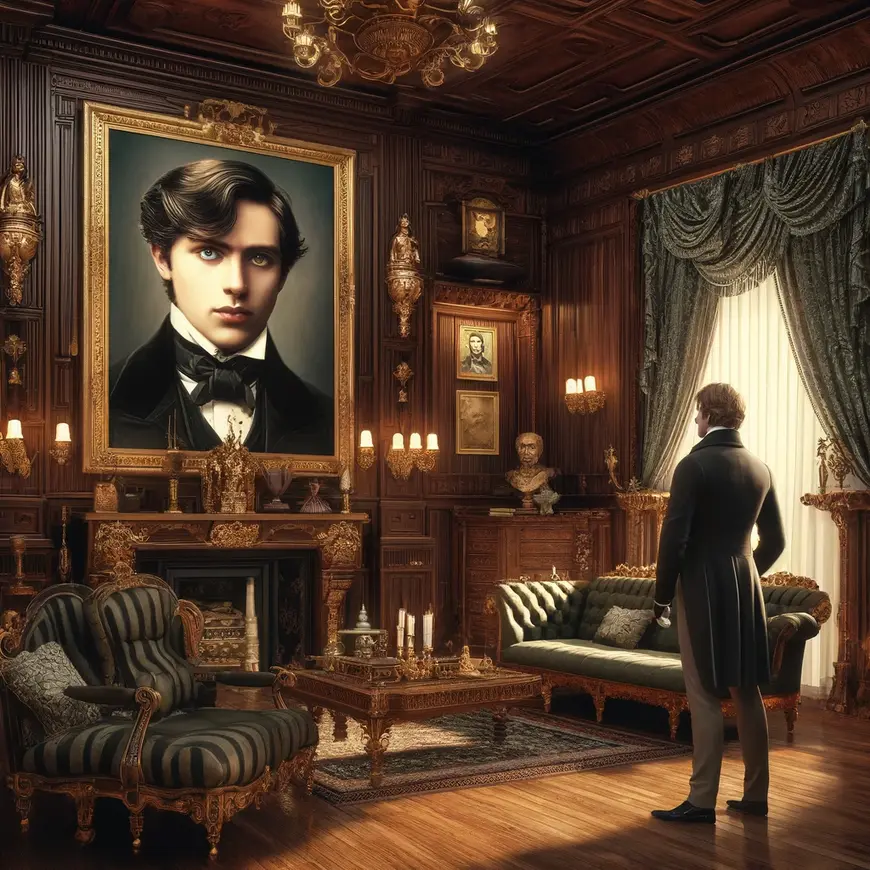
In the realm of literature that exposes the dark underbelly of decadence and the consequences of unchecked hedonism, Oscar Wilde‘s The Picture of Dorian Gray shines as a timeless classic. With prose that dances on the edge of morality and wit, the writer crafts a narrative that delves deep into the allure of eternal youth, the fragility of the human soul, and the high price of vanity.
The Picture of Dorian Gray – Unveiling the Portrait of Corruption
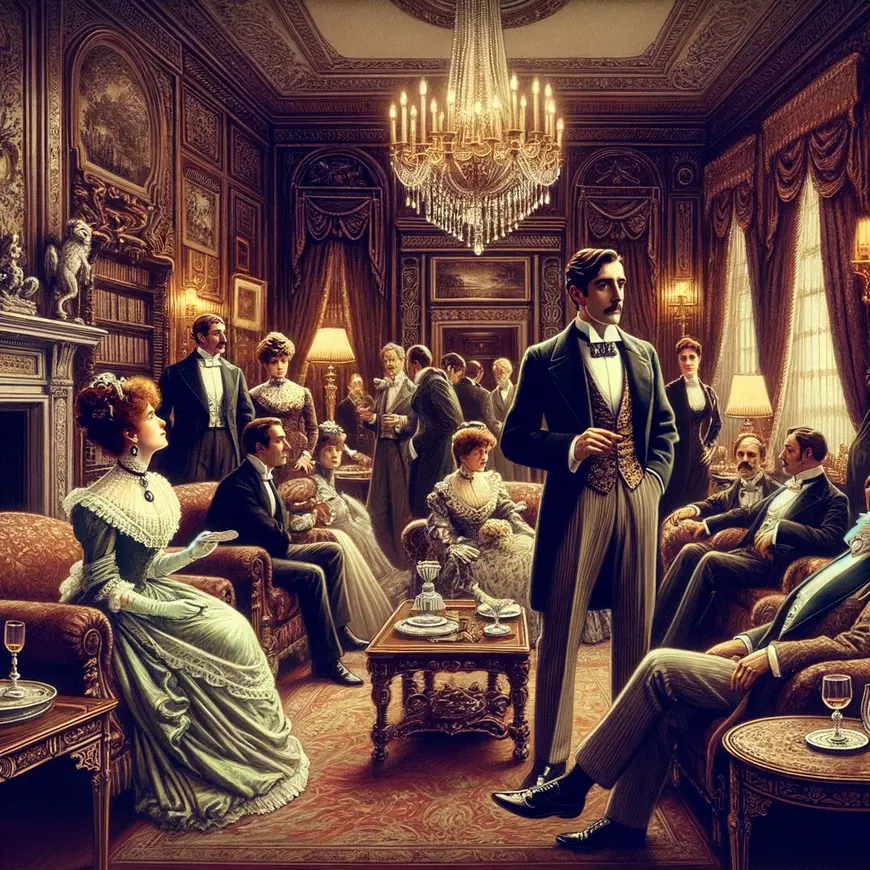
Imagine a world where the gaslit streets of Victorian London hide secrets darker than the shadows themselves. The Picture of Dorian Gray immerses us in this world, where the young and beautiful Dorian Gray is introduced to the temptations of hedonism by the charismatic Lord Henry Wotton. Dorian’s portrait, painted by the talented Basil Hallward, captures the essence of his youth and beauty, while Dorian himself remains untouched by the ravages of time and sin.
The setting of Victorian London becomes more than a backdrop; it’s a reflection of the era’s societal norms and the moral constraints that hide beneath the surface. His prose paints a vivid picture of a society marked by strict morality and appearances, where the pursuit of pleasure is both enticing and perilous.
The heart of the novel lies within its characters, each representing a facet of the human experience and the corrupting influence of hedonism. Dorian Gray, the handsome and charismatic protagonist, becomes a vessel for readers to explore themes of vanity, temptation, and moral decay. His journey from innocence to debauchery mirrors the broader human capacity for both indulgence and self-destruction.
Other characters, such as Lord Henry Wotton and Basil Hallward, provide contrasting perspectives on themes of influence, art, and the consequences of leading others astray. Wilde’s portrayal of these characters serves as a mirror to the seductive power of vice and the ways in which individuals grapple with their inner demons.
Themes of Vanity and Corruption
“Peering into the depths of vanity and corruption,” the novelist seems to say, as he delves into themes that resonate deeply with the human experience. The theme of vanity is central to the narrative, as Dorian Gray becomes ensnared by his own image and the pursuit of eternal youth. The writer’s exploration of vanity prompts readers to reflect on the dangers of placing appearance above morality and the consequences of living a life devoid of consequences.
Corruption is another prominent theme that surfaces throughout the narrative. His portrayal of Dorian’s descent into depravity serves as a stark reminder of the human capacity for moral decay and the allure of hedonism. The tension between the pursuit of pleasure and the erosion of the soul creates a narrative. That is both chilling and thought-provoking.
Oscar Wilde’s writing style in The Picture of Dorian Gray is a web of wit and wisdom. A blend of clever dialogue and philosophical musings that capture the decadence and moral ambiguity of the era. His language is both sharp and insightful, creating an atmosphere that immerses readers in the sparkling world of high society and the dark recesses of human desire. His prose carries a weight that conveys the depth of human folly and the seductive allure of vice.
The novel’s structure is deliberate. With each chapter revealing a new layer of Dorian’s moral decline and the consequences of his actions. The writing style is a reflection of the era’s obsession with appearances. And the hypocrisy that often lay beneath the surface. Creating a narrative that is both entertaining and thought-provoking.
Timeless Relevance
While The Picture of Dorian Gray is rooted in its Victorian context, its exploration of vanity, corruption, and the consequences of unchecked hedonism remains relevant in the modern world. In an era marked by discussions of self-image, societal pressures, and the pursuit of pleasure at any cost, Wilde’s examination of these themes offers a timeless perspective.
The theme of vanity and its impact on personal identity continues to resonate, as individuals grapple with questions of authenticity, self-worth, and the influence of societal expectations. His portrayal of Dorian’s obsession with his own image serves as a reminder of the dangers of placing appearance above morality and the enduring allure of eternal youth.
Famous Quotes from The Picture of Dorian Gray by Oscar Wilde
- “The only way to get rid of a temptation is to yield to it. Resist it, and your soul grows sick with longing for the things it has forbidden to itself.” This quote reflects the hedonistic philosophy that underpins much of the novel. Lord Henry espouses the idea that indulgence, rather than restraint, is the path to true freedom and happiness.
- “To define is to limit.” This quote encapsulates a recurring theme in the novel about the constraints imposed by societal norms and expectations. Dorian’s life is one of seeking experiences beyond conventional boundaries.
- “The books that the world calls immoral are books that show the world its own shame.” The author often defended art against accusations of immorality, suggesting that such works reflect the truth about human nature and societal hypocrisy. This quote underscores the idea that art’s role is to reveal, not to conform to, moral standards.
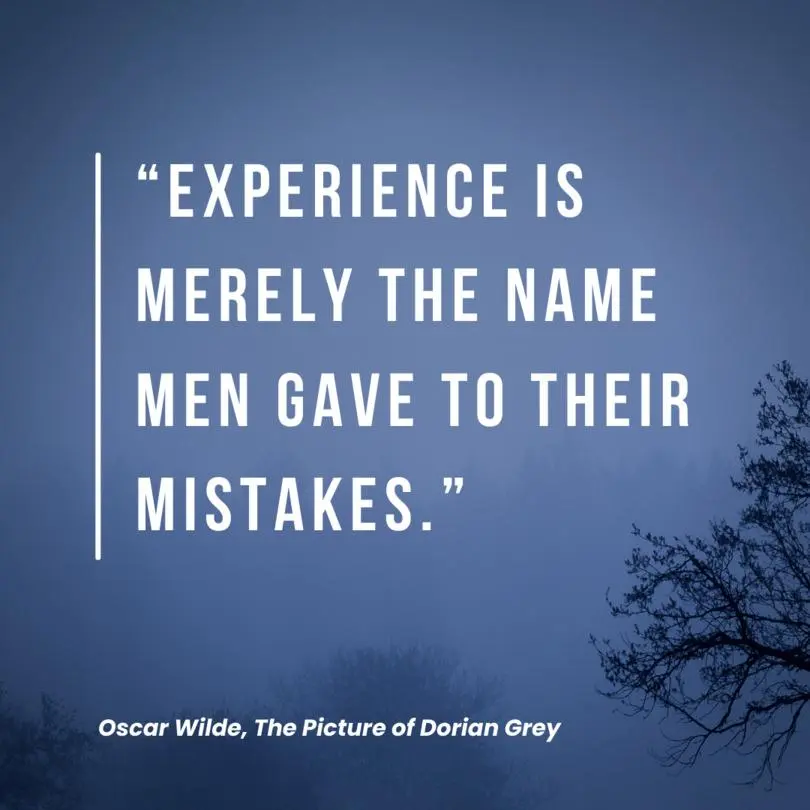
- “Experience is merely the name men gave to their mistakes.” This quote reflects a common theme in Wilde’s work about the value of learning from one’s errors. It suggests that what we call ‘experience’ is often just a series of mistakes and misjudgments from which we learn.
- “I am tired of myself tonight. I should like to be somebody else.” This quote expresses Dorian’s deep-seated dissatisfaction with his own life and identity, despite his outward beauty and success. It foreshadows his eventual downfall as he seeks to escape the consequences of his actions.
- “What does it profit a man if he gain the whole world and lose his own soul?” This biblical reference is a central theme in the novel.
Trivia Facts about The Picture of Dorian Gray
- First Published in a Magazine: The book was first published as a serial story in the July 1890 issue of Lippincott’s Monthly Magazine. It caused an immediate scandal due to its themes of decadence and immorality.
- Influence of Aestheticism: The Picture of Dorian Gray is influenced by the principles of aestheticism, a movement that the author was closely associated with. Aestheticism advocated for “art for art’s sake,” prioritizing beauty and artistic expression over moral or social themes.
- Real-Life Inspirations: The character of Dorian Gray is inspired by Wilde’s friend, John Gray, a poet known for his beauty. Lord Henry Wotton may have been modeled after the writer himself or his friend, Lord Ronald Gower.
- Legal Troubles: The work is perceived immorality played a significant role in the legal trials of Oscar Wilde in 1895.
- Preface: The famous preface to the novel includes several aphorisms that reflect his views on art and criticism.
- Portrait Symbolism: The portrait of Dorian Gray serves as a powerful symbol of the consequences of a life of hedonism. As Dorian remains outwardly youthful and handsome, the portrait ages and becomes grotesque, reflecting his inner corruption.
- Contemporary Reactions: The Picture of Dorian Gray received mixed reviews upon its release. Some critics praised its artistic merit, while others condemned it as immoral and perverse. Despite the controversy, it gained a significant readership and remains one of the novelist’s most famous works.
- Literary Allusions: The novel contains many references to other works of literature. This includes Goethe’s “Faust,” which similarly deals with themes of desire and the soul. His own literary style in the book is rich with wit and epigrams.
Final Thoughts on The Picture of Dorian Gray
The Picture of Dorian Gray is a masterpiece. It invites readers to confront the moral duality within us all. The pursuit of pleasure and the erosion of the soul dance a dangerous tango. Oscar Wilde’s narrative explores vanity, corruption, and the consequences of a life without accountability. His chilling tale warns of the dangers of living without consequences.
As readers journey through the world of The Picture of Dorian Gray, they are reminded of the power of literature. It is about to expose the darkest corners of the human soul. Also to challenge our notions of morality, and to reflect on the enduring allure of hedonism. Wilde’s prose serves as a mirror. It allows readers to contemplate their own choices and vanities. It highlights the eternal struggle between pursuing pleasure and preserving the soul. The book remains relevant today. It is a testament to the author’s enduring insight into human nature.
More Reviews of Oscar Wilde