The Snows of Kilimanjaro by Ernest Hemingway – An Evocative Expedition of Emotions
My Thoughts on The Snows of Kilimanjaro
When I read the novel by Ernest Hemingway, I was struck by the intense sense of regret and loss. The main character, Harry, reflected on his life, and his bitterness felt raw and real. Each memory he recalled showed how much he had wasted.
As the story moved between his present suffering and past experiences, I felt his inner conflict deeply. The tension between his regrets and the inevitability of death made the story gripping. I found myself thinking about the choices we make and how they shape our lives.
By the end, I felt both sad and reflective. Harry’s journey felt tragic, yet there was a quiet acceptance of his fate. The imagery of the looming mountain and the starkness of his situation stayed with me. It was a powerful meditation on life, death, and missed opportunities.
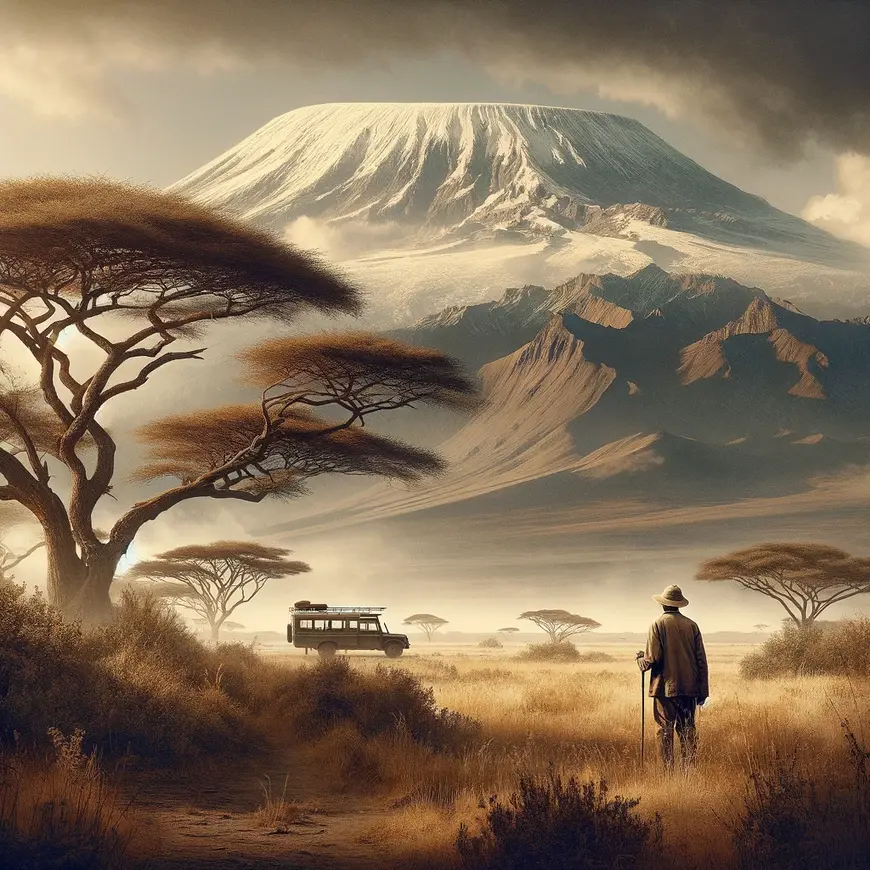
The Snows of Kilimanjaro by American author Ernest Hemingway is a mesmerizing and emotionally charged short story that takes readers on a poignant journey through the complexities of human life and the inevitability of mortality. As one of his most celebrated works, this gripping tale weaves together themes of regret, love, and self-discovery against the breathtaking backdrop of Mount Kilimanjaro in Africa. With its evocative prose, vivid imagery, and powerful emotions, the book is a literary gem that leaves an indelible mark on the hearts of its readers.
Setting the Stage: The Snows of Kilimanjaro
The story unfolds in the vast and desolate landscapes of Africa, where Harry, the protagonist, lies on his deathbed, stranded on the slopes of Mount Kilimanjaro. Amidst the arid beauty of the savannah, Harry confronts his past and contemplates the choices he made in life. The setting serves as a powerful metaphor for the impermanence of human existence and the transience of all things.
The Snows of Kilimanjaro delves into the depths of regret and the weight of missed opportunities. As Harry faces the specter of death, he is haunted by memories of his unfulfilled dreams and aspirations. Hemingway’s exploration of regret is a poignant reminder of the fragility of life and the importance of seizing the present moment to avoid the pain of remorse.
Love and loss are central themes that resonate throughout the story. As Harry reflects on his past relationships, his memories intertwine with moments of profound love and heart-wrenching loss. Through the character of Helen, Harry’s wife, the novelist captures the complexities of human emotions and the bittersweet nature of love.
The work explores the quest for meaning and purpose in life. Harry’s introspection leads him to question the significance of his existence and the choices he made. As he searches for meaning amidst the desolation of the African landscape, readers are invited to reflect on their own lives and the pursuit of a purposeful existence.
The Dichotomy of Art and Commerce
A recurring theme in this works, the conflict between artistic ideals and commercial success is present in The Snows of Kilimanjaro. Harry, a talented writer, struggles with the compromises he made for financial gain, questioning the authenticity of his art. This theme is a poignant commentary on the challenges faced by artists and the potential toll that sacrificing one’s artistic integrity can take on the soul.
Mortality is an ever-present specter in the story, as Harry grapples with the inevitability of death. The impending loss of life heightens the emotional intensity of the narrative, bringing readers face to face with the impermanence of human existence. The writer’s portrayal of mortality serves as a contemplative reminder of the fleeting nature of life and the importance of living it to the fullest.
His masterful use of flashbacks adds depth and richness to the narrative. As Harry’s memories intertwine with his present reality, the story takes on a dreamlike quality. These flashbacks not only provide insights into the character’s past but also reveal the emotional intricacies that shape his journey towards self-awareness.
The evocative imagery and symbolism in this work further enhance its emotional impact. From the majestic snow-capped peak of Mount Kilimanjaro to the parched African landscapes, Hemingway’s descriptive prose transports readers to the heart of the story. The symbolism of the mountain’s snows and the vultures circling overhead imbues the narrative with a sense of both hope and impending doom.
Ultimately, The Snows of Kilimanjaro is a reflection on the human condition, capturing the universal struggle to confront mortality, regret, and the desire for self-redemption. His exploration of human emotions and the existential dilemmas faced by his characters is a testament to his literary prowess and his ability to tap into the depths of the human psyche.
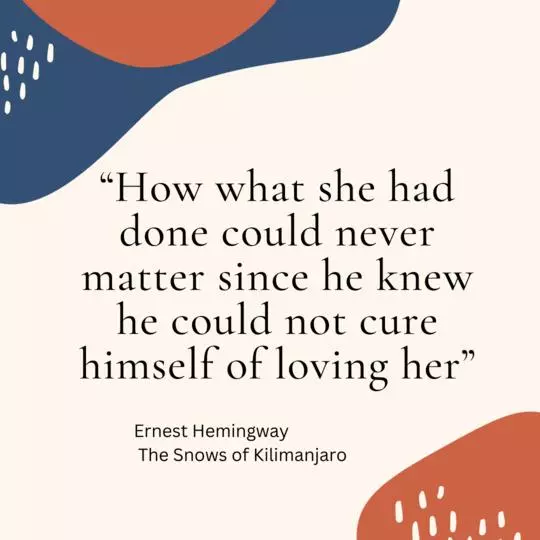
Quotes from Ernest Hemingway’s The Snows of Kilimanjaro
- “Now he would never write the things that he had saved to write until he knew enough to write them well. Well, he would not have to fail at trying to write them either.”
- “The very rich are different from you and me.”
- “He remembered the good times with them all, and the quarrels. They always picked the finest places to have the quarrels.”
- “There were many more days to go and he would not have to die until he was really old.”
- “I’ve been too long at the wars to be afraid of anything.”
Trivia Facts about The Snows of Kilimanjaro
- Inspired by African Safaris: The Snows of Kilimanjaro is based on Hemingway’s own experiences. During his safaris in East Africa in the 1930s. He visited cities like Nairobi and Mombasa. And his time spent exploring the African landscape heavily influenced the vivid descriptions of the African setting in the story. These experiences provided the backdrop for the themes of adventure and existential reflection.
- Connection to F. Scott Fitzgerald: Hemingway’s story references his contemporary and sometimes rival, F. Scott Fitzgerald. The protagonist, Harry, mentions how he quarreled with a rich man in Paris. A veiled reference to his real-life friendship and occasional conflicts with Fitzgerald. Both writers were key figures of the Lost Generation. And their works often explore themes of disillusionment and the passage of time.
- Paris Literary Scene: Ernest Hemingway spent significant time in Paris during the 1920s, a period that greatly influenced his writing. In The Snows of Kilimanjaro, Harry reflects on his past. Including his time in Paris, which was a hub for expatriate writers like Gertrude Stein, James Joyce, and Ezra Pound. The vibrant literary scene of Paris provided the author with a rich environment for developing his craft and themes.
- Influence of James Joyce: The writer admired James Joyce, who was also part of the Parisian literary community. Joyce’s stream-of-consciousness technique influenced his narrative style. In The Snows of Kilimanjaro, he uses flashbacks to explore Harry’s past. Reflecting Joyce’s influence in the way he delves into the character’s memories and inner thoughts.
Conclusion
Ernest Hemingway’s The Snows of Kilimanjaro is a literary masterpiece. That transcends time and leaves an enduring impact on its readers. With its exploration of regret, love, mortality, and the pursuit of meaning, the story offers a profound and emotionally resonant experience.
His masterful storytelling and evocative prose transport readers to the heart of Africa. And the depths of human emotions, making this novel an unforgettable expedition of the soul. Whether you are a fan of classic literature or seeking a profound and introspective read. This short story is sure to captivate your imagination and leave you contemplating the depths of the human experience.