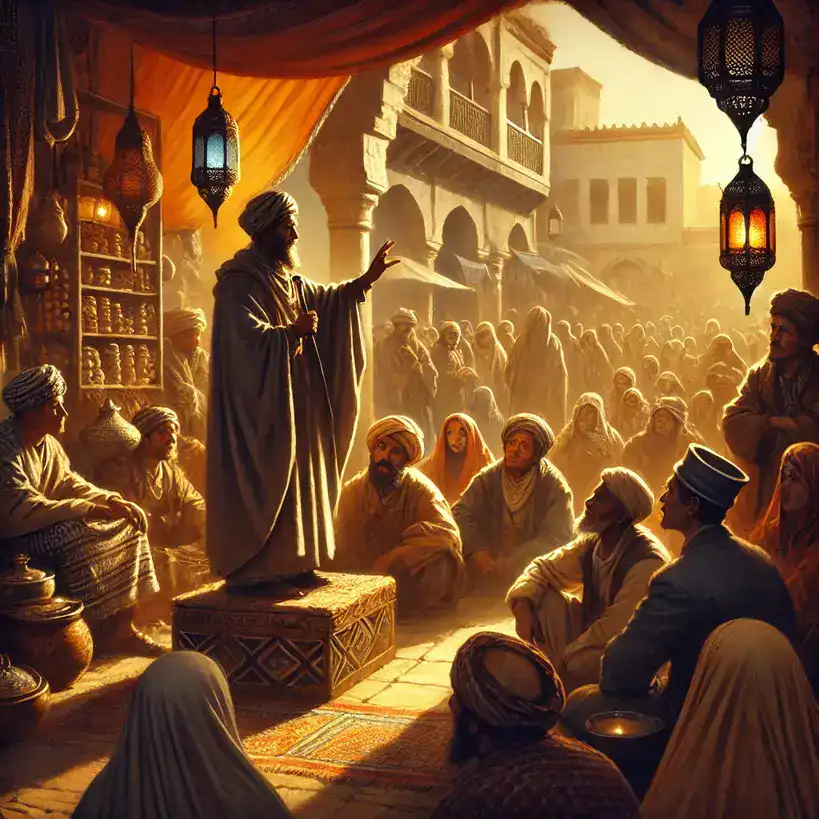
The Enduring Legacy of Elias Canetti – A Literary Giant’s Journey
Elias Canetti, a luminary in the realm of literature, emerged as a pivotal figure whose works traversed the complexities of human nature, power, and society. Born in 1905 in Ruse, Bulgaria, to a merchant family, His upbringing was a tapestry of cultural influences, pivotal in shaping his literary journey. This article embarks on an exploration of his life, his literary contributions, themes, and the indelible mark he left on literature.
Canetti’s oeuvre spans a rich variety of genres, including novels, plays, and essays, each marked by a deep engagement with the human condition. His novel, “Auto-da-Fé,” stands as a monument to his narrative prowess, offering a critical look at the descent into madness. His plays and dramatic works further showcase his versatility, delving into human psychology and societal dynamics.
The essence of his work lies in its exploration of power dynamics, mass psychology, and the tension between the individual and society. He dissected the mechanisms of power and domination, unveiling the layers of human interaction and societal constructs. His insights into crowd behavior remain a cornerstone of his literary legacy, demonstrating his profound understanding of the human psyche.
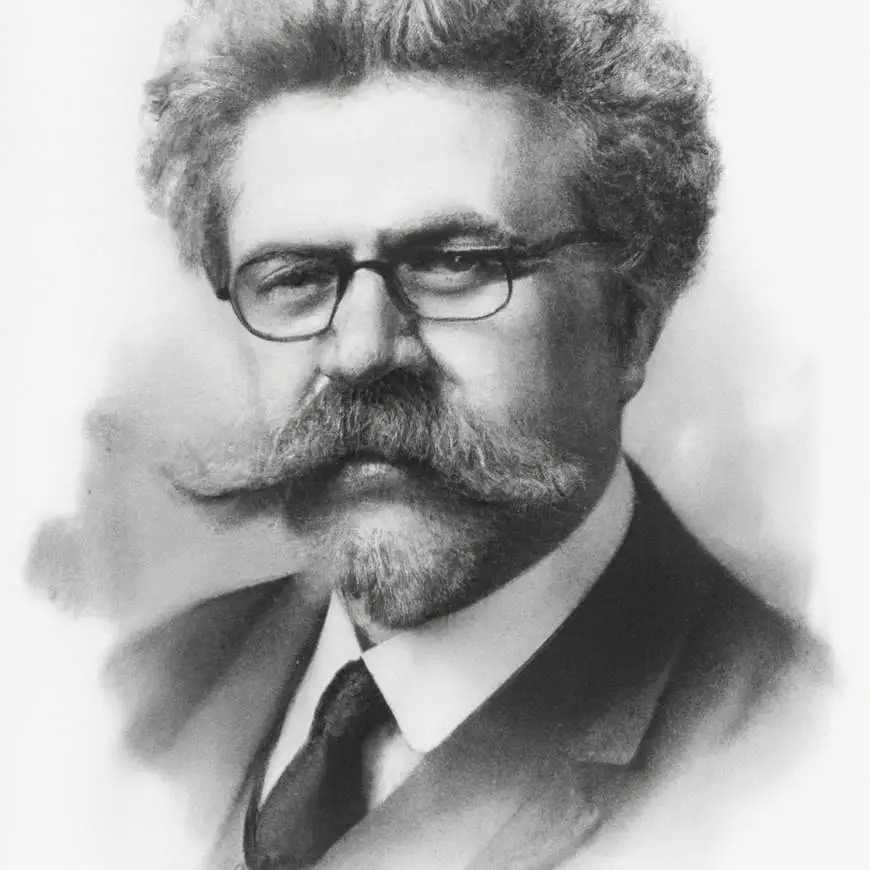
Profile of Elias Canetti – Life and Books
- Full Name and Pseudonyms: Elias Canetti; published under his own name.
- Birth and Death: Born 25 July 1905, Ruse (Rustchuk), Bulgaria; died 14 August 1994, Zurich, Switzerland.
- Nationality: Bulgarian-born; wrote in German; naturalized British citizen (1952); long residencies in Austria, the UK, and Switzerland.
- Father and Mother: Jacques Canetti (merchant) and Mathilde (Mathilde/Matilda) Arditti.
- Wife or Husband: Married Veza Taubner-Calderon (Veza Canetti) in 1934 (widower 1963); later married Hera Buschor in 1971.
- Children: One daughter, Johanna (b. 1972).
- Literary Movement: 20th-century German-language modernism; exile literature; political and anthropological critique of mass society.
- Writing Style: Grotesque, satirical allegory in fiction; aphoristic notebooks; cross-cultural, quasi-anthropological inquiry in essays; analytic yet imagistic prose.
- Influences: Vienna’s interwar intellectual milieu (notably Karl Kraus); European revolutionary history; anthropology and psychology; multilingual Sephardic background.
- Awards and Recognitions: Nobel Prize in Literature (1981); widely honored across Europe for fiction, plays, memoirs, and essays.
- Adaptations of Their Work: Frequent stage and radio productions of the plays (The Wedding, Comedy of Vanity, The Numbered); theatrical adaptations of Auto-da-Fé; essays and aphorisms widely dramatized/anthologized.
- Controversies or Challenges: Jewish writer forced into exile after 1938; books banned by the Nazis; later public attention to private relationships from diaries and memoir discourse.
- Career Outside Writing: Trained as a chemist (PhD, University of Vienna, 1929); essayist, lecturer, occasional translator; cultural interlocutor across Austrian, British, and Swiss circles.
- Recommended Reading Order:
1. Auto-da-Fé
2. Crowds and Power
3. The Tongue Set Free
4. The Torch in My Ear
The Influence of Canetti on Literature
His literary contributions have left an indelible mark on the fabric of literature, influencing generations of writers and thinkers. The impact of the author extends beyond his own works, contributing to broader literary and philosophical discussions. His unique perspectives on power and society have enriched literary theory and discourse.
The pinnacle of his literary recognition came in 1981 when he was awarded the Nobel Prize in Literature, a testament to his profound impact on the world of letters. This section explores the myriad honors and accolades bestowed upon the author, celebrating his contributions to global literature.
Canetti’s life was as complex and intriguing as his literary works. His relationships, philosophical views, and political stances offer a window into the mind of a deeply introspective and visionary thinker. This section delves into the personal journey of Elias Canetti, exploring his influences, relationships, and the philosophical underpinnings of his works.
Renowned for his intricate narrative structures and deep psychological insight, the writing style of the philosopher is a testament to his literary genius. His ability to develop multifaceted characters and employ a rich, evocative language has captivated readers and critics alike. This section examines the hallmarks of Canetti’s style and his approach to storytelling.
Critical Reception and Legacy
The works of Elias Canetti have been the subject of extensive academic critique, reflecting his significant influence on literary studies. This section reviews the critical reception of his works over the decades, highlighting the enduring relevance of his themes and the continued interest in his literary output.
Positioned at the forefront of modernist literature, His contributions to the movement are undeniable. This section compares Canetti’s works with those of his contemporaries, illuminating his unique place in the modernist canon.
The autobiographical writings of Elias Canetti offer a vivid portrayal of his personal experiences, thoughts, and the formative events that shaped his worldview. This section provides an in-depth look at works like “The Tongue Set Free,” exploring themes of identity, memory, and the interplay between personal and cultural history.
Writing primarily in German, his works have reached a global audience through translations, enriching world literature. This section examines the challenges and impacts of translating his nuanced works, shedding light on Canetti’s multilingual legacy.
The Psychological Depth in Canetti’s Characters
His characters are a testament to his profound understanding of human psychology. This section delves into the psychological depth and realism of his characters, analyzing how they reflect Canetti’s insights into human nature and societal pressures.
Though often universal in theme, the works of Elias Canetti are imbued with reflections on his Jewish heritage and the broader Jewish experience. This section explores the influence of Jewish themes and Canetti’s personal identity on his literary output.
The cultural and linguistic diversity of Canetti’s early life in the Balkans deeply influenced his worldview and literary themes. This section explores how his upbringing in Ruse, Bulgaria, shaped his perspectives on culture, language, and identity.
His forays into theatre contributed significantly to his literary repertoire, with his plays exploring similar themes of power, identity, and human psychology. This section reviews his theatrical works, their themes, and their reception.
The Concept of Crowd and Power in Canetti’s Work
“Crowd and Power,” one of the writer’s seminal works, offers a groundbreaking analysis of mass psychology and its implications for power dynamics. This section offers a critical examination of the book and its relevance to contemporary societal and political discussions.
The extensive correspondence of Elias Canetti provides invaluable insights into his personal thoughts, relationships, and interactions with other intellectuals. This section highlights the significance of these personal letters in understanding Canetti’s life and thoughts.
The Nobel laureate whose work spans across the mid-20th century, is a pivotal figure in literature. He is known for his acute observations on power, mass psychology, and the human condition. His oeuvre, while singular in its depth and insight, is a confluence of influences. From past literary giants and, in turn, has become a source of inspiration for future generations of writers. This essay explores the intricate web of his literary influences and examines how his innovative ideas have permeated the works of subsequent writers.
The Influences on Elias Canetti
Canetti’s work cannot be understood without delving into the myriad influences that shaped his literary and intellectual landscape. His life, marked by multicultural experiences and multilingual abilities, exposed him to a wealth of literary traditions.
- Kafka’s Shadow: Franz Kafka stands as a towering influence over the writer. Kafka’s exploration of alienation, authority, and the absurdity of existence resonated deeply with Canetti. In “Auto-da-Fé,” one can see echoes of Kafka’s narrative style and existential themes. His own analysis of Kafka’s letters in “Kafka’s Other Trial” underscores the profound impact Kafka had on him, not just as a stylistic influence but also in how Kafka’s personal life reflected in his literary pursuits.
- The Modernist Milieu: Elias Canetti was also a child of modernism, a movement characterized by its break with conventional narrative structures and its exploration of the psyche. Writers like James Joyce, with his stream-of-consciousness technique, and T. S. Eliot, with his fragmented portrayal of post-war disillusionment, contributed to the literary atmosphere that influenced His approach to narrative and theme. Though his work is often more grounded than the high modernists, the modernist preoccupation with the inner workings of the mind and the chaos of the 20th century are evident in his writings.
- The Philosophical Depth of Nietzsche and Schopenhauer: The philosophical underpinnings of Canetti’s thought are partly attributed to the existential and psychological depth found in the works of Friedrich Nietzsche and Arthur Schopenhauer. Nietzsche’s ideas on power and the will resonated with the novelist, influencing his magnum opus, “Crowd and Power.” Schopenhauer’s pessimism and focus on the will’s role in human suffering can be seen in the darker aspects of Canetti’s work, particularly in his portrayal of characters’ obsessions and downfalls.
Writers Influenced by Elias Canetti
His unique blend of narrative, philosophical insight, and psychological depth has left a lasting mark on literature, influencing a broad spectrum of writers across genres and generations.
- The Postmodern Response: Postmodern writers, fascinated with fragmentation, narrative experimentation, and the critique of grand narratives, found a precursor in Elias Canetti. Writers like Thomas Pynchon and Don DeLillo, with their deep interest in the systems of power and paranoia, echo his themes. Canetti’s exploration of mass movements and individual psychology can be seen in the way these authors approach similar topics.
- Contemporary Philosophical Novelists: Contemporary authors like J.M. Coetzee and Milan Kundera, known for their philosophical depth and exploration of human morality, owe a debt to Canetti’s introspective and critical style. Canetti’s ability to weave philosophical inquiry into the fabric of his narrative laid the groundwork for these writers to explore complex ideas within their stories.
- Writers on Power and Society: The influence of the narrator extends to writers who explore the dynamics of power, society, and the individual. Authors like Orhan Pamuk and Roberto Bolaño, in their intricate narratives and societal critiques, reflect his influence in their thematic concerns and narrative strategies.
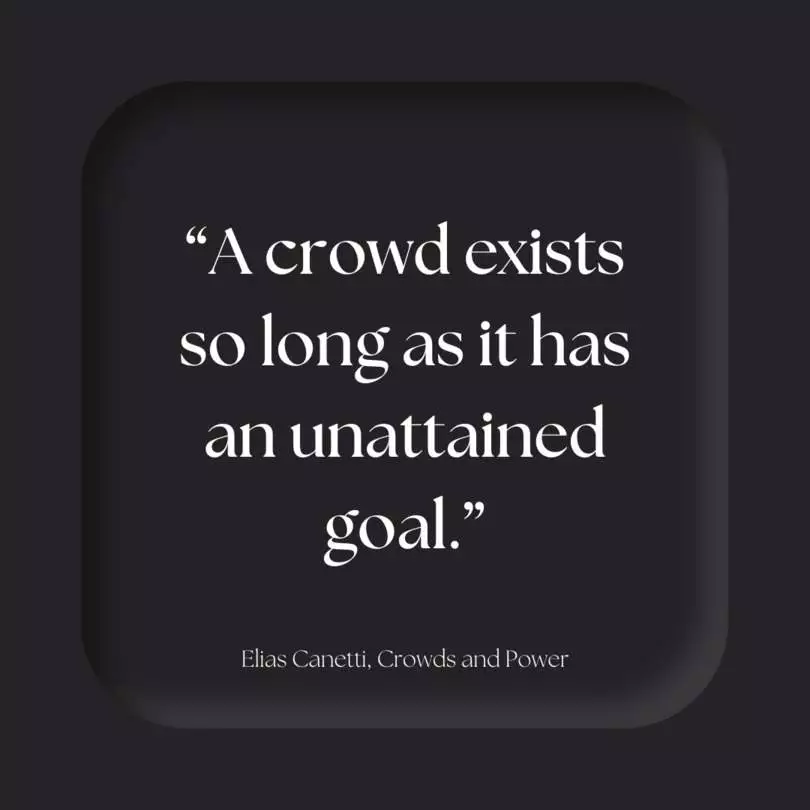
Major works and books by Elias Canetti in chronological order
- “Die Blendung” (Auto-da-Fé) (1935). The only novel of Elias Canetti, originally written in German. It’s a critique of society and explores themes of isolation, madness, and the destructive nature of knowledge.
- “Die Hochzeit” (The Wedding) (1932). A play that delves into the dynamics of human relationships and societal conventions.
- “Komödie der Eitelkeit” (Comedy of Vanity) (1934). A play that explores themes of mass psychology, vanity, and the human condition.
- “Masse und Macht” (Crowds and Power) (1960). A non-fiction book that analyzes the dynamics of crowds and power structures. This seminal work is considered a cornerstone of Canetti’s intellectual legacy. Offering deep insights into the nature of power and mass psychology.
- “Die Stimmen von Marrakesch” (The Voices of Marrakesh) (1967). A travelogue based on his observations and experiences during his visit to Marrakesh. He provides a vivid portrayal of the city and its people.
- “Der andere Prozess” (Kafka’s Other Trial) (1969). An essay on Franz Kafka’s letters to Felice Bauer, analyzing the relationship and its impact on Kafka’s work.
- “Das Gewissen der Worte” (The Conscience of Words) (1975). A collection of essays on literature, language, and culture.
- “Die gerettete Zunge” (The Tongue Set Free) (1977). The first volume of his autobiography, detailing his childhood and early life.
- “Die Fackel im Ohr” (The Torch in My Ear) (1980). The second volume of his autobiography, focusing on his intellectual development and personal relationships in Vienna and Berlin.
- “Das Augenspiel” (The Play of the Eyes) (1985). The third volume of his autobiography, covering his life in Vienna from 1931 to 1937.
Famous quotes by Elias Canetti
- “The process of writing has something infinite about it. Even though it is interrupted each night, it is one single notation.” This quote captures Canetti’s view on the continuity and endless nature of the writing process. Highlighting its infinite possibilities despite daily interruptions.
- “All things one has forgotten scream for help in dreams.” Here, the philosopher touches on the theme of memory and the unconscious. Suggesting that our dreams are a manifestation of forgotten or suppressed memories calling out for attention.
- “Books have a unique way of stopping time in a particular moment and saying: Let’s not forget this.” This quote reflects his belief in the power of literature to capture and preserve moments in time. Serving as a reminder of specific events, feelings, or thoughts.
- “One should not confuse the craving for life with endorsement of it.” A profound observation on the human condition, this quote distinguishes between the natural instinct to live and the approval of life’s circumstances. Suggesting a complex relationship with existence.
- “There is no such thing as an ugly language. Today I hear every language as if it were the only one, and when I hear of one that is dying, it overwhelms me as though it were the death of the earth.” Elias Canetti, with his multilingual background, expresses a deep appreciation for all languages. And a sense of loss over the disappearance of any language, emphasizing the beauty and uniqueness of linguistic diversity.
- “What one writes is meant for other people; what one reads is meant for oneself.” Highlighting the relationship between writer and reader, this quote delves into the intention behind writing as a form of communication and reading as a personal journey of discovery.
Trivia facts about Elias Canetti
- Multilingual Mastery: Born into a Sephardic Jewish family, Elias Canetti grew up speaking Ladino at home. Throughout his life, he became proficient in multiple languages, including English, German, and French, among others. His multilingual ability significantly influenced his writing and the depth of his literary works.
- Nobel Prize Winner: Elias Canetti was awarded the Nobel Prize in Literature in 1981. The Swedish Academy honored him for his writings marked by a broad outlook, a wealth of ideas, and artistic power. Notably, he was recognized for his insights into the nature of power and the individual’s role within masses. As explored in his magnum opus, “Crowd and Power.”
- A Single Novel: Despite his prolific writing career, the writer only published one full-length novel. “Auto-da-Fé” (“Die Blendung” in German), in 1935. The novel is a penetrating exploration of obsession, isolation, and the destructive power of human intellect. Showcasing his deep psychological insight and mastery of narrative.
- Academic Pursuits: Elias Canetti pursued a degree in chemistry at the University of Vienna, completing his doctorate in 1929. However, his passion for literature and philosophy ultimately led him away from a career in science. This scientific background, however, informed his analytical approach to literature and the themes of his work.
- Avoidance of Fame: Despite his significant literary achievements, the author was known for his aversion to fame and the public eye. He valued his privacy intensely and preferred to let his work speak for itself. Seldom giving interviews or making public appearances.
Conclusion: His Timeless Relevance
Elias Canetti’s literary and intellectual legacy continues to resonate, offering timeless insights into the human condition, power, and society. His works, characterized by their depth, insight, and literary excellence, ensure his place in the pantheon of literary greats. His influence extends beyond his own time, inspiring future generations. To explore the complexities of human nature and the structures that define our world.
Frequently Asked Questions about Elias Canetti
How did Elias Canetti’s early life influence his literary works?
His multicultural upbringing and exposure to diverse languages and cultures deeply influenced his thematic focus on power, identity, and society, enriching his narrative scope and depth.
What makes “Auto-da-Fé” a significant work?
“Auto-da-Fé” stands out for its incisive critique of human folly, obsession, and the destructive nature of intellectual isolation, showcasing Canetti’s mastery over narrative and thematic exploration.
How does his work contribute to understanding mass psychology?
Canetti’s exploration of themes such as power, crowd dynamics, and the individual versus society remains profoundly relevant, offering insights into contemporary political, social, and psychological phenomena.
What is the relevance of Canetti’s work in today’s world?
His analysis of crowd behavior, power structures, and the tension between individual and society remains relevant today. His insights offer valuable perspectives on phenomena like mob mentality, political dominance, and social conformity. Through his work, He provides a framework for understanding contemporary challenges and navigating the complexities of modern life.
How did his views on power and domination manifest in his writing?
His writings dissect the nature of power and its impact on individuals and societies, using narrative and analytical means to explore the mechanisms and effects of domination.
What legacy does Elias Canetti leave behind?
He leaves behind a rich legacy of literary and intellectual exploration, marked by his deep dives into the human psyche, societal structures, and the enduring quest for understanding and meaning.