Henderson the Rain King by Saul Bellow – A restless heart
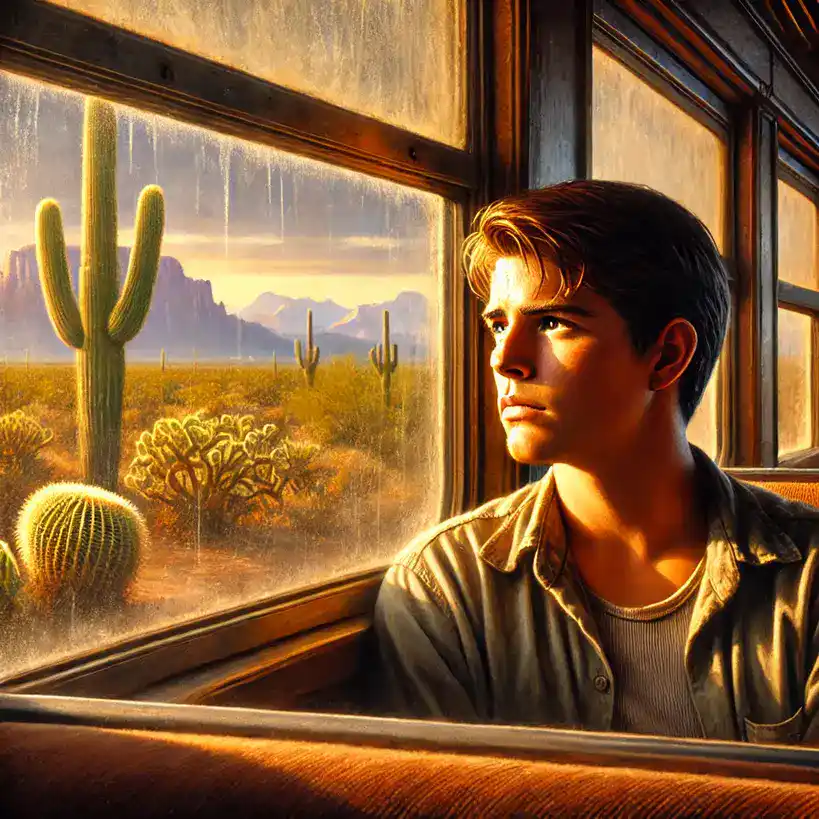
Eugene Henderson owns land, money, and noise. Yet he wakes hungry. He says, “I want, I want,” and the want grows louder. In Henderson the Rain King, this drum pushes him across an ocean. He breaks routines and he hunts for work that matters. He chooses sweat over polish. Hunger never sleeps.
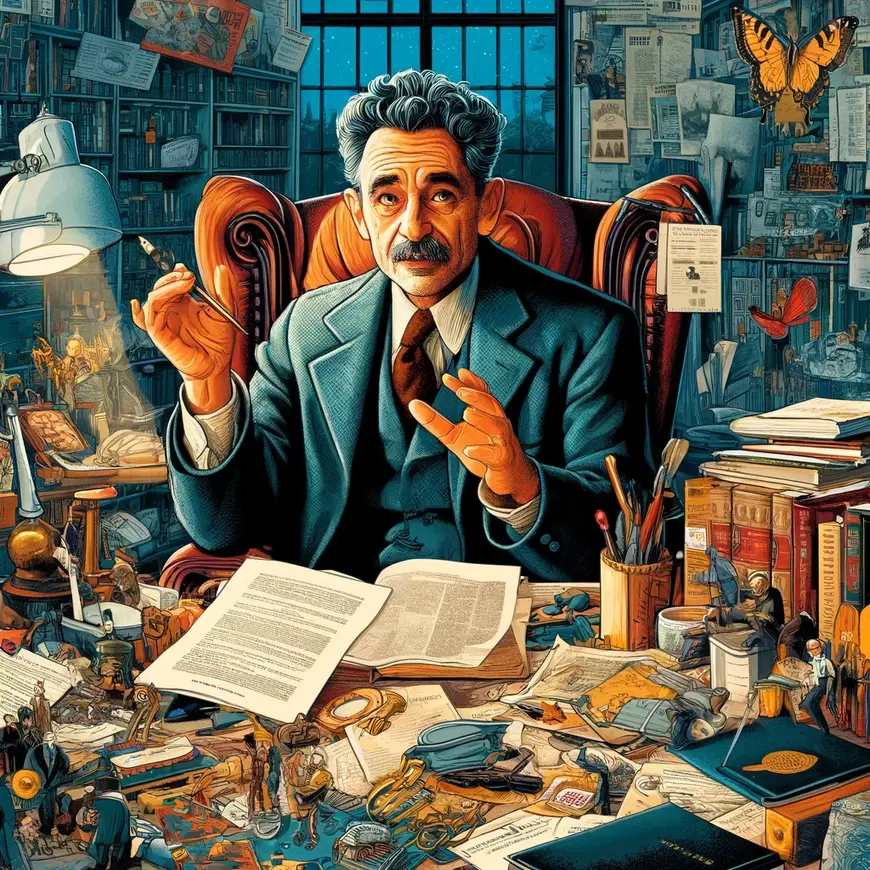
Saul Bellow writes Henderson as a mess and a marvel. He blunders and he apologizes. He tries again. Energy outruns despair. The voice crackles with jokes that hide hurt. He cannot stand comfort that dulls the senses and he needs friction. He needs tools in his hands. Failure teaches faster.
Guides shake heads, then guide anyway. Strangers stare, then smile. The protagonist moves too fast. He learns, then forgets, then learns again. He turns appetite into a compass. The author lets comedy and ache walk side by side. The scenes stay vivid. The pace stays hot.
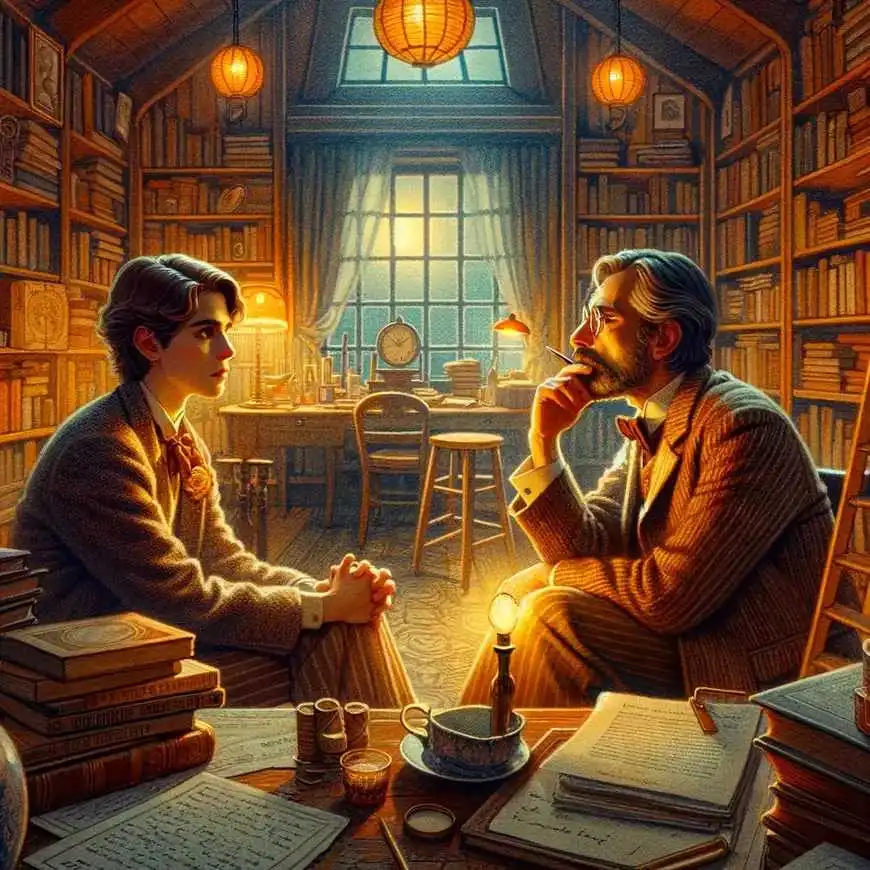
I read this opening as a dare. Sit still and desire turns into noise. Move and desire turns into search. The novel tests that promise. It treats joy as a skill, not a prize. It treats meaning as a practice, not a slogan. He leans forward and keeps moving. Want becomes will.
Thirst and the problem of power in Henderson the Rain King
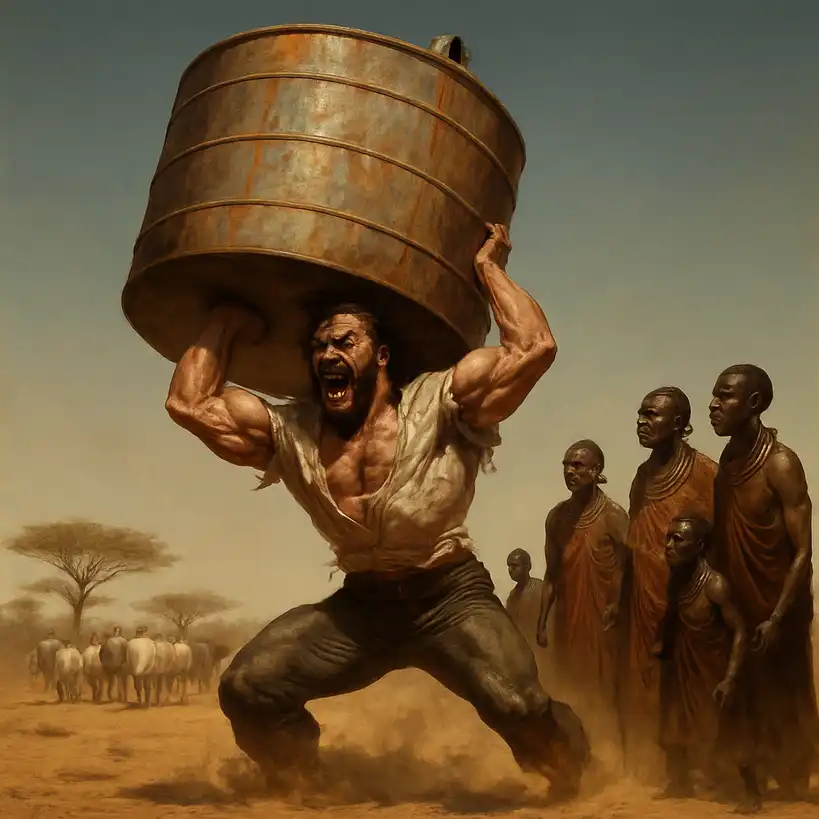
Henderson lands and reaches for levers he does not understand. He tries to help. He grabs too hard. People flinch. He steps back and watches. Good intent needs skill. He lifts and he breaks. He fixes what he can. Then he studies the rest.
Saul Bellow frames power as a tool, not a crown. The main character trades volume for attention. He watches people, not his echo. Listening changes everything. Heat and dust slow him down. Work with water turns him from noisy tourist into loud student. The land teaches. The people teach.
For sharp angles on power and crowds, see 👉 Animal Farm by George Orwell. That tale shows how control bends bodies and stories. Here, Henderson the Rain King keeps the focus on one body and one story, yet the lesson echoes. Power works cleanly when humility guides it. Pride blocks the well. Henderson steps back so water can rise.
He measures success by flow, not applause and he counts clear water and clear words. He stops buying quick fixes. So he learns to earn outcomes. The book shows how a loud heart can learn quiet methods. The shift feels small, then it changes everything. Method beats luck.
The voice that shouts and the soul that hears
Henderson the Rain King speaks in a rich, restless voice. Henderson argues with himself. He fills the air with big feelings. Then he pauses and hears a smaller sound inside. Noise meets conscience. That clash powers the book’s rhythm.
He talks to chiefs, healers, hunters, and his own ghosts while he tries to buy solutions. He learns to earn trust instead. Trust grows from presence. He stands in doorways and listens, so he watches hands and rituals. He names what he does not know. Respect breaks open rooms.
He writes him as bull and pilgrim. The prose runs hot and then cool. The swing keeps the pages bright. Henderson wants joy, not relief. He wants purpose, not novelty. That story turns that desire into work. Desire becomes duty. He learns to use strength as service.
I like the heat of this middle stretch. The jokes land. The lessons land too. The main person stops chasing himself and starts facing himself. He keeps the roar but loses the blur. He hears the world answer back. That answer steadies him. Presence replaces panic.
Trials, teachers, and the work of becoming in Henderson the Rain King
The road brings teachers. Some laugh at Henderson and some forgive him. Some push him hard. He solves small problems by watching first. Observation beats impulse. He swaps force for patience. He swaps talk for labor. The change sticks because the work demands it.
The world answers in kind. People share skills. They show tools. They open customs and explain why they hold. He asks better questions. Curiosity earns doors. He changes because he builds and fails in front of witnesses. The road makes him honest.
The novelist links comedy with growth. A gag lands and then points to a lesson. Pain arrives and then opens a view. For another lens on late-season longing and the quiet pull of change, see 👉 Dream of Autumn by Jon Fosse. That play whispers while Bellow shouts, yet both ask the same question: what shape does desire take when it matures.
Henderson the Rain King keeps him moving until the inner voice turns clear. The want no longer rules him. The want now listens. He still reaches, but he reaches with care. The shift feels earned, not granted. Practice becomes meaning.

Fear, courage, and the edge of joy
Henderson fears death, waste, and dullness. He fears a life that never answers him back. So he risks health and ease to hear that answer. Risk sharpens vision. He climbs, hauls, and sweats while he tries and breaks things, then tries again with care.
He learns courage as a set of small moves. So he breathes, asks, waits, and then acts. He stops chasing shortcuts, instead he starts building methods. Method beats noise. The writer shows courage as craft, not surge. Henderson learns pace, form, and aim.
Joy arrives as a byproduct of work. It lives in clear water, steady ties, and true words. This novel treats joy as practice. Joy follows service. Henderson earns his answers one careful day at a time. He thanks pain for the lesson and then moves on.
I like the way he keeps the grin even when scenes turn rough. The jokes do not hide harm. They give breath so the lesson can land. Henderson wants a crown. The book hands him tools. He uses them, and the world answers. Work makes meaning.
Companions, mirrors, and the record we keep in Henderson the Rain King
No one grows alone here. Companions reflect Henderson back to himself. They correct him, tease him, and trust him when he stops faking. Friends steady the climb. He gives help and takes help. That exchange builds a new spine.
Art and record keep the change alive. The protagonist writes, sketches, and remembers. He holds scenes in words so they can teach him twice. Memory builds character. Saul Bellow respects the ledger of experience and the choices that follow failure.
For a cold, present-day lens on fear, control, and moral trade, see 👉 Empty Hearts by Juli Zeh. For a sharp look at want and liberty in a loud modern register, see 👉 Freedom by Jonathan Franzen. Those mirrors stay secondary. The core remains his shift from appetite to service.
This writing closes this stretch with quiet clarity. The voice still shouts, but the hands now work. The inner drum now sets pace, not panic. The man who wanted everything now wants the right things. Aim replaces chaos.
The crown you earn when you stop chasing it
Henderson wants a title, a sign, a reason to stop running. He wants to crown himself with purpose. The book gives him a different crown. Service wears better. He helps because help fits, not because help flatters. The fit holds when no one claps.
He shifts the measure of success and he counts wells, words, and ties. He counts the weight he stops placing on other people. Humility clears the path. He steps aside so the work can live after he leaves. He leaves room for other hands.
The language keeps a smile while it faces pain. Jokes arc and land. Lessons land too. Henderson the Rain King ends its chase not with a trophy, but with a practice that keeps paying out. For a counter-vision of escape and redesign, see 👉 Island by Aldous Huxley. That novel dreams a new world; Bellow builds a new man. Henderson now says, “I will,” and he means it. The will guides the want. The heart learns its song and holds the note. Will guides want.
Sharpened Quotes from Henderson the Rain King by Saul Bellow
- “I want, I want.” This line drives the whole book. The want shouts. The want drags Henderson across oceans and into heat. The want forces change.
- “Life gives answers only when you do work.” The story links action to meaning. He stops buying fixes. He earns outcomes. He learns by doing.
- “Joy arrives when the heart turns outward.” Saul Bellow ties delight to service. The work with water and with trust makes joy possible. The line fits every late chapter.
- “Humility clears a path for love.” The protagonist slows down and listens. Friends guide him. He leaves room for other voices. That room becomes love.
- “Failure teaches faster than comfort.” The book lets mistakes teach. He breaks, then repairs, then stays present. The lesson sticks.
- “Presence replaces panic.” In Henderson the Rain King, this shift marks the true victory. The main character stands, breathes, and serves, and the heart calms.
Field Notes and Trivia from Henderson the Rain King
- A novel of restless appetite: Henderson the Rain King sprang from his interest in desire that outgrows comfort. He wrote a hero who shouts want and then learns how to aim it. Readers still use the book as a map for midlife reinvention.
- Travel and reinvention: Saul Bellow drew on his own trips and on reports from friends who lived abroad. The book treats travel as study, not as spectacle. Henderson the Rain King anchors growth in craft and ties, not in souvenirs.
- Power, crowds, control: For a companion on power’s strange currents, see 👉 Italian Journey by Johann Wolfgang von Goethe, which records how travel and keen attention sharpen judgment in new places.
- Other voices, other rooms: For a counterpoint on voice and self-invention, see 👉 Other Voices, Other Rooms by Truman Capote, which explores identity formation through a young lens and a charged setting.
- On Bellow’s craft: Scholars still analyze the novel’s comic speed and moral weight.
- Maps of memory: For archives that chart postwar literary travel and notebooks, explore 🌐 The University of Chicago Library Special Collections, which preserves the author materials and related holdings. The book lives inside that broader record of making and revising.
What the wild teaches us
The land teaches scale. Sky shrinks ego. Heat tests resolve. Work with earth and water teaches cost. Nature humbles noise. He learns to match his claims to his effort. The people teach pace. Rites slow him so he can hear. A story protects a scared mind. A custom protects a scarce resource. Respect unlocks insight. He enters rooms with care and leaves with friends. He stops grabbing and starts tending.
Bellow gives us change that feels earned. He turns present. He shows up where work needs hands and where truth needs a voice. Henderson the Rain King makes that shift feel large because it touches every part of his life. Presence replaces panic. The want quiets. The man stands.
I close this chapter and feel lighter. The prose laughs and thinks. The hero still blunders, but now he learns in place. He loves the answer because he serves the answer. That service holds. That service travels. Service sustains joy.
By the end, Henderson still wants, but the want no longer rules him. He knows how to aim it. He knows how to share it. Desire finds direction. He leaves louder joy for steadier joy. He chooses ties that last.
The writer closes with a grin and a nod. He thanks the mess for teaching the method. He thanks the risk for teaching the art. Henderson the Rain King keeps the drums beating, but now the rhythm guides, not drives. Heart learns its song.
He does not chase a perfect self and he chooses a useful self. He picks up tools while he stands where people need him. And he makes the work lighter for the next set of hands. I leave the book and feel ready to work.