If Only It Were True by Marc Levy turns loss into second chance
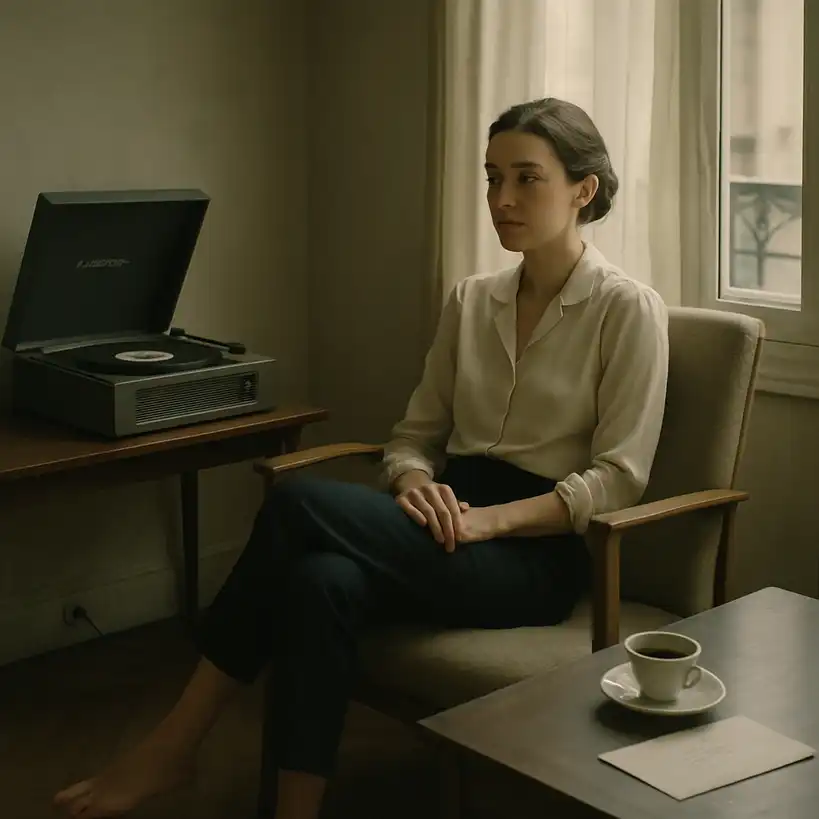
A quiet apartment meets a louder absence. Consequently, If Only It Were True starts with grief shaped like furniture, errands, and late-night doubts. Because a hidden presence begins to speak, ordinary life becomes the stage for extraordinary care. I liked how the novel keeps the city busy while the room slows. Moreover, body versus belief runs through every scene: science sets limits; feeling argues back with proof built from patience, not spectacle.
Marc Levy anchors wonder in routine. Although the premise invites noise, small kindnesses carry the weight. A glass of water, a borrowed sweater, and a list on the counter become evidence of love. Therefore this work treats attention as method rather than magic. By contrast, easy miracles would replace work with wishful thinking. The book chooses errands that matter and conversations that learn.
Doubt never vanishes; it learns better questions. In fact, the pages show how honesty repairs fear faster than denial. Meanwhile, the voice in the room refuses to be a trick; consequently, consent and care become the real test. I noticed how second-chance romance grows only when risk is shared and boundaries hold. Finally, the novel builds hope with tools the living actually own: time, listening, and courage that arrives before certainty.

Belief, care, and risk in If Only It Were True
Belief changes after it does the dishes. Therefore If Only It Were True ties faith to tasks: drive, wait, call, and show up again. Because bodies keep the clock, care as proof replaces speeches. Moreover, the novel links devotion to duration, not noise. For a companion on love that survives time’s friction, see 👉 Love in the Time of Cholera by Gabriel Garcia Marquez, where waiting tests tenderness without turning it into myth.
Proof arrives through action. Although doubt speaks first, risk with accountability turns feeling into fact. A promise holds only if it protects the person it praises; consequently, mercy with limits keeps romance from using harm as evidence. I liked how Levy measures every leap against recovery, work, and sleep. By contrast, a thrill without aftermath would betray the living.
Language keeps the pace humane. Sentences stay clear, and humor vents pressure without cruelty. Meanwhile, presence without possession guides the pair toward choices that can survive daylight. The novel treats the supernatural as a lens for ethics rather than a shortcut. Finally, the chapter’s wager lands: love can trust what one heart sees, provided the other heart remains free to say no.
City, pacing, and the logistics of hope
Streets keep time while the heart relearns it. Consequently, If Only It Were True sets grief inside traffic, shifts, and doorbells. Because errands never stop, city as caretaker emerges from cabs, keys, and stairs. Moreover, the presence asks for patience rather than thunder, so tender logistics carry weight that fantasy cannot. I watched small plans grow into protection, and the apartment turn into a clinic for courage.
Humor lets the air move. Although pain stays close, jokes deflate panic; therefore humor as valve prevents drama from using people as props. The room listens first, then decides. Meanwhile, the city answers by offering routes, rooms, and late-night shops. As a result, the book keeps wonder accountable to sidewalks and schedules, not to spectacle.
Trust builds by inches. In fact, favors earn returns only when boundaries stay clear; consequently, earned vulnerability replaces showy sacrifice. A list on the counter proves care more cleanly than a speech. By contrast, shortcuts would break what kindness tries to mend. Finally, this writing treats hope as work that repeats, because repetition turns a feeling into a life that two people can actually live.
Memory, desire, and the quiet register of risk
Desire arrives with history attached. Therefore If Only It Were True measures attraction against scars, routines, and sleep. Because memory edits every glance, memory as heat warms scenes without burning them. Moreover, intimacy learns to move softly, and voice at whisper becomes the tone that keeps consent vivid. The book prefers daylight to dazzle, so secrets shrink when honesty stands up.
Comparisons clarify the risk. I place this hush beside 👉 The Lover by Marguerite Duras, where recollection and touch braid into a life-long meter. By contrast, the story anchors feeling in errands and care, not in legend. Consequently, privacy with stakes remains visible, since neighbors and nurses keep time even when hearts try to skip it.
Choice sustains tenderness. Although longing presses, the pair respects limits; therefore desire under discipline protects recovery as well as romance. The room tests every vow against tomorrow morning’s needs.The work by Marc Levy turns yearning into practice: show up, listen, and revise. Finally, the chapter proves that love grows stronger when the quiet parts hold, because quiet is where a second chance actually breathes.
Science, consent, and the ethics of intervention
Hospitals draw lines so help won’t harm. Consequently, If Only It Were True treats every act as a choice that must answer a rule. Because scans cannot read longing, informed risk replaces reckless faith. Moreover, caregivers translate feeling into consent in practice: clear questions, recorded answers, and witnesses who can confirm what was chosen. Therefore the novel keeps miracle sized to the body that must survive it.
Paperwork is not the enemy; it is a safeguard. Although forms feel cold, daylight procedures protect the person at the center. In fact, the page links devotion to habit: show up on time, sign what matters, and rest when the body requests it. Meanwhile, humor ventilates fear without denying pain, so accountable help never slides into pressure. As a result, trust grows by repetition rather than by drama.
Belief still works, yet it learns to count. Because recovery arrives in hours, If Only It Were True ties hope to intervals the living can bear. Furthermore, friends and clinicians set guardrails, and love accepts them. By contrast, grand gestures would steal tomorrow’s strength to pay for tonight’s thrill. Finally, the chapter argues for care that lasts tomorrow: acts you could explain in public, defend under questions, and repeat without regret.
Haunting, grief, and what stays
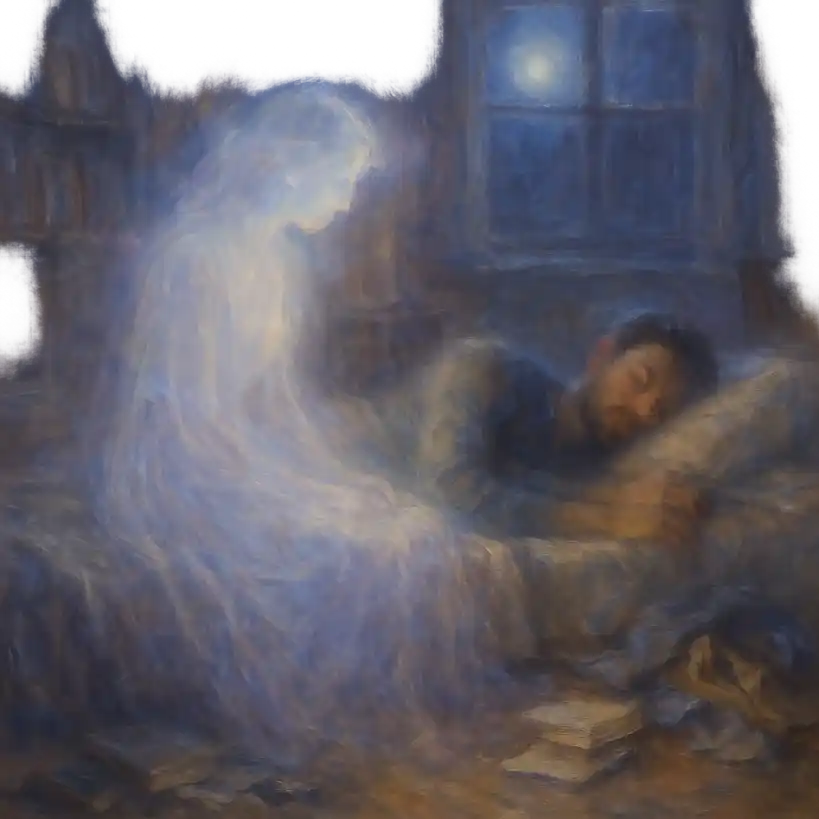
Loss writes the first script; love edits it line by line. Therefore If Only It Were True reframes the “ghost” as attention that refuses to injure. Because memory keeps circling back, sorrow with edges prevents sentiment from flooding the room. Moreover, small rites—fresh water, folded clothes, quiet music—become rituals that heal, not theatrics that demand more pain. Consequently, the city’s errands keep everyone honest about time.
Comparison clarifies the ethic of release. I set this gentler haunting beside 👉 Of Love and Shadows by Isabel Allende, where danger teaches why tenderness must protect agency. By contrast, the book keeps its register hushed and domestic, so choices can hold in morning light. Meanwhile, the presence learns to stay near without taking over, and tender exits begin to feel possible.
What remains is a method for going on. Although fear whispers, listening answers first; therefore promise follows only after rest, food, and consent. Furthermore, gratitude replaces proof-seeking, since love stops turning pain into evidence. As a result, If Only It Were True closes the gap between worlds with permission to go on: help, then step back; stay, then let the living lead. Finally, the title repeats just enough, to remind the room that hope counts when it feeds tomorrow, not when it empties it.
Friendship, humor, and the social fabric that keeps people upright
Grief feels lighter when more hands lift. Consequently, this novel treats friends as care as infrastructure, not background. Because errands keep coming, favors circulate, and neighbors as witnesses make promises sturdier. Moreover, jokes arrive on time; therefore humor as relief valve vents panic without erasing pain. I noticed how attention divides into shifts so no one burns out while hope warms slowly.
Help stays ethical only when it listens. Although enthusiasm runs high, boundaries with kindness prevent pressure from wearing a halo. A ride is offered, yet privacy stands; a couch is open, yet sleep wins arguments. As a result, If Only It Were True joins love to logistics: call, confirm, and adjust. The presence in the room honors that cadence, and the city echoes it with doors that open late and lights that stay soft.
Community also teaches scale. Because people vary in strength, tasks match bodies, not wishes. Furthermore, small mercies—notes, tea, warm food—outlast speeches; consequently, The book proves that ordinary heroism is repeatable. The chapter keeps counting costs and returns, so friendship becomes ledger and lilt at once. Finally, belief turns durable because more than two shoulders carry it, and the day ends with gratitude that can survive tomorrow.
Quietly Hopeful Quotes from If Only It Were True by Marc Levy
- “I learned to listen to what I could not see.” Listening becomes care; consequently, the novel turns attention into proof that kindness outworks doubt in If Only It Were True.
- “You held the room steady while the world moved.” Love acts like ballast; therefore routine and presence keep courage alive when fear tries to hurry.
- “Miracles look like errands when you do them right.” The story prizes small acts; moreover, grocery lists and rides home become the grammar of mercy in this novel.
- “I wanted thunder; you brought a chair and time.” Desire asks for spectacle; however, the book rewards patience that protects recovery rather than drama that spends it.
- “Hope is a promise you can keep in daylight.” The line ties belief to accountability; consequently, the characters choose acts they can explain tomorrow in this book.
- “Some rooms heal because people agree to be gentle there.” Space becomes practice; therefore boundaries and humor guard tenderness so help never turns into pressure.
- “I will not ask your pain to prove my love.” Consent leads every risk; moreover, the novel measures each choice against the person who must live with it.
- “What we save, we save quietly.” The ending favors calm courage; consequently, second chances hold because care arrives on time, not on cue, in this work.
Context-Rich Trivia from If Only It Were True by Marc Levy
- Second-chance setup: The novel frames a coma as a moral test; consequently, this book ties belief to tasks, witnesses, and consent rather than spectacle.
- City as caretaker: Because errands never stop, the story grounds hope in routes, doors, and shifts, so the work shows how logistics can protect tenderness.
- Quiet register: Humor relieves pressure without cruelty; moreover, If Only It Were True prefers small mercies—tea, notes, clean rooms—over grand gestures that cost tomorrow.
- Ethics before thrill: Decisions answer to recovery and proof; therefore this work links love to boundaries that keep help from turning into pressure.
- Ghosts with manners: For a playful counterpoint on hauntings that learn courtesy, compare 👉 The Canterville Ghost by Oscar Wilde.
- Love under risk: Because devotion must survive public scrutiny, the book pairs feeling with accountability; likewise, see 👉 Of Love and Other Demons by Gabriel Garcia Marquez.
- Clinician’s view: For practical guidance on diagnosing disorders of consciousness, consult 🌐 aapm&r — Disorders of Consciousness.
- Presence without possession: Because consent guides every risk, If Only It Were True treats “being there” as listening first, then acting with proof.
- Account, not decree: Finally, the title reads like a promise under audit; consequently, hope earns trust only when choices can be defended in daylight.
Decision, danger, and choosing the morning after
Crises compress time, yet the novel refuses frenzy. Therefore If Only It Were True insists on decision in daylight, even when risks crowd the hall. Because love could overreach, consent must travel with every plan; moreover, risk with accountability measures each move against recovery. The room agrees to acts it can defend later, and the city offers routes that protect rather than dazzle.
Protection needs a principle, not a rush. Although a bold shortcut tempts, mercy with limits guards the person at the center. Friends take posts, phones stay charged, and witnesses stand by. For a resonance where affection faces power and fear, consider 👉 Of Love and Shadows by Isabel Allende; by contrast, the book keeps its battle domestic and tender. Consequently, quiet courage replaces spectacle and leaves strength for dawn.
Aftermath decides if a choice was love. Because bodies must wake and work, outcomes matter more than applause. Furthermore, the chapter lets gratitude speak before triumph, so the title sounds like hope that learned math. Finally, safety returns because people honored rules while they cared, and the pair can step into morning with help that heals rather than help that merely thrills.
More Reviews of French Literature