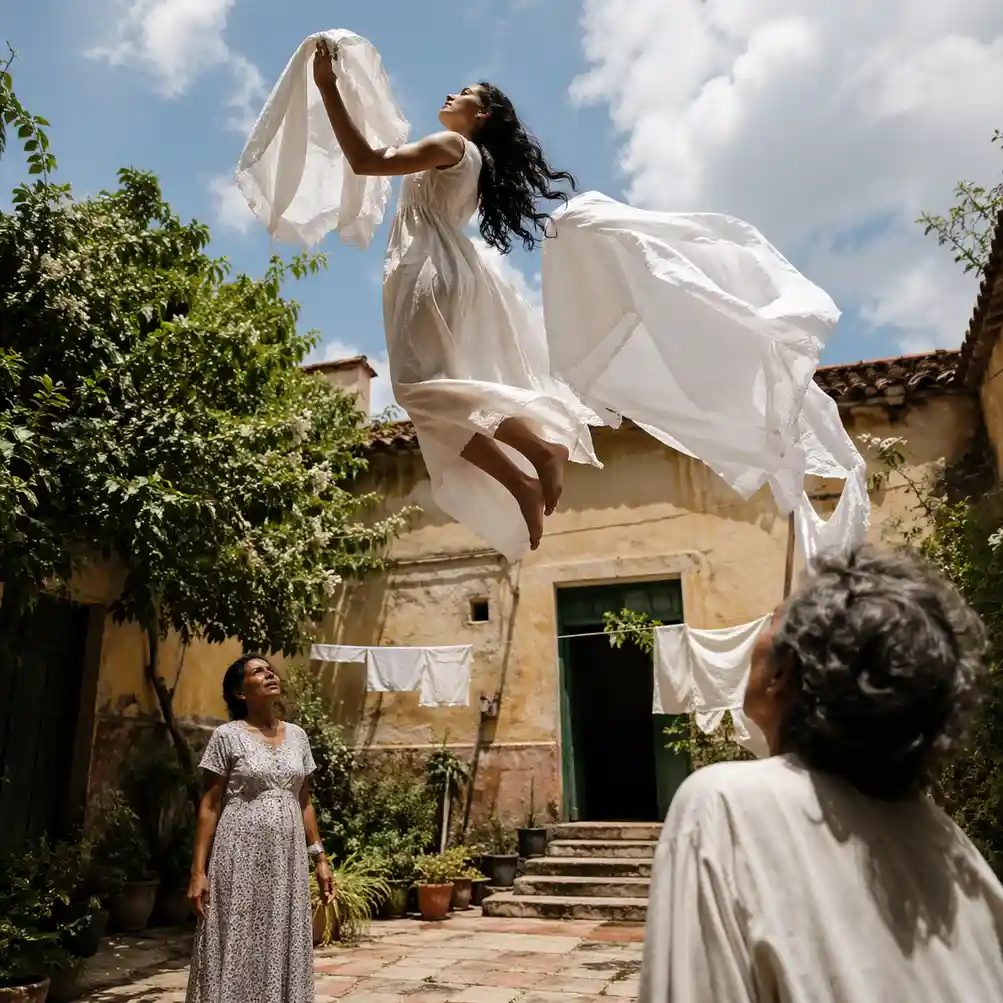
Love in the Time of Cholera
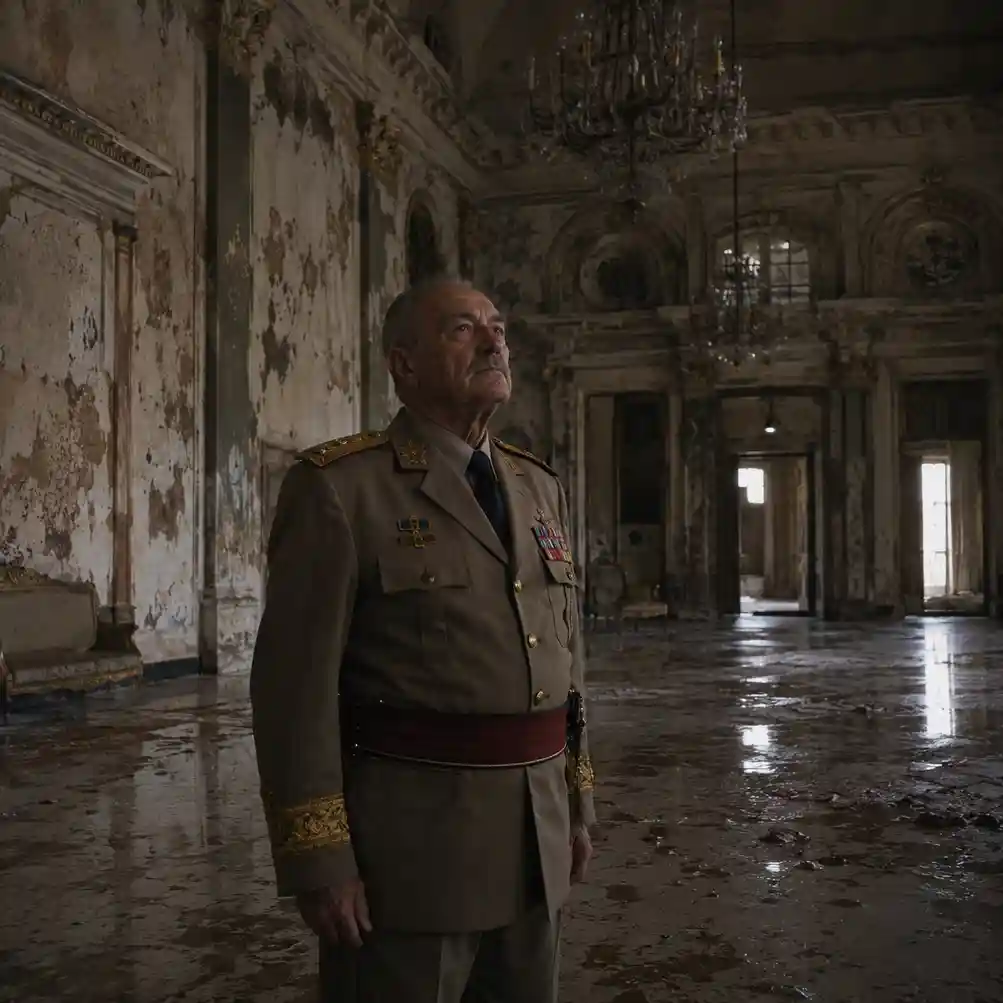
Love in the Time of Cholera begins not with young lovers, but with death, age and return. Dr. Juvenal Urbino dies, Fermina Daza becomes a widow, and Florentino Ariza steps forward with a declaration he has preserved for more than fifty years. The romantic gesture is grand, but Gabriel García Márquez does not let it remain simple.
This opening changes the whole shape of the novel. The question is not whether first love can survive. The harder question is what first love becomes after marriage, bodies, letters, affairs, illnesses, routines and disappointments have passed through it.
Florentino believes he has remained faithful to Fermina. Yet his version of faithfulness is strange, theatrical and morally tangled. Fermina does not simply wait inside his dream. She lives a life beyond it. Urbino is not merely an obstacle. He gives her another form of love, built from respect, irritation, status, habit and shared years.
The novel begins where romance usually ends. That is its brilliance. The author turns love into something unstable: memory, disease, discipline, vanity, tenderness and fantasy at once.
The result is seductive, but never innocent. This is a book about longing, yet it asks whether longing can become so loyal to itself that it stops seeing the person it claims to love.
Florentino Ariza and the comedy of devotion
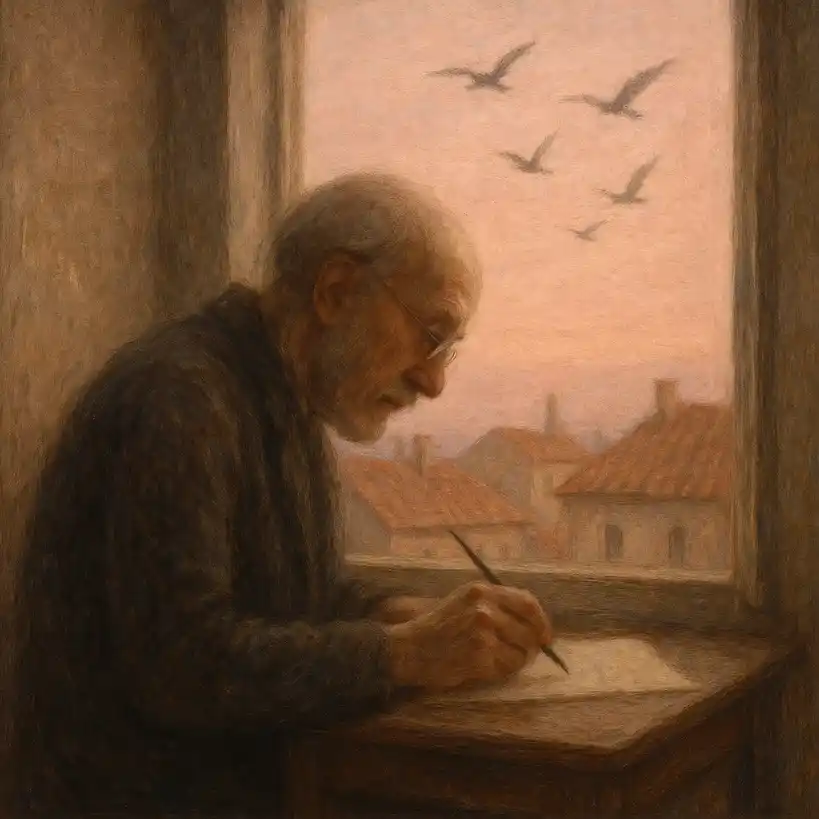
Florentino Ariza is one of García Márquez’s most fascinating inventions because he is both moving and absurd. As a young man, he suffers love like an illness. He writes letters, waits, trembles, idealizes and transforms Fermina into the center of his life. His sincerity is real. So is his exaggeration.
After Fermina rejects him and marries Urbino, Florentino does not abandon the story he has built around her. He expands it. He rises in business, cultivates his image as a patient lover and records his erotic life with obsessive care. His many affairs do not feel like contradictions to him. In his mind, the altar of Fermina remains untouched.
This is where the novel becomes uncomfortable. Florentino’s devotion is poetic, but also self-serving. He loves Fermina, yet he often loves the idea of being the man who has loved her longest. His fidelity becomes a performance for himself.
García Márquez makes obsession sound lyrical without making it pure. The comedy matters. Florentino can be ridiculous, touching, alarming and magnificent in the same chapter.
For that mixture of sensuality, humor and complicated desire, 👉 Dona Flor and Her Two Husbands by Jorge Amado makes a lively companion. Amado’s tone is different, but both novels understand that love is rarely tidy when the body, memory and social life all speak at once.
Fermina Daza and the rejection of first love
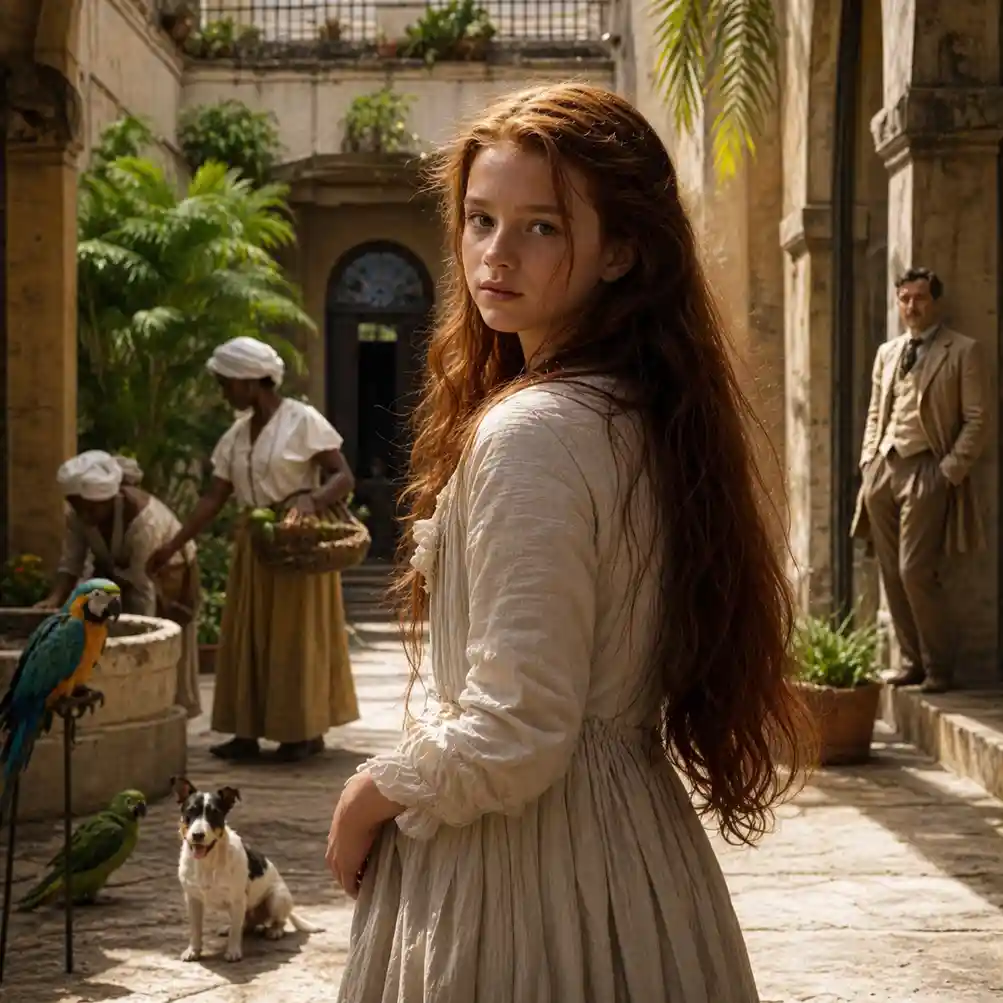
Fermina Daza is often treated as the object of Florentino’s devotion, but the novel is strongest when we resist that simplification. She is not merely the woman he waits for. She is the person who once looks at him clearly and decides that their youthful passion was partly illusion.
That moment of rejection is crucial. Fermina does not betray romance. She outgrows one version of it. Her decision to marry Juvenal Urbino is not reducible to cold ambition or social convenience. It brings her into a different world, one of household order, public respect, irritation, comfort, pride and long accommodation.
Her life with Urbino does not erase desire. It changes its grammar. Marriage becomes less a blaze than a weather system. It includes tenderness, arguments, vanity, illness, habit and gestures that accumulate meaning because they are repeated for decades. Fermina’s strength lies in her refusal to remain someone else’s memory. She keeps changing, while Florentino preserves his younger wound like a sacred object.
This is why the late return of Florentino is so delicate. He is not simply reclaiming a lost love. He is approaching a woman who has lived an entire life beyond his imagination. The novel’s maturity lies in that distance.

Marriage as irritation, dignity and daily theatre
Juvenal Urbino could easily have been written as the dull husband who delays the true romance. The writer gives him more weight than that. Urbino represents order, medicine, public prestige, hygiene, class confidence and civic discipline. He belongs to a social world that trusts manners, institutions and reputation.
His marriage to Fermina is not a fairy tale, but it is not empty. It contains affection and exasperation. It survives through rituals, quarrels, reconciliations and shared aging. The domestic details matter because they show a kind of love that Florentino’s long-distance worship cannot fully understand.
The parrot incident near Urbino’s death is almost comic in its absurdity, yet it also feels right for the novel. Human grandeur falls through ordinary accident. A respected man ends not in heroic clarity, but in the strange fragility of age. Marriage in this novel is not the enemy of love. It is one of love’s most difficult forms.
That social and domestic angle gives 👉 Buddenbrooks by Thomas Mann a natural place here. Mann’s family world is colder and more bourgeois, but both books show how marriage, status, routine and time shape private feeling more powerfully than romantic fantasy wants to admit. Urbino’s presence keeps the novel honest. Without him, Florentino’s love might look purer. With him, it must compete with a lived life.
Time as the real illness
The title places love beside cholera, and the connection is deliberately unstable. Love can resemble fever, contagion, weakness, trembling and delirium. But time may be the deeper illness in the novel. It changes bodies, rearranges memories and turns youthful certainty into something almost unrecognizable.
Florentino wants to believe that his feeling has remained intact. THe novelist lets us see how complicated that claim is. Waiting can preserve love, but it can also preserve vanity. Memory can honor the past, but it can also falsify it. Desire can endure, but the body that carries it changes.
Old age gives the novel its most unusual tenderness. Late love is not presented as a sentimental miracle. It comes with stiffness, fear, mortality, embarrassment and the knowledge that there is little time left. This makes it more fragile than youthful passion, but also less theatrical in certain moments.
The lovers do not defeat time. They enter it differently. That distinction matters. The novel is not about returning to youth. It is about discovering whether desire can survive after the myths of youth have fallen away.
In this sense, 👉 To the Lighthouse by Virginia Woolf offers a quiet echo. Woolf also writes about time as a force that alters love, marriage, perception and memory. He is more expansive and sensual, but both writers know that feeling changes when years pass through it.
The city, the river and the performance of society
The world of Love in the Time of Cholera is intensely social. Letters, visits, public reputation, family pressure, class position, medical prestige and gossip all shape the lives of the characters. Love does not happen in private purity. It moves through rooms, streets, ships, offices and rituals of respectability.
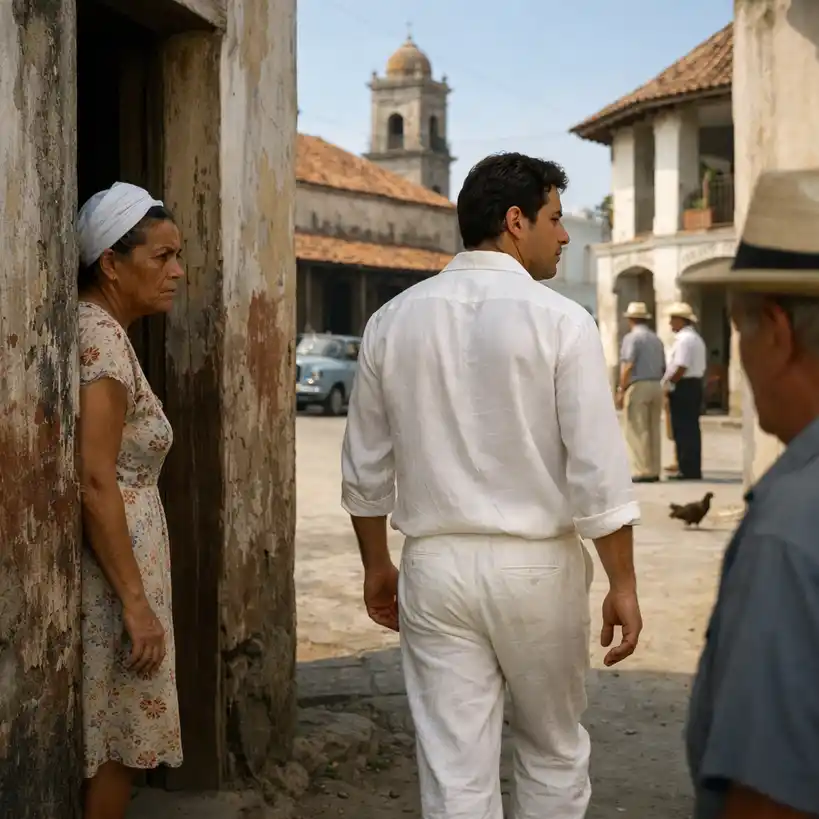
The Caribbean setting gives the novel color and heat, but it is not just atmosphere. It is a theatre of roles. Fermina must be seen correctly. Urbino must embody civic authority. Florentino learns how to rise in the river company and transform waiting into a life strategy. Even passion needs infrastructure: letters, messengers, telegraphs, boats, schedules and excuses.
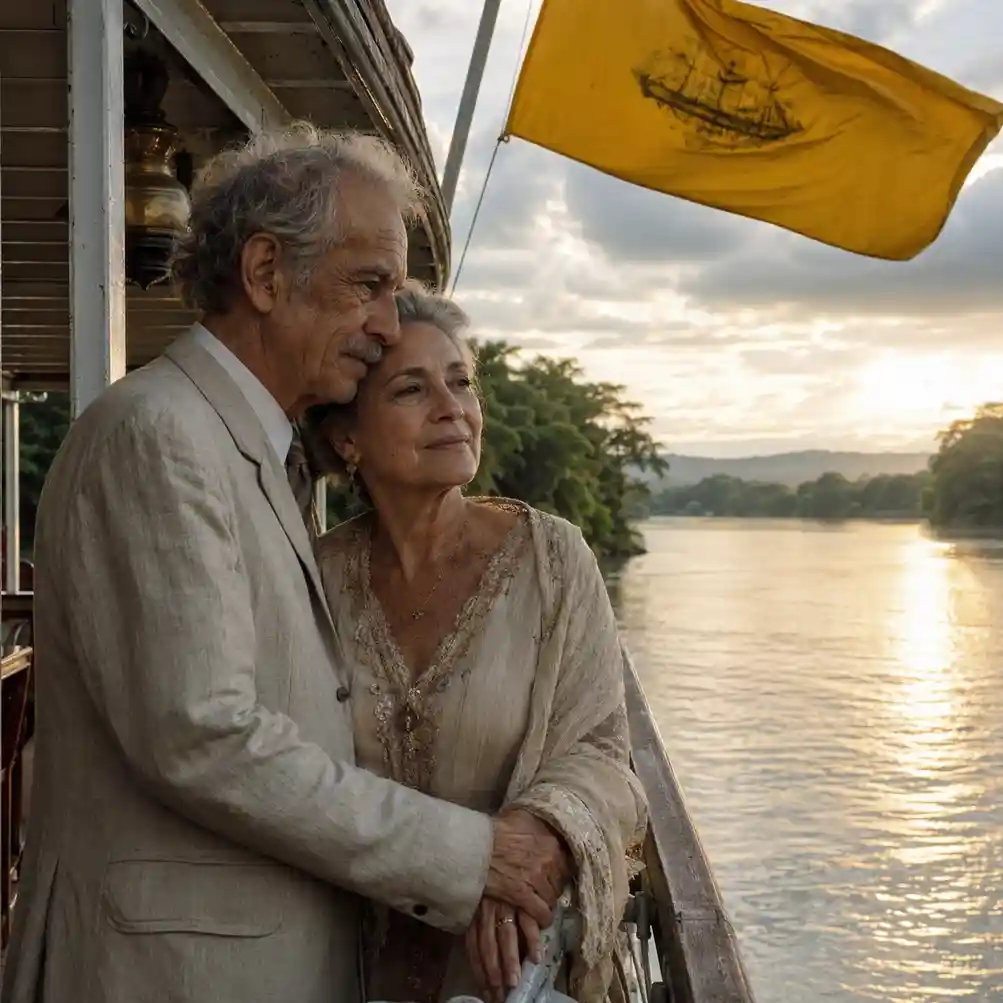
The river journey near the end changes the emotional scale. On water, social life loosens. The lovers enter a suspended space, neither fully inside society nor fully outside it. The yellow cholera flag becomes ambiguous, both deception and protection. The river gives them a temporary country of their own. Yet even that freedom depends on performance. They escape the world by using one of its signs.
This is why the novel’s romance always remains worldly. The writer understands that love may dream of privacy, but it usually travels through society’s languages, disguises and permissions.
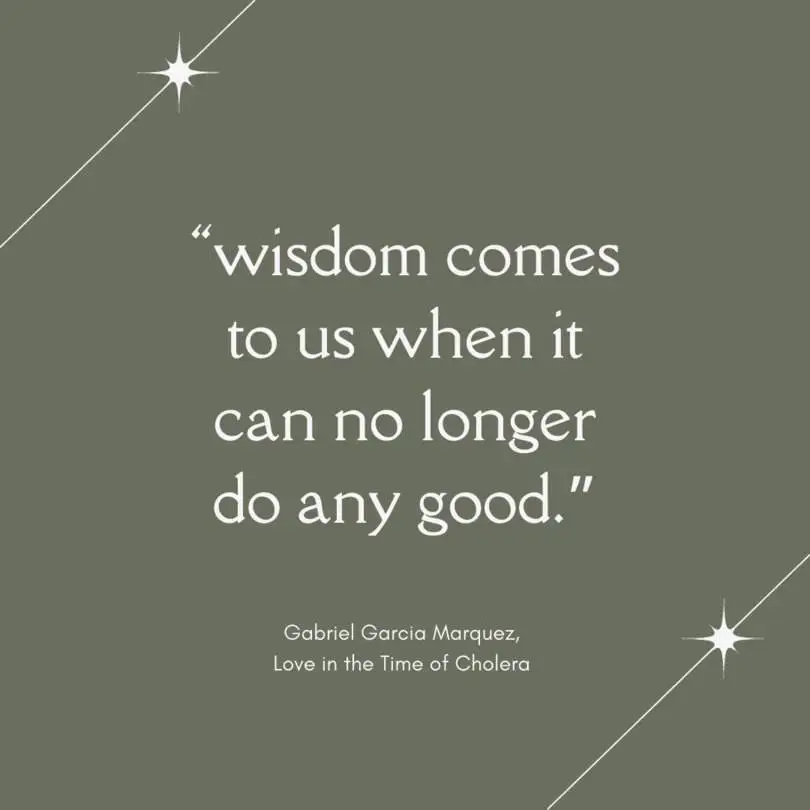
Famous Quotes from Love in the Time of Cholera
- “He allowed himself to be swayed by his conviction that human beings are not born once and for all on the day their mothers give birth to them, but that life obliges them over and over again to give birth to themselves.” This quote reflects the novel’s theme of rebirth and transformation. It suggests that people continually evolve throughout their lives, shaped by their experiences and decisions. This idea is central to the characters’ development, especially in the context of their relationships and how they perceive love.
- “He was still too young to know that the heart’s memory eliminates the bad and magnifies the good, and that thanks to this artifice we manage to endure the burden of the past.” The writer touches on the selective nature of memory and its role in our capacity to continue living with our pasts. This quote speaks to the novel’s exploration of memory and nostalgia, and how these aspects color characters’ perceptions of love and loss.
- “Nothing in this world was more difficult than love.” This succinct statement captures the novel’s central premise: the complexities and challenges of love. Throughout the story, characters experience love in various forms, each with its own difficulties, underscoring the idea that love is a powerful, often uncontrollable force in human life.
- “Age isn’t how old you are but how old you feel.” This quote is a reflection on aging, a significant theme in the novel. It suggests that subjective experience of age is more important than chronological age, emphasizing the novel’s exploration of youthfulness, vitality, and the enduring nature of love, regardless of one’s physical age.
Trivia Facts about Love in the Time of Cholera
- A Long Gestation Period: He conceived the idea for Love in the Time of Cholera as early as the 1940s but did not publish the novel until 1985. He mentioned in interviews that he felt he needed to mature as a writer before he could tackle the complex themes of love and aging depicted in the novel.
- Real Cholera Epidemics: While cholera serves as a backdrop and metaphor in the novel, it was also a real concern during his lifetime, particularly in the Caribbean region. The disease’s presence in the novel highlights themes of love, death, and the passage of time, serving as a constant reminder of the characters’ mortality.
- Nobel Prize Winner: The novelist was awarded the Nobel Prize in Literature in 1982, three years before Love in the Time of Cholera was published. The Nobel Committee highlighted his novels and short stories, “in which the fantastic and the realistic are combined in a richly composed world of imagination,” reflecting the style that would come to define the novel.
- Adaptation to Film: The novel was adapted into a film in 2007, directed by Mike Newell and starring Javier Bardem as Florentino Ariza. While the film brought the novel’s story to a wider audience, it received mixed reviews from critics, many of whom felt it could not fully capture the depth and nuances of his work.
- Love Letters: The young Florentino Ariza writes love letters for other couples in the novel, a job the author himself once held. This detail adds a layer of authenticity to Florentino’s character as a poet and a romantic, deeply in love with Fermina Daza.
A lush style with a bitter aftertaste
García Márquez’s style in Love in the Time of Cholera is lush, patient and ironic. He can make a sentence swell with perfume, illness, memory and desire, then undercut it with comic precision. The prose invites surrender, but it also asks the reader to stay alert.
This is important because the novel’s beauty can mislead. Its long rhythms and sensual imagery may make Florentino’s devotion sound noble. Yet the same style often reveals vanity, absurdity and self-deception. The novelist does not simply decorate obsession. He lets obsession become eloquent, then quietly shows its cost.
The book also has a remarkable tolerance for contradiction. Love is ridiculous and sublime. Marriage is limiting and meaningful. Aging is humiliating and liberating. Desire can be selfish and still real. The prose holds these opposites without forcing them into a single moral lesson. Its sweetness often carries a bitter aftertaste. That is why the novel resists becoming a simple romance.
For a sharp contrast in social performance, 👉 The Importance of Being Earnest by Oscar Wilde is surprisingly useful. Wilde turns courtship and identity into comedy of manners. He writes with more heat and melancholy, but both works show how love depends on roles, names, timing and theatrical self-presentation. The style seduces because it knows seduction is dangerous.
Why the novel remains seductive and uncomfortable
Love in the Time of Cholera endures because it refuses to settle the question it raises. Is Florentino’s love admirable or obsessive? Is Fermina’s late openness a triumph, a risk, a fatigue, or a new freedom? Does time purify feeling, or does it make every feeling harder to name?
The novel gives no clean answer. Its greatness lies in that uncertainty. The author knows that love stories often become dishonest when they pretend love is one thing. Here it is many things: memory, appetite, habit, illness, language, patience, possession, comedy and courage.
That complexity makes the final voyage so powerful. The lovers are old, and their future is brief. Yet the brevity does not cancel the intensity. The river does not restore youth. It gives them a space where age itself can become part of desire.
👉 Breakfast at Tiffany’s by Truman Capote offers another angle on longing and self-invention. Capote’s urban world is lighter on the surface, but it also studies how people build beautiful masks around loneliness and desire.
The novel’s deepest beauty is its refusal to make love innocent. It allows love to be foolish, selfish, loyal, theatrical, bodily and moving all at once. He does not show that love conquers time. He shows that time changes love until the question of conquest no longer seems simple.
My summarized Thoughts Love in the Time of Cholera
The novel took me on a captivating journey. The vivid descriptions in the novel immersed me in a world of emotions and colors. The enduring love story between Florentino Ariza and Fermina Daza unfolding over years completely absorbed my attention. Witnessing how love can withstand the test of time and changing circumstances was truly fascinating.
On a level the novel resonated deeply with its exploration of love and yearning. I experienced a mix of sadness tinged with hope as I followed Florentinos affection for Fermina. The depiction of their relationship was both heart wrenching and uplifting shedding light on the complexities of love and highlighting the importance of patience and dedication.
From a standpoint the novel prompted me to ponder on the essence of love and human relationships. His exceptional storytelling skills and intricate character portrayals left an impact on me. The seamless blend of themes, like love, time and memory made this book a memorable read.
More Reviews of Works by the famous author