Leonce and Lena by Georg Büchner: About Avoiding Life
Leonce and Lena by Georg Büchner is a strange, delightful little play where not much happens — and that’s exactly the point. Written in 1836 but feeling surprisingly modern, it’s a sharp and silly critique of monarchy, arranged marriage, and the absurd rituals of high society. It’s a comedy about avoiding life, about people who drift through existence trying to escape duty, responsibility, and even love.
The story follows Leonce, a melancholic prince of the fictional Kingdom of Popo, who spends his days complaining about boredom and the pointlessness of life. His father wants him to marry Lena, the princess of the neighboring Kingdom of Pipi. But she also wants to escape. She doesn’t want to become another pawn in a royal match she didn’t choose.
What follows is both farce and fairy tale. Both run away separately, only to meet by accident. Without knowing each other’s identities, they fall in love. By the time they return home, the farce has gone so far that their arranged marriage becomes something they’ve chosen — even if they still don’t seem terribly enthusiastic about it.
The writer plays with this tension between choice and fate, seriousness and silliness. Nothing feels stable — not names, not nations, not even love. It’s all slightly ridiculous, and that’s what makes it feel true.
In tone and spirit, this work shares something with The Importance of Being Earnest by Oscar Wilde: both are sharp comedies disguised as nonsense, mocking the world’s expectations with elegance and wit.
Georg Büchner’s Comedy of Detachment – Leonce and Lena
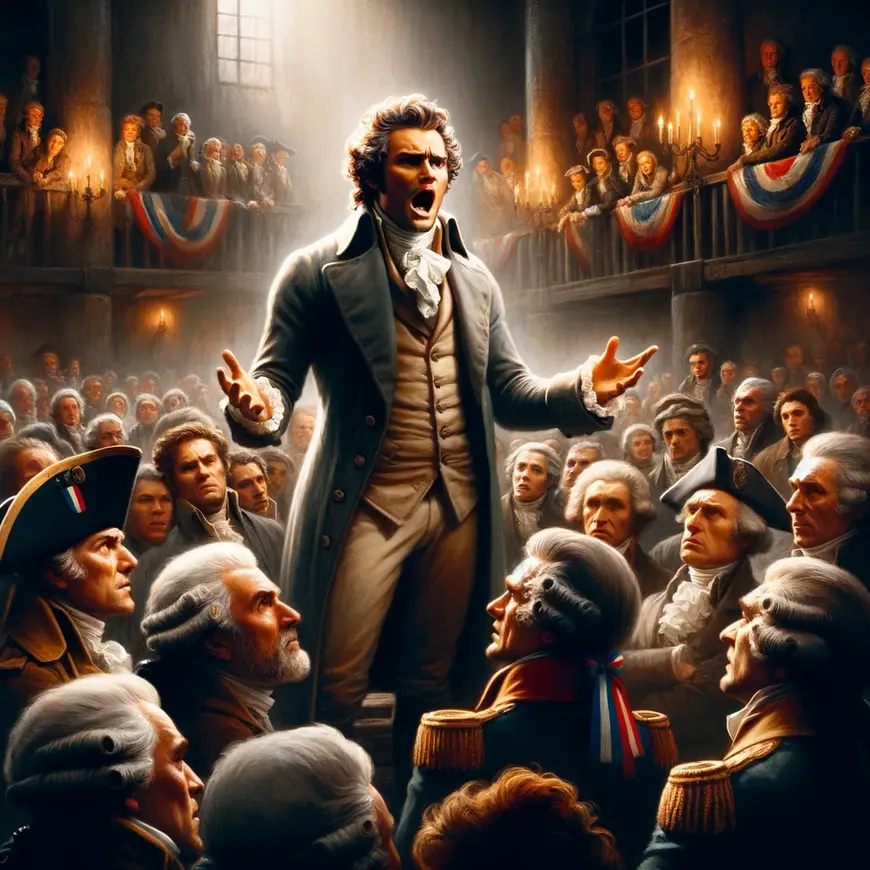
Understanding Leonce and Lena means understanding Georg Büchner. A revolutionary in both politics and literature, he wrote this play while studying medicine, already steeped in radical ideas. But here, instead of manifestos, he gives us satire. He turns laziness into protest, and comedy into critique.
Leonce isn’t heroic. He’s indecisive, passive, and filled with self-pity. He wanders through life making grand declarations about meaninglessness but doing very little to change his fate. Lena, meanwhile, shows flashes of strength, but she too seems trapped by the absurdity around her. They’re not lovers in the traditional sense — they’re two people trying to avoid being consumed by systems larger than themselves.
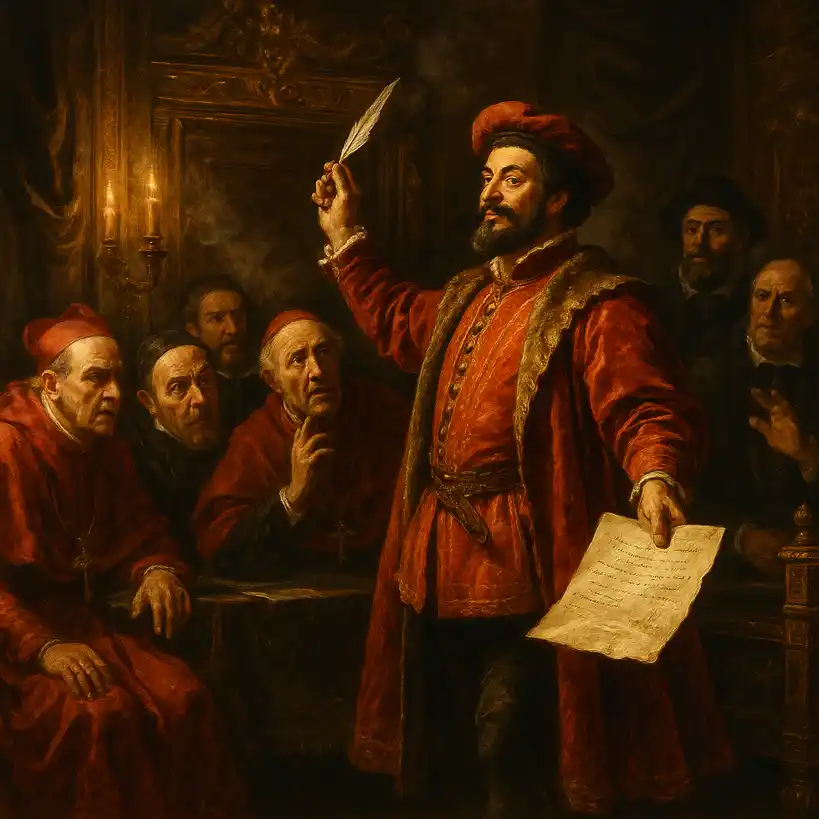
The court scenes expose the emptiness of power. Bureaucrats speak nonsense. Laws are passed because no one can be bothered to stop them. The King dreams of immortality but can’t manage a conversation. Büchner turns life at court into pure theatre — hollow, laughable, and oddly familiar.
This theme of avoiding life, of drifting through roles without conviction, feels eerily modern. In that sense, the playwright anticipated the existential despair of later writers like Jean-Paul Sartre or Albert Camus. Yet he cloaks it in comedy, not tragedy.
Where his Danton’s Death rages against injustice, the play shrugs. And that shrug is powerful. It says: sometimes resistance looks like refusal. Sometimes survival means laughing instead of acting.
Theatrical Absurdity and Timeless Satire
Leonce and Lena is filled with absurdity. The characters speak in circles, bureaucrats make decisions without thought, and the monarchy marches forward with no real purpose. Georg Büchner turns the machinery of power into a joke — a slow, repetitive comedy where avoiding life becomes the only possible resistance.
At times, it feels like the play itself is trying to escape responsibility. Events unfold almost by accident. Leonce and Lena don’t plan their union. Their meeting feels like the punchline to a long, strange joke about fate. Even the ceremony that ends the play — where automatons are meant to replace the missing royal couple — reflects this theme of empty rituals carried out because no one knows how to stop them.
This isn’t tragedy dressed as comedy. It’s satire sharpened to a fine point. He exposes the absurdity not through dramatic collapse but through small, ridiculous moments: a king who lectures himself, servants who imitate their masters, lovers who barely know each other but marry anyway. The world spins, but no one seems to notice.
This mirrors the tone of Rabbit, Run by John Updike, where the protagonist avoids commitment and responsibility not with grand rebellion but with passive flight. Both works ask: What happens when you try to avoid life — and discover you can’t escape yourself?
In this book, the answer is laughter. Not the joyous kind, but the hollow, knowing kind. The comedy is light, but the questions underneath are heavy.
Language as Escape, Laughter as Defense
His language in Leonce and Lena is playful, but precise. Sentences spiral with repetition and irony, exposing how words often fail to capture reality. Leonce’s speeches about boredom and Lena’s declarations about duty sound grand — but both dissolve into nonsense when pushed too far. Language here becomes a performance, a mask to avoid facing what matters.
The King’s ramblings about governance are especially absurd. He talks of ruling like a machine, issuing laws no one reads, giving orders no one understands. His language inflates his own importance while revealing his insignificance. The playwright shows us how those in power talk to avoid silence — because silence might expose their emptiness.
For Leonce, words are both armor and prison. He uses philosophy to dodge responsibility. He wraps himself in cynicism and sarcasm. Lena, too, performs a kind of resistance through language — but hers leans toward irony rather than despair. Together, they drift through conversations where nothing quite means what it says.
This linguistic absurdity connects Leonce and Lena to The Book of Disquiet by Fernando Pessoa — another text where inner monologue circles endlessly around meaning, where thought becomes both shield and burden.
But the author never lets the language grow too heavy. His dialogue dances. His satire sparkles. In this comedy, avoiding life becomes an art form, and words become the tools of gentle rebellion.
Themes of Idleness, Duty, and Desire
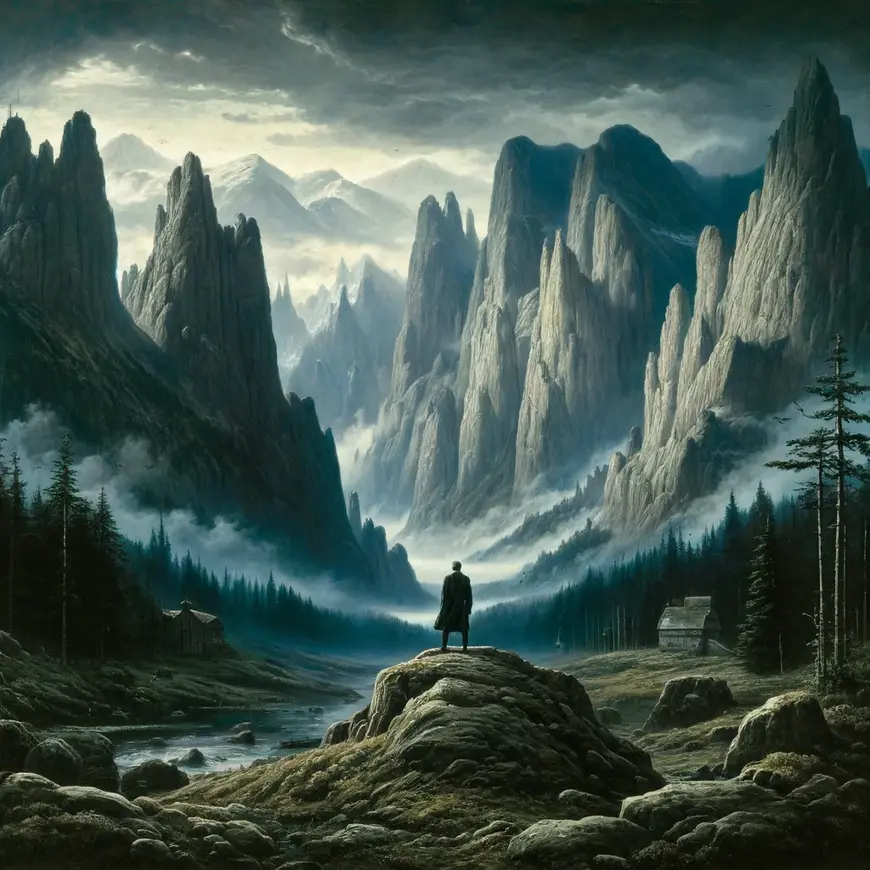
At its heart, this is a play about waiting. Waiting for love, for meaning, for something to interrupt the boredom. Avoiding life isn’t just a joke here — it’s a condition. The characters drift, caught between expectations they didn’t set and futures they didn’t choose.
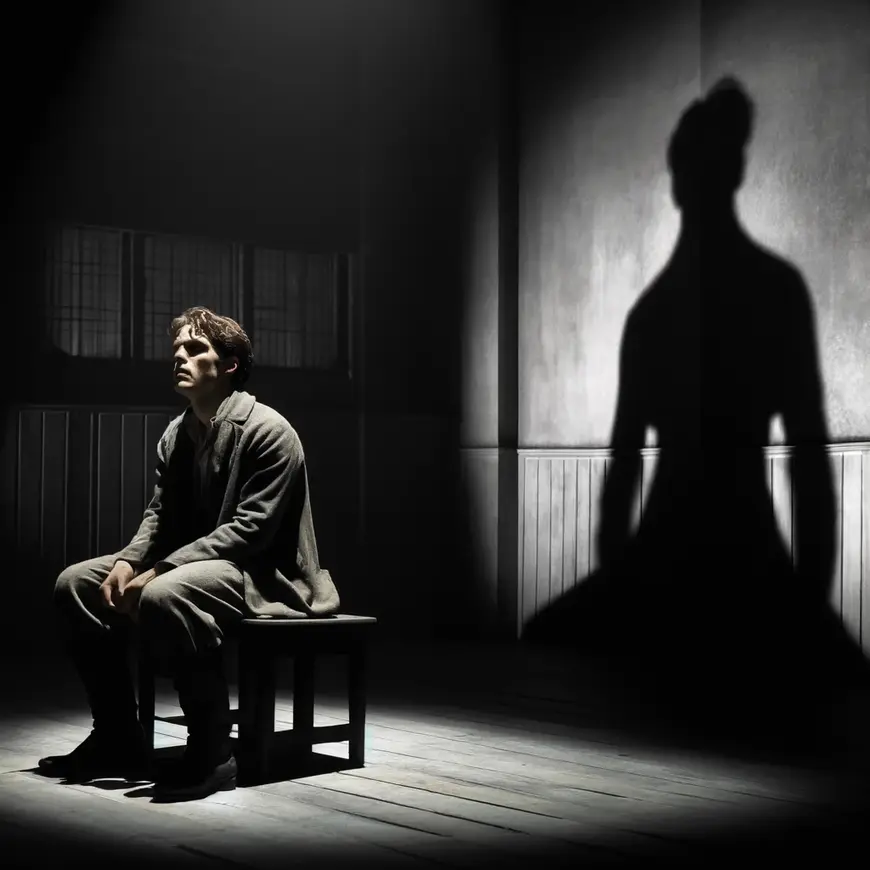
Leonce is defined by his refusal. He doesn’t want to rule, doesn’t want to marry, doesn’t want to engage with the world’s seriousness. His avoidance becomes the engine of the plot. Yet, ironically, he ends up exactly where duty intended: married to Lena, poised to inherit the throne. His journey shows how avoidance can’t outpace fate — but it can certainly mock it.
Lena’s position is more subtle. She runs not from boredom but from the loss of agency. She wants something more than being a pawn, even if she can’t articulate what that is. When she meets Leonce, she believes for a moment in choice, not obligation. The play ends with them stepping into the roles they tried to escape, but together, perhaps, they soften the absurdity.
Georg Büchner ties these themes to broader critiques of monarchy and ritual. No one in this story seems truly alive except through avoidance, irony, or laughter. It’s a comedy, yes — but one steeped in the loneliness of roles performed without conviction.
In this way, it aligns with As I Lay Dying by William Faulkner, where characters move through duty not because they understand it, but because they can’t imagine stopping.
Famous Quotes from Leonce and Lena by Georg Büchner
- “Boredom is the origin of all evil.” Leonce’s view of life begins with this sharp observation. For him, boredom isn’t harmless — it’s the root of despair, passivity, and foolish decisions.
- “Marriage is the triumph of imagination over intelligence.” A witty, cynical line that sums up the play’s attitude toward arranged unions. It mocks both romance and reason, revealing their shared absurdity.
- “The machines shall wed in our stead.” The king’s solution to missing royals is absurd but telling. The author skewers the emptiness of rituals carried out for appearances alone.
- “I am a prince. I must be bored.” Leonce’s self-pity is both comic and tragic. His title grants privilege but robs him of purpose, showing how status can lead to existential drift.
- “We are puppets on invisible strings.” This line captures the play’s view of fate and free will. Characters act out roles they didn’t choose, questioning autonomy at every step.
- “What is duty but another word for habit?” Georg Büchner blurs moral responsibility with routine. He invites us to question how often duty serves as an excuse for thoughtlessness.
- “What a beautiful night! Everything is so still, as if the world were holding its breath.” This quote reflects the tranquil and introspective moments that characters experience. It highlights the beauty and stillness of nature as a contrast to their inner turmoil.
- “Love is like the wind, we cannot see it, but we can feel it.” This poetic expression captures the intangible yet powerful nature of love.
Trivia Facts about Leonce and Lena
- Written for a Competition: Leonce and Lena was written in 1836 for a comedy competition organized by the publisher Cotta.
- First Performance: The play was first performed posthumously in 1895, nearly 60 years after Büchner’s death. It has since become one of his most well-known works.
- Political Satire: The work is a satirical comedy. It critiques the rigid structures and absurdities of autocratic rule and arranged marriages, reflecting his political views.
- Romantic Comedy: Despite its political undertones, the play is a romantic comedy. It centers on the love story between Prince Leonce of Popo and Princess Lena of Pipi.
- Influence of William Shakespeare: The play shows the influence of Shakespearean comedy. Particularly in its use of mistaken identities, clever wordplay, and the theme of lovers overcoming obstacles.
- Existential Themes: He incorporates existential themes into the play. Such as the search for meaning and the struggle against societal constraints, which were ahead of his time.
- Linked to New Year by Juli Zeh: Both works explore duty and self-awareness with humor. New Year examines these themes through family, while the playwright uses monarchy.
- Modern Interpretations: “Leonce and Lena” has been adapted and interpreted in various ways over the years. With modern productions often emphasizing its absurdist and existential elements.
- Legacy: Although Büchner died young at the age of 23. His works, including this one, have left a lasting impact on German literature and theater. It influenced later writers and dramatists.
Why It Still Feels Modern
Though written in the 1830s, Leonce and Lena feels strangely contemporary. Its humor, its detachment, its satire of empty leadership — all resonate today. Georg Büchner understood that avoiding life wasn’t just a personal failing. It was a symptom of a world obsessed with rules over meaning, appearances over feeling.
The play anticipates existentialism without naming it. Leonce’s despair sounds like something from Camus. Her search for autonomy echoes later feminist critiques of marriage. And the absurd court rituals wouldn’t feel out of place in Kafka. He was writing at a time of censorship and repression, but his sharp wit slices through to truths that remain uncomfortable.
Even the love story feels modern in its ambivalence. Leonce and Lena don’t fall into a grand passion. They stumble into each other, laugh at the farce of their situation, and choose to continue together — not out of romance, but out of shared weariness. There’s tenderness in that realism. This makes the book a comedy about life’s refusal to cooperate with our plans. It mocks certainty and it celebrates hesitation. It shows how laughter can be survival.
In this, it stands beside The Vice-Consul by Marguerite Duras — another work where absurdity, exile, and language unravel the expected. Both remind us that to live without question is to live half-asleep. The author wakes us — not with tragedy, but with a sly, knowing smile.
Final Thoughts: A Comedy That Refuses to Conclude
Leonce and Lena ends not with triumph or tragedy but with a shrug and a smile. The lovers marry, the throne is secured, and life continues — but the play resists offering closure. Georg Büchner wrote a comedy about avoiding life, but he also wrote a play about how life refuses to offer us neat endings.
Their final acceptance of their roles isn’t defeat. It’s a recognition that life is absurd, but absurdity doesn’t negate tenderness or choice. Their marriage isn’t fairy tale happiness — it’s two people laughing together at the joke they couldn’t outrun.
What stays with the reader is not the plot, but the tone: ironic, affectionate, bemused. The writer sees through the pretensions of monarchy, romance, and bureaucracy, but he never slips into bitterness. His comedy is generous. It allows its characters — and its audience — to laugh without cruelty.
This generosity links this work to Italian Journey by Johann Wolfgang von Goethe, where observation softens critique, and to New Year by Juli Zeh, where small acts of rebellion reshape ordinary lives. In all these works, laughter becomes resistance, and irony becomes care. His play remains a reminder that avoiding life may be impossible, but questioning it — gently, humorously — is an art worth preserving.