Local Anaesthetic by Günter Grass – A Nation Numbed
Morning thins the Berlin fog, and a teacher unlocks his room. A tooth throbs like a metronome, and the ache sets the lesson’s tempo. In Local Anaesthetic, pain refuses silence and turns into signal. Pain teaches attention. Students arrive with last night’s clips, yet the teacher chooses questions over noise. Consequently, the room slows, and thought begins to breathe.
Günter Grass writes after the Danzig books, and the tone shifts from myth to media. Therefore, the world enters as screens, headlines, and rehearsed outrage. Satire cuts numbness. The teacher answers with craft rather than slogans, because method outlasts mood. Meanwhile, the city mutters through the windows, and the class learns how to hear it without drowning.
The novel treats inquiry as courage. He prints checklists, assigns roles, and demands names. Method beats noise. Although the plot stays compact, the stakes feel national. Routines either dull conscience, or they train it. Moreover, every joke risks becoming a shield for harm, so humor needs aim.
I like how Grass binds ethics to ordinary tools. Chalk dust drifts, coffee cools, and timelines grow. Consequently, attention becomes a habit rather than a pose. By contrast, the TV host sells speed and calls it clarity. Because the teacher resists that pitch, the class discovers a slower kind of nerve.
In Local Anaesthetic, the ache never lets the mind drift. The hour tightens, and work replaces posture. Questions make courage. As a result, the premise lands cleanly: if pain rings the bell, learning should answer, and learning should keep its promises outside the room.
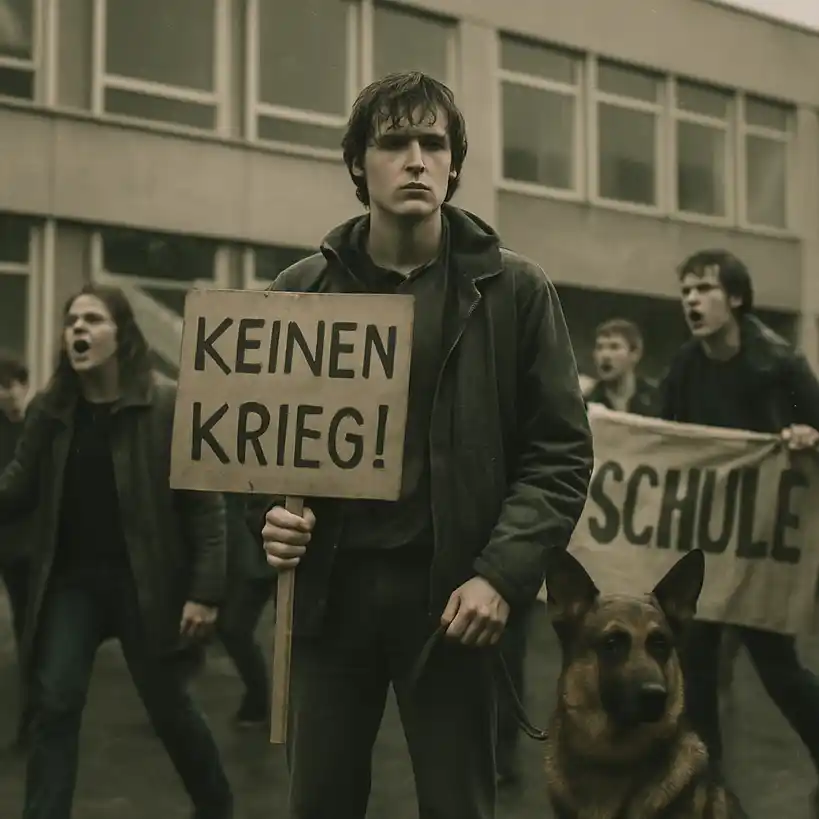
Lessons under the drill in Local Anaesthetic – The nation is numbed
A single decision frames the story. The teacher refuses the show and builds a workshop. In Local Anaesthetic, he pauses the screen, lowers the blinds, and asks who profits from the punch line. Screens dull nerves. Groups form, sources appear, and deadlines push talk toward verification. Meanwhile, the jaw’s pulse keeps the pace human.
Clips arrive loud, therefore euphemisms multiply. “Incidents” replace wounds, and “precision” flattens homes. Language hides harm. He forces plain nouns into the script, and the air in the room changes. Because names carry weight, the class learns to lift carefully. Moreover, witnesses replace reposts, and timelines begin to breathe.
The plot grows through tasks rather than twists. Students map events, call reluctant voices, and check each other’s chains. Slow reading, sharp vision. Although the story avoids melodrama, pressure builds, since truth resists shortcuts. Consequently, the class discovers that courage looks like steady method, not heroic speech.
Guenter Grass threads a counterpoint beneath the drills and chalk. Pain tempts sedation, yet the teacher stays present. He brings that discipline back to the board, and the lesson hardens into ethic. By contrast, the bar across the street sells light without heat, and the pages note the difference.
As a mirror on patience and concentrated life, the teacher assigns a hospital ward where time thickens and thought deepens: 👉 The Magic Mountain by Thomas Mann. The reference slows the eye and steadies the hand. In Local Anaesthetic, such parallels do not decorate the plot; they train judgment. Consequently, the stakes expand from one classroom to the culture that raises it.
Streets, lessons, and the cost of shrugging
People drive the lesson long before theory arrives. The teacher sets tone with grit and wit; students test him with speed. In this work, character shapes method as much as method shapes character. Streets teach, too. He listens, therefore the room lowers its guard. Moreover, he assigns work that respects fear and still demands clarity.
Groups evolve from hot takes to tools. Because deadlines force contact, shy voices call hard sources. Apathy breeds consent. He says it plainly, and the line turns into homework: knock on doors, then write what hands did. Meanwhile, the city adds texture, since posters peel and sirens argue with quiet.
Side figures sharpen the theme. A bartender sells glow, so the class studies glare without drowning. A nurse names shifts and cost, hence statistics gain faces. Details beat slogans. Friends try jokes that excuse ignorance; however, the teacher refuses comfort that erases harm.
Relationships mature under pressure. He trusts students with messy tasks, and they repay trust with verified scenes. Consequently, the room trades certainty for curiosity. In Local Anaesthetic, that trade marks growth. Trust grows from presence. He shows up, stays present, and keeps track of names.
Every bond in the book resists spectacle. The class learns that kindness needs structure, while structure needs courage. Therefore, the people matter more than the frame, yet the frame keeps people safe. I like how the author honors that balance without preaching. As a result, relationships become proofs of ethic, not ornaments that decorate pages.
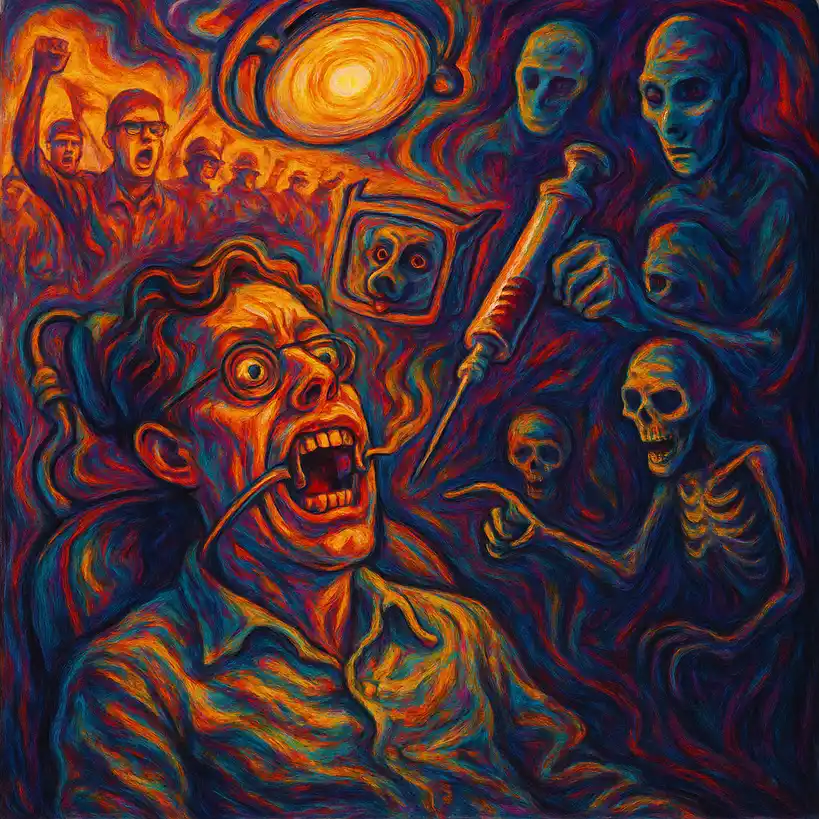
Pictures of war, lessons of care in Local Anaesthetic
A late clip shows smoke and marching boots. The host calls it necessary. The ad that follows sells a brighter screen. In Local Anaesthetic, the teacher halts the show and asks what the camera avoided. War needs witnesses. He writes three questions: who counted, who could not speak, and who chose the frame.
They rewind and they track euphemisms that blur blood into “incidents.” They hear “precision” where the map shows houses. Language hides harm. He asks them to swap each soft word for a true one and to mark how the tone changes the room. Pens scratch. A hush spreads.
The projector warms the wall. His jaw sets a pulse. He prints a checklist on the board: date, place, source, second source, motive. Method over outrage. He tells them to build timelines that breathe, not threads that spin. They nod because the structure holds.
He sets readings that slow the eye and widen the field, he wants them to learn how war compresses time and stretches guilt. He wants them to meet fear without turning away while he writes a title and adds a quiet smile toward the back row: 👉 All Quiet on the Western Front by Erich Maria Remarque. The room understands the weight.
They leave with folders and a plan. He closes the window and feels the ache fade a notch. In the novel the lesson keeps people at the center. Names before numbers. He locks the door and carries the lists into the hall’s echo.
Lessons that hold when the screen blinks
He walks in early and draws two columns: claim and proof. The room carries weekend chatter and headline dust. He lifts a hand, waits, and sets the terms. In Local Anaesthetic, pain does not excuse chaos; it sharpens focus. Pain names the problem. He tells them the rule: no clip without context, no heat without a human name.
Drafts arrive. A group plays a segment. He stops it and asks for the street, the hour, the weather. They rewrite the lead. Revision builds truth. Another group cites a rumor. He sends them to the source. He replaces speed with sequence and gives the work a spine.
Afternoon brings a chair, a lamp, a whine. He grips the arms and breathes through the ache. He tells the dentist to go slow and keep him present. Craft before opinion. He treats pain as signal, not spectacle and he wants clarity, not a blur that turns into easy jokes.
He returns to the board with a list: timeline, map, witness, counter, motive. They build a grid that holds under stress. He bans adjectives until the nouns can stand. He wants verbs that point to hands, not fog. The room steadies and grows quiet.
By the bell, they own a plan. They leave with calls to make and people to meet. In the book the cure for numbness looks like labor. Small actions, real stakes. He thanks the ache for rhythm and locks the door with a clear head.
How a class turns noise into knowledge – A Mind Awake
They pin timelines to three walls. Dates link to places. Names anchor lines. In Local Anaesthetic, method calms fear and keeps the room honest. He draws circles around holes and writes next steps beside each one. Protocols prevent panic. The process carries them when nerves spike.
Groups swap boards and check each other’s chains. A neat story loosens under a new eye. A messy story tightens after one missing call. Systems reveal drift. He smiles when structure forces humility. Facts move from rumor to record. The boards start to breathe like lungs.
Phones ring. Coffee steams. Pens scratch. He takes a call, repeats a detail, and writes it down clean. A student adds a street name; another adds a time stamp. Measure before outrage. The room holds energy without tilting into noise. They earn clarity with slow hands.
He closes the laptops and opens the shelf of parallels. He points to crises that scale and to choices that reveal character. They talk about pressure, crowds, and the cost of delay. He suggests two mirrors that test patience and agency: 👉 The Swarm by Frank Schaetzing and 👉 Magic Seeds by V. S. Naipaul. The room notes the angles and nods.
The hour ends with a roll of tape and a plan for tomorrow. In Local Anaesthetic, courage looks like one verified step after another. Courage resists comfort. They choose care over speed and truth over polish. He thanks the ache for timing and locks the day in.
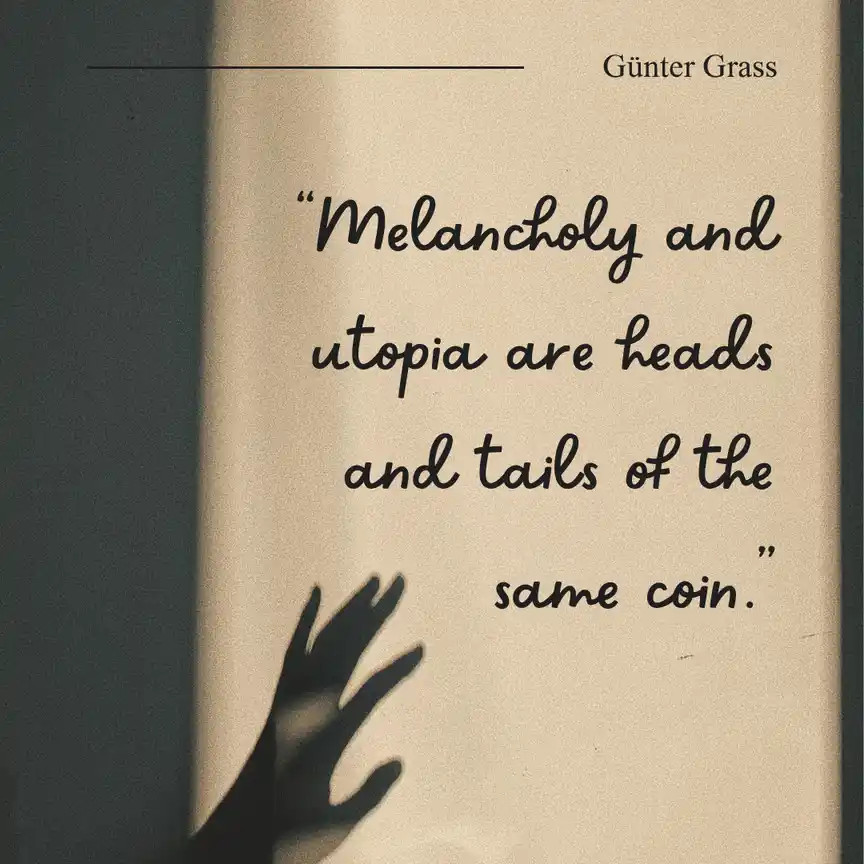
Sharp Quotes from Local Anaesthetic by Günter Grass
- “Pain rings the bell when comfort steals the hour.” The novel treats pain as a blunt teacher. It calls the class to order and keeps the mind from drifting toward easy answers.
- “Turn jokes into tools, or jokes turn you.” In this work by Günter Grass, satire breaks numbness. The line reminds readers to aim humor, not hide inside it.
- “Screens love speed more than truth.” The book slows the eye and hands truth a chair. It asks who frames the shot, and who gets cut from the frame.
- “Method saves courage from noise.” Structure carries nerve through panic. Checklists beat outrage because they survive pressure.
- “Keep faces at the center when numbers shout.” The teacher writes names before totals. The line keeps people visible when headlines race through crowded feeds.
- “Questions sharpen mercy.” In Local Anaesthetic, the right question moves harm out of the shadows. It also protects witnesses who risk the most to speak.
Context and Craft Facts from Local Anaesthetic
- Berlin classroom as stage: The novel frames civic education as action. The teacher builds checklists and timelines. Local Anaesthetic turns method into courage that regular people can use.
- Satire against numbness: Media parody drives the book’s tone. The story tests how jokes dull pain and how structure restores focus. The story argues for careful attention over spectacle.
- War on the screen: Euphemisms blur harm. The class swaps soft words for true ones and hears the room change. For a grand panorama of conflict and consequence, see 👉 War and Peace by Leo Tolstoy.
- Library of mirrors: On obsession, books, and the mind under pressure, consider 👉 Auto-da-Fe by Elias Canetti, which studies intellect without wisdom. That angle sharpens readings of Local Anaesthetic.
- Student protest lineage: Readers can trace West German student movements and media battles through curated archives at 🌐 Deutsche Digitale Bibliothek and context essays at 🌐 Encyclopaedia Britannica. These sources widen the lens the novel opens.
- Names before numbers: The teacher’s rule echoes journalistic ethics. The book insists on witnesses, consent, and context. It teaches action that avoids harm and still reaches truth.
Keeping the frame honest
Berlin’s morning shouts. Sirens flare, scooters slice lanes, and a billboard blinks a joke about fear. In Local Anaesthetic, the teacher walks through that noise and saves his voice for the room. He writes today’s question on the board and caps the pen. Noise tempts shortcuts. He asks the class to trade speed for sight.
Groups rehearse their findings. One lead relies on shock. He cuts the spike and asks for a map and a name. Clarity beats volume. Another team stacks adjectives like sandbags. He kicks them down and replaces them with a time stamp and a witness. The room brightens because the story breathes.
He steps into the hallway, meets himself in the elevator mirror, and touches the sore jaw. He breathes twice, then returns. Discipline makes courage. He treats pain as a metronome for careful work. He wants the class to hear tempo, not thunder.
They review ethics out loud. Credit sources. Protect the vulnerable. Confirm consent. Accept limits when a story endangers a life. He calls these rules a kindness we owe language and people. The lists on the wall nod in silence.
By the bell, drafts turn clean. The teams carry scenes instead of slogans. In Local Anaesthetic, method guards mercy. Keep faces in frame. He closes the window, pockets the chalk, and thanks the ache for its steady drum. He leaves the room with a promise to hold today’s line again tomorrow.
Presentation day and the long echo
They tape timelines to boards and open blinds to real light. In Local Anaesthetic, the teacher sets a rule at the start: facts first, then feeling. Evidence earns trust. A team presents a case of policy dressed as charity. The class traces the money. The lead changes shape and lands truer.
He asks two questions each time: who pays, who profits. The room learns to follow both trails. Questions change results. A student defends a risky quote. He asks for context and secures it. The quote survives because the frame now holds. Hands rise, not to perform, but to test.
The projector warms the wall. Pencils click in quick bursts, then go quiet when the pace steadies. Slow is accurate. The ache returns in small waves. He rides it like a drum and keeps time with it. The stories keep faces centered and numbers honest.
He closes with one last mirror on fear, duty, and ordinary heroism under pressure. He writes the title and lets the silence fall in respect: 👉 The Plague by Albert Camus. The class understands. Not every lesson needs a smile. Some need a held breath. They keep that breath for a full ten seconds.
They stack chairs and promise to finish calls. He pockets the chalk and thanks the body for the signal that never let him drift. In Local Anaesthetic, pain made the work strict and kind. Hold the line. He turns the key and leaves the room brighter than he found it.