Bertolt Brecht’s Mother Courage and Her Children – A Powerful Tale of Resilience and Sacrifice
Quick Summary: My Thoughts on Mother Courage and her Children
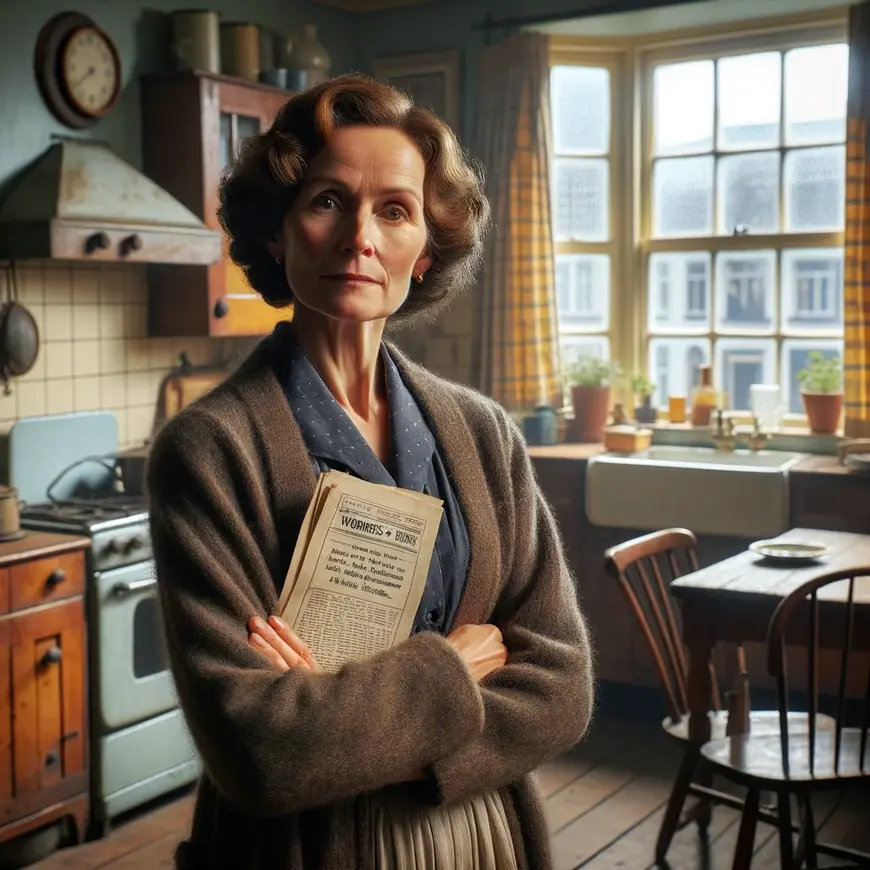
Reading the play by Bertolt Brecht was an intense experience, for me. Right from the start I found myself drawn to the strength and complexity of Mother Courage, a woman running a canteen amidst the backdrop of war. His sharp exchanges and vivid descriptions pulled me into the challenges and sacrifices she encountered.
As I followed the female protagonists journey I was struck by the author’s unflinching portrayal of how war affects individuals. The constant struggle between survival and ethics prompted reflections on nature and the consequences of conflict. Each characters destiny contributed to a criticism of the senselessness of war.
By the plays conclusion I felt a mix of sadness and respect, for the main character. The book left me pondering over the resilience of resilience in times as well as the harsh realities surrounding war and survival. His compelling narrative and thought provoking themes made this reading experience truly unforgettable and impactful.
Bertolt Brecht, the influential playwright and well known in German Literature, has left an indelible mark on the world of theater with his thought-provoking works. “Mother Courage and Her Children” stands as one of his most impactful plays, exploring the harsh realities of war and the human cost it exacts. First performed in 1941, this timeless masterpiece continues to resonate with audiences, shedding light on the enduring strength and sacrifices of ordinary people in extraordinary circumstances.
In this review, we will delve into the powerful narrative, His unique theatrical techniques, and the enduring themes that make “Mother Courage and Her Children” an unforgettable experience.
Unveiling the Story of Mother Courage and her Children
Mother Courage and her Children follows the journey of Anna Fierling, also known as Mother Courage, an enterprising and resilient woman who traverses war-torn Europe during the Thirty Years’ War. As a war profiteer, the main character makes a living by selling goods and necessities to soldiers and armies. Along her arduous journey, she is accompanied by her three children, Eilif, Swiss Cheese, and Kattrin.
As the war rages on, her children become entangled in its brutality. Eilif, driven by the intoxication of war, becomes a ruthless soldier, while Swiss Cheese and Kattrin face their own tragic fates. Through a series of episodic scenes and encounters, the author paints a vivid picture of the devastating effects of war on individuals and society as a whole. The narrative forces us to confront the harsh realities of loss, sacrifice, and the moral compromises made in desperate times.
One of the distinguishing features of Brecht’s style is his use of epic theater, a form that seeks to engage the audience intellectually and emotionally while maintaining a critical distance. The work exemplifies his theatrical techniques, such as the Verfremdungseffekt, or alienation effect, which aims to disrupt the audience’s passive immersion in the story.
He achieves this effect by employing various techniques, including direct address, breaking the fourth wall, and using placards to provide commentary on the action. By reminding the audience that they are watching a play, he encourages critical thinking and reflection rather than emotional identification. This deliberate distancing prompts viewers to question the actions and choices of the characters, encouraging a deeper engagement with the play’s themes and messages.
Themes of Resilience and Sacrifice
At its core, this play explores themes of resilience and sacrifice in the face of relentless adversity. The heroine herself embodies the spirit of survival, driven by her relentless determination to protect her children and secure her livelihood. Her shrewdness and resourcefulness, while admirable, come at a great personal cost.
Throughout the play, Brecht confronts us with the moral dilemmas faced by individuals in times of war. Her constant need to adapt and make pragmatic choices reveals the compromises and sacrifices required to survive in a world plagued by conflict. The play raises profound questions about the nature of war, the role of capitalism, and the human capacity to endure in the face of overwhelming odds.
The character of Mother Courage is a tour de force, brought to life by his masterful writing. She is a complex and multifaceted protagonist, simultaneously admirable and flawed. Her unwavering pragmatism and resilience are contrasted with her blindness to the consequences of her choices.
As a mother, she seeks to protect her children, but her efforts often lead to their tragic fates. Mother Courage’s journey is one of self-discovery and reckoning, as she grapples with the consequences of her actions. His nuanced portrayal of the heroine invites the audience to reflect on the complexities of human nature and the compromises we make in the pursuit of survival.
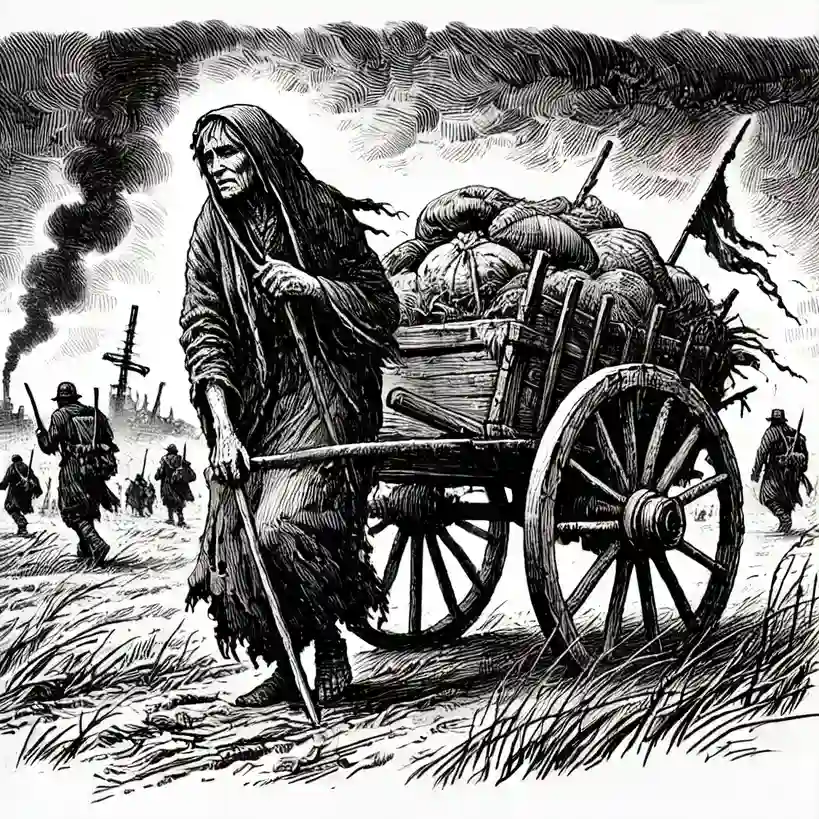
Mother Courage: War, Survival, and a Woman Who Won’t Give Up
Mother Courage and Her Children is not a feel-good story. But that’s exactly why you should read it. He doesn’t try to comfort you. Instead, he challenges you. He shows you war without the glory. He shows people struggling, surviving, and sometimes losing everything.
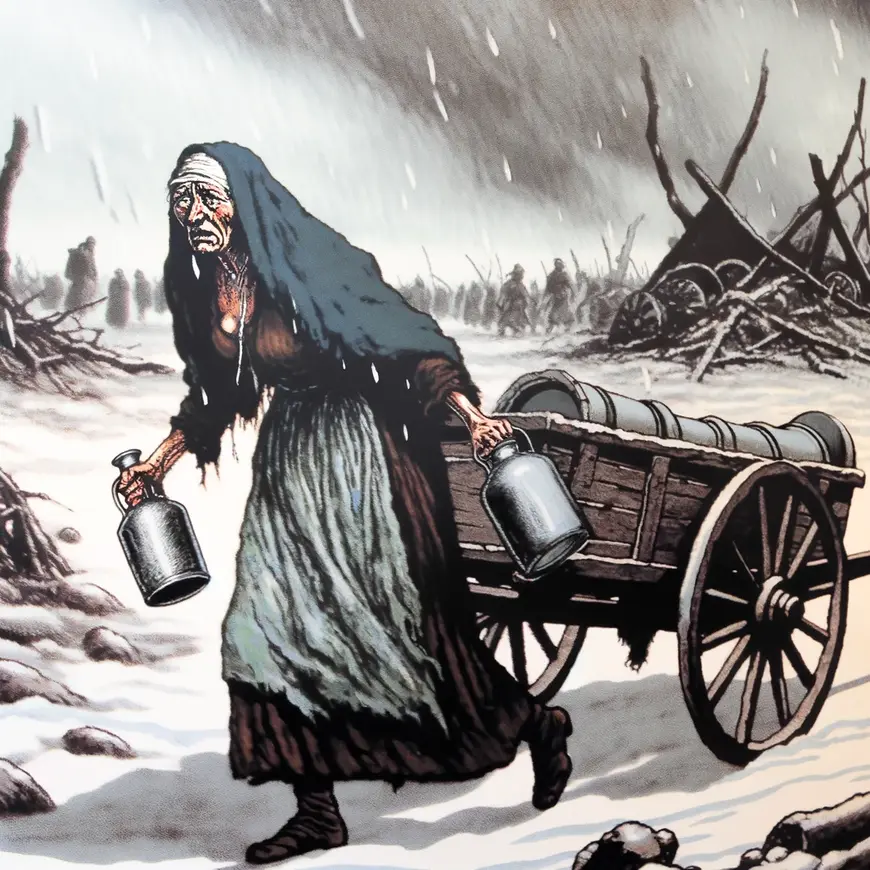
At the center is Mother Courage. She’s bold, clever, and tough. She pulls her cart through battlefields, selling goods to anyone who’ll pay. Friend or enemy—it doesn’t matter. She’s trying to keep her family alive. But war always takes more than it gives.
I was fascinated by how the playwright makes you think. He doesn’t want you to get lost in emotions. That’s why he uses his famous “Verfremdungseffekt” or “alienation effect.” He reminds you that you’re watching a play. He breaks the fourth wall and he makes you step back and see the bigger picture.
Mother Courage and her Children isn’t about heroes. It’s about choices. About what people do when they’re trapped. And about how war turns survival into business, and business into tragedy. If you want a story that pushes you, teaches you, and stays with you—read this. It’s smart, direct, and painfully honest. Brecht doesn’t give you answers. But he forces you to ask the right questions. And that makes all the difference.
Breaking the Illusion: His Bold Style in Mother Courage
The author doesn’t write to entertain. He writes to wake you up. In Mother Courage and Her Children, his style is sharp, clear, and full of purpose. Every line pushes you to think, not just feel.
From the start, I noticed something different. There’s no emotional buildup. No sweeping music. No soft endings. He wants you to stay alert. That’s why he uses the “Verfremdungseffekt” or alienation effect. It sounds fancy, but it’s simple. He breaks the illusion and he reminds you: this is a play, and plays can teach.
When he uses songs to interrupt the action. He adds signs to show what’s coming next. And he writes dialogue that feels plain—but powerful. No one speaks in flowery language. They speak like real people, caught in a brutal world. What I found most striking was how he keeps emotions at a distance. When tragedy strikes, he doesn’t slow down. He doesn’t ask you to cry. He wants you to see the bigger message behind the moment.
His style in Mother Courage and her Children is bold. It’s not warm. It’s not easy. But it works. It cuts through comfort and demands attention. If you want writing that challenges how you think about theater, war, and survival, read this. Brecht doesn’t pull you into the story—he pushes you into reality. And that’s where the power is.
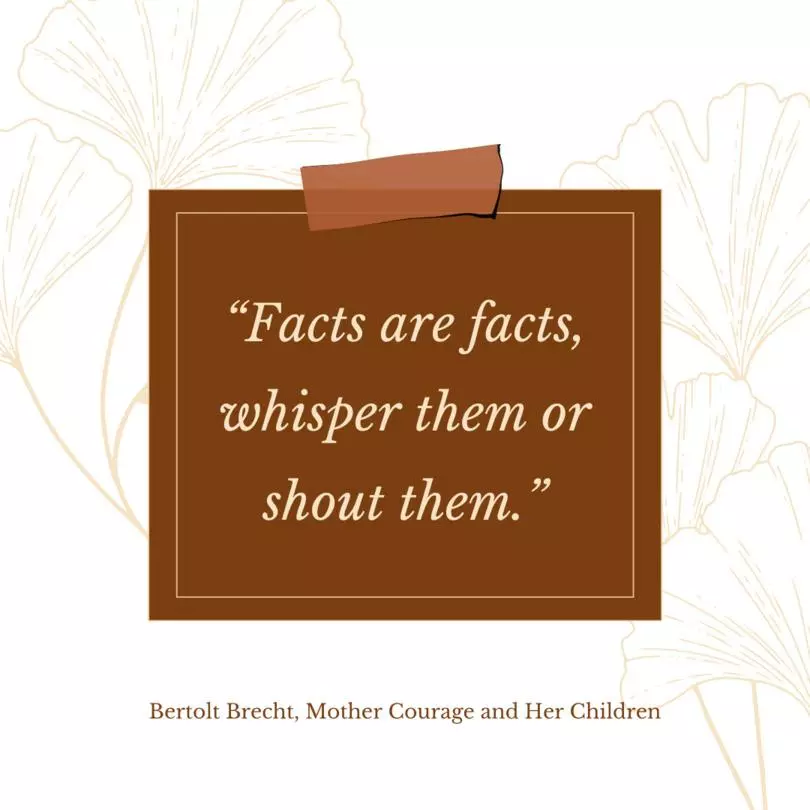
Famous Quotes from Mother Courage and her Children by Bertolt Brecht
- “War is like love; it always finds a way.” This quote highlights the persistence and inevitability of war, likening it to the fundamental human experience of love. He suggests that just as love can overcome obstacles, so too does war continually emerge, despite efforts to prevent it. This reflects his cynical view of war as an enduring human enterprise, driven by economic and political motives.
- “What’s the good of talking and not knowing?” This line underscores Brecht’s emphasis on the importance of awareness and knowledge. It criticizes ignorance and the dangers it poses, especially in times of conflict.
- “Because things are the way they are, things will not stay the way they are.” This quote reflects his belief in change and the possibility of progress. It suggests that the current state of affairs, no matter how entrenched it may seem, is not immutable. The inherent contradictions and tensions within society can lead to transformation, emphasizing the dynamic nature of history and the potential for societal improvement.
- “Seldom does an observable order come out of chaos after the first day, and seldom does chaos come out of order, even after years.” This quote can be seen as a commentary on the complexity and unpredictability of social and political change. The playwright points out that while chaos does not easily organize itself into order, order can maintain itself amidst potential chaos for a surprisingly long time. It reflects on the resilience of established systems and the challenges involved in bringing about significant change.
- “No one will be a good person if they do not have compassion.” Here, the author touches on the theme of empathy and its necessity for morality. The quote suggests that compassion is essential for humanity and goodness.
Trivia Facts about Mother Courage and her Children
- Epic Theatre: He developed the concept of “epic theatre” to encourage the audience to reflect critically on the play. Instead of becoming emotionally absorbed in it.
- Written in Response to War: The playwright wrote this work in 1939, at the outset of World War II, as a response to the war and the fascist regime in Germany. Mother Courage and her Children serves as a denouncement of war and the profiteering that often accompanies it.
- Her Name: The protagonist, Mother Courage, derives her name from the German word “Kura,” meaning courage or audacity. However, the play ironically shows how her attempts to profit from the war lead to personal tragedy.
- First Performance: The play’s first performance was in 1941 at the Schauspielhaus Zürich in Switzerland, directed by Leopold Lindtberg. This premiere was significant because Switzerland was neutral during World War II, allowing him a platform for his anti-war message despite being in exile from Nazi Germany.
- Adaptations and Revivals: “Mother Courage and Her Children” has seen numerous adaptations and revivals over the years. This includes notable productions with acclaimed actresses in the title role such as Helene Weigel (his wife and a co-founder of the Berliner Ensemble), Judi Dench, and Meryl Streep. Each production brings its own interpretation to the play, highlighting its timeless relevance.
- Critical Reception: While Mother Courage and her Children is now celebrated as one of the greatest plays of the 20th century, its critical reception has not always been unanimously positive. Some critics have argued that the play’s political didacticism might overshadow its artistic qualities, a critique often leveled against Brecht’s work in general. However, its enduring popularity and the continued relevance of its themes have cemented its status as a classic of modern drama.
A Timeless Masterpiece
Nearly eight decades after its first performance, Mother Courage and her Children continues to resonate with audiences worldwide. Brecht’s powerful storytelling, combined with his innovative theatrical techniques, ensures that the play remains relevant. Its exploration of the human condition serves as a reminder of the ongoing struggles faced by communities affected by conflict.
In conclusion, the book stands as a testament to his immense talent as a playwright. Also for his unwavering commitment to using theater as a tool for social commentary. With its compelling narrative, unique theatrical techniques, and enduring themes, this play offers a profound and deeply resonant theatrical experience. Prepare to be moved and challenged as you witness the indomitable spirit of Mother Courage. Overall it is about the human cost of war in the author’s remarkable masterpiece.