The Gospel According to Jesus Christ by José Saramago
Saramago opens with ordinary labor and fear; consequently, The Gospel According to Jesus Christ grounds divinity in chores, guilt, and rumor. Because the narrator listens to conscience, scenes breathe before they argue. Moreover, commas carry talk where quotation marks might shout; therefore voice as current moves thought from memory to decision. In fact, the text keeps miracle offstage until witness and responsibility can carry it.
Joseph hesitates at the massacre, and remorse stains a family’s dawn. Consequently, the book treats fate as editable, since one father’s delay writes another child’s pain. However, the line never sermonizes; rather, ethics in detail—a road, a knife, a cradle—does the teaching. Meanwhile, Jesus learns craft and danger together, so childhood feels like training for ambiguity instead of triumph.
Jose Saramago rewrites destiny by letting doubt shape choice. Therefore the book insists that a restless heart weighs costs before any calling. Because the narrator stays close yet ironic, compassion with teeth keeps the story human instead of pious. As a result, The Gospel According to Jesus Christ becomes a civic gospel: it values evidence, it honors harm, and it asks whether truth can heal without erasing grief. Finally, the sentence itself chooses mercy by refusing thunder and trusting grain, light, and time.
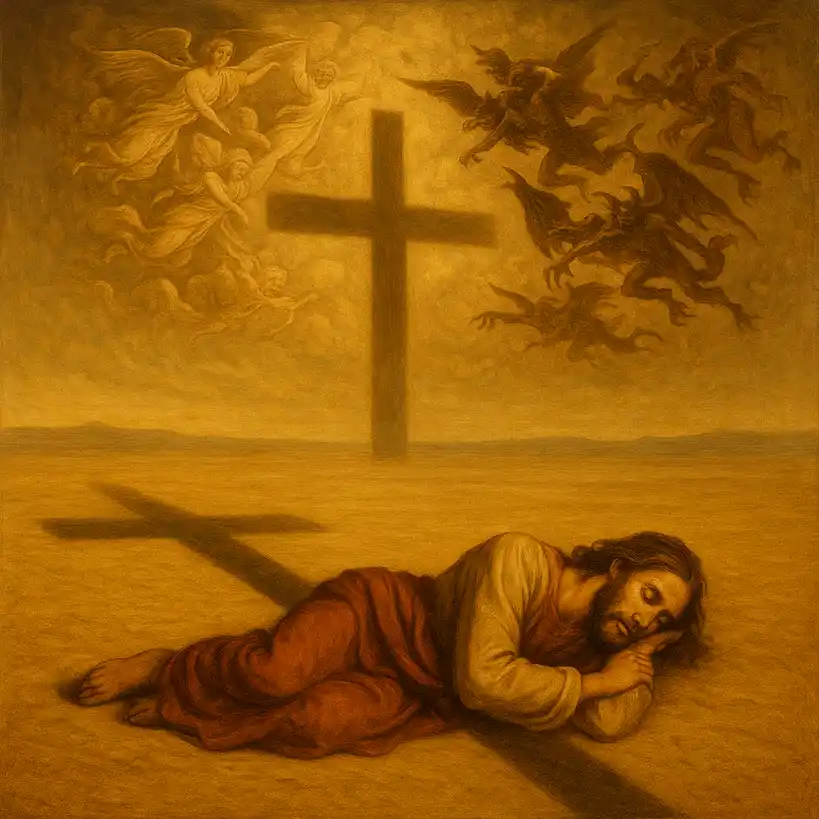
Argument and revelation in The Gospel According to Jesus Christ
Revelation arrives as debate, not spectacle. Consequently, The Gospel According to Jesus Christ audits holiness with miracle under audit, where bread, bodies, and borders replace grand display. Because God appears as a character who bargains, politics of holiness steps into view. Moreover, Jesus resists recruitment; therefore freedom over fate becomes the hinge of every scene that matters.
José Saramago composes faith with craft. Although theology looms, tools and tasks set pace; as a result, conscience turns practical. I pair this pressure with 👉 The Spire by William Golding, since both books test vision against logistics and community. By contrast, the author refuses martyr glamour; meanwhile, his sentences make responsibility audible. Consequently, argument becomes revelation when the better claim outthinks the louder one.
The novel also rewrites choice by making love part of its proof. Because tenderness teaches limits, power loses shine. Furthermore, the line According to reminds us that a gospel is an account, not a decree; therefore witnesses must keep talking. Finally, The Gospel According to Jesus Christ asks readers to choose with Jesus, not only about him, and the page rewards that work with a truth that listens first and commands last.
People, power, and the character system that moves the plot
Jesus learns from three forces at once: household, state, and intimacy. Consequently, the work treats family care as training for public courage. Joseph models work and remorse; Mary teaches shelter and limits; therefore craft before creed shapes early choices. Rome patrols the roads, and priests police borders; moreover, power in proximity keeps danger close to bread, tools, and sleep. Magdalene brings tenderness and argument together; because love sets boundaries, zeal loses shine.
Scenes stay concrete. A knife glints at dawn; a ledger counts taxes; fishermen weigh nets against rumor. As a result, The Gospel According to Jesus Christ grounds faith in logistics before it reaches parable. Jesus listens, then decides. Although the voice grows, care as doctrine remains the method: feed, clean, lift, and only then speak.
Tension rises where loyalties cross. The father asks safety, the crowd asks miracle, and the ruler asks obedience. By contrast, the conscience asks proof. Consequently, body as testimony becomes the test that matters: touch, hunger, and rest decide which claim deserves assent. Finally, the novel keeps choice human by letting character lead action, so no sign outruns the person who must carry it tomorrow.
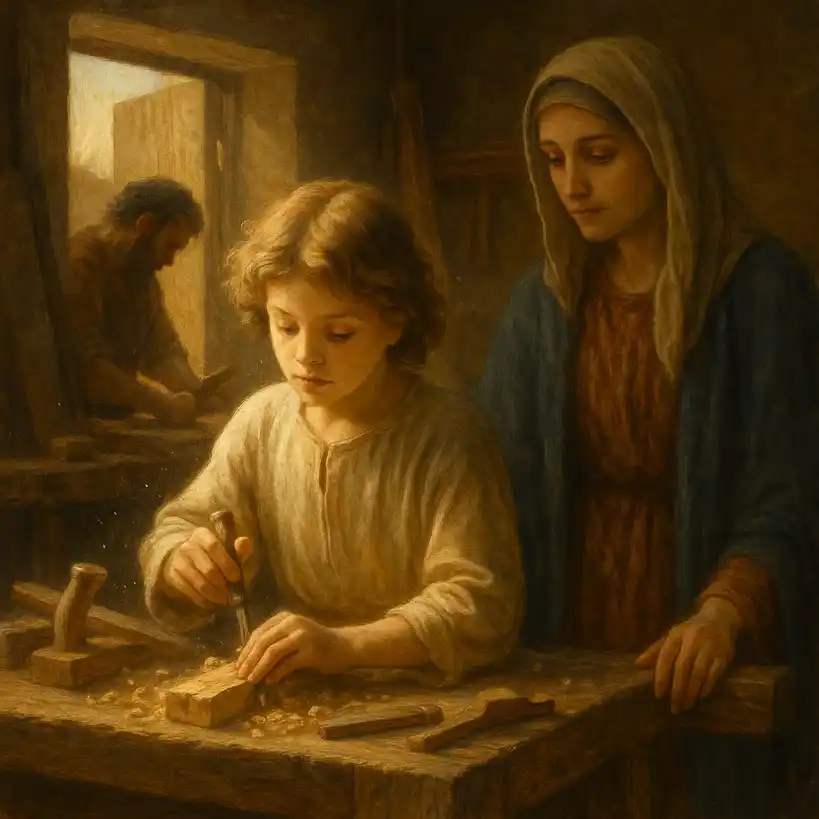
Guilt, judgment, and learning a just sentence
Conscience sharpens on guilt. Therefore The Gospel According to Jesus Christ revisits Joseph’s delay and turns remorse into instruction. Jesus studies harm without excuse; consequently, guilt as engine drives his refusal to trade people for policy. He faces authorities who bless violence with ritual, and he faces followers who want shortcuts. Moreover, the line between courage and pride needs watching in each scene.
Judgment arrives through listening. Because José Saramago writes debates as trials, justice as apprenticeship replaces sudden thunder. A claim must survive questions about cost, witness, and aftermath. I set this pressure beside 👉 Crime and Punishment by Fyodor Dostoevsky, where confession and repair remake a life. By contrast, The Gospel According to Jesus Christ keeps its court outdoors, amid bread lines and dust.
Mercy still binds itself to clarity. Although forgiveness tempts excess, mercy with consequences insists on naming who paid and why. The voice tests every demand against hunger, grief, and time; therefore miracle shrinks until evidence can hold it. Finally, this book rewrites fate by drafting better sentences—spoken sentences that change futures because they measure harm before they promise hope.
Sentences, punctuation, and how style argues
He argues with style as much as with scene. Consequently, The Gospel According to Jesus Christ moves on commas that braid thought into talk. Because the pages drop quotation marks, quotationless dialogue keeps speech inside consciousness rather than on a stage. Moreover, comma as conduit turns momentum into ethics: ideas must touch before they split. In fact, the narrator’s ironic omniscience refuses easy piety while still protecting the vulnerable.
Sound shapes judgment. Although the cadences echo scripture, clauses stay stubbornly human; therefore this novel sets miracle beside broom, bread, and ledger. Meanwhile, cadence with bite lets tenderness coexist with a dry, corrective wit. By contrast, a ceremonial tone would seal the text off from hunger and fear. Consequently, argument feels local and lived, not abstract.
Form guides mercy. A sentence often begins in memory, crosses a present task, then lands in decision; therefore the syntax rehearses responsibility. Because clauses carry the weight together, blame cannot float free of cost. Furthermore, The Gospel According to Jesus Christ trusts its reader to hear counterclaims inside a single breath. Finally, the style keeps the book honest: every grace note pays cash, and every promise names who bears the price.
Time, illness, and apprenticeship in the wilderness
Retreat teaches as fiercely as crowds do. Therefore The Gospel According to Jesus Christ treats desert quiet and fevered nights as lessons, not scenery. Because the body falters, time under diagnosis slows a calling into days that must be survived. Moreover, desert as workshop turns hunger and solitude into tools that plane pride down to use. By contrast, pageantry would skip this apprenticeship and counterfeit courage.
Debate continues inside the hush. Although followers wait, the conscience keeps rehearsing choices; consequently, training happens before the public miracle. I read this measured schooling beside 👉 The Magic Mountain by Thomas Mann, where suspended time audits belief, health, and motive. Meanwhile, conscience at altitude in Saramago’s tale strips slogans to bone, then tests what remains against love and harm.
Return changes pace, not method. A traveler who learned slow attention brings it back to bread lines and boats; therefore The Gospel According to Jesus Christ keeps wilderness skills active in villages. Furthermore, fever of certainty no longer appeals, because patience learned its cost. Finally, the hours stand accountable: each decision must answer the sickroom as well as the street, and the book’s human gospel holds that line without blinking.
Quotes from The Gospel According to Jesus Christ by José Saramago
- “God will save you. Surely you’re forgetting that God saves souls rather than bodies.” Consequently, the novel weighs policy against care in plain speech.
- “God does not forgive the sins He makes us commit.” Therefore the book confronts power with responsibility and refuses pious shortcuts.
- “Men, forgive Him, for He knows not what He has done.” Finally, the closing line reverses judgment and makes mercy an argument.
- “Truth and falsehood pass through the same lips without a trace.” Moreover, testimony needs proof, not volume, in The Gospel According to Jesus Christ.
- “Even before there is any swelling, a child can be seen shining through its mother’s eyes.” Consequently, human detail grounds miracle.
- “One has to be God to enjoy so much bloodshed.” Therefore the novel exposes sacred violence as a human choice, not destiny.
- “No one has committed so much sin in his life that he deserves to die twice.” Meanwhile, justice meets limits that protect the living.
- “I wish to be wherever my shadow is if that is where your eyes are.” As a result, love teaches boundaries in this work.
- “The sky, God’s enormous eye, black but speckled with lights.” Consequently, the book turns wonder into inquiry rather than proof.
Trivia from The Gospel According to Jesus Christ
- Human scale, not halo: Saramago centers chores, guilt, and craft; consequently, The Gospel According to Jesus Christ treats miracle as a moral test rather than a spectacle.
- Voice without quotes: The flowing, quotation-less narration fuses thought and talk; therefore The Gospel According to Jesus Christ lets conscience argue in real time.
- Politics inside faith: Authority and ritual negotiate every scene; moreover, the work asks who pays whenever power borrows holiness.
- Carpentry before creed: Tools, ledgers, and bread set the pace; consequently, ethics arrives through work before it reaches doctrine.
- Debate as revelation: The novel turns God into a debating presence; as a result, revelation reads like argument that must survive questions about cost.
- Love as limit on zeal: Magdalene grounds Jesus in care and time; therefore devotion learns boundaries and refuses to spend people as proof.
- Comparative conscience: For a pact with knowledge that prices the soul, compare 👉 Faust by Johann Wolfgang von Goethe; the pairing clarifies why refusal can be a form of faith.
- Justice without thunder: Street-level mercy resists state calm; consequently, readers can study punishment and dignity beside 👉 The Last Day of a Condemned Man by Victor Hugo.
- Controversy and context: The book sparked debate about blasphemy and state culture policy; for a compact primer on the novel’s background and disputes, see this critical reception.
- Account, not decree: Finally, the title’s “According to” matters; because the story is an account, witnesses must keep talking so truth remains answerable to harm and hope.
Crowd, empire, and the market for wonder
Crowds arrive with appetite. Consequently, The Gospel According to Jesus Christ studies how attention distorts mercy. People want signs; rulers want quiet; therefore crowd as mirror exposes fear on both sides. Jesus counts hunger first, not headlines. Moreover, he chooses proximity over acclaim, so spectacle versus mercy stays a live conflict in every busy square. I watch him slow the room until faces replace numbers.
Power repackages awe. Because priests and prefects price calm above care, the market measures wonder by control. The Book refuses that currency and pays in bread, touch, and time. Furthermore, rumor multiplies faster than help; therefore economy of attention punishes the patient work the book prefers. He keeps the circle small enough to feed, then grows it only when hands can carry the weight.
Refusal carries risk. However, the page treats that risk as instruction, not glamour. A request that costs others fails the test. As a result, The Gospel According to Jesus Christ links miracle to accountability and lets gratitude outlast spectacle. Finally, the crowd learns to listen because he first listened to them; consequently, risk of refusal protects the living from being turned into proof.
Endings, legacy, and why choice still matters
Endings arrive in plain daylight. Therefore the novel refuses thunder and writes consequence instead. He names harm, he guards tenderness, and he accepts limits. Moreover, the last pages keep asking whether love can survive power without copying it. Because the narrative stays human-scaled, account not decree defines gospel: a record of choices, not a manual for force.
Lineage spreads by readers. I set this ongoing test beside 👉 The Zahir by Paulo Coelho, where fixation tries to pass for devotion until conscience recalibrates desire. By contrast, The Gospel According to Jesus Christ keeps devotion grounded in bread and names. Consequently, mercy as policy becomes the portable lesson: care first, then speak; measure cost, then vow. The result feels usable, even when streets turn loud.
The final cadence points forward. Although the story closes, ending as beginning returns us to neighbors and work. A sentence can still save a day if someone listens. As a result, the work by Saramago asks each witness to carry a share of truth without turning it into a weapon. Finally, reader as witness completes the circle: choose with the book, not just about it, and let that choice feed the next hour.