Iphigenia in Tauris – Mercy with Accountability
Tauris feels remote, yet the room listens. Consequently, Iphigenia in Tauris turns a temple into a court where speech decides fate. Because Johann Wolfgang von Goethe writes clarity into peril, truth as action replaces trickery. Iphigenia holds a priestess’s office; however, her vow meets a higher mercy over ritual. The island demands sacrifice, and the family demands survival; therefore the play weighs an oath against a human claim.
I. chooses candor before escape. Moreover, the choice costs her leverage, since lies might help faster. In fact, the scene shows how an honest sentence can move a king more than force. The work stages persuasion as courage, because confession risks punishment in public. By contrast, heroic deceit would repeat old harm.
Objects keep the judgment grounded. A ship waits offstage; a statue fixes the room; a letter names the blood-debt. Consequently, freedom by speech becomes plausible, not naïve. The author finds modern ethics in myth, and he finds a single line that carries the whole weight. Finally, his play lets mercy stand against command, and the play finds freedom by refusing another body to appease an ancient order.
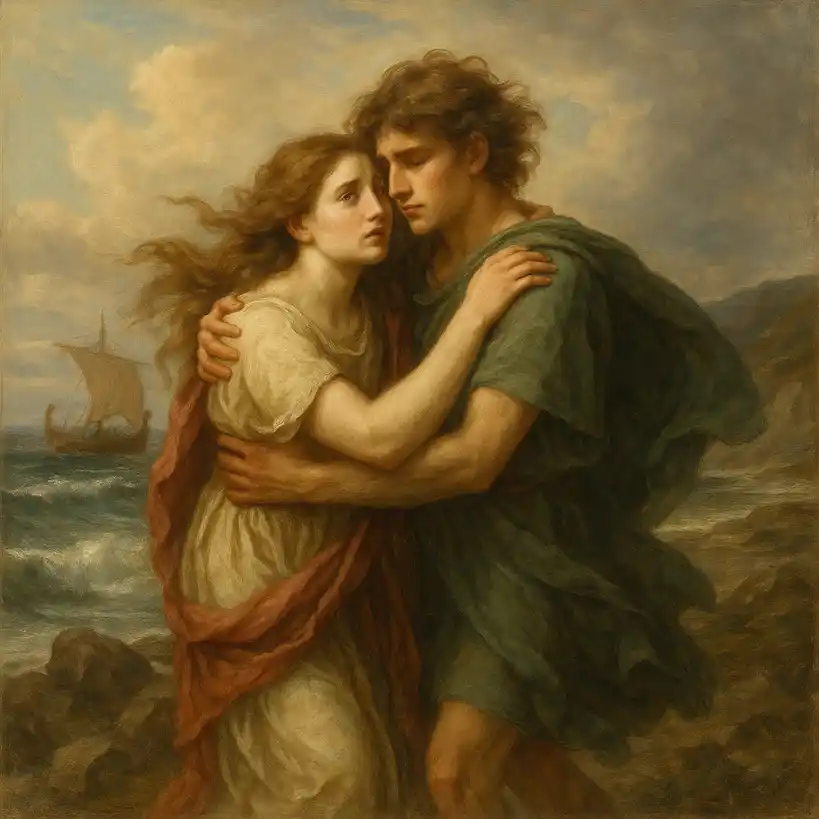
Form, dialogue, and revelation in Iphigenia in Tauris
Structure does the lifting. Therefore the drama builds five acts that move from secrecy to open plea. Because dialogue stays taut, clarity as courage shapes each turn: question, admission, reply. Orestes arrives with a curse; meanwhile, Iphigenia tests whether language can break it. Consequently, oath under scrutiny sits at the center rather than daggers or disguises.
His meters favor poise over spectacle. Although danger presses, the lines breathe; moreover, pauses let motives surface without banners. As a result, the play finds freedom by making honesty audible, not loud. I. addresses Thoas directly, and the scene proves that a single honest sentence can reframe law. Iphigenia in Tauris thus treats revelation as craft: name the tie, admit the harm, ask for release.
Comparisons clarify the stakes. For a fierce counter-image of myth and justice under pressure, see 👉 Medea by Christa Wolf. By contrast, the playwright edits vengeance out of the solution, and persuasion carries the day. Because the acts resolve through speaking rather than blood, the theatre becomes a civic rehearsal. Finally, Iphigenia in Tauris shows how a woman’s candor can turn command into consent, and consent into a ship that leaves shore.
Kin, king, and the work of recognition
Iphigenia holds the ethical center while three forces press in. Consequently, Iphigenia in Tauris arranges witness over spectacle: she listens first, then chooses. Because Thoas carries law and injury, his consent must be earned, not dodged. Meanwhile, Orestes drags a family curse into the room, and Pylades guards pragmatism like a flame. Therefore the play treats kinship as law before any edict, since names cut deeper than statutes.
Recognition arrives by degrees rather than thunder. Although tokens and tales surface, their power depends on voice; as a result, confession has to be timed. The statue’s presence steadies the ritual space; moreover, statue as witness turns the temple into memory that answers back. Orestes’ visions thin when candor thickens; consequently, panic yields to pattern. The Play makes patience an instrument, not a delay.
Choices stay visible even in quiet. For instance, Pylades argues escape while I. argues truth; by contrast, Thoas argues order while his grief keeps speaking. Furthermore, the drama tracks silence with stakes, since pauses change outcomes more than speeches do. Because each role tests another’s limit, the scene becomes a negotiation that feels modern in its restraint. Finally, the play proves that character is method: listening, naming, and risking together until the room can carry mercy.

Hospitality, ritual, and the turn from blood to law
The island’s rule is simple: strangers die. Therefore this work studies hospitality as test and shows how mercy must become structural, not a favor. Because oaths pretend to be timeless, the poet asks who pays the bill when a vow meets a living face. Moreover, Iphigenia reframes sacrifice as refusal, and that refusal begins to write policy inside the temple.
Comparisons clarify the civic turn. I set this ethical pivot beside 👉 The Maid of Orleans by Friedrich Schiller, where sanctioned violence meets conscience on a public stage. By contrast, Iphigenia in Tauris replaces pageant with persuasion; consequently, dialogue as bridge moves a king without humiliating him. The play argues mercy as policy, not indulgence, since spared bodies require new rules to remain spared tomorrow.
Objects serve the reform. A ship outlines exit; a door marks threshold; a list of rites becomes a list to revise. Although the gods frame the room, human voices set terms; therefore the law begins to change at ear level. Furthermore, this play repeats its title problem—exile inside ritual—until hearing reshapes command. Finally, the scene leaves blood behind by proving that clarity can govern; as a result, hospitality becomes law rather than luck.
Voice, cadence, and how lines persuade
Speech matters as much as plot. Consequently, Iphigenia in Tauris wins its case with rhythm, not spectacle. Because the writer lets pauses carry motive, measure as ethics guides every plea. Iphigenia addresses Thoas directly and often; therefore address as instrument keeps power accountable to a listening ear. Moreover, repeated names calm the scene, and repeated questions thin the threat without hiding it.
Form begins with objects, then turns to claims. The text points to altar, door, sea, and ship; consequently, nouns before claims prevent abstraction from running away with the trial. Although danger presses, sentences remain balanced, which steadies the room. Meanwhile, metaphors stay close to the coastline, so distance and tide explain risk more cleanly than slogans. As a result, the work earns trust before it demands change.
Cadence completes the turn from ritual to policy. Short appeals alternate with fuller statements; furthermore, cadence as persuasion lets evidence breathe. Because silence follows the strongest lines, the king must answer as a man, not as a mask. By contrast, a trick would evade judgment and repeat the curse. Finally, Iphigenia in Tauris proves that a ruler can move without losing face when the language gives him a dignified path toward mercy.
Conscience, code, and a clean exit in Iphigenia in Tauris
Law arrives wearing memory. Therefore this book tests whether conscience can stand before code and still prevail. Iphigenia refuses the efficient lie; consequently, conscience before code becomes her only strategy. Thoas carries injury and duty at once; meanwhile, Orestes carries blood-logic that begs to continue. The play asks who breaks the loop first, and what price the break will cost the group.
Confession turns into leverage, not spectacle. Because truth rearranges obligations, confession as leverage unlocks an exit no stratagem could keep open. Iphigenia names the ties, then requests the release in daylight; therefore choice in daylight becomes the opposite of intrigue. For a modern echo of moral pressure from within, compare 👉 The Brothers Karamazov by Fyodor Dostoevsky, where inner courts decide before public ones do.
Mercy still answers to rules. Although clemency leads the scene, mercy with accountability keeps tomorrow in view. The ship does not sail as a favor; moreover, it sails as the first result of new terms stated aloud. As a result, the drama joins freedom to procedure, and that union matters. Finally, the shore recedes because people agreed to let it recede, and the audience understands that language—not force—held the tide.
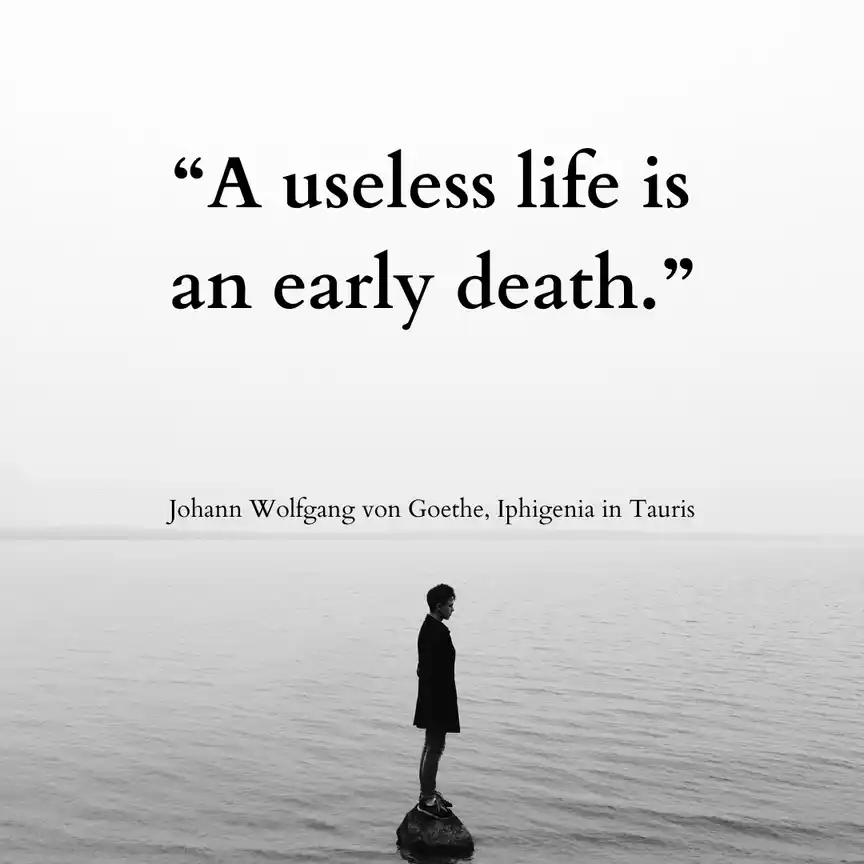
Quotes from Iphigenia in Tauris
- “Shall I then speed the doom that threatens me?” Doubt names the cost; consequently, the play makes choice feel immediate inside ritual pressure.
- “Let there be truth between us.” Honesty becomes method; therefore Iphigenia in Tauris treats candor as its primary instrument.
- “Blame me alone, for all the fault is mine.” Responsibility steadies the room; moreover, confession moves a ruler more than threats do.
- “Oppress’d with gloomy care, I much require the certain comfort thou dost promise me.” Vulnerability stays plain; consequently, support becomes a civic need, not a favor.
- “There my life began when I loved you.” Love reframes exile; therefore the play lets feeling anchor reform.
- “To do good needs no consideration.” Action outruns doubt; meanwhile, the play links virtue to timely speech.
- “I feel myself a stranger.” Alienation clarifies the stakes; consequently, the island tests identity before law.
- “To me, it’s the most dreadful threat of all.” Fear sharpens resolve; moreover, the book measures courage by what it refuses to hide.
- “Choose rather to meet the man half way.” Negotiation replaces spectacle; therefore dialogue becomes the bridge between rule and mercy.
- “Calmly await this messenger’s return.” Patience turns procedural; as a result, the drama shows how order can carry freedom without violence.
Focused Trivia from Iphigenia in Tauris
- Weimar classicism in practice: The writer pares spectacle to speech; consequently, Iphigenia in Tauris makes clarity and restraint do the ethical work.
- Myth as negotiation, not fate: The play recasts sacrifice as policy; therefore this drama argues that mercy must be formal, not granted as a private favor.
- Temple as courtroom: The altar becomes a forum; moreover, evidence arrives as names, vows, and a ship’s readiness, so procedure replaces miracle in this work.
- Recognition before reform: Family proof precedes public change; consequently, confession equips civic law to move without blood.
- Sister texts in duty and rule: For public judgment shaped by conscience under pressure, compare 👉 Mary Stuart by Friedrich Schiller.
- Bureaucracy and mercy: To see how impersonal systems warp human choice, set this beside 👉 The Castle by Franz Kafka.
- Statue as witness: The goddess image fixes the room; furthermore, the object stabilizes ritual while dialogue turns that ritual humane.
- Hospitality redefined: The island’s rule “strangers die” becomes a test case; as a result, policy must change if spared bodies are to remain spared.
- Background on the Iphigenia myth: For a concise primer on variants and lineage.
- Context for Weimar ideals: For measure, clarity, and humane law in the movement he shaped, see 🌐 Weimar Classicism — overview.
Two scenes in counterpoint: recognition and the public plea
Two scenes unlock the play in sequence. First, recognition reorders grief. Consequently, Iphigenia in Tauris uses evidence that breathes: a remembered house, a scar named aloud, and a voice that fits a family name. Because proof here is relational, recognition as proof binds Orestes to the living rather than to a curse. Moreover, double scene in counterpoint lets the quiet of discovery prepare the courage of address.
The second scene turns private truth outward. I. faces Thoas and chooses candor. Therefore this book tests whether a ruler can hear clean logic inside ritual noise. She refuses trickery and stakes her request on daylight, so plea as policy replaces intrigue. Although escape sits ready, speech must earn it, since exits without consent repeat harm in a new key.
Form knits the pair. The recognition scene restores names, then the public plea restores law. Consequently, Iphigenia in Tauris shows how family grammar can teach civic grammar. Because the island worships procedure, the play answers with a better one. Finally, the ship becomes exit without blood, and the stage proves that method can free what appetite once ruled. I leave the pair convinced that sequence matters: name the bond, then revise the rule where everyone can hear it.
Reception, lineage, and why this humanism still bites
Reception tracks a steady claim. This play reads as his wager that a clean sentence can disarm an old oath. Critics file it under Weimar classicism; however, the play keeps teeth, since law through listening demands work. Translations keep testing cadence against clarity, and gods in translation stay persuasive only when human faces set the terms.
Lineage clarifies the field. For ritual confronted by doubt from another age, compare 👉 The Scorpion God by William Golding, where ceremony polices bodies until a story breaks the net. By contrast, the work lets procedure evolve in public, and rule revised in public becomes the lesson. Because the theatre simulates a hearing, audiences practice consent while they watch mercy learn its job.
What endures is a pattern. A stranger arrives under a death rule. A priestess names the truth and refuses the knife. Consequently, piety without sacrifice reframes duty as care and turns exile into return. Iphigenia in Tauris keeps finding freedom in utterance, since a single honest sentence can move a king, calm a brother, and teach a city to retire an anthem that costs the living too much.
More Reviews of Works by the famous poet