Between Empire and Betrayal: Wallenstein by Schiller
Friedrich Schiller’s drama stands at the crossroads of history and drama. Set during the Thirty Years’ War, the trilogy portrays the last days of General Albrecht von Wallenstein, a man caught between political pressure, personal ambition, and haunting prophecy. The story unfolds slowly, revealing power as both weapon and burden. The playwright doesn’t rush. Instead, he builds tension through dialogue, shifting loyalties, and moral dilemmas.
As a reader, I was drawn into the dark machinery of empire. The play isn’t just a historical figure here — he’s a fully imagined character torn by fate and free will. That duality pulses at the heart of the play. He’s no simple traitor or hero, but a man navigating a collapsing order, struggling to hold on to his identity. The real war isn’t only on the battlefield; it plays out in whispers, doubts, and betrayals.
The structure itself challenges us. The author breaks the trilogy into Wallenstein’s Camp, The Piccolomini, and Wallenstein’s Death. Each part shifts tone and viewpoint. The first shows the soldiers’ world, the second dives into political intrigue, and the last delivers the tragic collapse. This gradual unspooling gives the work its epic and philosophical weight.
Compared to historical plays like The Threepenny Opera by Bertolt Brecht or , his play feels both cerebral and immediate. It questions loyalty, idealism, and how individuals survive the machinery of war. I was left breathless by the scope and depth of the tragedy.
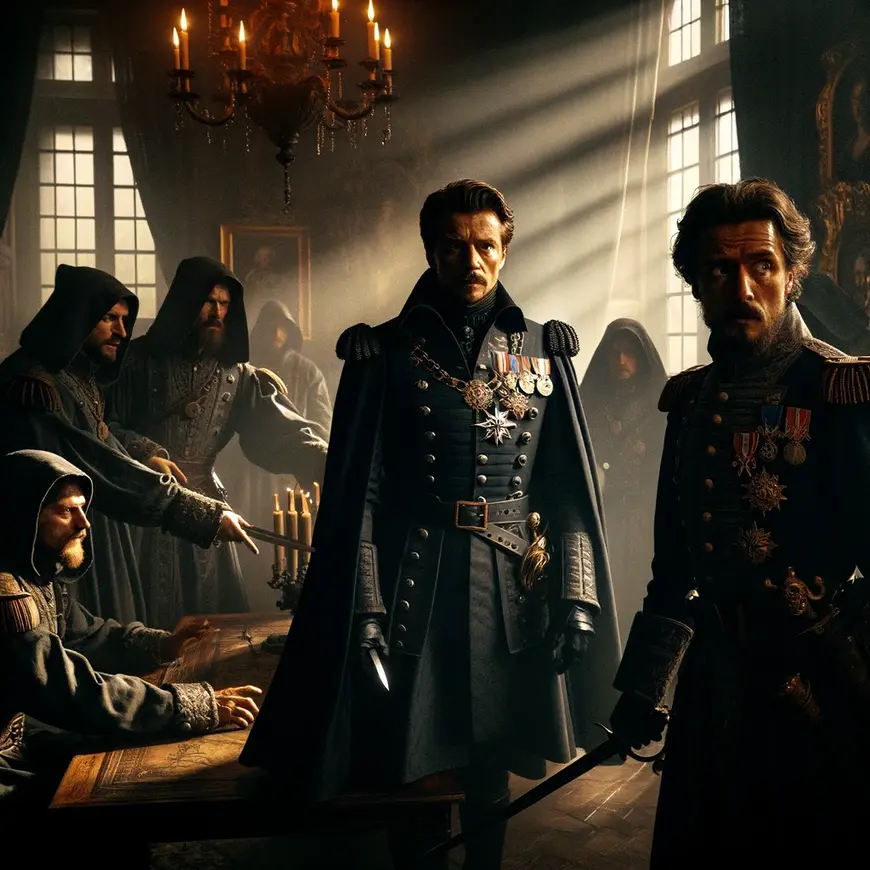
Wallenstein – The Playwright Behind the General
Friedrich Schiller wasn’t just a dramatist — he was a philosopher, historian, and revolutionary thinker. Born in 1759 in Württemberg, he trained as a military doctor before turning to literature, first with his rebellious play The Robbers. By the time he began this work, he had already begun shaping Germany’s literary canon.
The poet wrote Wallenstein between 1797 and 1799, during a period of close collaboration with Goethe. The two founded the Weimar Classicism movement, aiming to blend Enlightenment ideals with emotional depth. But the work is more than a literary experiment. It’s deeply rooted in his study of history and his belief in the moral agency of individuals. He saw him not just as a historical figure, but as a symbol of the tension between idealism and reality.
His fascination with Greek tragedy also shows. Like Oedipus or Antigone, Wallenstein is trapped by fate — but also complicit in his downfall. That duality is something I’ve seen echoed in Strait is the Gate by André Gide, where characters are bound by belief yet crushed by life. Schiller’s language is elevated but not cold. His monologues are rich with thought and self-interrogation. At moments, they read like philosophical essays disguised as drama.
👉 Reading about Schiller reminded me of the scope of literary ambition found in works like The Flowers of Evil by Charles Baudelaire — art that seeks to elevate while never forgetting the tragic pull of being human. His voice is that of a moral visionary, yet one deeply aware of human fragility.
Plotlines of Power: A Trilogy in Turmoil
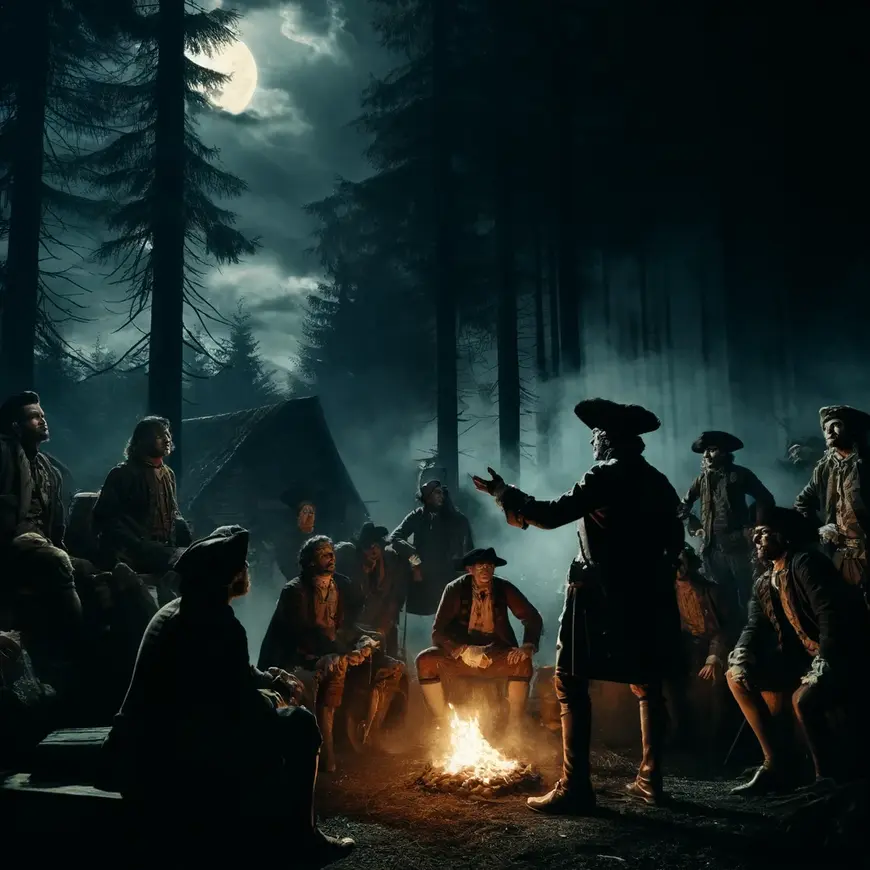
The plot of the play unfolds across three interconnected plays. Together, they form a slow-burning arc of suspicion, defiance, and inevitable collapse. In Wallenstein’s Camp, we meet the common soldiers. Their loyalty to the general is emotional, not political. The writer gives these scenes a grounded, almost folkloric energy. It’s the calm before betrayal brews.
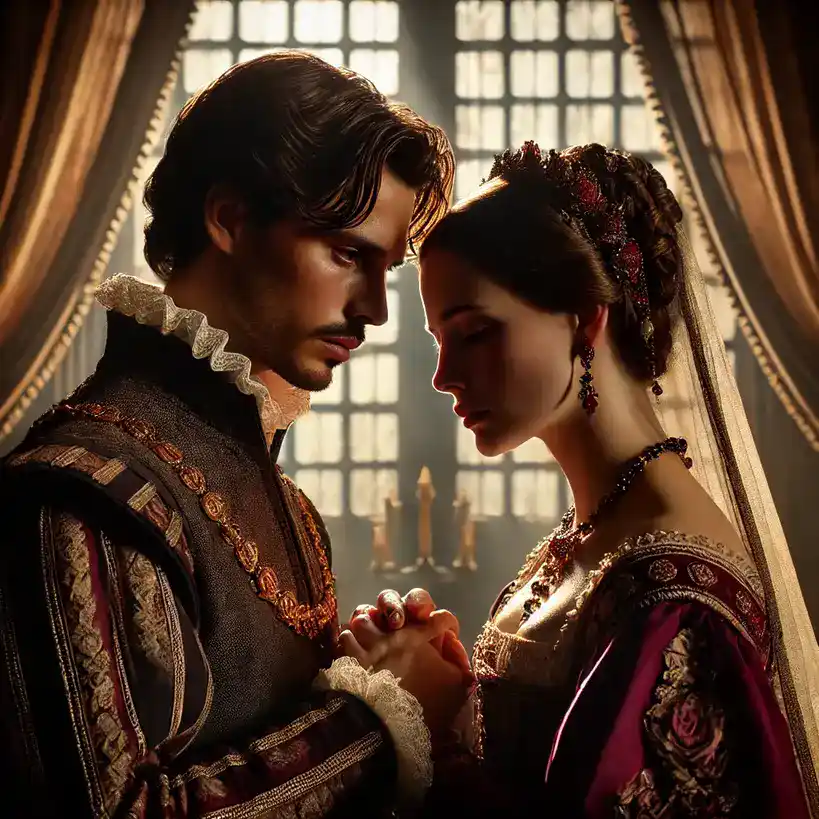
Then, in The Piccolomini, tension thickens. We move into a world of strategic marriages, coded letters, and dangerous confidences. The inner circle fractures. Octavio Piccolomini, once trusted, is quietly plotting for the emperor. His son Max, caught between friendship and duty, emerges as the play’s tragic heart. His love for his daughter Thekla only adds to the emotional stakes.
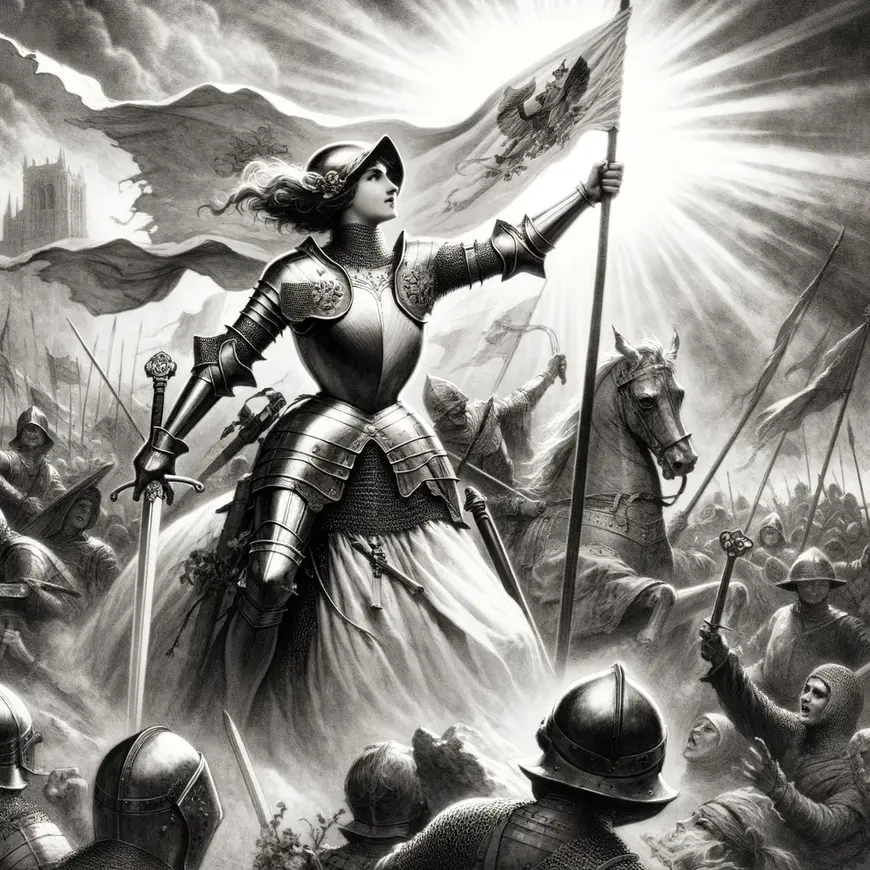
By Wallenstein’s Death, everything unravels. Allies turn. Assassins close in. Prophecies tighten their grip. Wallenstein, once a towering figure of control, is isolated, betrayed, and ultimately murdered by those he once trusted. Yet the author ensures this isn’t a story of one man’s fall alone. It’s the collapse of ideals in the face of political necessity.
What struck me is how slowly and deliberately the novelist builds the tension. This isn’t fast-paced drama — it’s a methodical study in loyalty. Similar to Of Mice and Men by John Steinbeck, the heartbreak is in watching characters walk knowingly toward ruin. Each act deepens the emotional cost.
👉 Like in Amerika by Franz Kafka, the machinery of institutions swallows individual will. The story’s force lies not in what happens, but in the inevitability of how it happens. You don’t read this book to be surprised — you read it to understand how betrayal feels from the inside.
Fate, Loyalty, and the Political Soul
The themes in the work cut deep. Most of all, it asks: Can a man remain loyal to his ideals in a world built on compromise? His struggle isn’t with the emperor — it’s with the loss of moral clarity. Once a brilliant general, he now doubts whether any cause is just, or if war is only a game of shifting allegiances.
Loyalty appears in every corner. Soldiers defend Wallenstein despite his flaws. Max defies his father for love. The protagonist himself refuses to kneel blindly, even as it seals his doom. These loyalties are emotional, not strategic. The playwright makes clear: power may demand betrayal, but the human heart resists.
Another powerful theme is fate. Astrological prophecy looms over the plot, warning of death and division. W. believes in the stars — and that belief drives his decisions. This mysticism might seem out of place in a political drama, yet it mirrors the irrational forces that shape real history. Power isn’t logical; it’s haunted.
I was reminded of The Waves by Virginia Woolf, where characters are shaped by unseen currents. The main character, like Woolf’s voices, grapples with identity and destiny. He’s a general, a dreamer, a doomed figure all at once. Even his defiance feels scripted by something larger than himself.
These themes ripple beyond Schiller’s era. In a world of fragile democracies and shifting allegiances, the book asks the timeless question: What does it cost to remain human in a system built to crush conviction?
A Cast Shaped by Conflict
Friedrich Schiller crafts a cast that feels pulled from history and myth at once. He dominates the stage — complex, magnetic, and deeply human. He isn’t a villain, yet his ambition clouds his judgment. What makes him fascinating is his introspection. He knows betrayal is coming, yet can’t bring himself to flee or fight it in time.
Max Piccolomini is the soul of the trilogy. His arc is a tragedy within a tragedy. Torn between filial duty and personal loyalty, his idealism leads to heartbreak. His love for Thekla is tender and pure — a bright flame in the political dark. Their doomed bond reminded me of Strait is the Gate by André Gide, where love and duty pull characters in opposite directions.
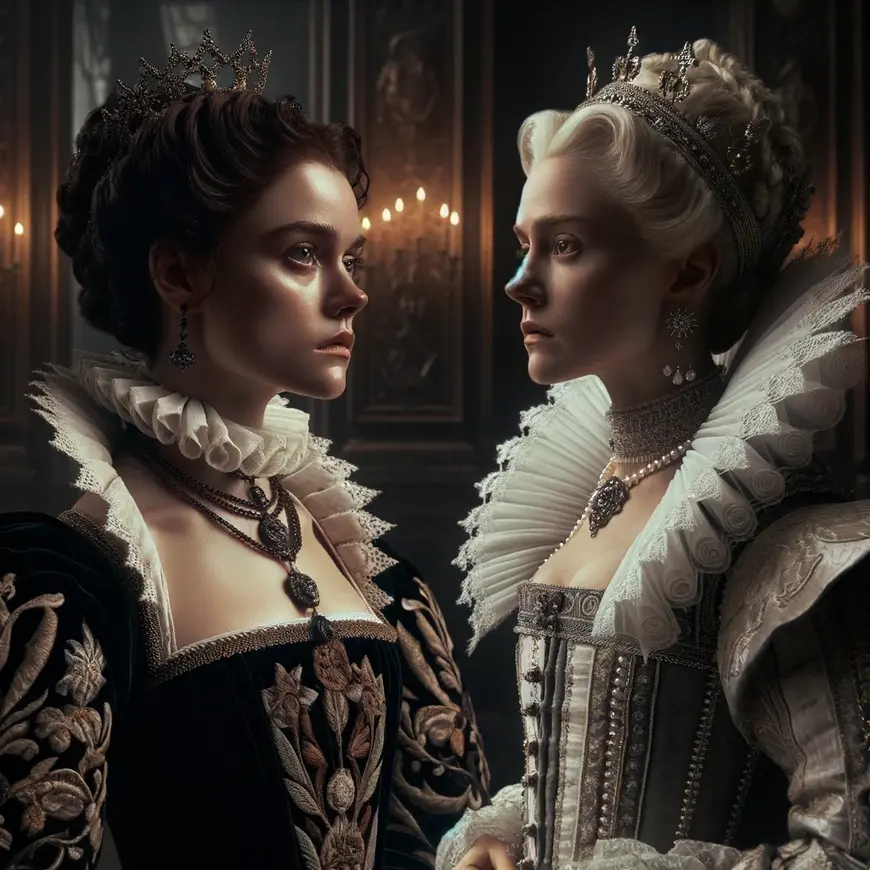
Octavio Piccolomini is the system incarnate: calm, calculating, efficient. His betrayal doesn’t come from hatred but from belief in the emperor’s will. That’s what makes it chilling. It reflects the quiet cruelty of loyalty to abstract ideals. Thekla, his daughter, mirrors the tragedy of being born into power. Her fate isn’t hers to choose.
Even minor characters like the astrologer Seni add depth. They show how myth, belief, and emotion cloud political judgment. In a way, each character stands for a version of truth — military loyalty, romantic love, imperial service, or spiritual conviction.
👉 Like in Death in the Afternoon by Ernest Hemingway, where heroism is tied to fatalism, Wallenstein shows how honor becomes a trap. These characters don’t fall because they’re weak — they fall because they believe too much.
The Language of Destiny and Doubt
Reading Wallenstein is like walking through thunder. The language pulses with gravity. The author uses rich monologues, layered arguments, and sudden turns of feeling. His words are philosophical, but never dry. Even the political speeches crackle with personal weight. He’s not writing for action — he’s writing for consequence.
What struck me most is how internal the language feels. We’re always inside someone’s mind — turning over motives, weighing possibilities, doubting what they knew yesterday. This mirrors what Truman Capote achieved in Music for Chameleons, blending observation with self-revelation. But while Capote is casual and intimate, the writer is orchestral and precise.
In his soliloquies, the general becomes a philosopher. He debates himself. Is loyalty a virtue or a trap? Are the stars signs or illusions? His speeches rise, fall, and break under their own weight. The rhythm of the writing often mimics his state of mind — confident, then unsure, then defiant again.
Yet the most moving language belongs to Max and Thekla. Their scenes offer lyrical softness in contrast to the military steel elsewhere. Their words don’t seek to win arguments — they seek to feel. That vulnerability hits hard, especially when you sense how doomed they are.
👉 In many ways, Friedrich Schiller’s language bridges poetic intensity with political depth. Like The Flowers of Evil by Baudelaire, it seeks not only to describe the world but to strip it bare. The book doesn’t shout — it echoes in the mind long after the final line.
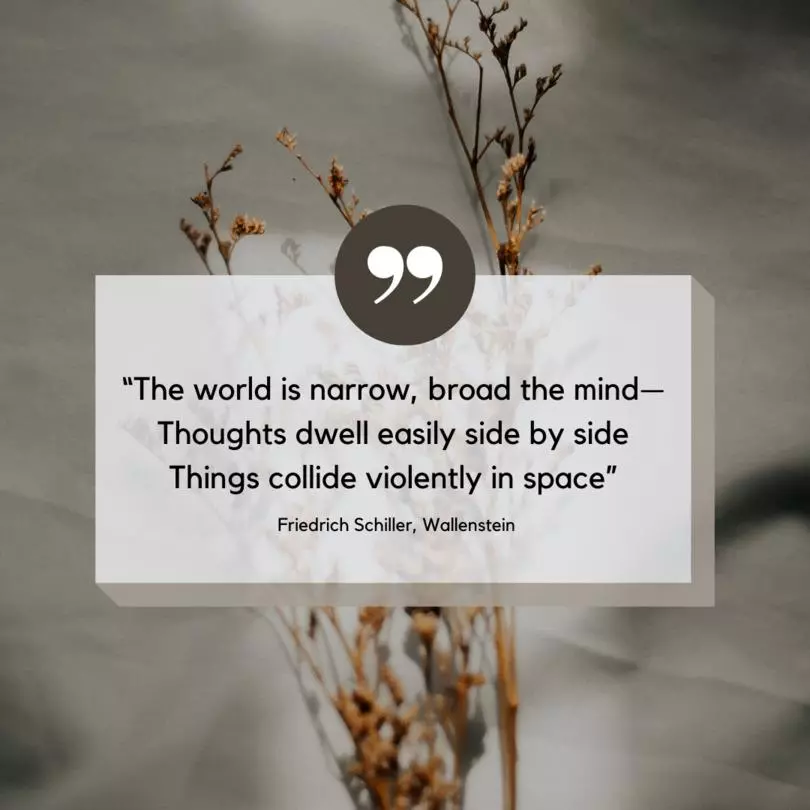
Quotes from Wallenstein by Friedrich Schiller
- “The strong man is strongest alone.” This quote reflects his growing sense of isolation and suspicion. It captures the tension between leadership and vulnerability — a key theme throughout the trilogy.
- “A man like Wallenstein must be trusted, or not at all.” Here, Friedrich Schiller exposes the binary logic of power. Trust isn’t partial in politics — it’s all or nothing. And when trust fades, consequences are fatal.
- “He who has once begun to live by politics, never again finds rest in his private life.” This line speaks to the cost of public ambition. W. is no longer just a man — he’s a symbol, caught in a role he can’t escape.
- “Every step he takes is watched, every word weighed.” A haunting reminder that power brings exposure. Even loyalty turns into surveillance. The general walks a stage built of judgment.
- “Destiny leads the willing, and drags the unwilling.” The author leans into fatalism here. Characters either follow the path set before them or are crushed by it. There’s no opting out of history’s force.
- “We trust in stars when we no longer trust in men.” This poetic line captures his turn toward astrology. It’s less superstition than a search for control in a world unraveling around him.
- “I have lived long enough to see the masks fall.” Disillusionment cuts deep in this moment. He sees through appearances — both political and personal — and it’s a bitter clarity.
- “Love and war — both demand surrender.” A thematic bridge between the personal and political. Max and Thekla’s story runs parallel to the broader tragedy, proving emotion isn’t immune to conflict.
Trivia Facts about Wallenstein
- Final Completed Drama: The play was his first major dramatic work after a decade of historical study. It marked a turning point in his career, blending poetic vision with political inquiry.
- A Trilogy Shaped by History: The three parts of this work are based on real events during the Thirty Years’ War. Schiller drew inspiration from detailed historical records, much like 👉 The Time of the Hero by Mario Vargas Llosa blends fiction with historical context.
- Historical Basis: The trilogy is based on the life of Albrecht von Wallenstein, a Bohemian military leader and politician. Who commanded the Imperial forces in the Thirty Years’ War. Friedrich Schiller’s portrayal, while dramatized, closely follows the historical events leading up to his assassination in 1634.
- Originally Published in 1800: The full trilogy premiered in 1800 in Weimar under the direction of Johann Wolfgang von Goethe, who was a close collaborator and friend of him during that period.
- Character Name Echo in French Literature: The name Wallenstein appears symbolically in French novels of the 19th century as a shorthand for overreaching military ambition, similar to how Woyzeck by Georg Büchner functions in later German literature.
- Thekla Inspired Later Romantic Heroines: Thekla’s arc influenced portrayals of tragic, morally torn heroines in 19th-century drama, such as those seen in 👉 Mansfield Park by Jane Austen.
- Themes Echoed in South American Literature: His use of fate and military collapse influenced authors like Jorge Amado. His Gabriela, Clove and Cinnamon explores political loyalties in a very different cultural setting, but with similar undercurrents.
Why I Loved It: Complexity Without Compromise
What I loved about the drama is its refusal to simplify. Friedrich Schiller offers no easy villains or heroes. Instead, he gives us layered people caught in impossible choices. Every character feels alive — flawed, thoughtful, aching for something better. That kind of emotional complexity is rare in historical drama.
The play also made me feel the cost of power. His fall isn’t just about politics — it’s about trust. The people who stand closest to him are the ones who betray him. And yet, even in that betrayal, you understand their reasoning. The emotional stakes are high because no one is purely good or bad.
The slow pace worked in the play’s favor. It gave room for the tension to breathe. Each decision had weight. Each conversation felt like the turning of a key in a locked door. I appreciated the way the playwright trusted readers to follow — to engage in the deeper moral questions. That approach reminded me of the structure and intensity in Humboldt’s Gift by Saul Bellow, where philosophical reflection doesn’t slow the story but fuels it.
And then there’s the writing. His language is stunning. I often paused just to reread a line — not for clarity, but for beauty. His words sound like they belong on stage, but they also speak to private fears: ambition, disillusionment, legacy. These are timeless emotions, handled with immense care.
Ultimately, Wallenstein felt like more than a play. It felt like an inquiry into the price of belief — in others, in systems, and in oneself. And I admired every step of its journey.
Final Thoughts: A Tragedy That Still Resonates
Finishing the drama, I felt something I rarely feel after reading a play: silence. The kind of silence that asks for reflection, not closure. Friedrich Schiller doesn’t tie things up neatly. He leaves you in a space of moral uncertainty, where history and humanity collide.
The themes of loyalty, fate, and political pressure still echo today. In fact, I’d argue that Wallenstein feels especially urgent in an age where institutions often fail individuals. The machinery of empire, the costs of speaking out, the weight of ideals — these aren’t relics of the 17th century. They’re modern dilemmas.
From a literary perspective, the play also deepens my appreciation for what drama can do. Like The Threepenny Opera by Brecht, it doesn’t just entertain — it challenges. And like Lunar Park by Bret Easton Ellis, it explores what happens when identity fractures under pressure. His genius is in showing that public decisions are always haunted by private doubts.
As a reader, I walked away with questions more than answers — but the kind of questions I want to keep asking. That’s the mark of great literature. Wallenstein isn’t easy, but it’s generous. It offers insight, not instruction. Complexity, not comfort.
If you’re looking for a play that rewards deep reading, philosophical thinking, and emotional investment, the work will deliver. It’s not just about a man. It’s about the forces — visible and invisible — that shape history and break hearts.