Famous Authors and Reviews (H-Z)
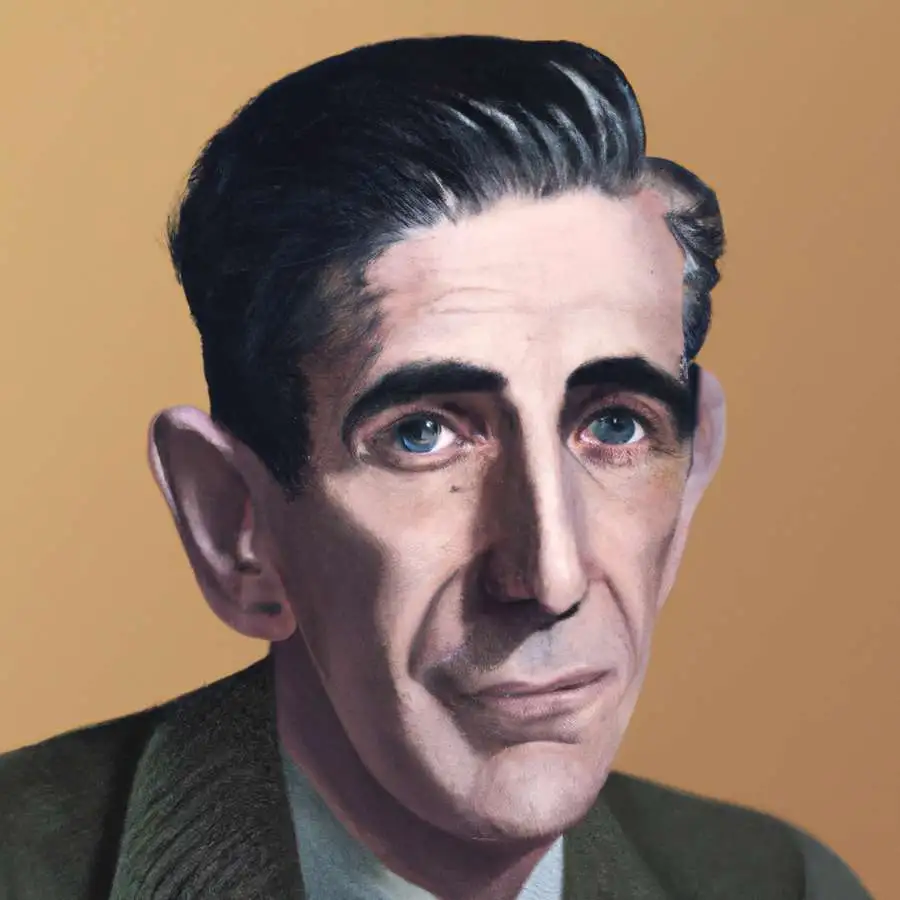
J. D. Salinger
J. D. Salinger: A Literary Enigma Jerome David Salinger, commonly...
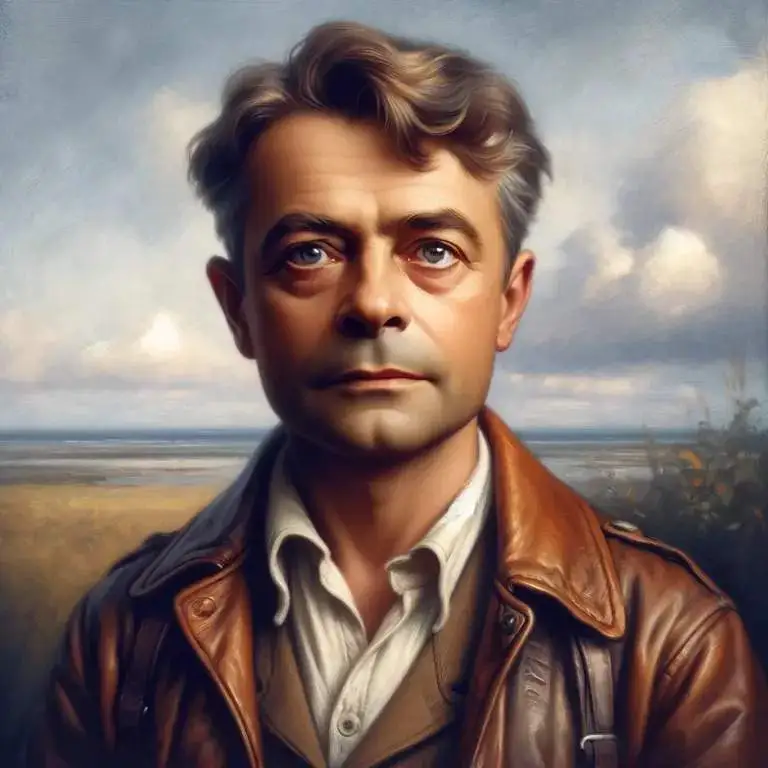
Antoine de Saint-Exupéry
Exploring the Legacy of Antoine de Saint-Exupéry – Life and...

Gabriel García Márquez
Gabriel García Márquez: A Life Painted in the Colors of...
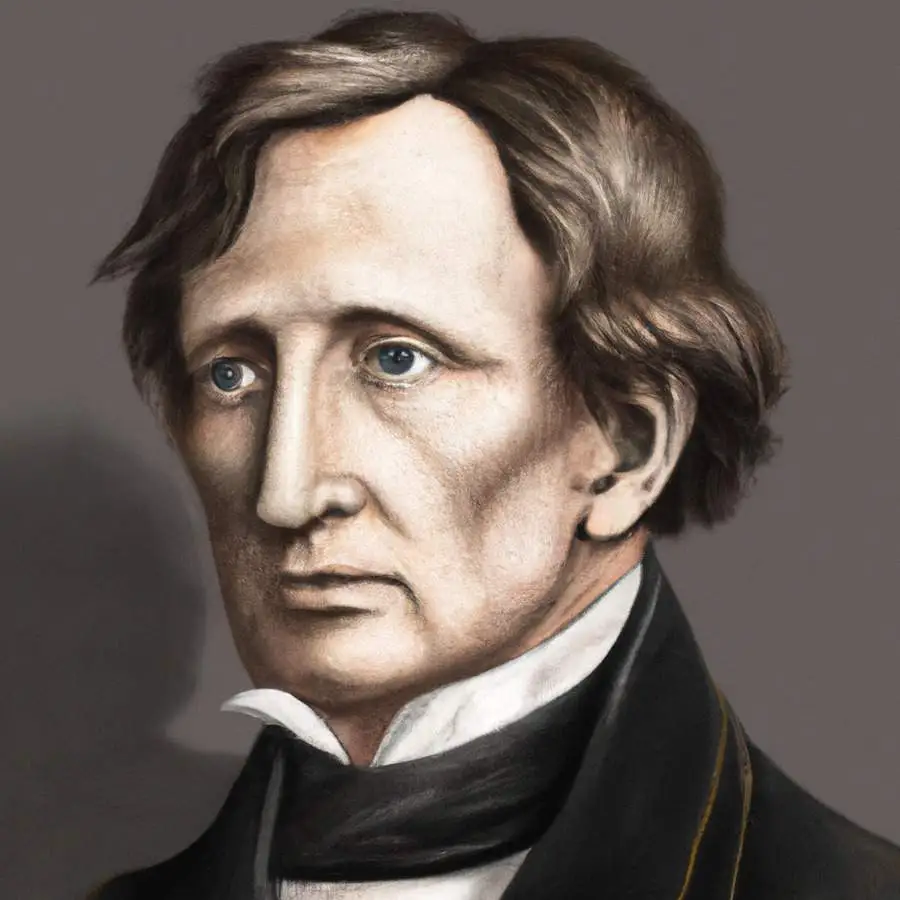
Heinrich Heine
Heinrich Heine: The Poetic Rebel of German Literature Heinrich Heine,...
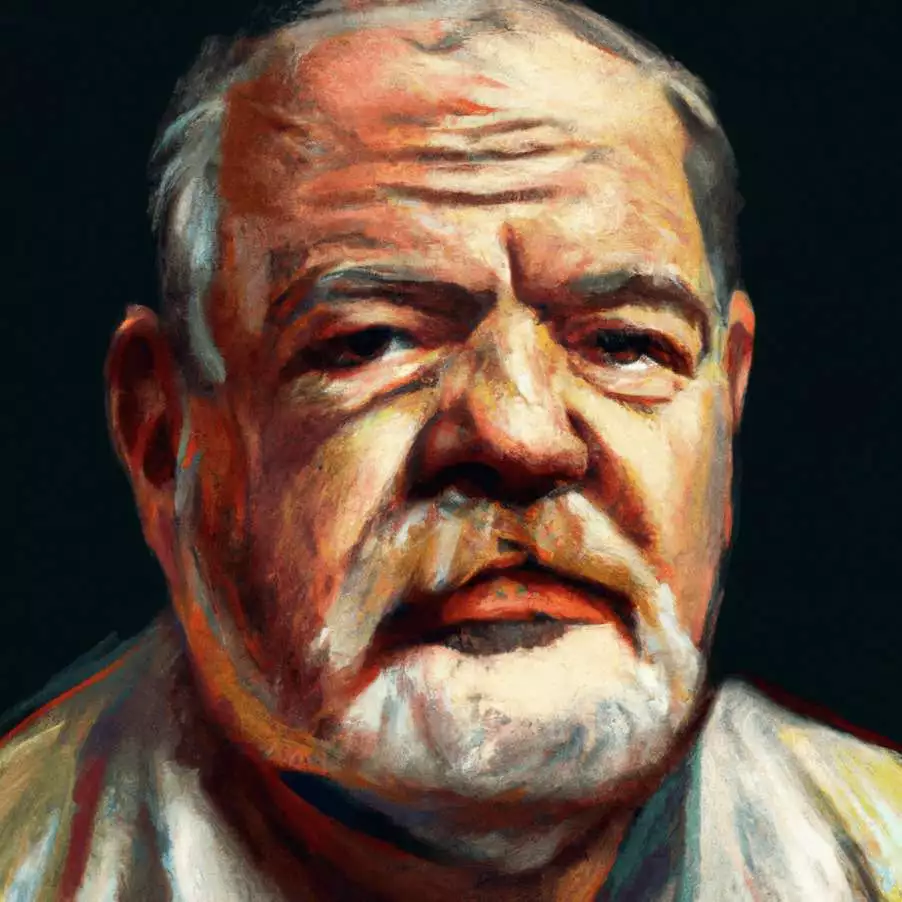
Ernest Hemingway
Essay on Ernest Hemingway: A Literary Giant and Master of...
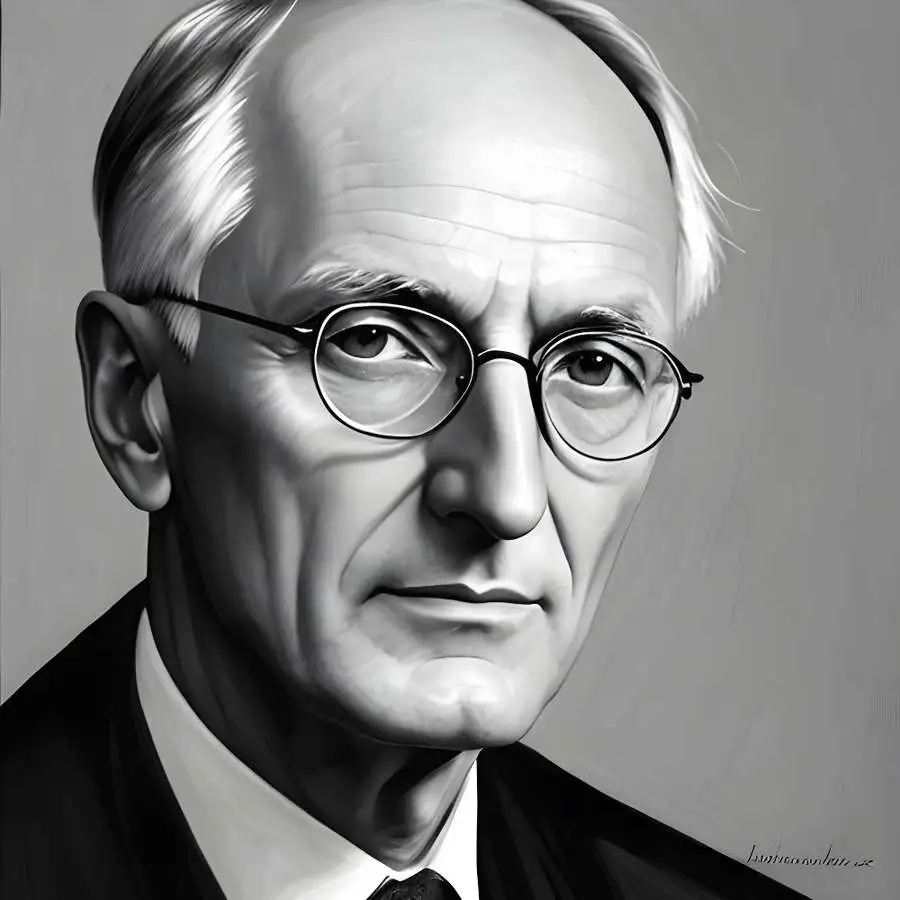
Hermann Hesse
Hermann Hesse – the Depths of the Human Soul Hermann...
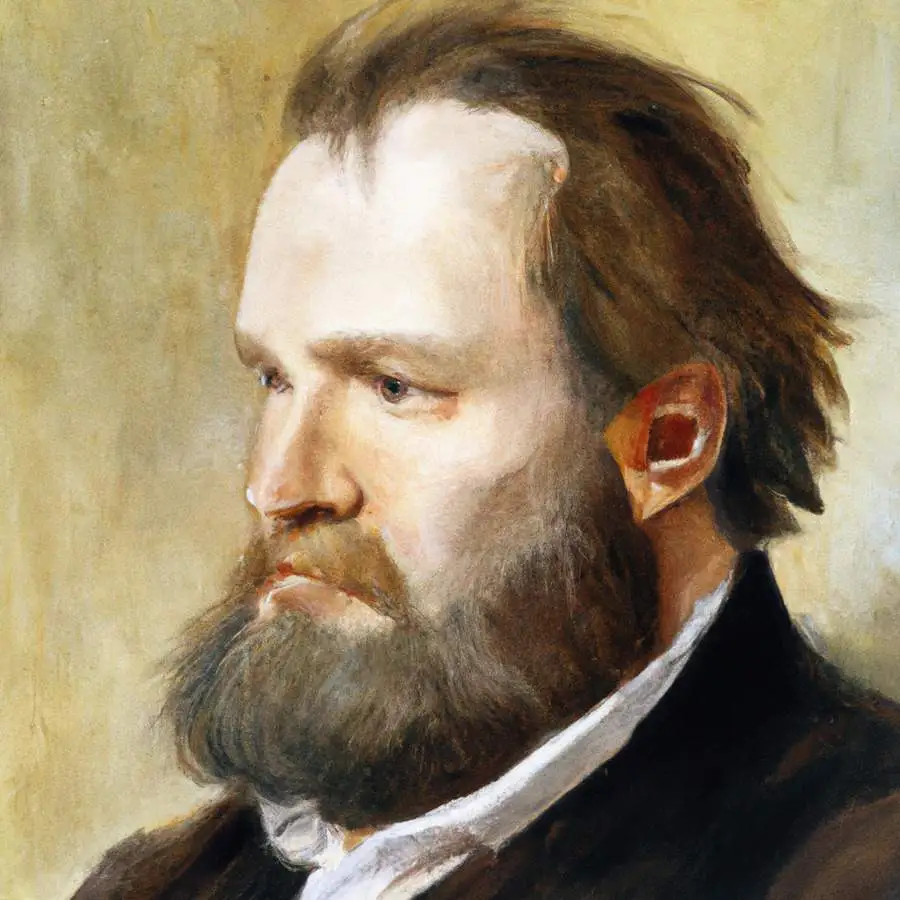
Victor Hugo
Victor Hugo: A Titan of Literature and Activism In the...
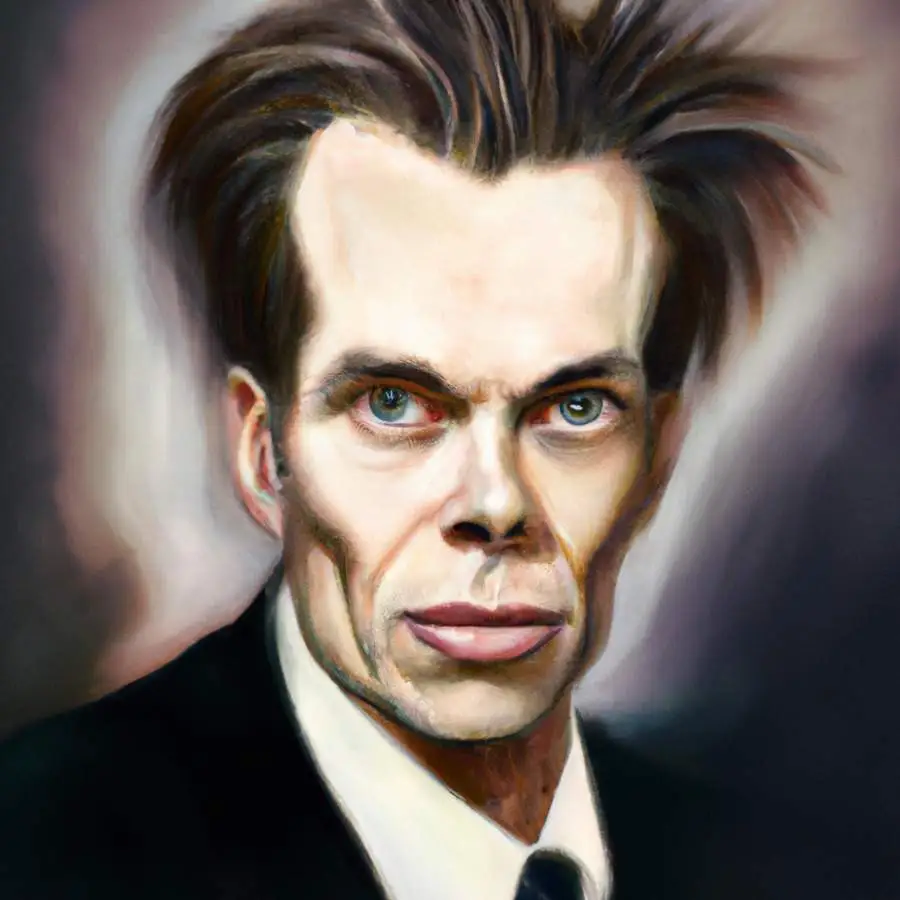
Aldous Huxley
Aldous Huxley: A Visionary Writer and Intellectual Luminary Aldous Leonard...
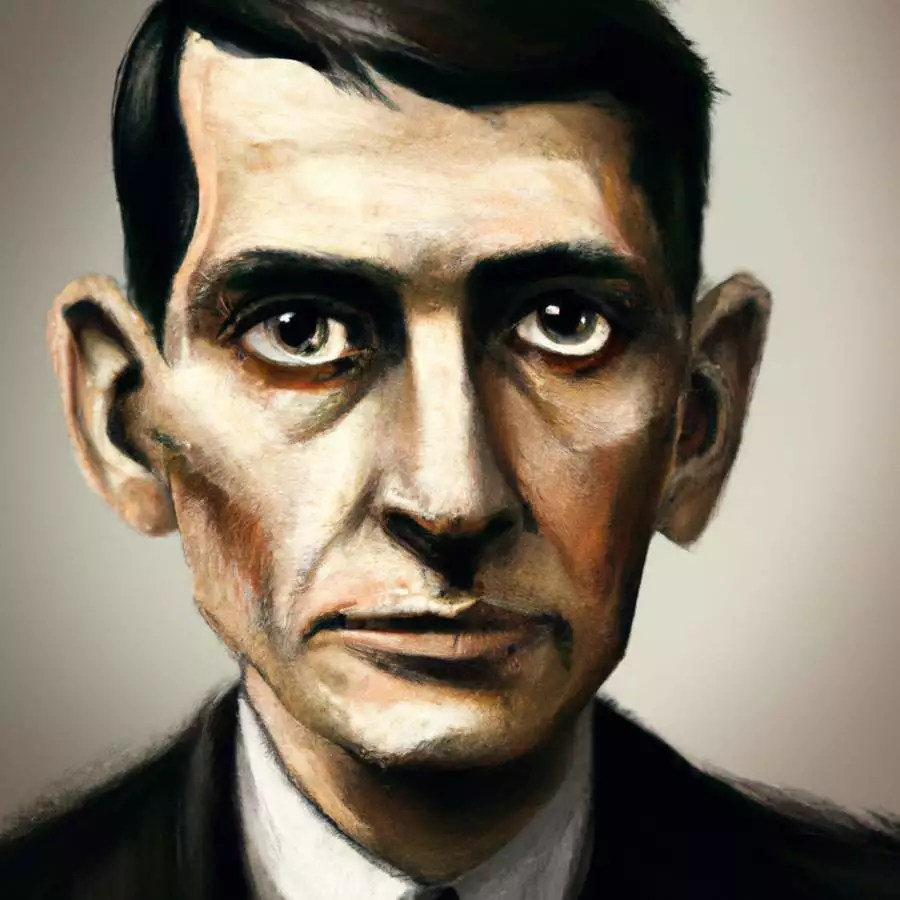
Franz Kafka
Franz Kafka: the Labyrinth of Existence Franz Kafka, a name...
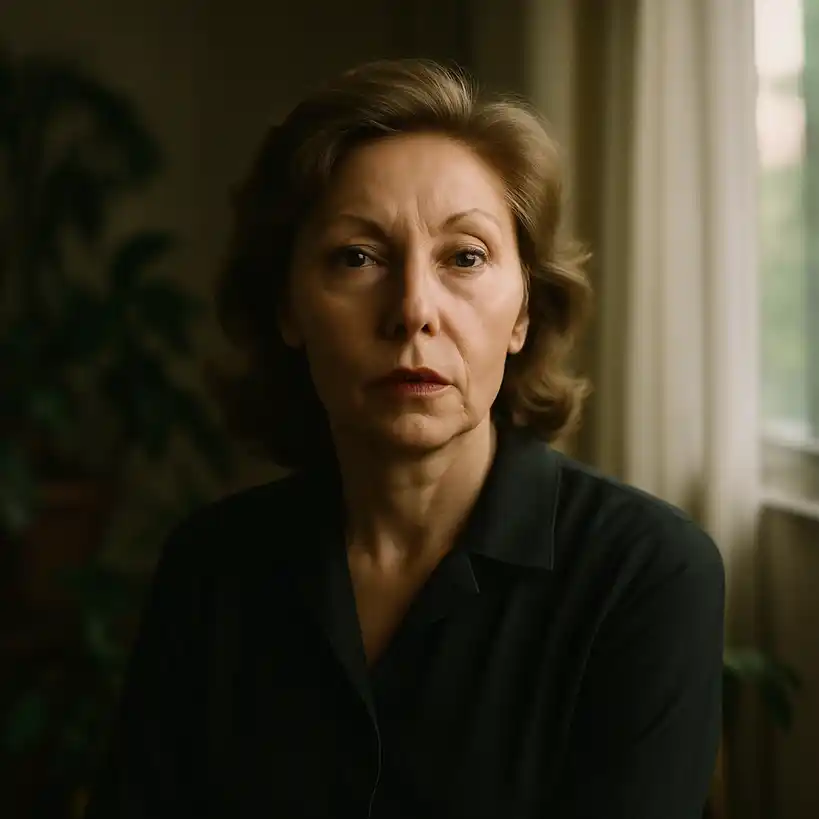
Clarice Lispector
Clarice Lispector: inside the quiet storm Open a page by...

Thomas Mann
Thomas Mann: A Literary Maestro Thomas Mann, born on June...
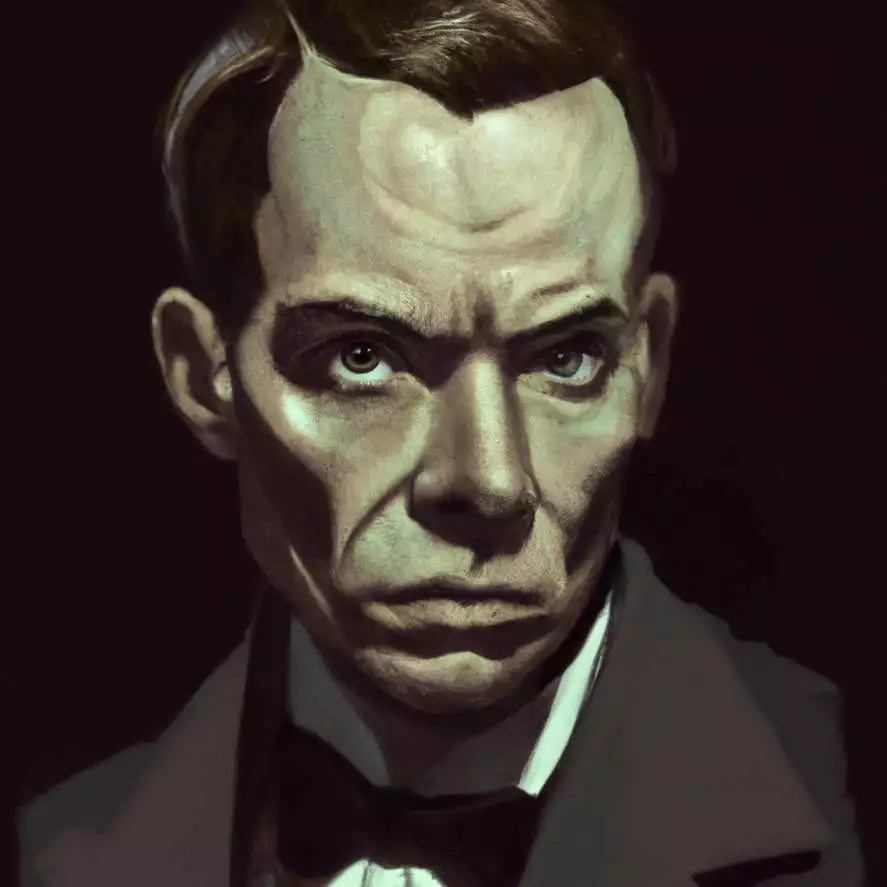
Erich Maria Remarque
Erich Maria Remarque: A Literary Voice Amidst Turmoil Erich Maria...

Ana Maria Machado
Ana Maria Machado: learning by laughter Ana Maria Machado writes...
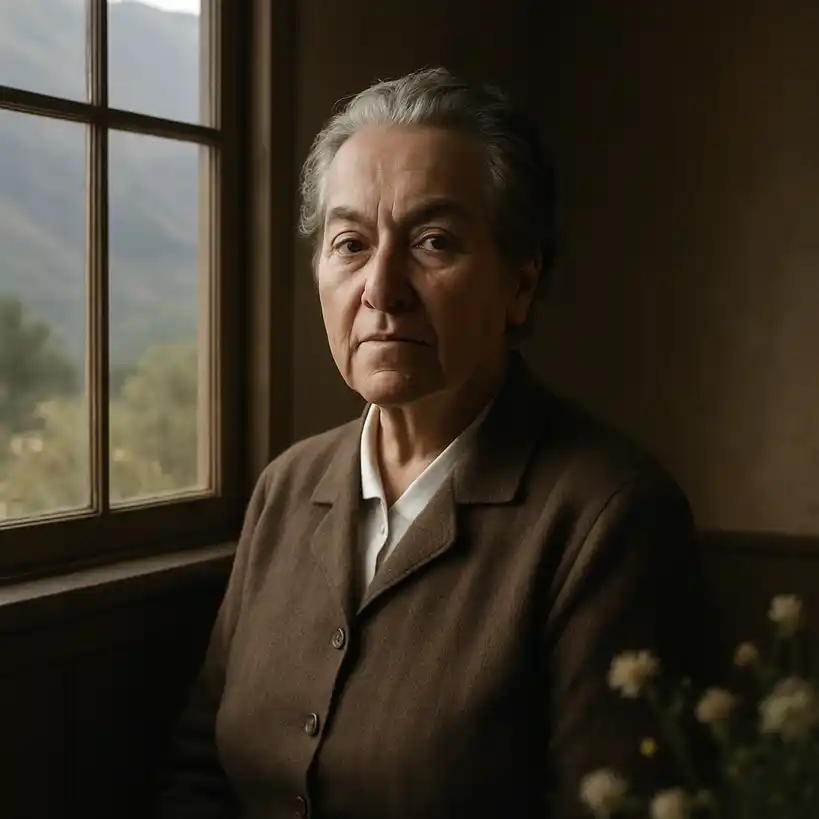
Gabriela Mistral
Reading Gabriela Mistral: cradle and light Gabriela Mistral writes as...
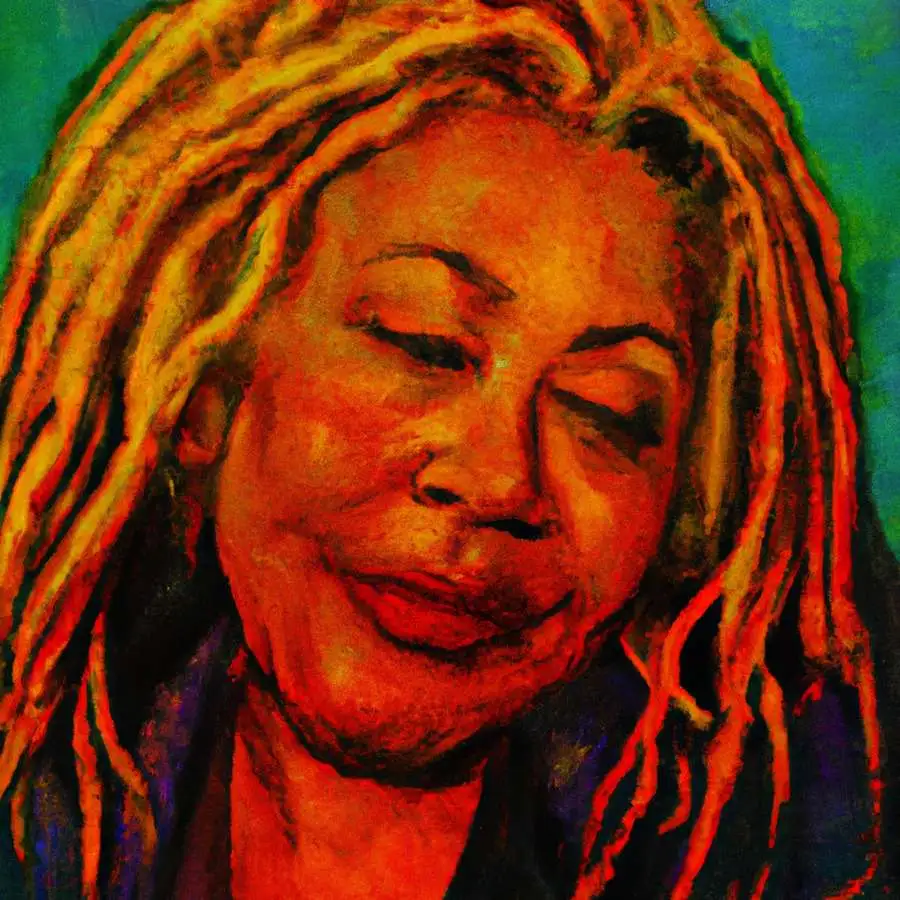
Toni Morrison
Toni Morrison: Illuminating the Power of Storytelling and Social Consciousness...
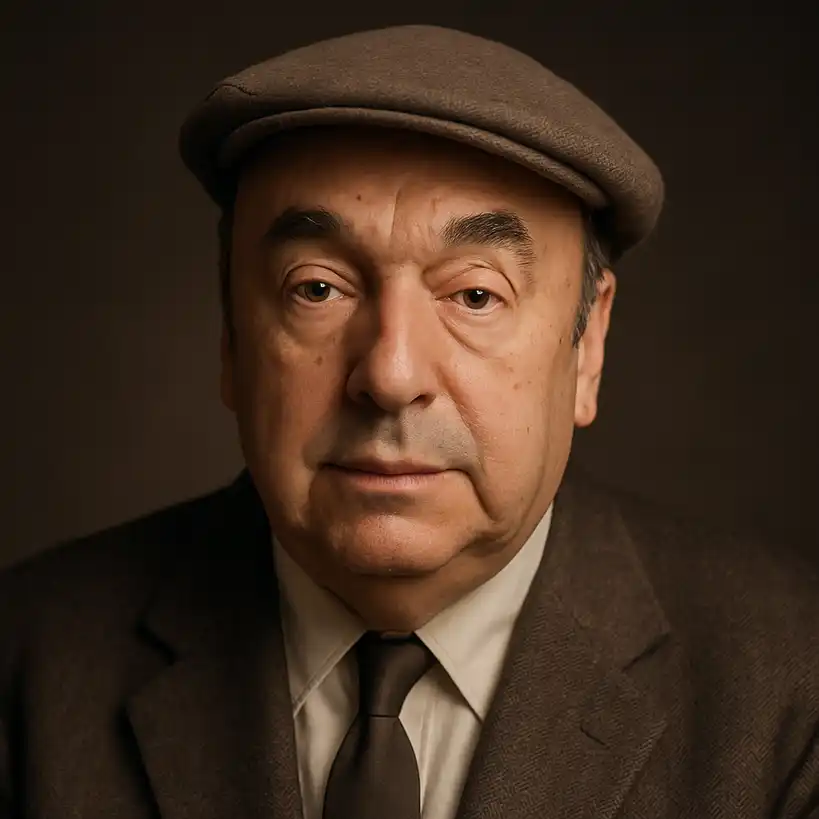
Pablo Neruda
Reading Pablo Neruda: where to begin Pablo Neruda meets readers...
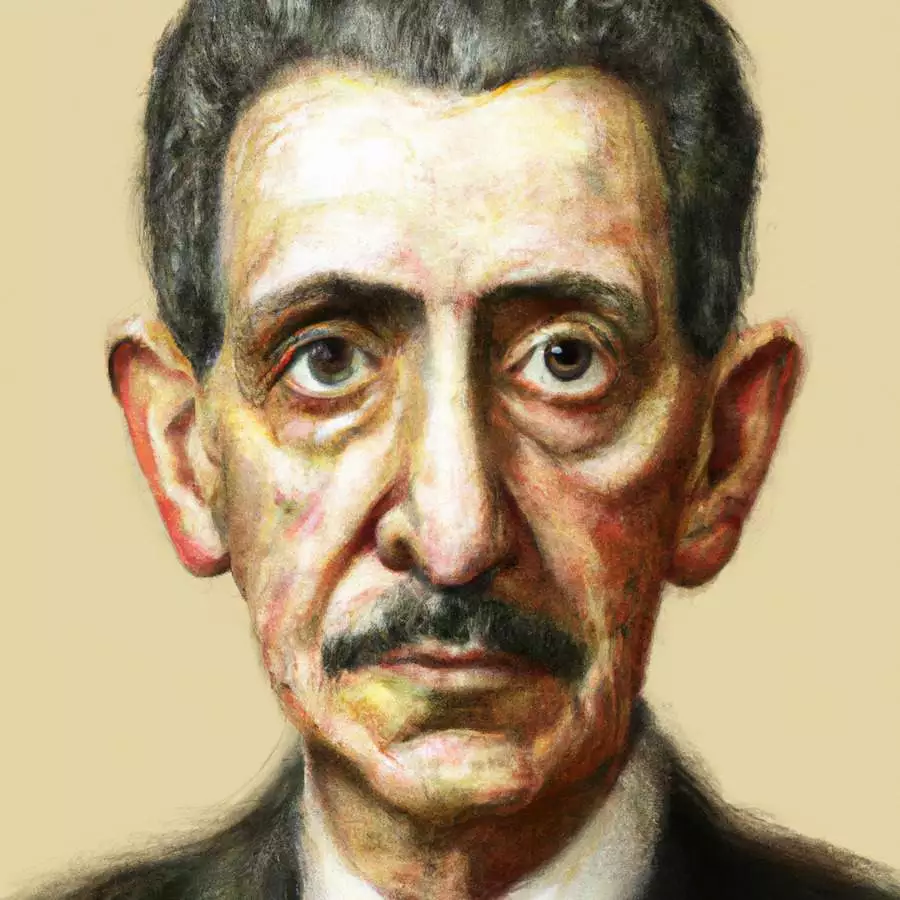
George Orwell
George Orwell: the World with Truth and Vision George Orwell,...

Fernando Pessoa
Fernando Pessoa: The Poet Who Became a Crowd When people...
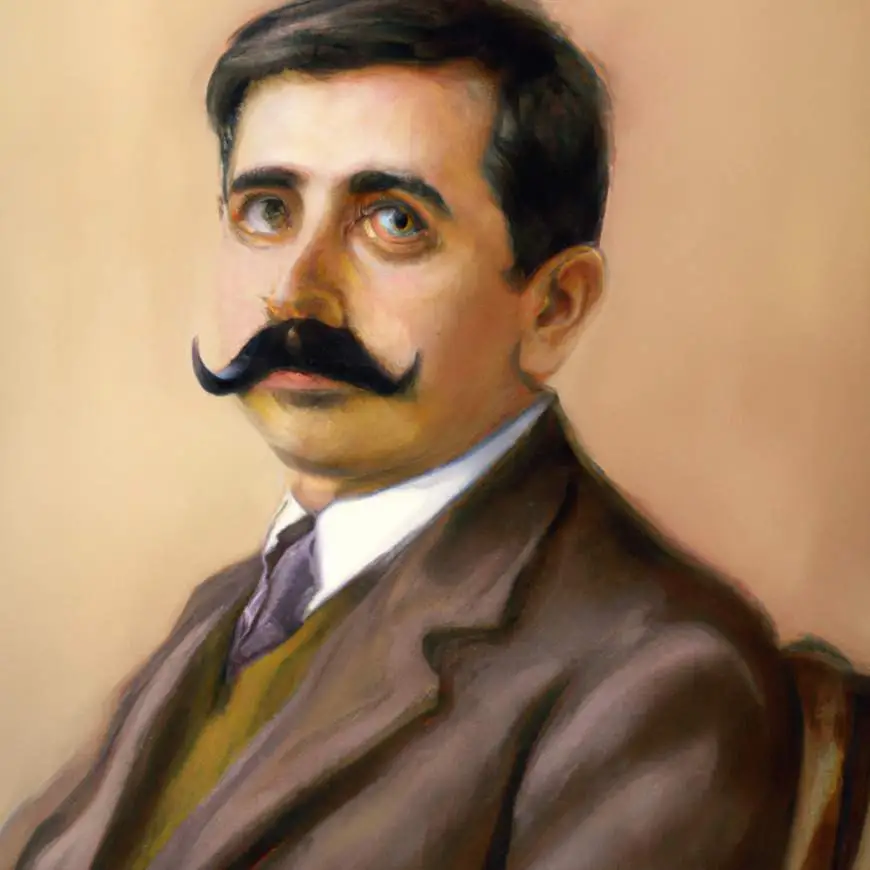
Marcel Proust
Marcel Proust: Unveiling the Literary Enigma Marcel Proust, a towering...
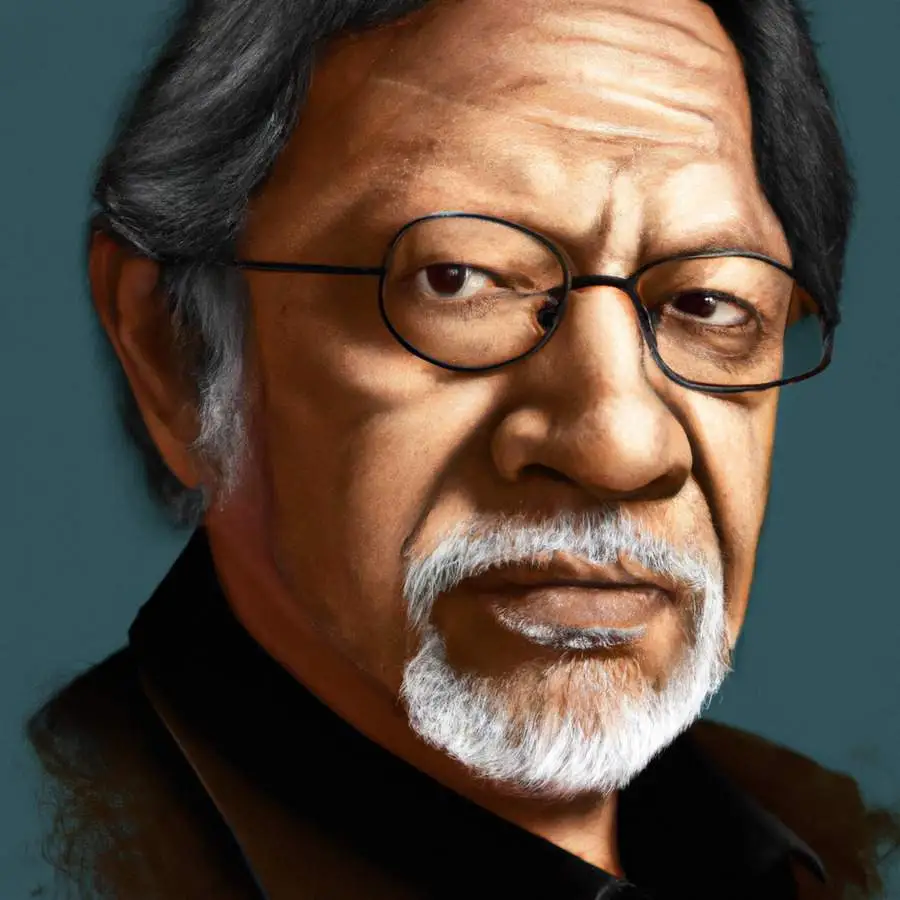
V. S. Naipaul
V. S. Naipaul: A Literary Journey of Exploration and Identity...

Françoise Sagan
Françoise Sagan: The Enigmatic Prodigy of Post-War Literature Françoise Sagan,...

José Saramago
José Saramago: A Life of Stories and Ideas José Saramago’s...
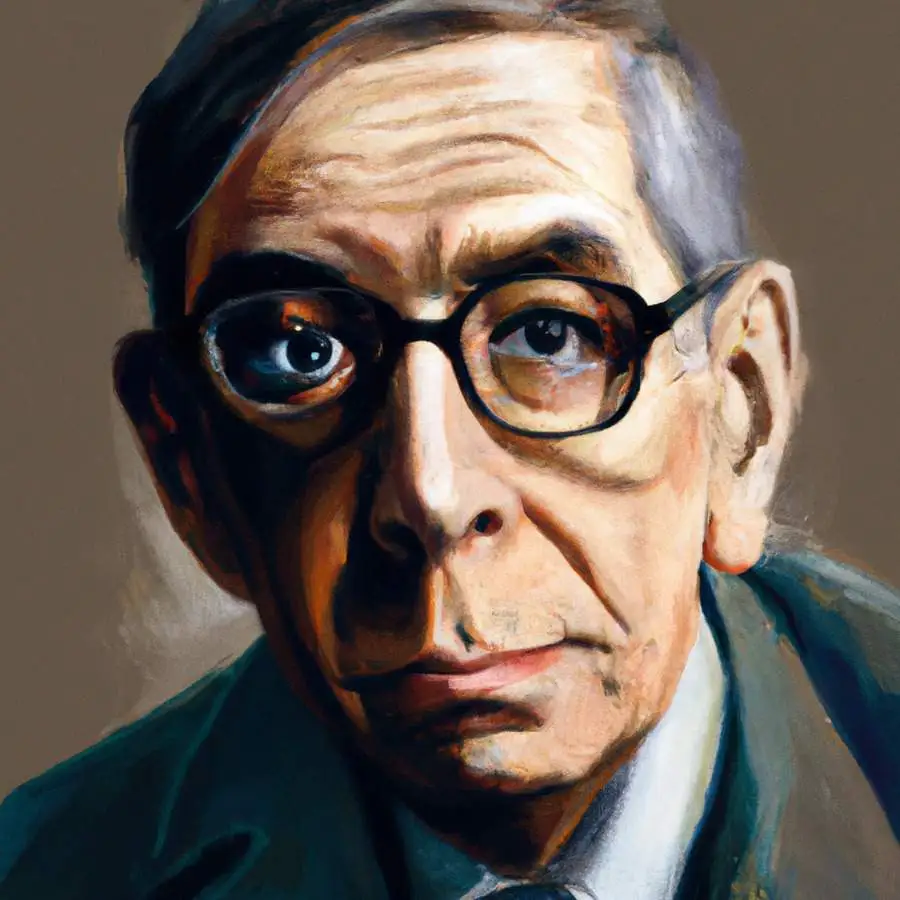
Jean-Paul Sartre
Jean-Paul Sartre: The Existentialist Giant Jean-Paul Sartre was a towering...
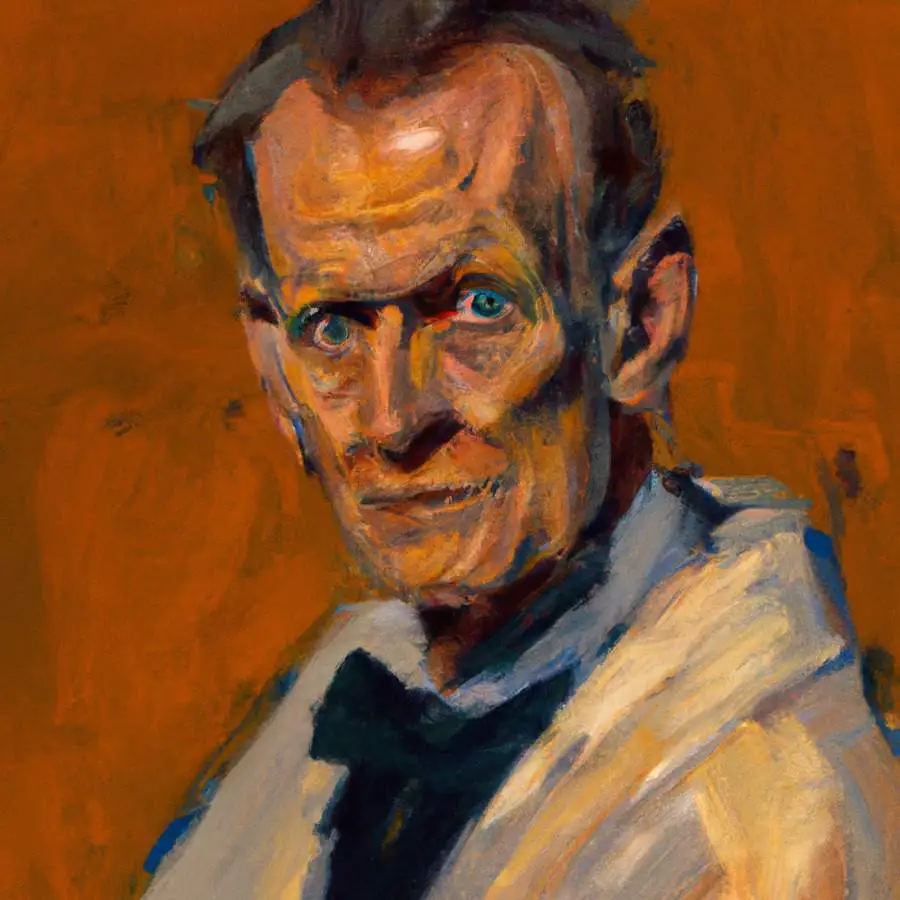
Frank Schätzing
Frank Schätzing: A Literary Voyager into Imagination In the vast...
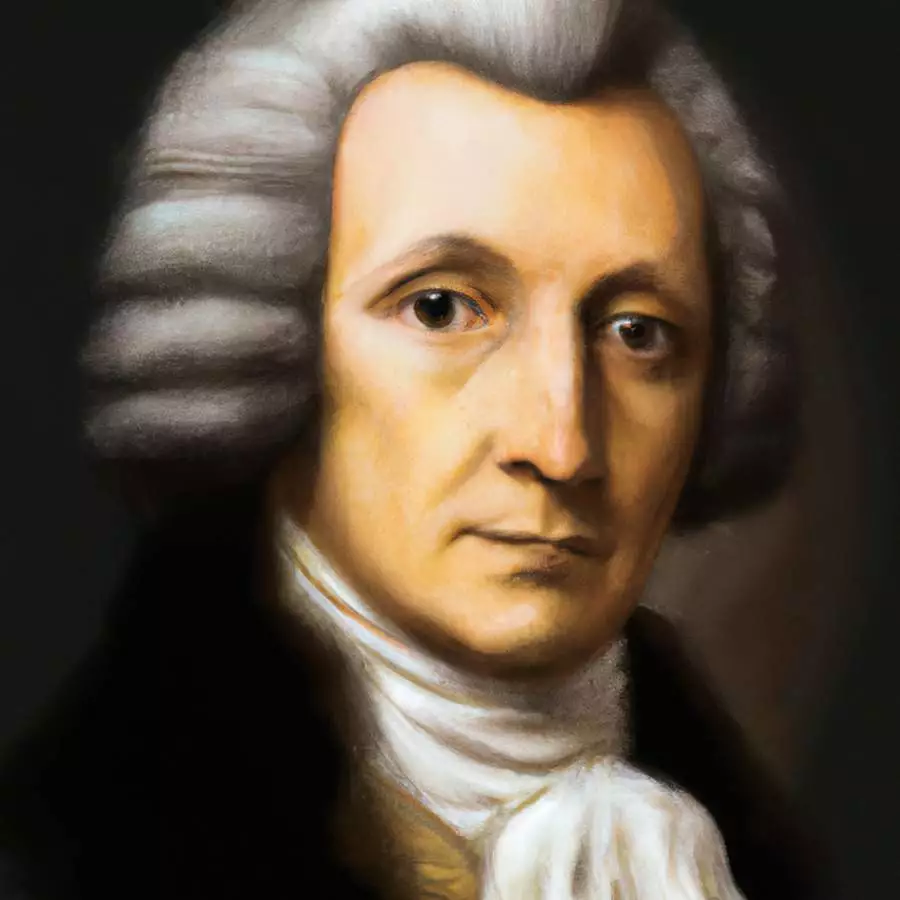
Friedrich Schiller
Friedrich Schiller: A Journey Through Creativity and Idealism Friedrich Schiller,...
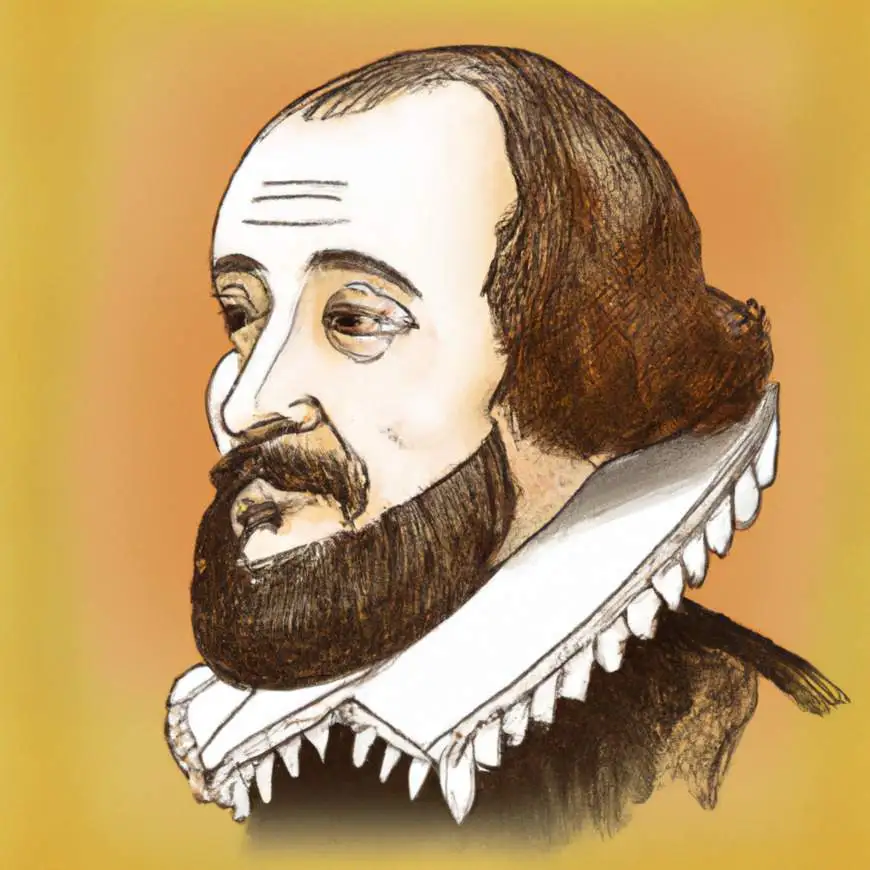
William Shakespeare
William Shakespeare: The Bard of Avon William Shakespeare, widely regarded...
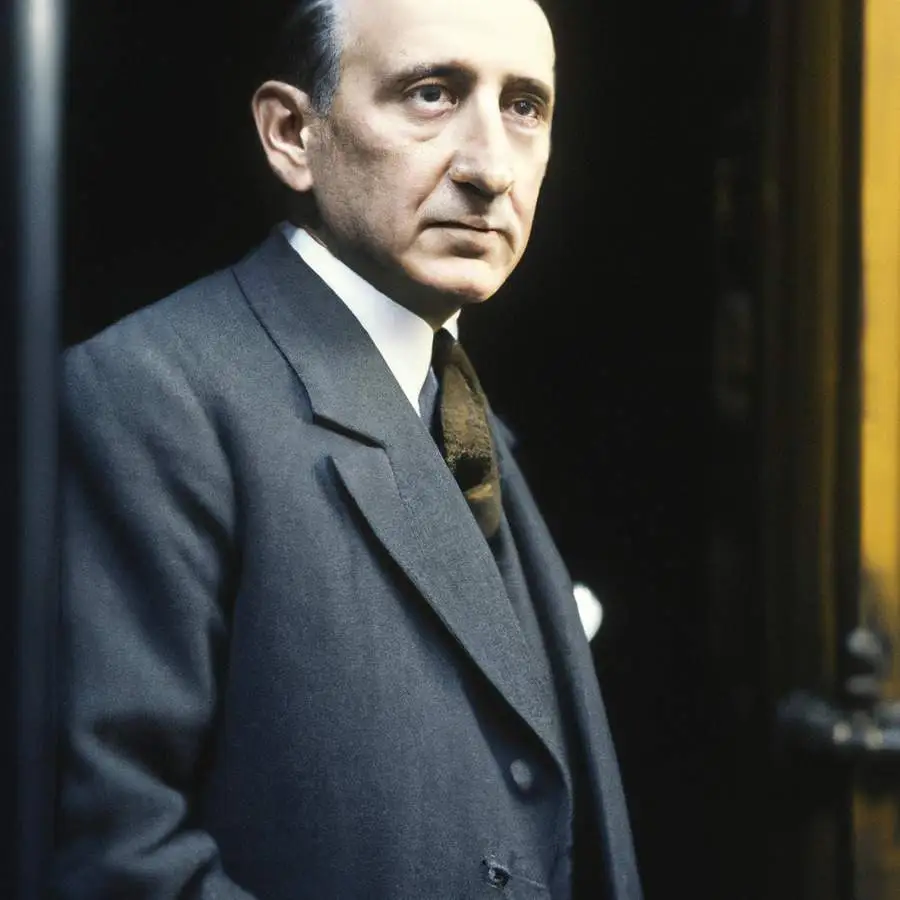
Claude Simon
Claude Simon: The Artistic Odyssey of Time and Memory In...
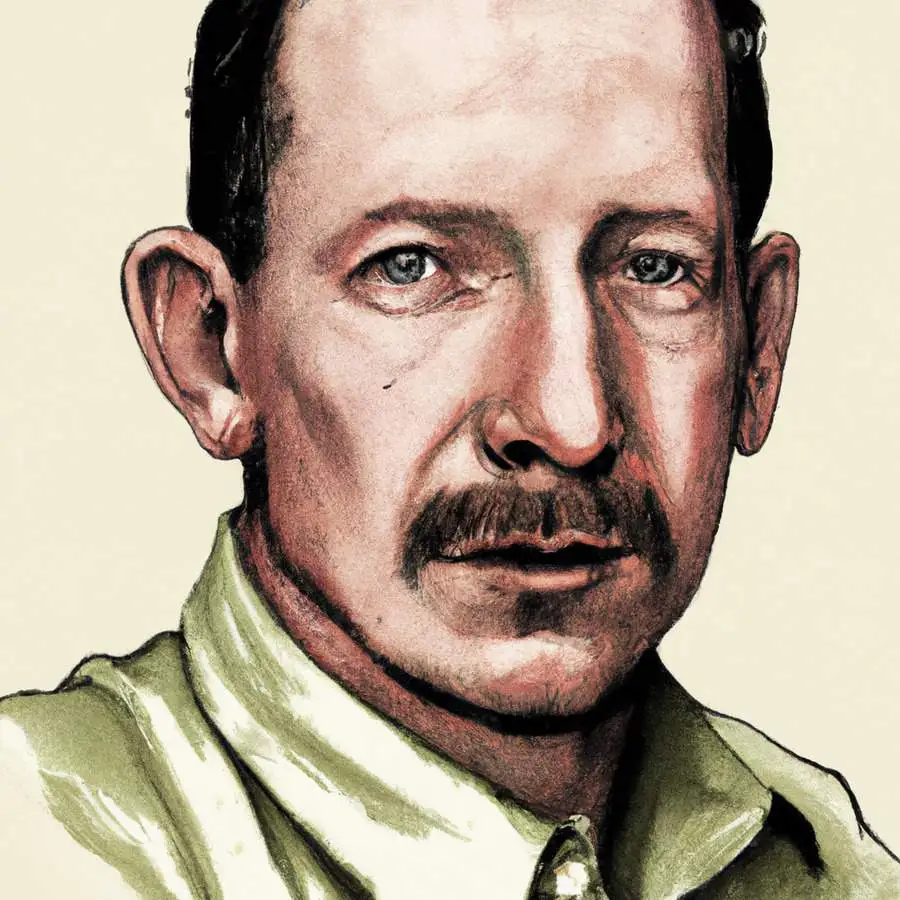
John Steinbeck
The Extraordinary Journey of John Steinbeck – From Salinas to...

Leo Tolstoy
Leo Tolstoy: your guide to the canon Leo Tolstoy invites...
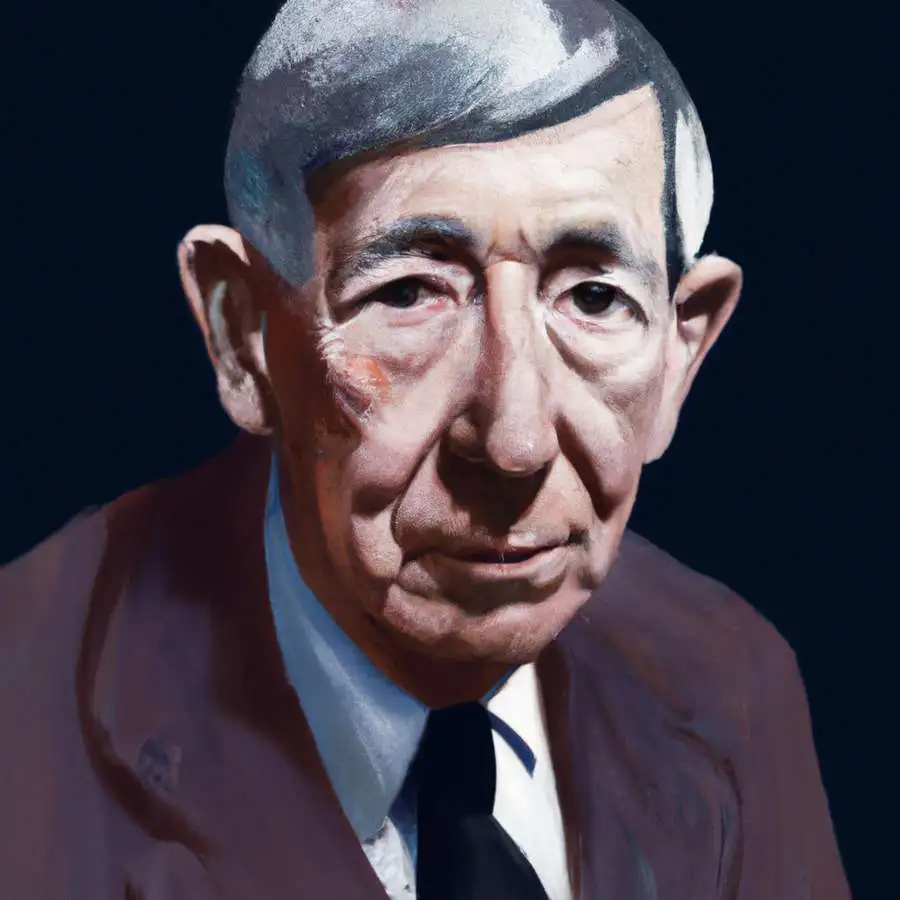
John Updike
John Updike: The Prolific Penman of American Life John Updike...
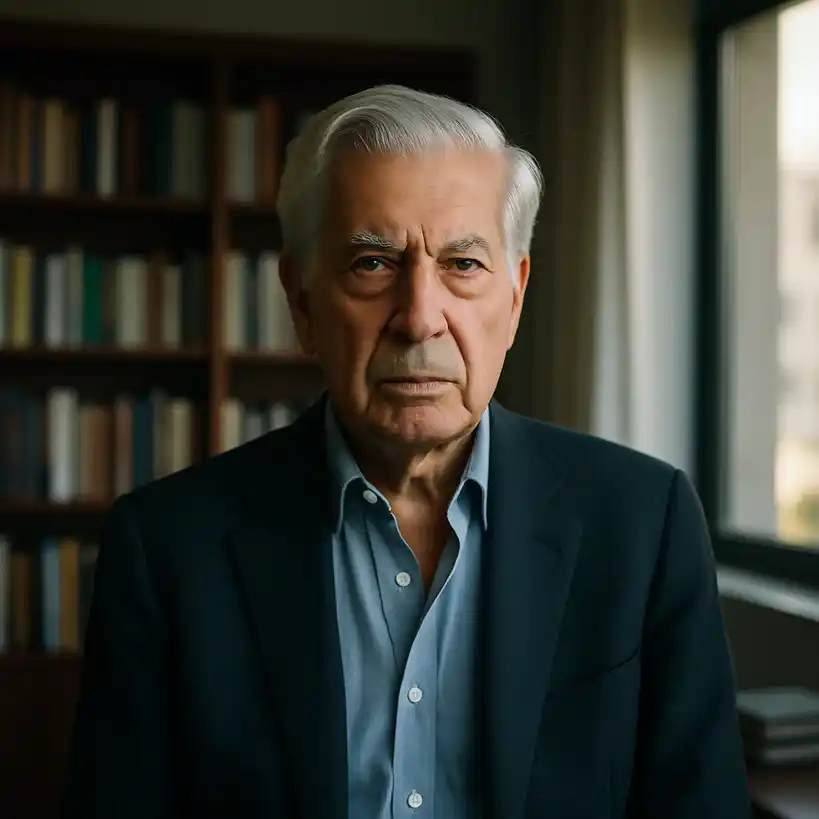
Mario Vargas Llosa
Mario Vargas Llosa: start with power, city, memory Mario Vargas...
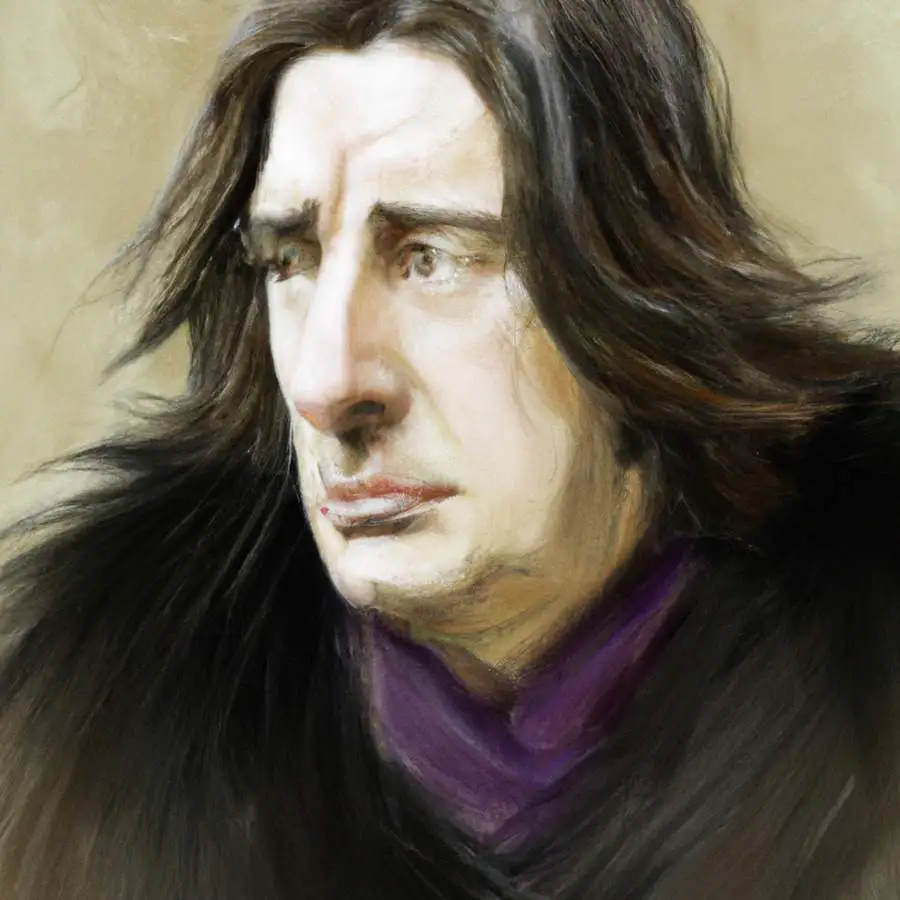
Oscar Wilde
Oscar Wilde: A Life in Wit and Contradiction Oscar Wilde,...
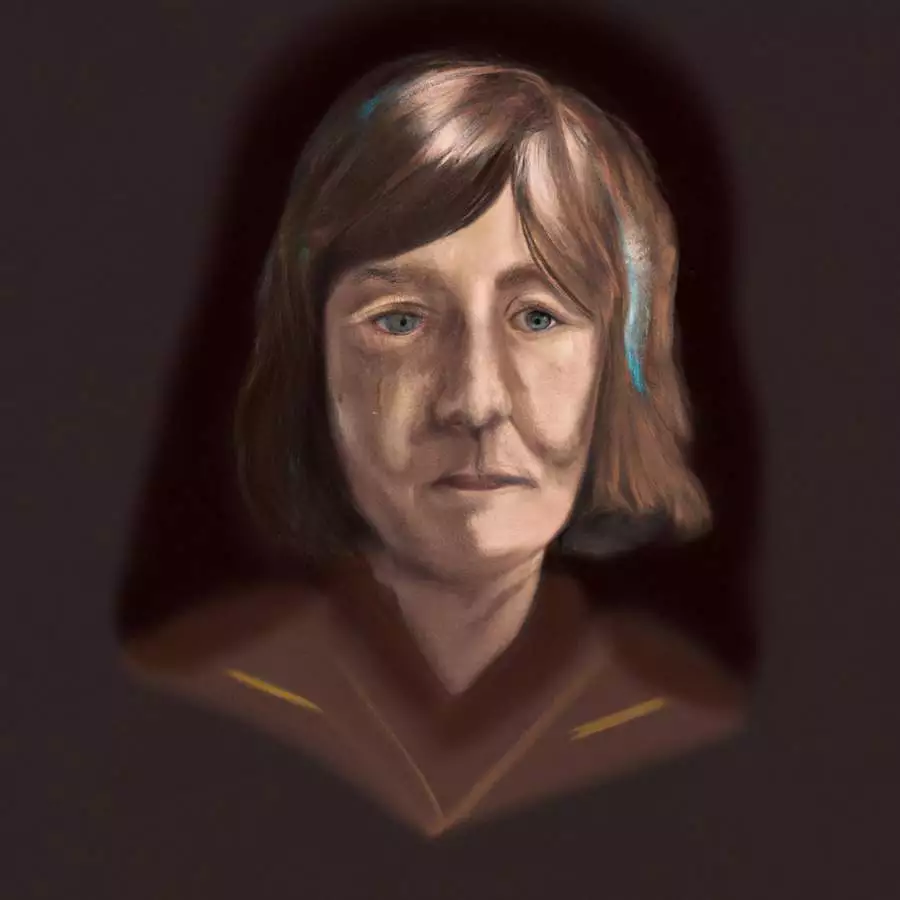
Christa Wolf
Christa Wolf: A Literary Journey Christa Wolf, a prominent figure...
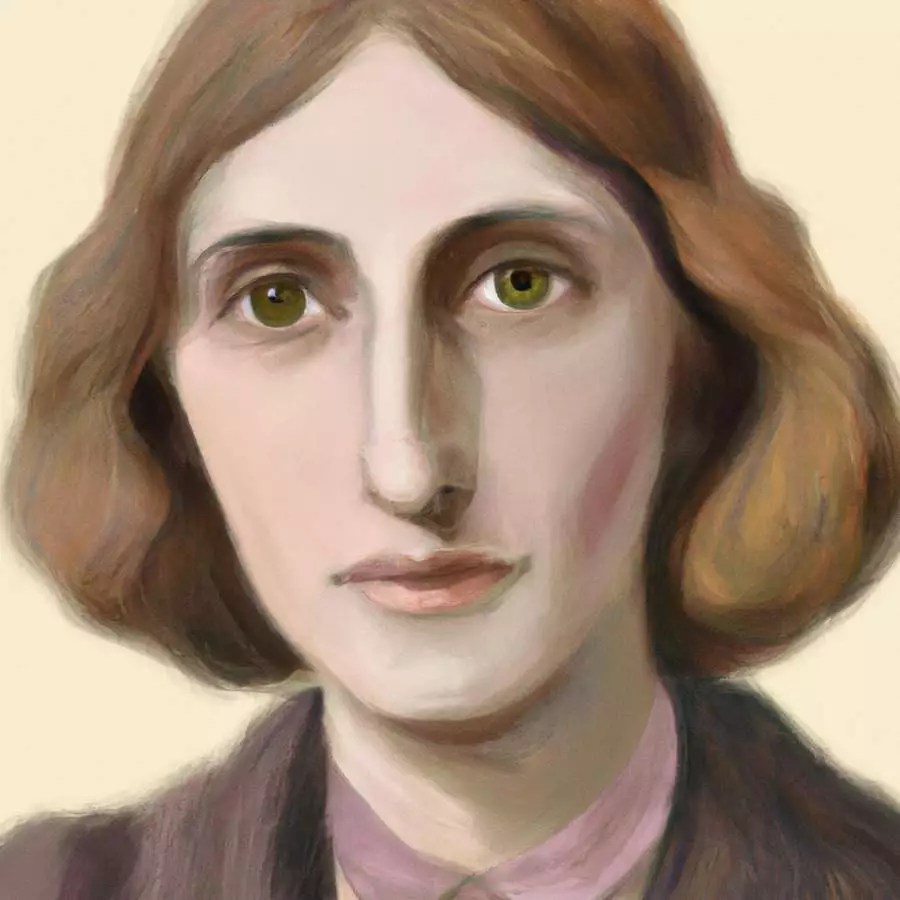
Virginia Woolf
Virginia Woolf: A Trailblazer of Modern Literature Virginia Woolf, a...
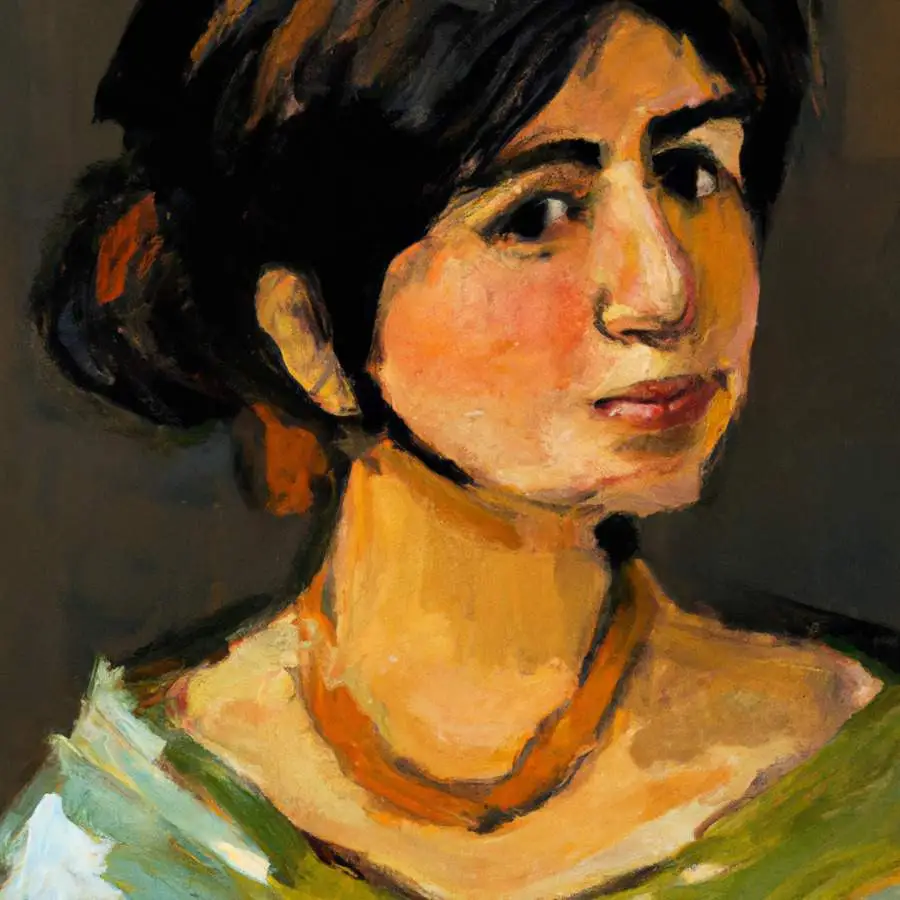
Juli Zeh
Juli Zeh: A Literary Force in Contemporary German Juli Zeh,...
How to become an author?
Becoming an author involves a combination of creativity, dedication, and perseverance. Here are the steps you can take to become an author:
- Develop Your Writing Skills: Begin by honing your writing skills. Practice writing regularly, experiment with different styles, and study grammar and vocabulary. Reading widely can also help you understand different writing techniques and styles.
- Choose Your Genre and Audience: Determine the genre you’re most interested in writing, whether it’s fiction, non-fiction, poetry, science fiction, fantasy, mystery, romance, self-help, or any other category. Consider the audience you want to reach with your writing.
- Generate Ideas: Brainstorm and develop ideas for your writing. Inspiration can come from personal experiences, observations, current events, historical events, or your imagination.
- Plan and Outline: Before you start writing, create an outline for your work. This will help you organize your ideas, plot, and structure. It can save you time and keep your writing focused.
- Write Regularly: Consistency is key. Set aside dedicated time to write regularly. Even if you start with a small daily goal, gradually increase the amount of time you spend writing.
- Edit and Revise: After you’ve completed a draft, take the time to edit and revise your work. This is where you refine your writing, fix errors, and improve clarity.
- Seek Feedback: Share your work with trusted friends, writing groups, or mentors who can provide constructive feedback. Feedback can help you identify strengths and weaknesses in your writing.
- Persistence and Resilience: Rejections and setbacks are common in the writing world. Stay persistent and don’t be discouraged by rejection. Many successful authors faced numerous rejections before finding success.
- Learn About Publishing: Research the publishing process. You can choose between traditional publishing (finding a literary agent and securing a book deal with a publishing house) or self-publishing (independently publishing your work through platforms like Amazon Kindle Direct Publishing).