Berlin – Where Words Shaped a City and a City Shaped Its Writers
Berlin is a city of layers. It has witnessed empires, wars, division, and reunification. Through all these changes, writers have told its story. Poets, novelists, and playwrights have captured it’s struggles and its spirit. Some wrote in quiet cafés, others from exile. Their works help us understand the cities complex soul. Today, we can walk through the same streets, visit the same cafés, and see the same landmarks that shaped their words. Let’s take a literary walk through the city — a city where history and literature meet around every corner.
Literary Life in Berlin’s Golden Twenties
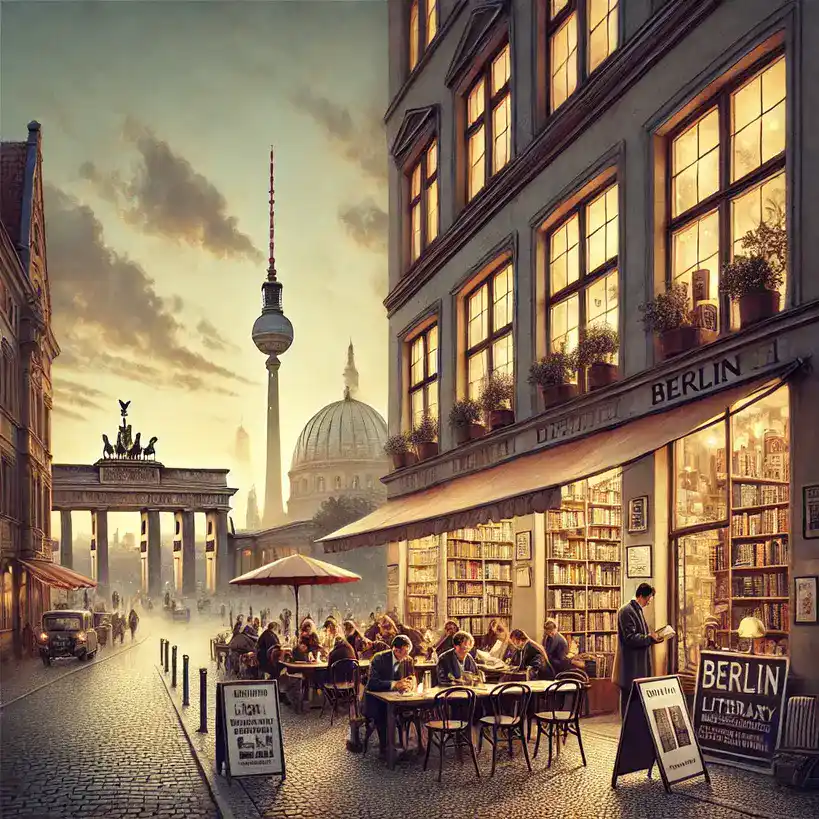
The 1920s were a golden age for Berlin’s writers. After World War I, the city became a hub for creative minds. Writers, artists, and thinkers flocked to the city to capture its wild energy. The Café des Westens, located on Kurfürstendamm, was one of their favorite gathering spots. Writers like Alfred Döblin and Bertolt Brecht came here to drink coffee, write, and debate.
Today, the original Café des Westens is gone, but the spirit lives on. The boulevard is still one of Berlin’s busiest, lined with cafés, shops, and theatres. Sitting at any café along Ku’damm, you can imagine the lively conversations of the past.
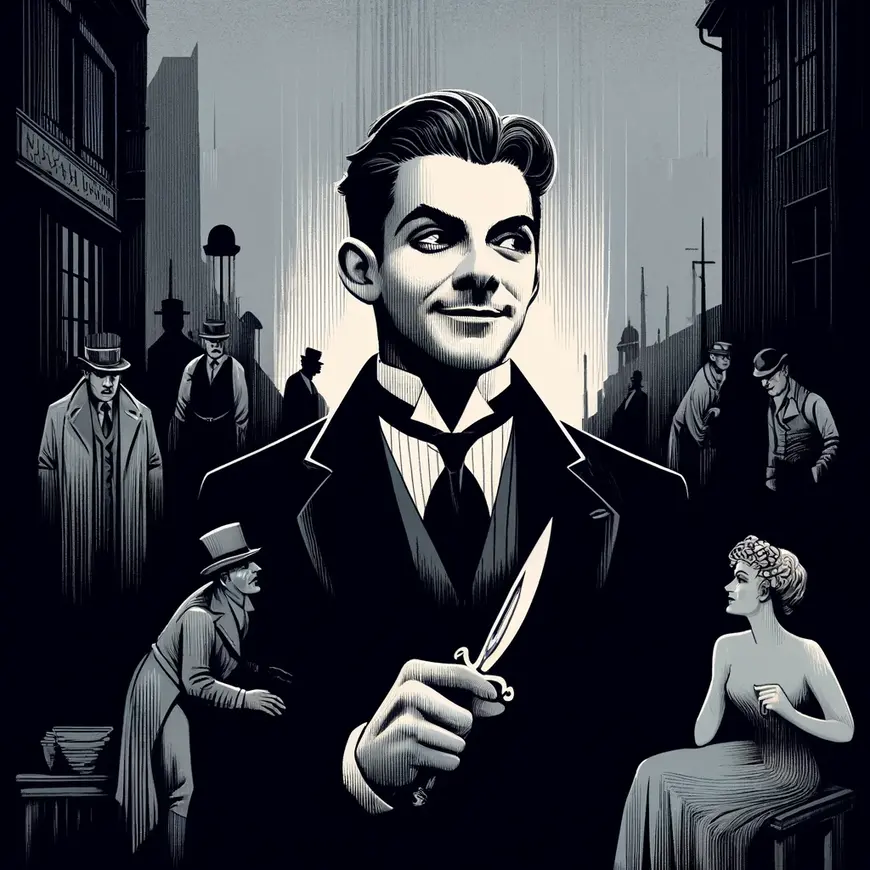
One of the best novels to capture this era is Berlin Alexanderplatz by Alfred Döblin. It tells the story of Franz Biberkopf, a small-time criminal trying to go straight in the chaotic streets of Weimar Republic. To follow his footsteps, walk to Alexanderplatz itself. It’s much more modern now, but it’s still the beating heart of the city.
Bertolt Brecht: Words of Resistance
Bertolt Brecht is one of Berlin’s most important literary figures. His plays, like The Threepenny Opera, challenged authority and gave a voice to the working class. Brecht lived and worked in the city for much of his life — except when he had to flee from the Nazis.
To step into Brecht’s world, visit the Brecht-Weigel-Haus on Chausseestraße. This was his home after returning from exile, and today it’s a museum. You can see his personal library, handwritten notes, and even his famous cigar collection. Standing in his study, it’s easy to imagine him writing and rewriting, always questioning society and power.
Right across the street, you’ll find Dorotheenstädtischer Friedhof, the cemetery where Brecht is buried. His grave is simple, with only his name and dates. Yet, the flowers left by visitors show how deeply his words still resonate.
Exile and Return: Writers Between Berlin and the World
Berlin’s literary story is also a story of exile. During the Nazi era, many writers fled the city to escape persecution. Anna Seghers, author of The Seventh Cross, was one of them. She lived in exile in Mexico, but her heart remained in the German capital. Her novel tells of resistance and survival under dictatorship — themes shaped by her own experience.
You can visit the Anna-Seghers-Museum, located in her former East Berlin apartment. It’s a small but powerful place, filled with books, letters, and personal items that bring her story to life. It’s a reminder of how deeply it’s history is woven into its literature.
Another important figure is Joseph Roth, a journalist and novelist who wrote about Berlin’s cafes, its lost souls, and the rise of fascism. Roth often worked at the Café Einstein, which still exists today at Kurfürstenstraße 58. Sitting here, surrounded by dark wood and old photographs, you feel a direct connection to the writers who once called the German capital home — until history forced them away.
Divided City, Divided Stories
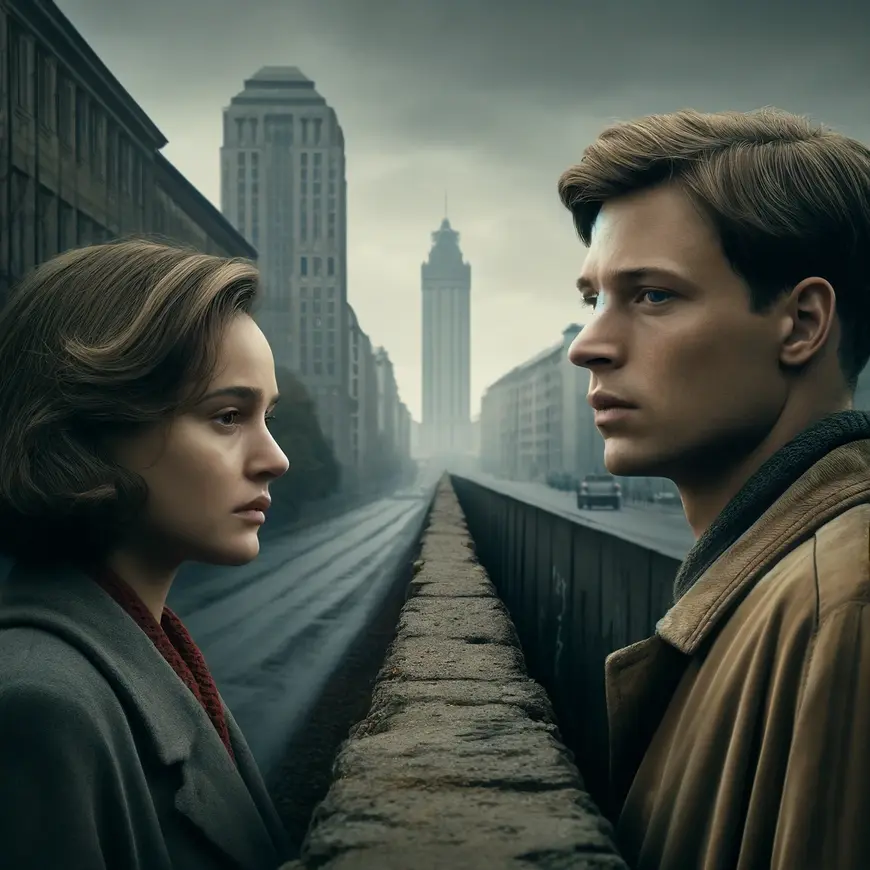
After World War II, the city became a city split in two — and its literature reflected that division. Writers in East Berlin were shaped by socialism and state control, while those in West Berlin enjoyed creative freedom but also felt disconnected from history and homeland.
One of the best-known East Berlin writers is Christa Wolf. Her novel Divided Heaven tells the story of a young woman torn between love and ideology, between East and West. To experience her Berlin, visit the neighborhood of Prenzlauer Berg, once a hub for East Berlin’s intellectuals and artists. Today it’s trendy and modern, but traces of its literary past remain, especially in places like the Literaturwerkstatt.
In West Berlin, Uwe Johnson captured the strange feeling of living on an island within East Germany. His novel Anniversaries follows a woman living in 1960s West Berlin, reflecting on history, memory, and the divided city around her. To understand this era, visit Checkpoint Charlie. It’s touristy now, but standing here makes you feel the weight of Berlin’s divided past — a reality writers like Johnson knew all too well.
Contemporary Writers and Today’s Berlin
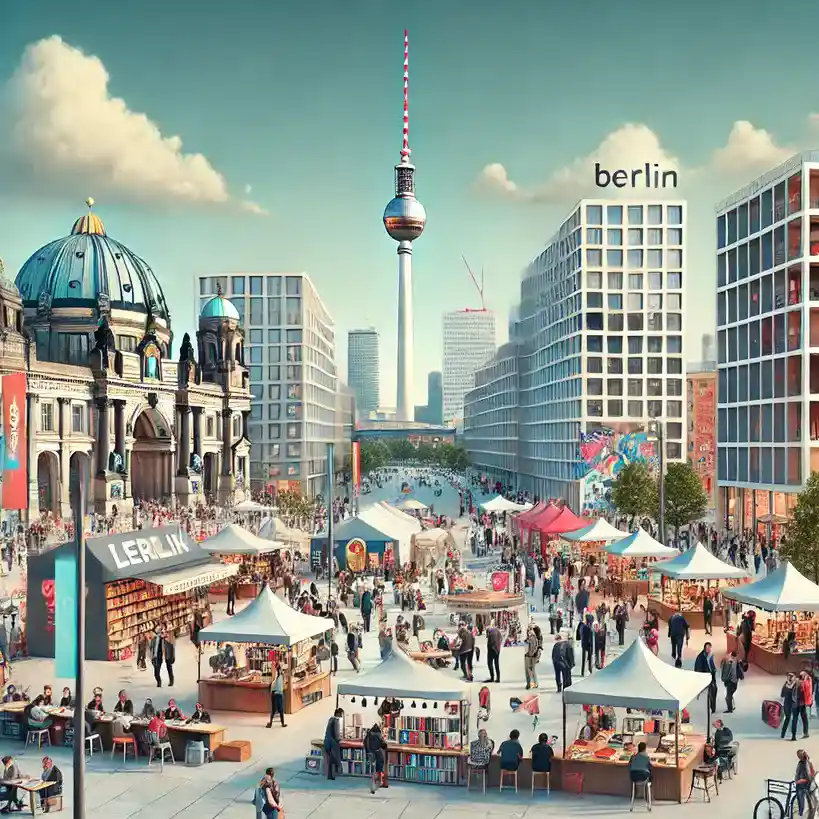
Berlin’s literary story didn’t stop with reunification. Today, it’s a city filled with new voices. Writers from around the world come to the city for its creative energy, affordable living, and rich history. Authors like Jenny Erpenbeck and Wladimir Kaminer use the city as a backdrop to explore themes of migration, memory, and identity.
If you want to experience it’s modern literary scene, visit Buchhandlung Walther König or Dussmann das KulturKaufhaus. These bookstores offer a great selection of Berlin literature, both classic and contemporary. They also host readings and book launches, where you can meet today’s writers in person.
Another great stop is Literaturhaus Berlin, located in a beautiful old villa in Charlottenburg. It hosts regular events, from author readings to literary salons, keeping it’s literary tradition alive and well.
A Walk Through Literary Berlin And Tips for your Literary Trip
- Start at Brecht-Weigel-Haus to learn about Brecht and the intellectual life of East Germany.
- Walk to Dorotheenstädtischer Friedhof to visit Brecht’s grave.
- Head to Alexanderplatz, the setting of Döblin’s famous novel.
- Walk or take the tram to Prenzlauer Berg to soak up the atmosphere of East Berlin’s literary scene.
- End your day at Café Einstein for a taste of the classic café culture loved by Joseph Roth.
- Bring a Book: Read a novel while you’re here. Berlin Alexanderplatz or Divided Heaven makes great company.
- Take a Literary Tour: Several walking tours focus on Berlin’s literary history, especially in the East.
- Visit a Bookshop: The city has many excellent independent bookstores, such as ocelot or Another Country (an English-language secondhand bookshop).
- Explore with Curiosity: Many literary landmarks are not obvious. Sometimes a regular street holds the memory of a great writer’s life.
A City Written in Layers
Berlin’s literary history is as complex as the city itself. It’s a story of creativity, exile, rebellion, division, and reinvention. Every era left its mark, from the glittering 1920s to the divided Cold War years and the vibrant present day. Writers captured all of it, giving us books that help us understand the soul of the city.
Walking through the city, you feel those stories under your feet. In its squares, its cafés, its streets — German literature is everywhere. So take your notebook, follow the footsteps of Brecht, Seghers, and Döblin, and write your own chapter in the story of this city. It is a city that never stops telling its story. And every visitor, every reader, becomes part of it.