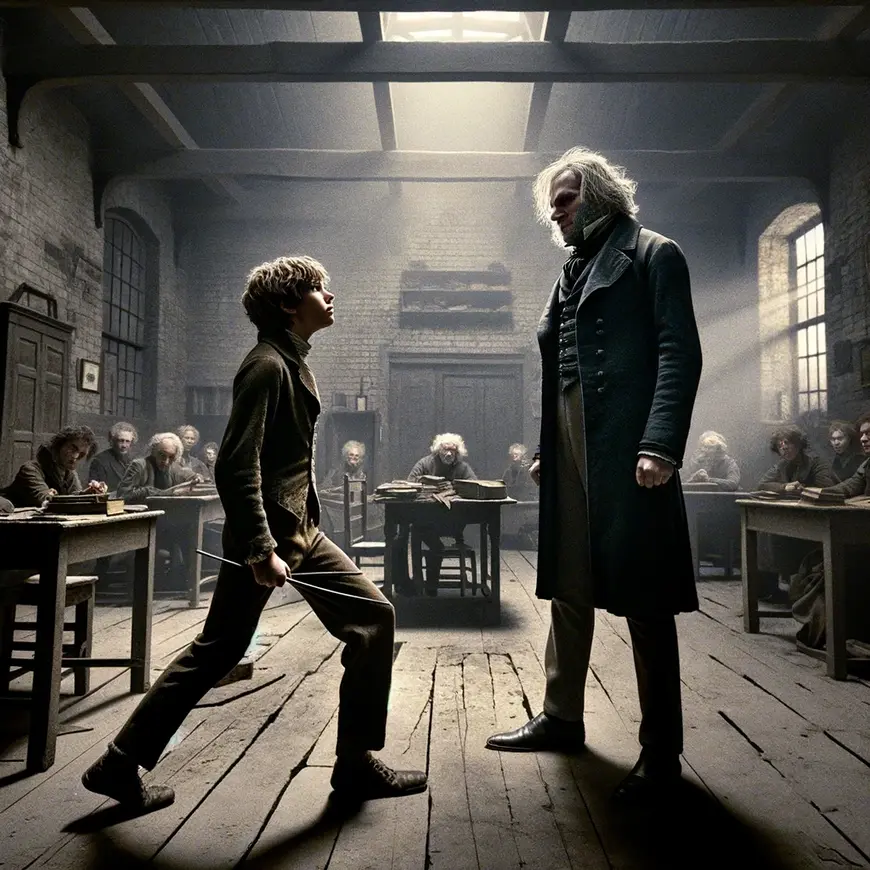
Charles Dickens – A History of Literature and Social Change
Charles Dickens, a name that resonates through the annals of literary history, is widely regarded as one of the greatest novelists of the Victorian era. His works continue to captivate readers with their vivid characters, intricate plots, and poignant social commentaries. Born on February 7, 1812, in Portsmouth, England, his life journey is a tapestry woven with creativity, compassion, and a profound understanding of the human condition.
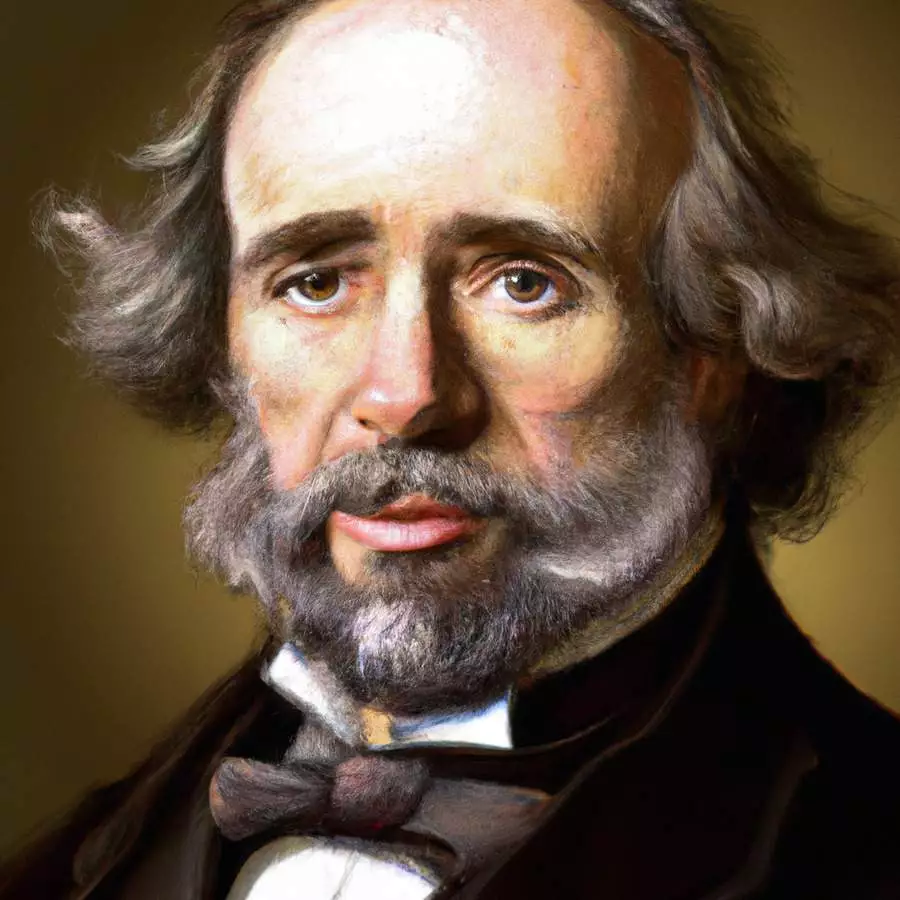
Profile of Charles Dickens – Life and Books
- Full Name and Pseudonyms: Charles John Huffam Dickens, better known as Charles Dickens; he once used the early pen name Boz.
- Birth and Death: Born 7 February 1812 in Landport, Portsmouth; died 9 June 1870 at Gad’s Hill Place, Kent.
- Nationality: English novelist and journalist who became a central figure of Victorian literature.
- Father and Mother: Father John, a naval pay office clerk; mother Elizabeth Dickens, born Barrow, who loved storytelling.
- Wife or Husband: Married Catherine Hogarth in 1836; the couple later separated but never divorced.
- Children: Father of ten children, including Charles, Mary, Kate, Walter, Frank, Alfred, Sydney, Henry, Dora, and Edward.
- Literary Movement: Leading voice of Victorian realism, social criticism, and the nineteenth century popular novel.
- Writing Style: Rich, vivid prose with memorable characters, humour, pathos, and detailed descriptions of London life.
- Influences: Drew on Henry Fielding, Tobias Smollett, Oliver Goldsmith, Shakespeare, journalism, and popular stage melodrama.
- Awards and Recognitions: Received immense popular fame in life and is now a staple of school curricula and literary canons.
- Adaptations of Their Work: Novels such as Oliver Twist, A Christmas Carol, and Great Expectations have countless stage, film, and television versions.
- Controversies or Challenges: Faced criticism for his treatment of Catherine Hogarth and for some stereotyped portraits, yet remained a beloved public figure.
- Career Outside Writing: Worked as a law clerk, shorthand parliamentary reporter, and magazine editor before full time authorship.
- Recommended Reading Order:
1. A Christmas Carol
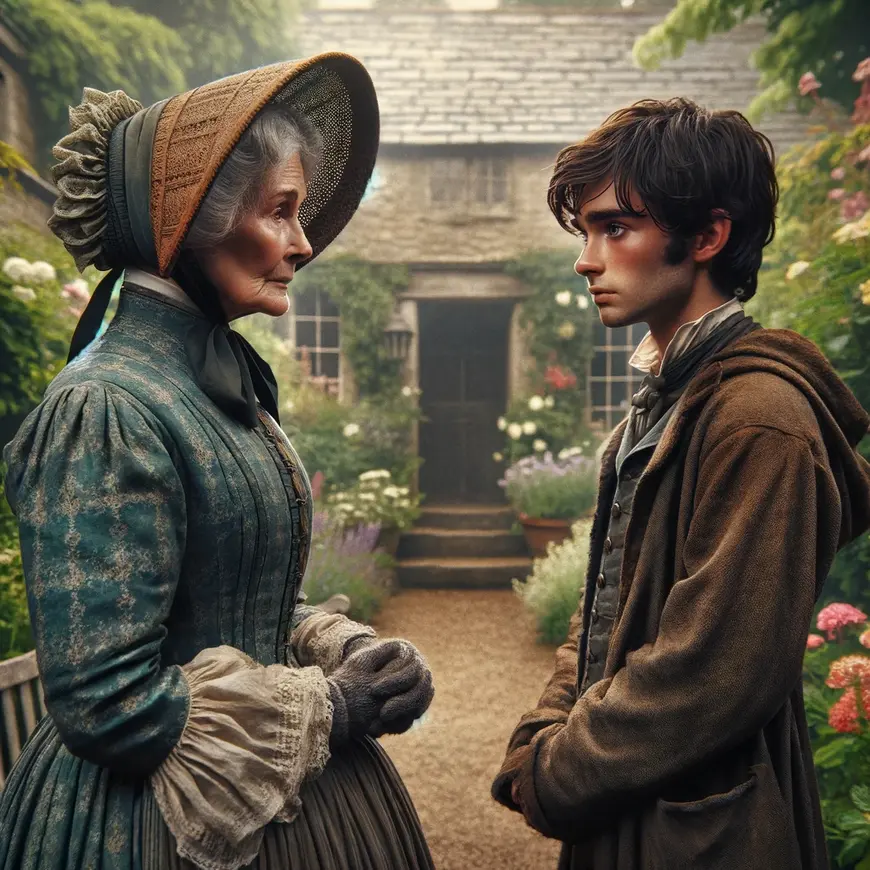
2. Great Expectations
3. Oliver Twist
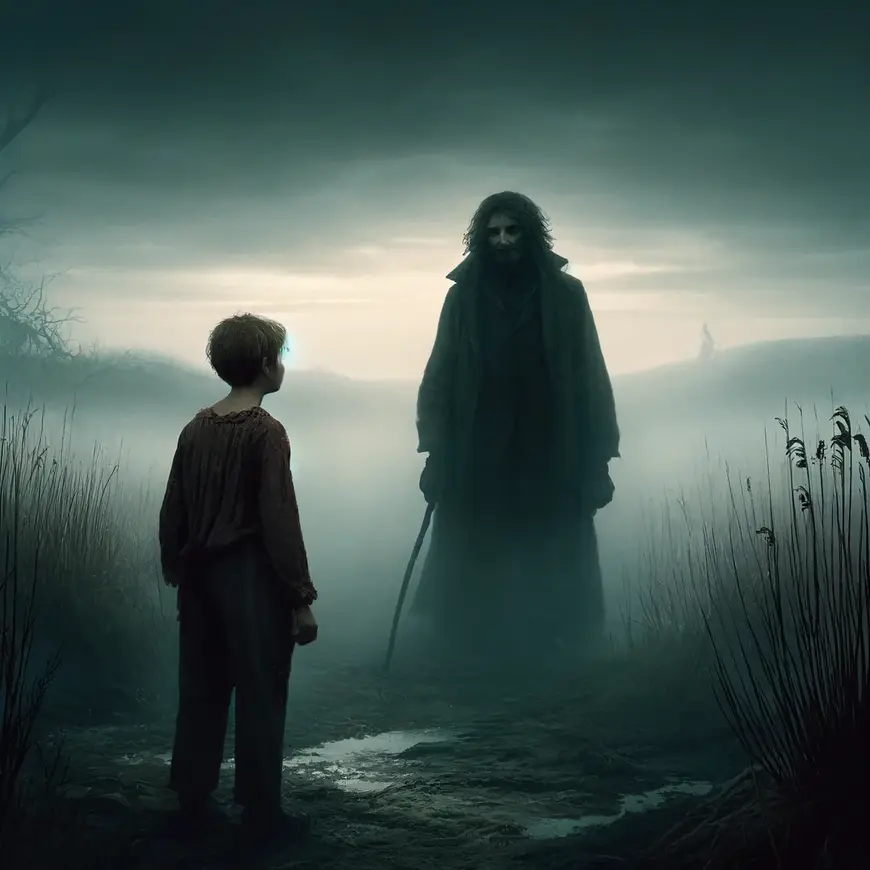
4. David Copperfield
Early Life and Hardships
His early life was marked by both joy and adversity. He was the second of eight children born to John and Elizabeth Dickens. His father’s financial struggles led to periods of instability and debt, forcing the family to move frequently. These formative experiences left an indelible mark on Dickens and influenced his later literary themes of social inequality and injustice.
Dickens’s literary journey began as a journalist, writing under the pseudonym “Boz” for various newspapers. His sketches and essays gained popularity for their humor and keen observations of everyday life. In 1836, he published his first novel, “The Pickwick Papers,” which achieved instant success, paving the way for his illustrious career as a novelist.
One of the hallmarks of his writing style is his ability to create vivid and memorable characters. From the lovable and endearing to the despicable and cruel, his characters are multi-dimensional and often serve as archetypes of human behavior. Additionally, his intricate plots, filled with twists and turns, keep readers engaged and guessing until the final pages.
His vivid descriptions of Victorian London, with its bustling streets, contrasting neighborhoods, and social disparities, transport readers to another time and place. Through his evocative language, the writer not only paints a picture of the physical surroundings but also delves into the thoughts and emotions of his characters.
Social Change and Reform
Beyond his literary prowess, Charles Dickens is remembered for his unwavering commitment to social reform. His novels often shed light on the stark inequalities of the Victorian era, where poverty and wealth coexisted in stark contrast. “Oliver Twist” exposed the harsh conditions of workhouses and child labor, while “Bleak House” criticized the inefficiencies of the legal system.
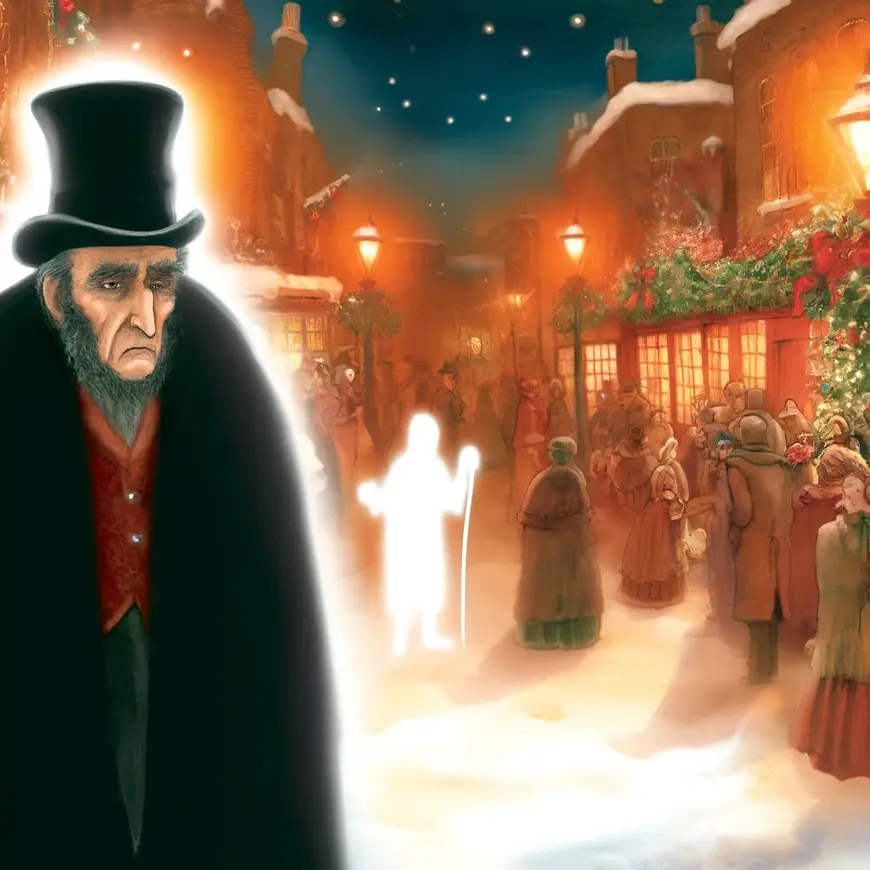
Perhaps his most famous work, “A Christmas Carol,” exemplifies his concern for social justice. The character of Ebenezer Scrooge, a miserly and callous man, undergoes a transformation after encountering the ghosts of Christmas past, present, and future. This novella, with its themes of generosity and redemption, struck a chord with readers and contributed to the popularization of Christmas traditions.
The author was not only a prolific writer but also a captivating performer. He embarked on several public reading tours, where he would entertain audiences by reciting passages from his own works. His dynamic and expressive readings brought his characters to life, leaving audiences enthralled. These readings also added to his financial success and international fame, as he toured not only throughout the United Kingdom but also in the United States.
His marriage to Catherine Hogarth produced ten children but ultimately ended in separation. The strained relationship with his wife and his deepening involvement with Ellen Ternan, an actress, were sources of both personal turmoil and public speculation.
Legacy and Influence
Charles Dickens’s impact on literature and society endures to this day. His works continue to be widely read and studied, exploring themes that remain relevant, such as poverty, injustice, and the resilience of the human spirit. The legacy extends beyond literature, as his writings contributed to social awareness and paved the way for meaningful reforms in areas like child labor and social welfare.
His influence can be seen in subsequent generations of writers who were inspired by his storytelling techniques and social critiques. Authors like George Eliot, Thomas Hardy, and even modern writers like J.K. Rowling have acknowledged the debt they owe to his legacy.
Some of Charles Dickens’ major books and works in chronological order
- The Pickwick Papers (1836-1837)
- Oliver Twist (1837-1839)
- Nicholas Nickleby (1838-1839)
- The Old Curiosity Shop (1840-1841)
- Barnaby Rudge (1841)
- Martin Chuzzlewit (1843-1844)
- A Christmas Carol (1843)
- The Chimes (1844)
- The Cricket on the Hearth (1845)
- The Battle of Life (1846)
- Dombey and Son (1846-1848)
- The Haunted Man and the Ghost’s Bargain (1848)
- David Copperfield (1849-1850)
- Bleak House (1852-1853)
- Hard Times (1854)
- Little Dorrit (1855-1857)
- A Tale of Two Cities (1859)
- Great Expectations (1860-1861)
- Our Mutual Friend (1864-1865)
- The Mystery of Edwin Drood (unfinished, 1870)
Voices that shaped Charles Dickens as a writer
- Henry Fielding: His energetic novels showed how a long, loose story could still carry firm moral direction. The writer learned from Fielding’s blend of humour, satire, and sympathy. The roaming plots and lively narrators in many early Dickens books echo this example.
- Tobias Smollett: Smollett’s rough humour, fast action, and sharp caricatures gave him a model for bold side characters. The crowded inns, noisy coaches, and quarrelsome families in Charles Dickens often feel like updated versions of Smollett’s wild scenes. He borrowed that excess, then tied it more closely to social criticism.
- Oliver Goldsmith: Goldsmith’s The Vicar of Wakefield linked family life with quiet irony and gentle feeling. He followed this line when he wrote about vulnerable children and battered households. The mix of hardship, kindness, and final reconciliation in his stories reflects Goldsmith’s influence.
- William Shakespeare: Shakespeare’s big emotions, memorable villains, and love of wordplay all left marks on Charles Dickens. He admired the plays and often performed scenes in private readings. Theatrical confrontations, sudden revelations, and richly voiced characters in his novels grow out of that deep reading.
- Laurence Sterne: Sterne’s playful approach to time, digression, and direct address encouraged him to trust a talkative narrator. While the narrator stayed more linear, he used asides, jokes, and direct comments to the reader that recall Tristram Shandy. This gave his fiction a relaxed, intimate tone.
Writers who carried him into the future
- Thomas Hardy: Hardy took his concern with class and injustice and moved it into the rural landscapes of Wessex. He kept the sense that social forces crush fragile lives. Yet he replaced Dickens’s frequent happy endings with starker tragedies, pushing the mood into darker territory.
- Fyodor Dostoevsky: Dostoevsky admired how Charles Dickens looked at the poor and the marginal. Both writers explore guilt, conscience, and spiritual crisis. Dostoevsky carried that intensity inward, turning the crowded Victorian city into dense psychological space in novels like Crime and Punishment.
- Franz Kafka: Kafka’s oppressive offices and courts echo the nightmarish institutions in Bleak House and Little Dorrit. He strips away much of his humour, but the sense of a faceless system grinding down individuals remains. In this way, his social criticism feeds a new, modern kind of horror.
- George Orwell: Orwell praised Charles Dickens for his moral clarity and love of ordinary people. He learned from the novelist how to write plainly about injustice and hypocrisy. Even when Orwell turns to politics and totalitarian states, the ethical stance and clear storytelling recall his Victorian predecessor.
- J. K. Rowling: Rowling’s school settings, large casts, and mix of comedy and darkness often draw comparisons with the author. She uses institutions, such as school or government, to show how power shapes young lives. The vivid minor characters and emotional payoffs in the Harry Potter series keep his spirit alive for a new generation.
Narration, point of view, and time
Charles Dickens builds a strong bond between narrator and reader. Most novels use an omniscient third person voice that knows the whole social world. This narrator glides between rich and poor, street and parlour, and often comments on events with gentle irony. The voice feels talkative and humane, like a friend telling a long story by the fire. Because it can see into many minds, it shows how characters misunderstand each other and how society shapes their choices.
Sometimes Charles Dickens moves closer and lets one character speak from inside. David Copperfield tells his own life in the first person and looks back as an adult on his younger self. This structure mixes the fresh feelings of youth with the wiser judgement of later years. The distance in time allows the narrator to reflect on mistakes without losing sympathy for the child who made them. Readers see growth rather than a fixed moral lesson.
Time in his fiction usually moves forward in a clear line, following work, seasons, and holidays. Serial publication shaped that pattern. Each monthly or weekly part needed its own small arc and a hook for the next instalment. Cycles of Christmas, school terms, or legal sessions provide a strong rhythm for stories such as A Christmas Carol and Bleak House. Brief flashbacks fill in childhood traumas or past secrets, yet they stay tightly linked to present action. In the end, time in his novels feels like an unfolding moral test, where long delayed consequences finally arrive at the right emotional moment.
Syntax and rhythm; imagery and tone
On the sentence level he loves variety. Short, sharp lines sit next to winding, clause rich sentences. The long ones pile up observations, jokes, and asides, then close on a pointed phrase. This pattern creates a spoken rhythm that feels close to public reading, which he enjoyed. Dialogue often carries the accent and rhythm of class and region. You hear cockney street talk, lawyerly jargon, or pious tones, each drawn with careful detail.
Syntax supports characterisation. A pompous clerk speaks in stiff, over decorated sentences. A child stumbles through simpler structures. Repeated words and catchphrases fix figures in the memory, from Uriah Heep’s false humility to Mr Micawber’s optimism. Lists are another favourite tool. He stacks images of cluttered rooms, dirty streets, or busy offices to give a sense of pressure and chaos.
Imagery in Charles Dickens works through concrete objects rather than abstract ideas. Fog over London, rotting houses, and cramped offices stand in for moral confusion and social decay. Small details, like a greasy spoon or a worn shoe, hint at long histories of poverty. At the same time he enjoys playful exaggeration. Faces stretch into caricature, and settings take on a slightly fantastic edge. This mix of realism and comic distortion keeps the tone lively even when the topic is dark. Pathos plays a big role too. Scenes of illness, hardship, or death invite strong feeling, yet humour, resilience, and human kindness usually return before the book closes.
Famous quotes by Charles Dickens
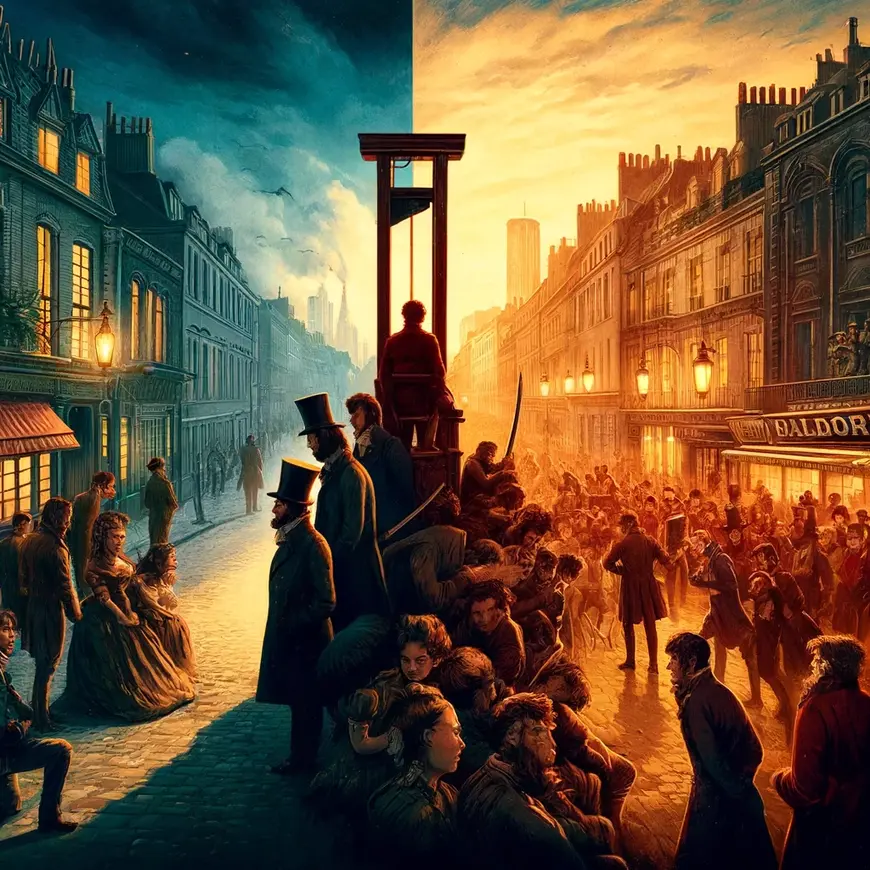
- “It was the best of times, it was the worst of times.” This opening line from A Tale of Two Cities captures his gift for rhythm and sharp contrast. Readers feel at once the sweep of history and the tension inside a single moment.
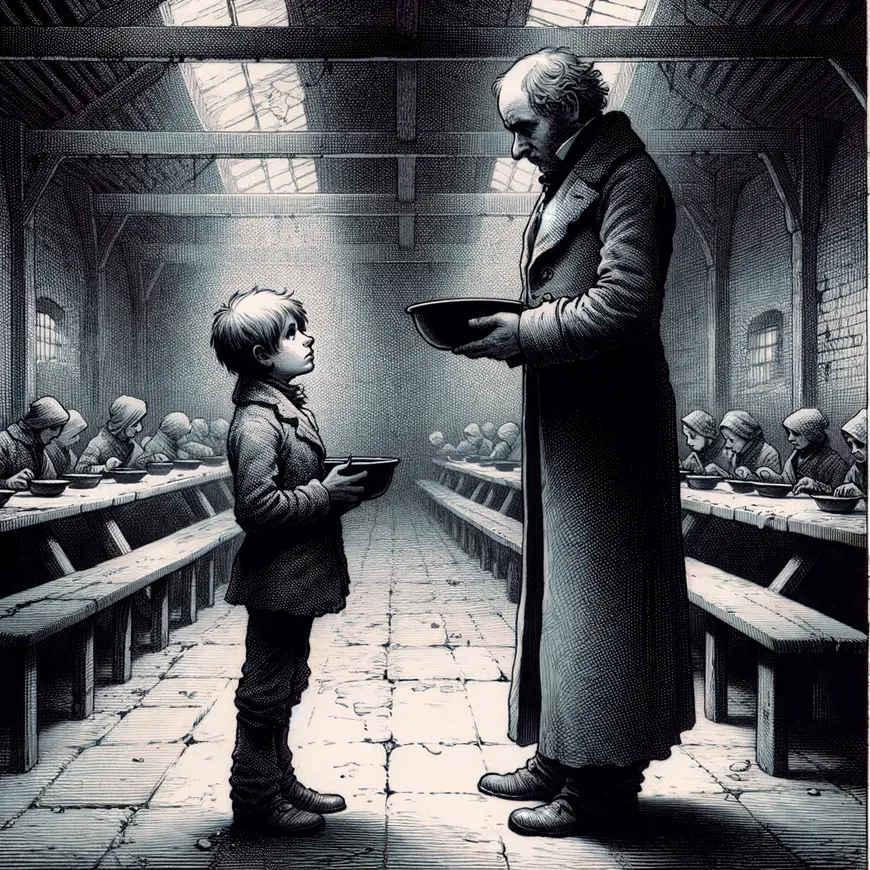
- “Please, sir, I want some more.” In Oliver Twist this simple sentence carries hunger, fear, and quiet courage. The child’s polite request exposes a whole system of cruelty in the workhouse.
- “I will honour Christmas in my heart, and try to keep it all the year.” Through Ebenezer Scrooge in A Christmas Carol, Charles Dickens links private change with public kindness. The promise suggests that real reform must last beyond one festive day.
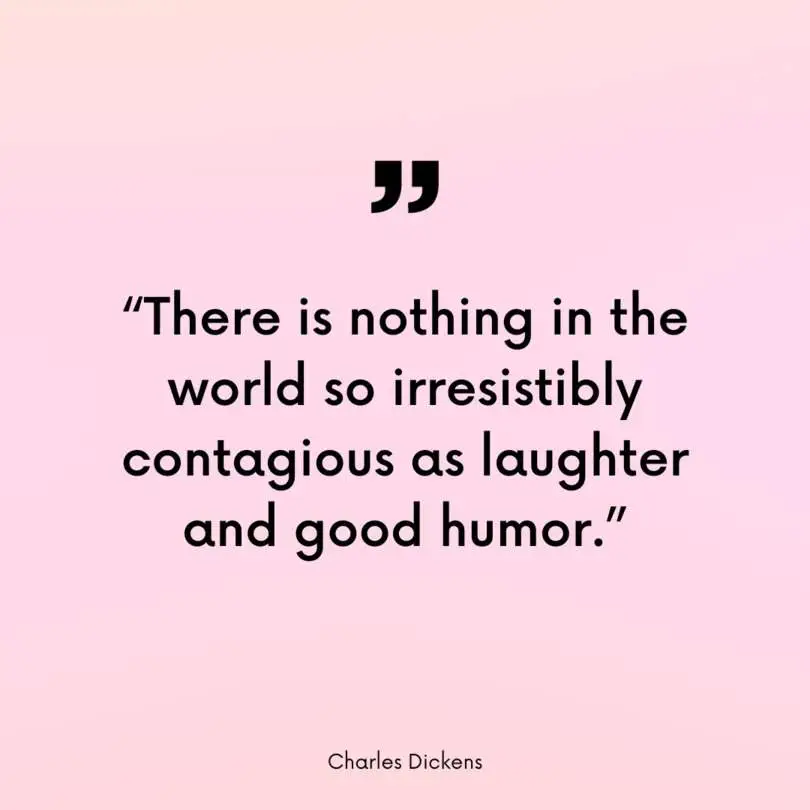
- “There is nothing in the world so irresistibly contagious as laughter and good humour.” Again in A Christmas Carol he reminds us that joy spreads as quickly as gloom. The line shows his faith in ordinary human warmth.
- “No one is useless in this world who lightens the burden of it for any one else.” This thought reflects the deep social conscience in his work. Small acts of care become moral victories in a harsh society.
- “Have a heart that never hardens, and a temper that never tires, and a touch that never hurts.” Here the writer sets an ideal of endless gentleness. The sentence also shows his love of triads, giving the advice a musical shape.
- “We need never be ashamed of our tears.” In Great Expectations he defends open feeling against rigid self control. Emotional honesty becomes a sign of moral strength rather than weakness.
Trivia facts about Charles Dickens
- Pseudonym “Boz”: Before he became widely known as Charles Dickens, he adopted the pseudonym “Boz” for his early writings. He chose this name as a nod to a childhood nickname he had for his younger brother, Augustus, whom he called “Moses” but pronounced as “Boses.”
- Night Walks: These walks allowed him to gather inspiration for his writing and observe the city’s various characters and scenes. His walks were both a source of creativity and a way to cope with personal challenges.
- “The Staplehurst Rail Crash”: In 1865, Dickens was involved in a train accident known as the “Staplehurst rail crash.” The author helped tend to the injured and dying, an experience that haunted him for the rest of his life. He later incorporated his feelings about the crash into his unfinished novel “The Mystery of Edwin Drood.”
- Fondness for Cats: Dickens had a deep affection for animals, particularly cats.
- Public Readings: He was not only a writer but also a skilled performer. He conducted numerous public readings of his works, often performing passages from his novels in front of large audiences. These readings were highly popular and helped him connect directly with his readers.
- Suffering from Epilepsy: Dickens suffered from epilepsy, a condition that was not well understood during his time. He referred to his seizures as “fit of the falling sickness.”
- Early Journalism Career: Before establishing himself as a novelist, Dickens began his writing career as a journalist. He worked for various newspapers, writing essays, sketches, and reports. His experiences as a journalist honed his observational skills and contributed to his ability to create vivid and realistic characters in his novels.
Frequently Asked Questions about Charles Dickens
When was Charles Dickens born?
He was born on February 7, 1812.
Where was Charles Dickens born?
He was born in Portsmouth, England, on February 7, 1812.
Who was Charles Dickens ?
He (1812-1870) was a renowned English novelist and social critic of the Victorian era. He is considered one of the greatest novelists of the 19th century and created some of the world’s best-known fictional characters.
How many children did Charles Dickens have?
Charles Dickens had ten children. He married Catherine Hogarth in 1836, and the couple had the following children:
- Charles Culliford Boz (1837–1896)
- Mary Angela (1838–1896)
- Kate Macready (1839–1929)
- Walter Landor (1841–1863)
- Francis Jeffrey (1844–1886)
- Alfred D’Orsay Tennyson (1845–1912)
- Sydney Smith Haldimand (1847–1872)
- Henry Fielding (1849–1933)
- Dora Annie(1850–1851)
- Edward Bulwer Lytton (1852–1902)
Why did Charles Dickens wrote a christmas carol?
Charles Dickens wrote “A Christmas Carol” with a primary goal of addressing the social and economic inequalities prevalent in Victorian England.
During the 19th century, there were significant social and economic issues, including widespread poverty and harsh working conditions. The author was deeply concerned about the impact of industrialization on society and the disregard for the well-being of the less fortunate.
Through the character of Scrooge, he aimed to emphasize the importance of empathy, generosity, and the Christmas spirit in fostering a more compassionate and just society.
How did Charles Dickens died?
He died on June 9, 1870. The cause of his death was a stroke, which he suffered on June 8, 1870, and he passed away the following day at Gad’s Hill Place, his home in Higham, Kent, England.
In the grand tapestry of literary history, Charles Dickens stands as a luminary whose words have illuminated the darkest corners of Victorian society and beyond. His ability to combine compelling narratives with acute social commentary has left an indelible mark on both literature and our understanding of the human experience.
Closing reflections on the author and where to go next
Charles Dickens still feels close to us because he wrote about problems that have not disappeared. Poverty, debt, broken institutions, lonely children, and sudden kindness all fill his pages. He turns these heavy themes into gripping stories that ordinary readers can enjoy. At the same time he keeps asking hard questions about justice and responsibility. That mix of entertainment and conscience explains why his books stay in print and in classrooms.
His narrative skills give those questions a lasting shape. Crowded plots, memorable minor characters, and strong settings help readers feel that London is almost a living being. The humour softens the pain without hiding it. Pathos reminds us that losses hurt, even when society prefers to look away. The novelist invites us to care about characters who would usually be ignored. When we follow them, we see our own systems more clearly.
For new readers, the next step is simple. Choose one short, accessible text and read it with attention to detail. Notice how often food, clothes, and rooms appear on the page. Watch how speech patterns reveal class, mood, and power. Then move on to a larger novel and track one idea, such as money, law, or education, from start to finish. This approach turns reading into a gentle form of social observation.
Finally, remember that Charles Dickens is not a museum piece. Modern writers, film makers, and activists still learn from his ways of telling stories about inequality. Reading him today can sharpen empathy and critical thought at the same time. That combination makes his work a powerful companion for anyone who loves books and wants to understand the world more deeply.
Reviews of Works of Charles Dickens