Franz Kafka: the Labyrinth of Existence
Franz Kafka, a name synonymous with existential unease and labyrinthine narratives, remains a literary enigma whose works continue to intrigue and challenge readers. Born on July 3, 1883, in Prague, then part of the Austro-Hungarian Empire, Kafka’s life and writings delve into the complexities of human experience, bureaucracy, and the surreal. His unique style and exploration of the absurd have left an indelible mark on literature, philosophy, and the understanding of the human condition.
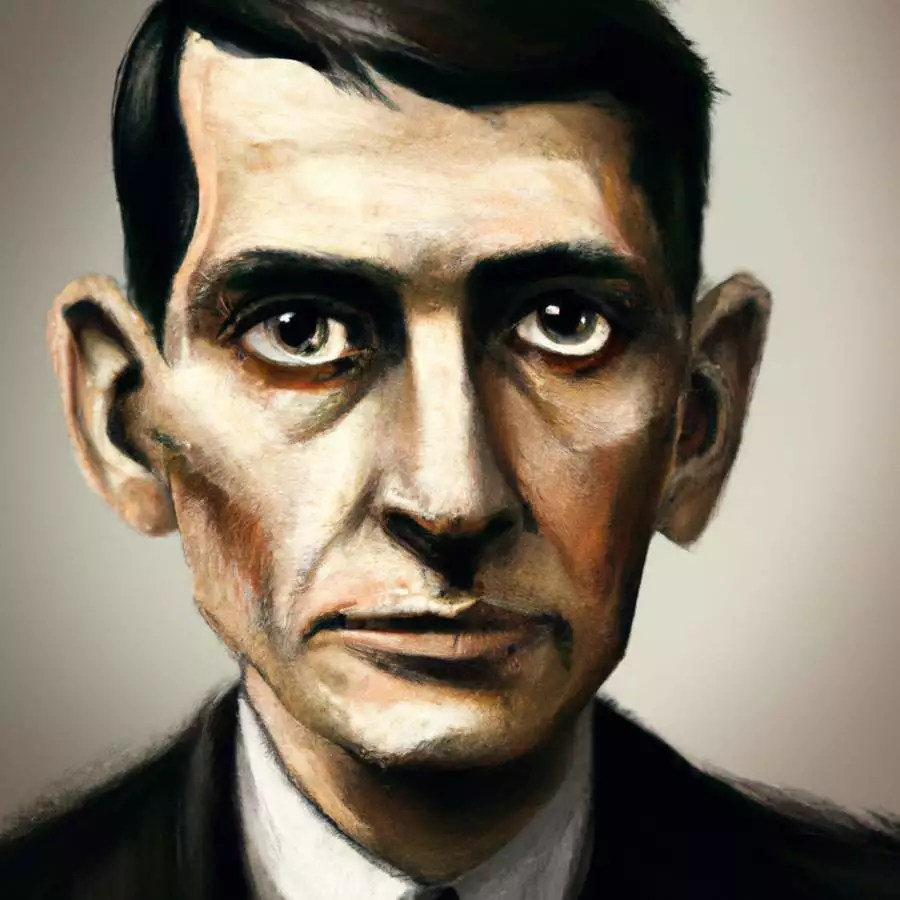
In the annals of literary history, few names evoke the profound sense of existential inquiry and the stark, unsettling portrayal of the human condition quite like Franz Kafka. Born into the twilight of the 19th century in Prague, then part of the Austro-Hungarian Empire, Kafka’s life and work encapsulate the turmoil and transitions of an era on the brink of modernity.
Franz Kafka – Profile
- Full Name and Pseudonyms: Franz Kafka. No known pseudonyms.
- Birth and Death: Born on July 3, 1883, in Prague, then Austria-Hungary. Died on June 3, 1924, in Kierling, Austria.
- Nationality: Austro-Hungarian (Bohemian), culturally Jewish and German-speaking.
- Father and Mother: Hermann Kafka and Julie Kafka.
- Wife: Never married.
- Children: None.
- Literary Movement: Modernism and Existential Literature.
- Writing Style: Precise, surreal, and introspective. Explored alienation, bureaucracy, and identity.
- Influences: Kierkegaard, Dostoevsky, Nietzsche, and Jewish mysticism.
- Awards and Recognitions: Gained major recognition posthumously. Now considered one of the most important writers of the 20th century.
- Adaptations of Their Work: The Metamorphosis, The Trial, and The Castle adapted into films, theatre, and opera.
- Controversies or Challenges: Suffered from illness, anxiety, and conflict with his authoritarian father. Requested his works be destroyed after death.
- Career Outside Writing: Worked in insurance and was a legal clerk.
- Recommended Reading Order:
1. The Metamorphosis: A haunting tale of identity and transformation.
2. The Trial: A nightmarish journey through an absurd legal system.
3. The Castle: A surreal struggle for meaning and belonging.
4. Letters to Felice: Reveals Kafka’s emotional and literary complexity.
Early Life of Franz Kafka – The Foundations of a Literary Colossus
Franz Kafka was born on July 3, 1883, into a middle-class, German-speaking Jewish family. His father, Hermann Kafka, was a domineering figure, a successful business owner whose imposing presence would cast a long shadow over Kafka’s life and work. Kafka’s mother, Julie, was a more nurturing presence but often absent, engaged in managing the family business. Kafka had five siblings, two brothers who died in infancy and three sisters, all of whom would later perish in the Holocaust.
The young Franz Kafka was a solitary and sensitive child, qualities that were amplified by his rigorous education. He attended the Deutsche Knabenschule, a German elementary school, followed by the Altstädter Deutsches Gymnasium, a secondary school that emphasized classical education. Kafka excelled academically, especially in languages and literature, showing an early proclivity for writing.
Despite his literary inclinations, Franz Kafka bowed to familial pressure and pursued a career in law. He enrolled at the German University of Prague in 1901, completing his degree in 1906. However, it was during his university years that Kafka began to seriously explore writing, joining literary circles and meeting lifelong friends such as Max Brod, who would become Kafka’s champion and the posthumous publisher of most of his works.
Mid-Life: A Labyrinth of Bureaucracy and Creative Turmoil
After completing his legal education, Kafka embarked on a career in insurance, working for the Workers’ Accident Insurance Institute for the Kingdom of Bohemia. The job was demanding, with long hours that left little time for writing. Yet, it provided Franz Kafka with a stable income and an intimate view of the bureaucracy and the dehumanizing effects of modern work, themes that would permeate his later writing.
Despite the demands of his job, Franz Kafka was prolific during this period, writing some of his most significant works in the evenings. In 1912, he experienced a creative breakthrough, writing “The Trial,” a story that he felt marked the true beginning of his literary career. That same year, he began work on “The Metamorphosis,” one of his most famous stories, which was published in 1915. These works reflect Kafka’s preoccupation with themes of alienation, paternal authority, and the absurdity of existence.
Kafka’s personal life was no less tumultuous than his literary endeavors. His relationship with his father was fraught with tension and misunderstanding, a dynamic that Franz Kafka would later explore in his literature, most notably in the letter to his father, in which he articulated his feelings of inadequacy and his father’s overbearing influence on his life.
Conclusion to Kafka’s Early and Mid-Life
Kafka’s love life was equally complex. He was engaged several times to Felice Bauer, a relationship marked by long periods of correspondence and Kafka’s ambivalence about marriage. This relationship, along with later ones with Milena Jesenská and Dora Diamant, would deeply influence his writing, infusing it with themes of longing, isolation, and the complexity of human relationships.
Kafka’s health began to decline in the mid-1910s, plagued by the tuberculosis that would eventually claim his life. This illness forced Franz Kafka to take frequent leaves from his job and seek treatment in various sanatoriums across Europe. The sense of isolation and the confrontation with mortality during these periods deepened Kafka’s existential reflections, which continued to inform his work.
Franz Kafka’s early and mid-life laid the groundwork for a body of work that remains unparalleled in its exploration of the human psyche, the absurdity of modern life, and the search for meaning in an incomprehensible world. Despite, or perhaps because of, the personal struggles and societal challenges he faced, Kafka’s writings transcend his own experience, offering insights into the human condition that are as relevant today as they were a century ago. Kafka’s legacy is that of a writer who, in navigating the labyrinths of his own life, mapped the existential landscapes that we all must traverse.
Franz Kafka: Influence on Literature and Philosophy
In his novel The Trial, Franz Kafka delved into the nightmarish world of the legal system. The story follows Josef K., who is arrested and subjected to a trial without ever knowing the charges against him. This work reflects Kafka’s exploration of the absurdity of justice and the individual’s powerlessness in the face of bureaucratic institutions.
Kafka’s novel The Castle delves into the themes of isolation and the quest for an unattainable goal. The protagonist, K., attempts to reach the castle but is thwarted by an insurmountable bureaucracy. The novel’s open-ended conclusion leaves readers contemplating the nature of human striving and the elusive nature of fulfillment
Tragically, Kafka’s works were relatively unknown during his lifetime. He published only a few short stories and received minimal recognition. It was only after his death in 1924 from tuberculosis that his writings gained wider acclaim. His friend Max Brod played a crucial role in preserving and publishing Kafka’s manuscripts, ensuring that his literary legacy would endure.
Kafka’s impact on literature and philosophy is profound. His exploration of existential dread, alienation, and the absurd resonated with existentialist philosophers like Jean-Paul Sartre and Albert Camus. Additionally, his narrative style and thematic concerns continue to influence contemporary writers who grapple with the complexities of the human experience.
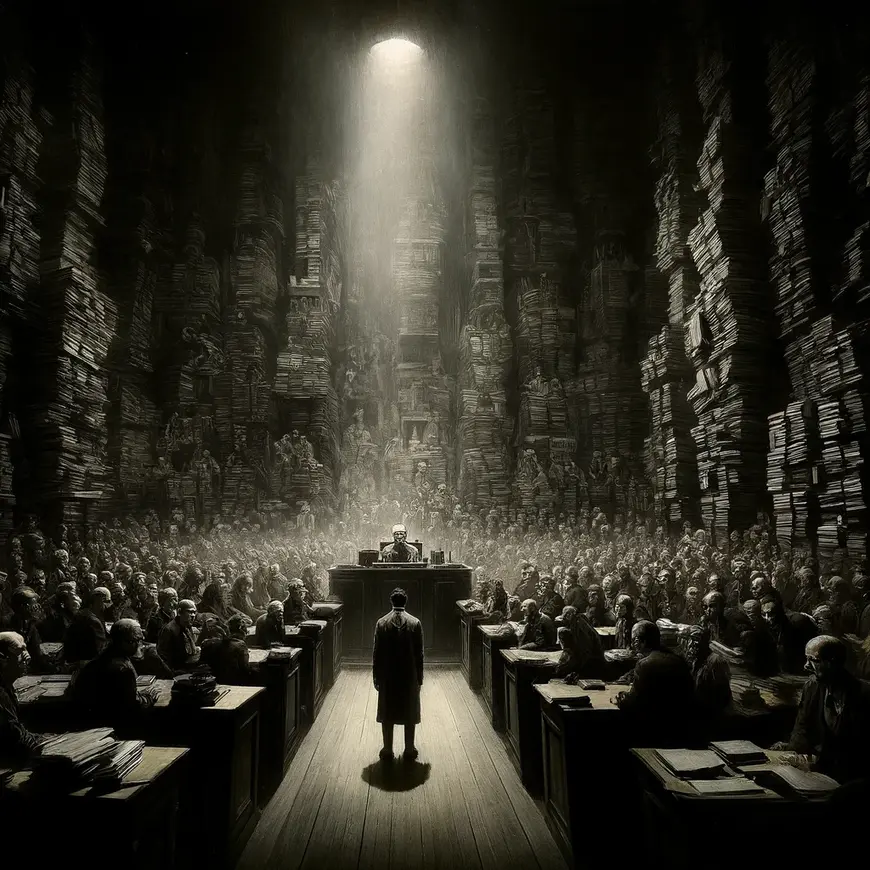
Works and Books by Franz Kafka in chronological order
- Description of a Struggle (“Beschreibung eines Kampfes”) – Short Story (1904)
- Wedding Preparations in the Country” (“Hochzeitsvorbereitungen auf dem Lande”) – Short Story (1907)
- The Judgment (“Das Urteil”) – Short Story (1912)
- The Stoker (“Der Heizer”) – Short Story (1913)
- The Metamorphosis (“Die Verwandlung”) – Novella (1915)
- In the Penal Colony (“In der Strafkolonie”) – Short Story (1919)
- Letter to His Father (“Brief an den Vater”) – Letter (1919)
- The Trial (“Der Process”) – Novel (1925, posthumously published)
- The Castle (“Das Schloss”) – Novel (1926, posthumously published)
- Amerika (“Der Verschollene” or “The Man Who Disappeared”) – Novel (1927, posthumously published)
Trapped in Words: Kafka’s Style of Quiet Terror
Franz Kafka writes with clarity and fear. His sentences look simple, but they carry weight. I read one, and I feel something shift. He uses short, direct phrases. However, they build a strange mood. His world feels cold and quiet. Something is always wrong, but no one says it out loud.
He writes in the third person, but I still feel close to the character. The voice is calm, even when the world collapses. That contrast creates tension. It feels like a slow panic under smooth language. Kafka often avoids strong emotions in the text. But I feel them behind the scenes. That silence makes the fear louder.
He builds his scenes like a maze. One step leads to another, but there’s no way out. In “The Trial”, Josef K. keeps walking through doors, but he never finds answers. The same thing happens in “The Castle”. Franz Kafka uses that feeling to trap the reader. I follow the character, but I know we’re both lost.
He also leaves out details. I don’t know what the law wants in The Trial. I don’t know why Gregor turns into a bug. That missing information keeps me thinking. It makes me part of the story. I ask questions the text won’t answer. And that’s exactly what Kafka wants.
How Kafka Builds His Nightmares
Franz Kafka uses special techniques to shape his world. He loves bureaucracy and repetition. He fills his stories with forms, offices, and rules. The system feels alive—but no one understands it. This makes the characters feel small and helpless. I often feel the same way while reading.
He also uses formal, legal language to describe absurd events. In The Trial, everything sounds official. Yet nothing makes sense. That contrast creates a cold horror. The characters accept the strange as normal. And that makes it more terrifying. Franz Kafka never shouts. He just lets the nightmare speak for itself.
Another key technique is shifting logic. Things start normal, then grow strange. But the tone never changes. Kafka doesn’t warn me when reality breaks. That makes the change feel natural, even when it’s not. I begin to question everything. Is this a dream? Is it real? Franz Kafka never says.
He also uses long, flowing paragraphs, especially in conversations. A single sentence might stretch across half a page. This makes the story feel dense and slow. It creates a heavy atmosphere. I feel trapped in the text, just like the characters.
Lastly, Franz Kafka often ends without resolution. His stories close in silence. There’s no answer, no justice, no escape. But that’s the point. Kafka doesn’t solve the mystery—he shows me how it feels. His writing is a quiet scream, and that’s why it stays with me.
Writers influenced Franz Kafka
Franz Kafka, one of the most enigmatic and influential writers of the 20th century, crafted a body of work that continues to fascinate, perplex, and inspire readers and writers alike. His novels and short stories, with their themes of alienation, existential anxiety, and the absurdity of modern life, have become emblematic of the modern human condition. Similarly, Kafka’s influence has permeated a wide spectrum of literature, leaving an indelible mark on the narrative structure and thematic concerns of subsequent generations of writers.
Influences on Franz Kafka
- Fyodor Dostoevsky: Kafka was profoundly influenced by the Russian novelist’s exploration of psychological depth, existential angst, and the exploration of the human soul. Dostoevsky’s characters, often caught in the grip of intense moral and spiritual crises, find echoes in Kafka’s troubled protagonists.
- Søren Kierkegaard: The Danish philosopher’s ideas about existentialism, the absurd, and the individual’s struggle with self-identity and moral integrity deeply resonated with Kafka.
- Charles Dickens: Kafka admired Dickens for his vivid portrayal of society and his ability to evoke empathy for his characters. The influence is particularly noticeable in Kafka’s attention to social conditions and the intricate detailing of his characters’ emotional and psychological states.
- Franz Grillparzer: This Austrian dramatist and poet, known for his tragic plays, influenced Kafka with his exploration of guilt, fate, and existential despair. Kafka’s engagement with the themes of justice and retribution reflects Grillparzer’s dramatic conflicts.
- Jewish Folklore and the Talmud: Kafka’s Jewish heritage and his interest in Jewish mysticism and folklore significantly shaped his storytelling.
- The Brothers Grimm: Kafka was influenced by the dark, often bleak fairy tales of the Brothers Grimm. The uncanny, surreal qualities of his stories, along with the moral and existential quandaries faced by his characters, reflect the grimness and moral ambiguity of these fairy tales.
Writers Influenced by Franz Kafka
- Albert Camus: The French novelist and philosopher saw Kafka as a pivotal figure in the exploration of absurdity and existentialism. Camus’ concept of the absurd, articulated in works like The Stranger and The Myth of Sisyphus, owes much to Kafka’s thematic preoccupations.
- Jorge Luis Borges: The Argentine writer’s fascination with labyrinths, infinity, and the nature of reality reflects Kafka’s influence. Borges’ stories often echo Kafka’s themes of the incomprehensible and the unfathomable nature of the universe.
- Samuel Beckett: Beckett’s minimalist style, existential themes, and depiction of human alienation and absurdity show Kafka’s influence. Works like “Waiting for Godot” mirror Kafka’s exploration of the absurdity of human existence.
- Haruki Murakami: The contemporary Japanese novelist frequently cites Kafka as a major influence. Murakami’s blending of the surreal with the mundane, along with his themes of alienation and the search for identity, are reminiscent of Kafka’s work.
- Gabriel García Márquez: The Colombian Nobel laureate‘s use of magical realism and exploration of the absurd and the surreal in everyday life are influenced by Kafka. García Márquez often acknowledged Kafka’s impact on his writing, particularly the opening of “The Metamorphosis.”
- Milan Kundera: The Czech-French writer’s exploration of memory, history, and the existential challenges facing individuals in a bureaucratized society shows Kafka’s influence. Kundera has written extensively on Kafka, examining his role in the modern novel.
- J.M. Coetzee: The South African Nobel laureate’s work often explores themes of authority, surveillance, and individual autonomy in a manner that recalls Kafka’s preoccupations with power and the individual.
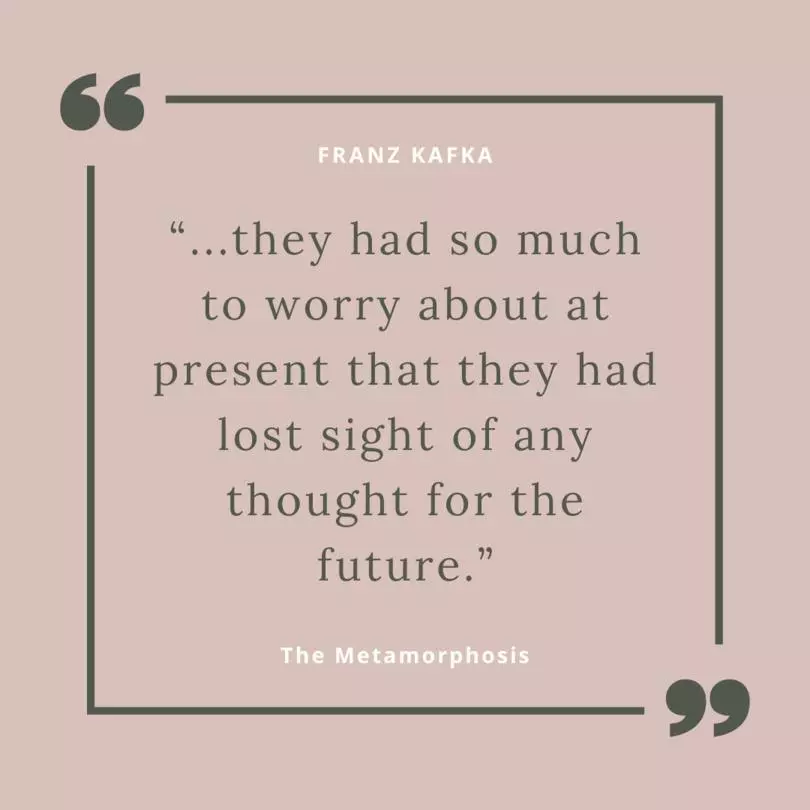
Famous quotes by Franz Kafka
- “A book must be the axe for the frozen sea within us.” Kafka suggests that literature should have a profound impact on the reader. Capable of breaking through the emotional numbness or apathy that can encase the human spirit, prompting a deep, introspective awakening.
- “In the fight between you and the world, back the world.” This quote reflects Kafka’s sense of the individual’s powerlessness against the larger forces of society and existence.
- “Man cannot live without a permanent trust in something indestructible in himself.” Kafka points to the need for an inner, unshakeable belief in some aspect of one’s being or character. Suggesting that such faith is essential for enduring life’s trials and maintaining a sense of purpose and identity.
- “I am a cage, in search of a bird.” This quote metaphorically represents Kafka’s own feelings of isolation and his desire for something elusive and liberating. It speaks to the human condition of seeking something. That will give our lives meaning or set us free, even when we feel trapped within ourselves.
- “Youth is happy because it has the capacity to see beauty. Anyone who keeps the ability to see beauty never grows old.” Kafka comments on the beauty of youthfulness, not as a factor of age, but as a mindset.
- “There are two cardinal sins from which all others spring: impatience and laziness.” Kafka identifies impatience and laziness as fundamental flaws that lead to other failings.
- “Every revolution evaporates and leaves behind only the slime of a new bureaucracy.” This quote reflects Kafka’s skepticism towards political revolutions and their promise of change.
Trivia facts about Franz Kafka
- Work in Insurance: While Franz Kafka is known for his literary achievements. He spent much of his working life in the insurance industry. He worked for the Workers’ Accident Insurance Institute in Prague. A job that provided him with material for his stories and exposed him to bureaucratic complexities.
- Unfinished Novels: Two of Kafka’s most famous novels, “The Trial” and “The Castle,” left unfinished. At the time of his death. The open-ended nature of these works adds to their enigmatic quality. Allowing readers to interpret and engage with the narratives in various ways.
- Reluctant Authorship: Franz Kafka was known to be hesitant about publishing his works during his lifetime. He often doubted the quality of his writing. And had a conflicted relationship with the idea of sharing his literary creations with the public.
- Burned Manuscripts: Kafka’s friend and literary executor, Max Brod, played a crucial role in preserving Kafka’s works. After Kafka’s death, Brod ignored Kafka’s request to burn his unpublished manuscripts. Including novels like “The Trial” and “The Castle,” and instead published them posthumously.
- Creative Process and “The Metamorphosis”: Franz Kafka wrote “The Metamorphosis” in a burst of creative energy. During a span of a few weeks in 1912.
- Lack of Literary Recognition: Kafka’s works did not receive widespread recognition during his lifetime. He published very few of his stories in literary journals. And it wasn’t until after his death that his writings gained the attention and acclaim they deserved.
The Labyrinth of Existence: The Strange World of Franz Kafka
Franz Kafka was born in Prague in 1883, into a world full of pressure and fear. He grew up with a strict father and always felt small. As I read his letters, I feel his pain and distance. Franz Kafka studied law, but his real love was writing. He worked at an insurance office, quietly writing at night. He never felt free, not at work, not at home. That feeling shaped his stories.
He created strange and dark tales. In “The Metamorphosis”, a man wakes up as a bug. In “The Trial”, a man is arrested but never told why. These stories confuse me at first, but then they stay with me. Kafka’s world is cold and silent. People feel lost and watched, trapped in rules they don’t understand. Yet somehow, I relate.
His style is clear but full of fear. He writes with short, sharp sentences. There is no comfort in his words, only honesty. That makes his stories feel real. He didn’t want fame. In fact, he asked his friend Max Brod to burn his work. Brod refused—and that’s why we can read Franz Kafka today.
Franz Kafka died in 1924, at only 40. His voice was quiet, but it changed modern literature. He showed how the world can feel like a nightmare, even when nothing strange happens. Kafka’s work still matters. He speaks for those who feel alone, confused, or invisible. And that’s why I keep reading him.
Reviews of Works by Franz Kafka
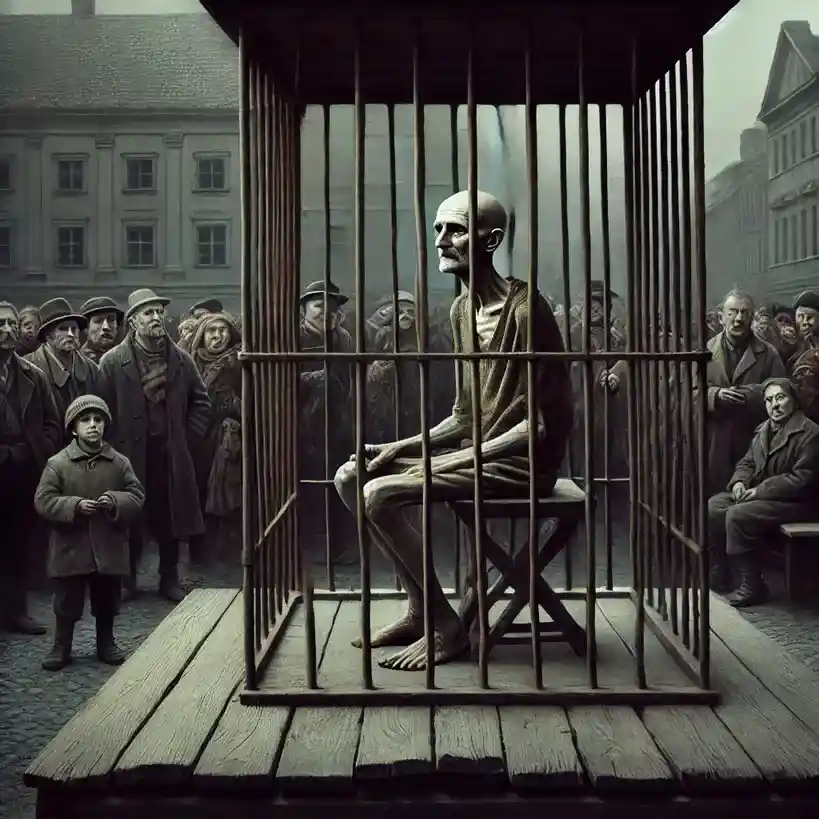
A Hunger Artist by Franz Kafka – Fasting as Spectacle At first glance, A Hunger…
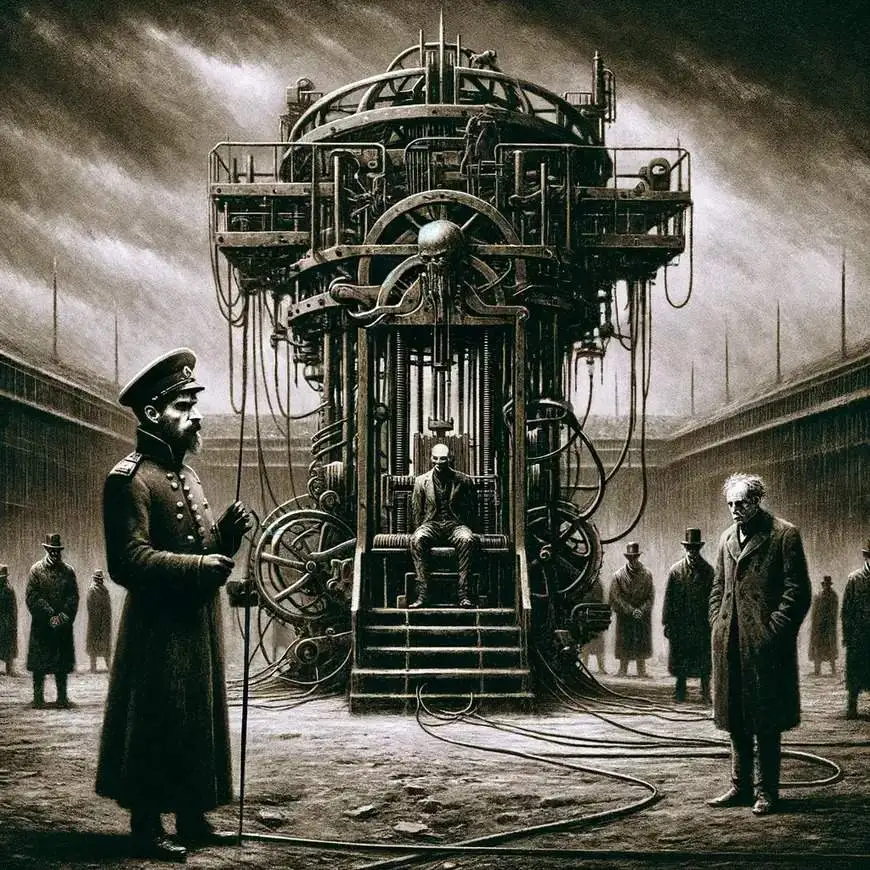
In the Penal Colony by Franz Kafka – A Journey into Punishment My Thoughts on…
Amerika or The Man Who Disappeared
Amerika or The Man Who Disappeared by Franz Kafka Quick Summary: My Thoughts on AmerikaReading…
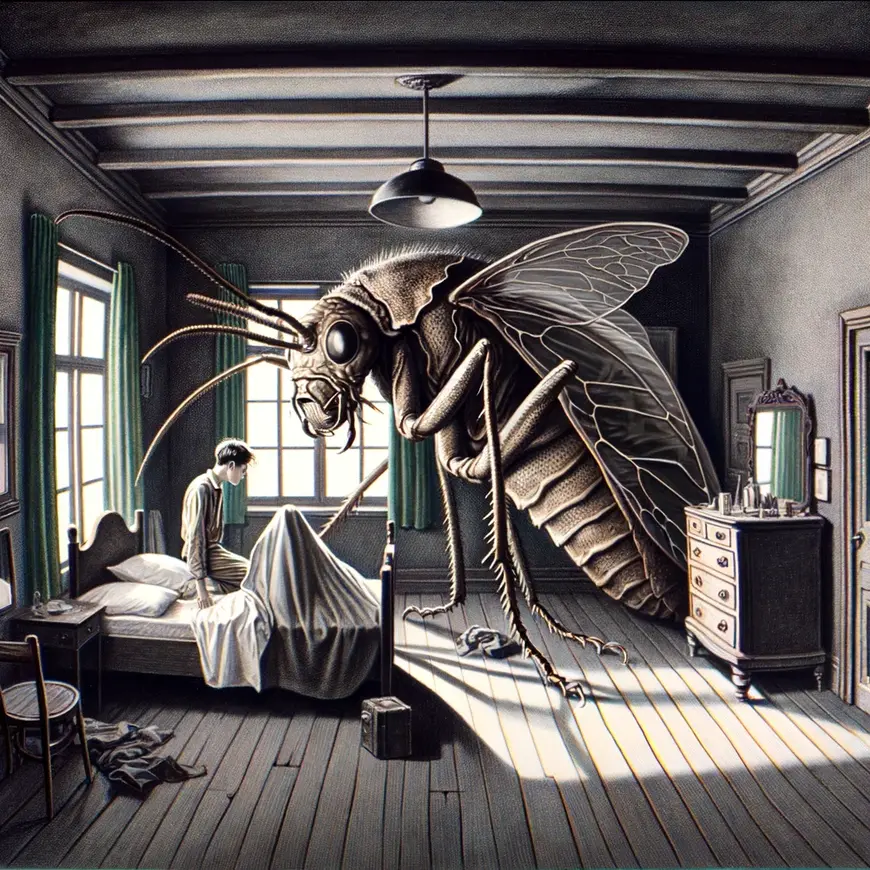
Kafkaesque: the Surreal of The Metamorphosis My Thoughts on The Metamorphosis – A SummaryI was…
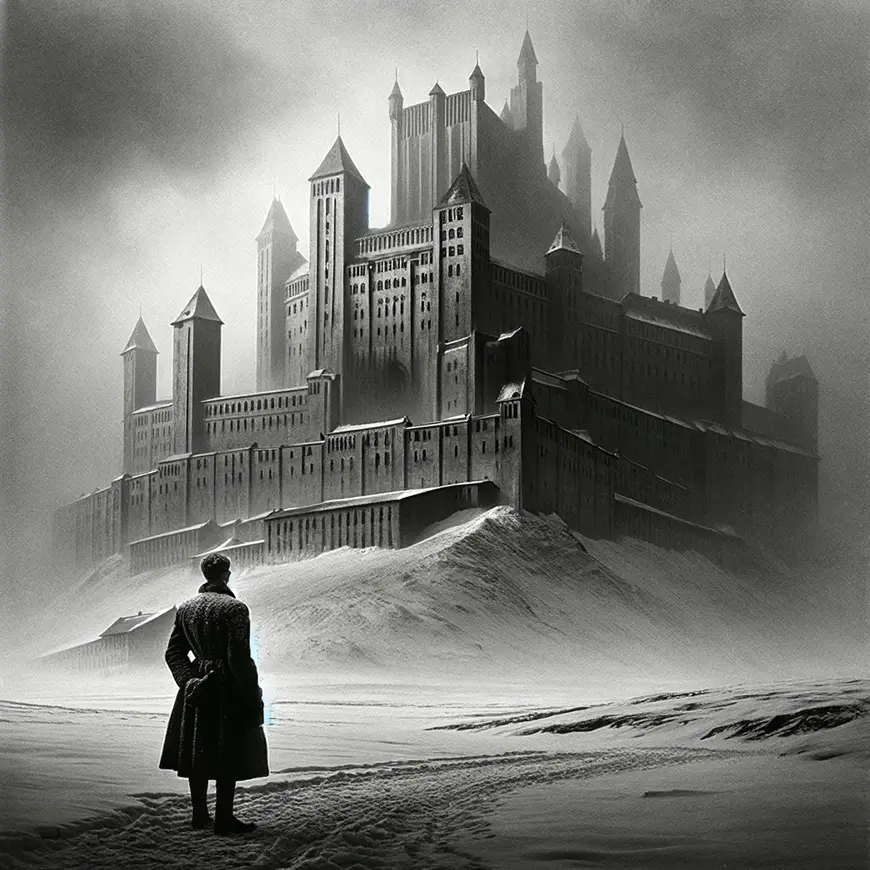
Kafka’s Enigmatic Labyrinth – A Review of The Castle My Takeaways from The CastleEngaging with…
The Labyrinth of Justice: The Trial by Franz Kafka My Thoughts on The Trial –…
If you liked Kafka, you may like Jorge Luis Borges

My Journey with The Aleph by Jorge Luis Borges Reading The Aleph by Jorge Luis Borges was a remarkable experience….
Borges’ The Book of Imaginary Beings – A Menagerie of Mind What I have learned from The Book of Imaginary…