Friedrich Schiller: A Journey Through Creativity and Idealism
Friedrich Schiller, a name that resonates in the realm of German literature and philosophy, is celebrated for his profound impact on both fields. Born on November 10, 1759, in Marbach, Germany, Schiller’s vita was marked by a relentless pursuit of artistic and intellectual excellence. His journey from a humble upbringing to becoming a prominent figure in the Enlightenment era reveals a story of creativity, idealism, and unwavering dedication to his craft.
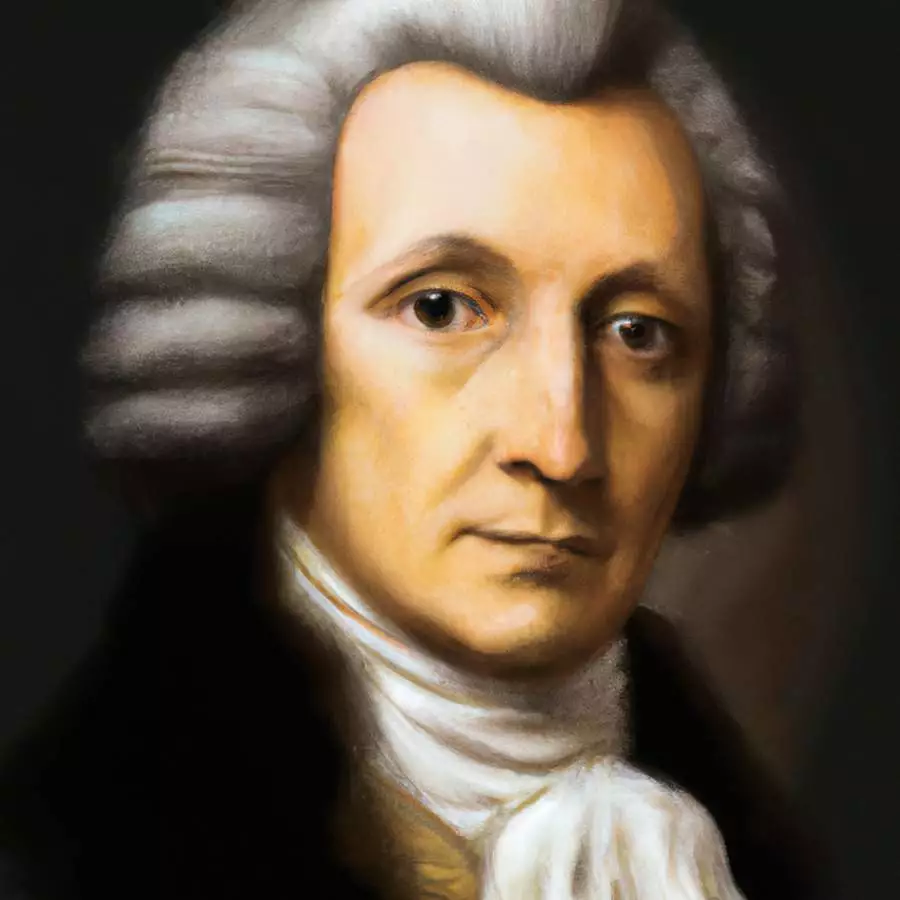
Friedrich Schiller – Profile
- Full Name and Pseudonyms: Johann Christoph Friedrich von Schiller. Known pseudonyms: Dr. Ritter
- Birth and Death: Born on November 10, 1759, in Marbach am Neckar, Germany. Died on May 9, 1805, in Weimar, Germany.
- Nationality: German.
- Father and Mother: Johann Kaspar Schiller and Elisabeth Dorothea Schiller.
- Wife: Married to Charlotte von Lengefeld.
- Children: Karl, Ernst, Karoline, and Emilie Schiller.
- Literary Movement: Sturm und Drang and Weimar Classicism.
- Writing Style: Dramatic, philosophical, and idealistic. Combined emotional intensity with classical form and moral themes.
- Influences: Rousseau, Goethe, classical antiquity, and the Enlightenment.
- Awards and Recognitions: Appointed court dramatist in Weimar. Honored posthumously as one of Germany’s greatest playwrights and poets.
- Adaptations of Their Work: Wilhelm Tell and Maria Stuart adapted for theatre and film. Ode to Joy set to music by Beethoven in his Ninth Symphony.
- Controversies or Challenges: Faced censorship for his early work The Robbers. Struggled with health and financial instability throughout his life.
- Career Outside Writing: Trained and worked briefly as a military doctor. Later taught history and philosophy at the University of Jena.
- Recommended Reading Order:
1. The Robbers: A rebellious drama that challenged authority and social injustice.
2. Don Carlos: A political and emotional tragedy about freedom and power.
3. Wallenstein (Trilogy): A historical drama exploring war, ambition, and fate.
4. William Tell: A patriotic play celebrating liberty and resistance.
Early Life and Literary Aspirations of Friedrich Schiller
Schiller’s early life was shaped by his family’s modest circumstances. Raised by his father, an army officer, and his mother, he exhibited a keen interest in literature and art from an early age. Despite financial constraints, he found solace in books, reading voraciously and nurturing his imaginative spirit. His early exposure to the works of Shakespeare, Goethe, and other literary giants ignited his own desire to contribute to the world of literature.
During his formative years, Friedrich Schiller was influenced by the “Sturm und Drang” movement, a literary and artistic movement that emphasized individualism, emotion, and rebellion against societal norms. This movement, characterized by intense emotional expression, resonated deeply with Schiller’s own passions and ideals. His first major play, “The Robbers” (“Die Räuber”), written at the age of 21, exemplifies the spirit of Sturm und Drang with its themes of rebellion, conflict, and the struggle for freedom.
Schiller’s thirst for knowledge led him to the University of Stuttgart and later to the University of Jena. During his university years, he delved into the realms of philosophy, history, and aesthetics. It was during this time that he forged a significant friendship with Johann Wolfgang von Goethe, another luminary of German literature. The collaboration between Friedrich Schiller and Goethe would prove to be a defining force in shaping both of their creative trajectories.
Schiller’s yearning for intellectual and artistic exploration led him to pen the poem “An Die Freude” (“To Joy”), later known as the “Ode to Joy.” This iconic work, with its celebration of universal brotherhood and the power of human connection, would later find its way into the finale of Beethoven’s Ninth Symphony. Schiller’s idealistic vision of a world united by joy and understanding left an indelible mark on both literature and music.
The Weimar Years and Artistic Flourish
Schiller’s move to Weimar marked a period of artistic flourish and collaboration. He became a key member of the intellectual circles in Weimar, engaging in deep conversations with Goethe and other luminaries. During this time, he penned some of his most renowned works, including the dramatic trilogy “Wallenstein,” the philosophical essay “On the Aesthetic Education of Man,” and the historical play “Maria Stuart.”
As Friedrich Schiller matured as a writer, he transitioned from the emotional intensity of Sturm und Drang to a more classical and refined style. This transformation is evident in his play “Wilhelm Tell,” which combines historical events with elements of folklore. “Wilhelm Tell” is a celebration of freedom and resistance against tyranny, reflecting Schiller’s own ideals of human dignity and liberty.
Despite his literary successes, Schiller’s life was not without challenges. He struggled with health issues throughout his life, which often impeded his creative pursuits. In his final years, he battled a severe respiratory illness that would ultimately claim his life on May 9, 1805. The legacy of Friedrich Schiller, however, lived on through his literary works, which continued to inspire generations to come.
The impact of Friedrich Schiller on German literature and culture cannot be overstated. His plays, poems, and essays contributed to the shaping of German Romanticism and the broader European literary landscape. The exploration of themes such as freedom, humanism, and the pursuit of noble ideals resonated not only in his time. But also in subsequent eras. His works remain a testament to the enduring power of literature. To provoke thought, ignite passions, and elevate the human spirit.
List of books by Friedrich Schiller in chronological order
- The Robbers (Die Räuber) – Play (1781)
- Fiesco (Die Verschwörung des Fiesco zu Genua) – Play (1783)
- Intrigue and Love (Kabale und Liebe) – Play (1784)
- Don Carlos (Don Karlos, Infant von Spanien) – Play (1787)
- Ode to Joy (An die Freude) – Poem (1785-1786)
- The Revolt of the Netherlands (Geschichte des Abfalls der vereinigten Niederlande von der spanischen Regierung) – Historical Work (1788-1797)
- Wallenstein
- On the Aesthetic Education of Man (Über die ästhetische Erziehung des Menschen) – Philosophical Essay (1795-1796)
- Mary Stuart (Maria Stuart) – Play (1800)
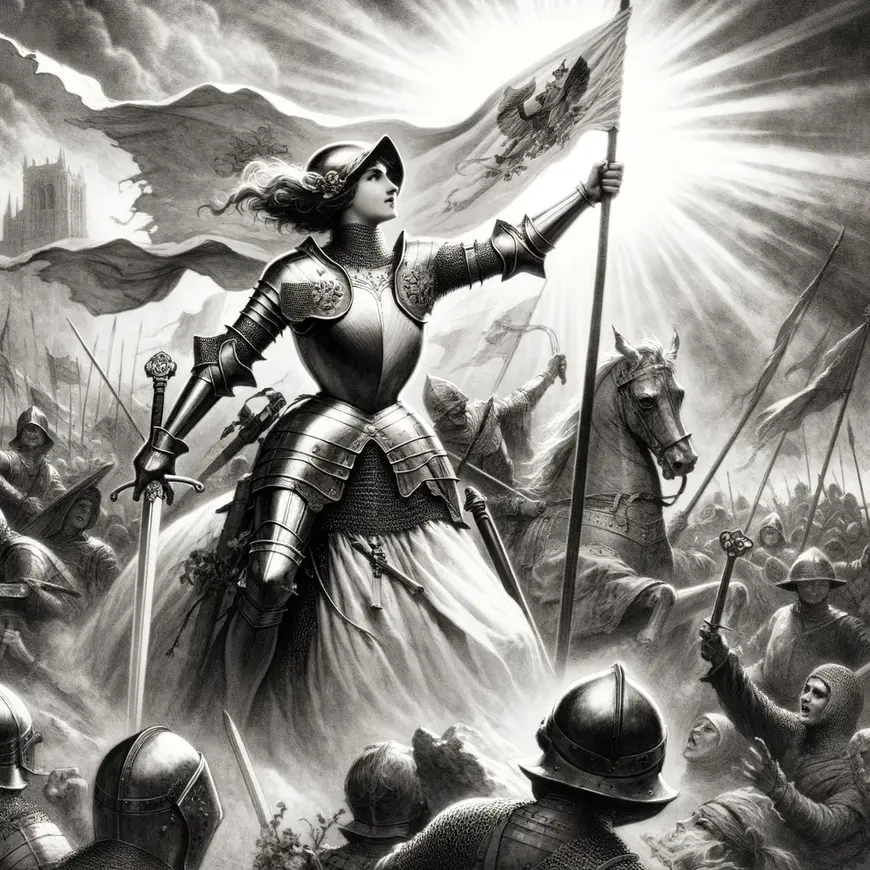
- The Maid of Orleans (Die Jungfrau von Orleans) – Play (1801)
- William Tell (Wilhelm Tell) – Play (1804)
Passion in Every Line: The Energetic Heart of Schiller
I meet Schiller’s words and I feel his fire. He writes with passion and clarity. His style is bold and direct. He uses short sentences and strong verbs. And therefore I read with excitement. He balances imagery and concrete detail. He paints scenes with vivid color. Moreover, he adds moral weight at once. He works with tension. He builds it through contrast. But he eases it with softer phrases. And so the reader stays engaged.
He writes for the stage and also for the page and he uses dialogue to reveal ideas. He opens scenes with a clear beat. Then he shifts to deeper thought. He often asks a question to guide us. For example, “What is true freedom?” It feels like he speaks to me. I sense his urgency. He invites me to think along. And then he offers his ideal. His vision feels alive and urgent.
He writes in first-person at times. When I read his letters, I feel his hope. And he shows me his doubts. Thus I connect with his mind. I see the human behind the poet. I see strength and also weakness. In every line he blends heart and head. I admire that balance. It makes his writing timeless.
He also tunes his rhythm to match mood while he uses sound for dramatic effect. He chooses words that sing. When I read his poetry, I can hear music. And that lifts his ideas. I feel a pulse in each line. That pulse guides my heart. It makes each phrase memorable.
Masterful Moves: Schiller’s Writing Toolbox
Friedrich Schiller uses many special techniques. And each one adds depth. He loves antithesis to spark energy. He pairs light and dark and also pairs calm and storm. Moreover, he uses parallelism to drive his point. He repeats key phrases for emphasis. And so his message stays with us.
He mixes rhetorical questions with bold statements. It feels like a conversation. He builds momentum through rhythm, though he times his pauses well. He uses commas and dashes for effect. Thus he controls the pace day by day. He shifts tone to match each scene. It feels natural and alive.
He also uses rich metaphors and similes, i.e. he calls fear a shadow. He calls hope a rising sun. And thus his images glow. He draws on classical myths too. He connects his themes to great stories. And so he roots his ideas in history.
He uses structure with care and sets acts with clear scenes. He leads readers step by step. Then he lands a strong ending. He gives closure and also leaves thought. And therefore his works feel complete. I admire that planning. It shows his craftsmanship.
When I study his plays, I learn from his craft. I copy his strength and his clarity. I try to use short sentences too. And I link ideas with clear words. I aim for bold verbs. And I seek the right contrast. Because that is the heart of his style. I feel that energy when I write.
The Literary Echoes in Schiller’s Symphony
Friedrich Schiller, a towering figure of the German Enlightenment and a pivotal force in Weimar Classicism, left an indelible mark on literature, philosophy, and drama. Born in 1759, Schiller’s works resonate with themes of freedom, beauty, and moral integrity. Reflecting both his engagement with contemporary intellectual currents and his profound impact on subsequent generations of writers. This essay explores the dual role of Friedrich Schiller. As both an influenced and an influencing entity in the world of literature.
The Shapers of the Genius of Friedrich Schiller
- Immanuel Kant: The philosophical ideas of Immanuel Kant, particularly those concerning ethics, aesthetics, and the concept of freedom, profoundly influenced Schiller. Kant’s critical philosophy, especially as articulated in “Critique of Pure Reason” and “Critique of Judgment,” provided a framework within which Friedrich Schiller developed his own ideas about aesthetic education and the role of art in moral and personal development.
- Johann Wolfgang von Goethe: Although initially more of a peer and friend than an influence, Goethe’s relationship with Friedrich Schiller evolved into one of mutual inspiration. Goethe’s earlier works, such as “The Sorrows of Young Werther,” had a significant impact on the Sturm und Drang movement that influenced Schiller’s early dramatic works. Their later collaboration fostered a deep intellectual exchange, shaping Schiller’s thoughts on drama, history, and poetry.
- William Shakespeare: Schiller held a lifelong admiration for Shakespeare, whose plays profoundly influenced Schiller’s own dramatic works. Shakespeare’s ability to combine profound psychological insight with complex characters and moral ambiguity resonated with Friedrich Schiller, inspiring him to explore similar complexities in his own tragedies and historical dramas.
- Jean-Jacques Rousseau: The Romantic ideals of Rousseau, emphasizing emotion, individualism, and the inherent goodness of humanity, echoed in Schiller’s early works. Rousseau’s critique of society and civilization and his emphasis on freedom and natural human rights influenced Schiller’s ideals of liberty and justice, prominently featured in his plays and philosophical writings.
The Ripple Effect: Schiller’s Influence on Literature
- The Romantic Movement: Schiller’s emphasis on emotion, individual freedom, and the sublime significantly influenced the Romantic movement across Europe. His ideas on the aesthetic experience as a means of reconciling reason and emotion laid the groundwork for Romanticism’s celebration of nature, art, and the individual’s inner life.
- Friedrich Nietzsche: Nietzsche admired Friedrich Schiller for his attempt to bridge the gap between the Apollonian and Dionysian dichotomies — the rational and the irrational aspects of human nature. Schiller’s influence is evident in Nietzsche’s early work on aesthetics, “The Birth of Tragedy,” where he explores similar themes of art’s role in cultural and personal development.
- German Idealism: Schiller’s philosophical writings, especially those on aesthetics and history, influenced the development of German Idealism. His correspondence and intellectual exchange with philosophers like Fichte and Schelling helped shape the movement’s emphasis on the role of the individual spirit in creating historical and cultural realities.
- Modern Dramatists: Playwrights such as Henrik Ibsen and George Bernard Shaw acknowledged their debt to Friedrich Schiller, citing his exploration of moral and social issues, his complex characters, and his use of drama as a vehicle for philosophical inquiry as significant influences on their own work.
In the symphony of literary history, Friedrich Schiller stands as both a distinguished composer and a resonant chord. Influencing and being influenced by the intellectual and cultural currents of his time. His legacy, a testament to the enduring power of ideas and art to inspire change and reflection. Continues to echo through the ages, shaping the contours of literary and philosophical thought.
This list includes some of Friedrich Schiller’s most notable works. Showcasing his talents across various genres such as drama, poetry, history, and philosophy. Schiller’s diverse range of works reflects his intellectual curiosity and his commitment to exploring both artistic and philosophical themes.

Famous quotes by Friedrich Schiller
- “Against stupidity, the gods themselves contend in vain.” This quote highlights the relentless and often frustrating nature of human ignorance. Friedrich Schiller suggests that stupidity is an insurmountable obstacle that not even divine beings can overcome, emphasizing the destructive and unyielding nature of ignorance in human affairs.
- “Man is only fully human when he plays.” Friedrich Schiller articulates a concept of humanity that finds its fullest expression in the realm of play. This idea, central to his aesthetic philosophy, posits that through play, individuals transcend practical and material limitations, achieving freedom and expressing their essence.
- “Grace is the beauty of form under the influence of freedom.” This quote reflects his belief in the intrinsic link between aesthetics and the autonomy of the spirit, proposing that the highest forms of beauty are those manifested from a state of liberty.
- “Dare to be wise!” This exhortation encourages individuals to pursue wisdom and knowledge courageously. It reflects the Enlightenment’s valorization of reason and intellect and calls for an active engagement with ideas and learning as pathways to enlightenment and personal development.
- “Keep true to the dreams of thy youth.” Schiller emphasizes the importance of remaining faithful to one’s early ideals and aspirations. This quote speaks to the value of maintaining the purity and passion of youthful dreams, suggesting that they hold the key to a life of fulfillment and purpose.
- “Art is the right hand of Nature. The latter has only given us being, but the former has made us men.” Schiller views art as an essential human endeavor that complements the natural world. While nature provides the basis of our existence, art enriches that existence. Elevating us beyond mere biological beings to fully realized individuals.
Trivia facts about Friedrich Schiller
- Pseudonym “Dr. Ritter”: Early in his career, Friedrich Schiller used the pseudonym “Dr. Ritter” when submitting his play “The Robbers” to a competition.
- Imprisonment and “Don Carlos”: Schiller’s play “Don Carlos” was controversial and critical of political power. It led to his brief imprisonment by the Duke of Württemberg, who found the play subversive. During his six-week confinement, Friedrich Schiller continued to write and work on his plays.
- Friendship with Goethe: The friendship of Friedrich Schiller with Johann Wolfgang von Goethe is renowned in literary history. They shared intellectual discussions, critiqued each other’s work, and even collaborated on the play “Die natürliche Tochter.” Their bond is a symbol of the intellectual camaraderie that defined the Weimar Classicism movement.
- Unfinished Works: Schiller’s ambitious nature led him to start multiple works that he never completed. For instance, he began a historical novel titled “The Ghost-Seer.” But it remained unfinished at the time of his death. His incomplete projects offer insight into the breadth of his creative ambitions.
- Nomination for Nobel Prize: Schiller’s literary contributions earned him posthumous recognition. Including a nomination for the Nobel Prize in Literature in 1905. Although he didn’t win the prize, his influence on German literature and his lasting impact on global thought remain undeniable.
- The “Schiller Monument”: In honor of the legacy of Friedrich Schiller, a monument was erected in his birthplace, Marbach am Neckar, Germany. This impressive structure, known as the “Schiller National Museum,” serves as a testament. To his enduring influence and his place in German cultural history.
The Flame of Genius: Friedrich Schiller
I saw Friedrich Schiller’s life rise. He was born in 1759 in Marbach. Then he moved to Ludwigsburg. He studied at Karlsschule in Stuttgart. He trained as a doctor. But he dreamed of words instead. He wrote his first play at twenty. It was bold and fierce. And it shocked his superiors.
Thus he left his post. He fell ill with tuberculosis. But he kept writing. Then he moved to Weimar. He joined Goethe and others. They shaped letters and drama. He wrote tragedies and poems. He crafted “The Robbers” first. And then “Don Carlos.” He dug into themes of freedom. He spoke for the human spirit. Moreover, he debated with philosophers. He wrote essays and letters. He taught at Jena University.
There he wrote on aesthetics. He shaped art and beauty while he joined the classics revival. He influenced Romanticism and drama. I read his letters and feel his thought. His style stays clear and strong. It mixes energy with heart. It blends reason and feeling. He died in 1805. Yet his work lives on. And it moves readers still. It shapes stage and thought today. I admire his drive and his mind.
And I learn from his mix of clarity and passion. He wrote Letters on the Aesthetic Education of Man. It shaped modern art theory. He mixed philosophy and art. He argued that art could heal society. His ideas spread across Europe. I feel their echo in modern thought. His legacy still inspires new writers.
Reviews of Books by Friedrich Schiller



If you like Schiller you may also appreciate Works by Goethe