Paulo Coelho: A Journey from Rebellion to Spiritual Awakening
Brazilian Writer Paulo Coelho, a name synonymous with inspirational literature worldwide, has led a life as captivating and varied as the plots of his novels. Born on August 24, 1947, in Rio de Janeiro, Brazil, his journey from a rebellious youth to a best-selling author is a testament to the power of perseverance, faith, and transformation. His works, which blend mysticism, spirituality, and adventure, continue to inspire millions across the globe.
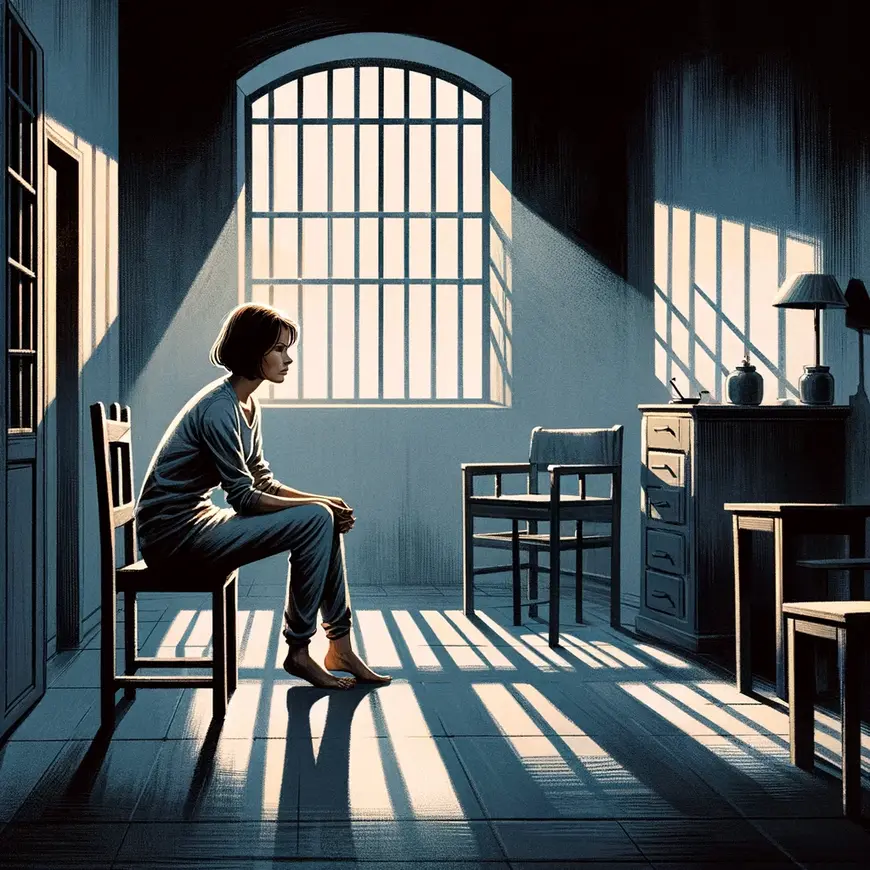
The journey of Paulo Coelho into the world of literature was far from straightforward. Born into a middle-class family in Brazil, his early life was fraught with misunderstanding and conflict, particularly with his parents, who were confounded by his artistic inclinations and rebellious streak. This period was marked by his repeated admissions to psychiatric facilities, experiences that, rather than breaking his spirit, imbued in him a sense of resilience and a deep questioning of life’s conventional paths.
Despite these turbulent beginnings, his love for writing never waned. He embarked on a diverse career path that saw him venturing into theater as a director and actor, journalism, and, notably, songwriting during the 1970s—a tumultuous period in Brazil’s history. His collaboration with Raul Seixas, a leading figure in the Brazilian rock scene, produced some of the country’s most iconic songs. Yet, the restrictive military regime of the time viewed Coelho’s lyrics and his involvement in the counterculture movement with suspicion, leading to a brief period of imprisonment and, subsequently, torture—a dark phase that the author seldom discusses.
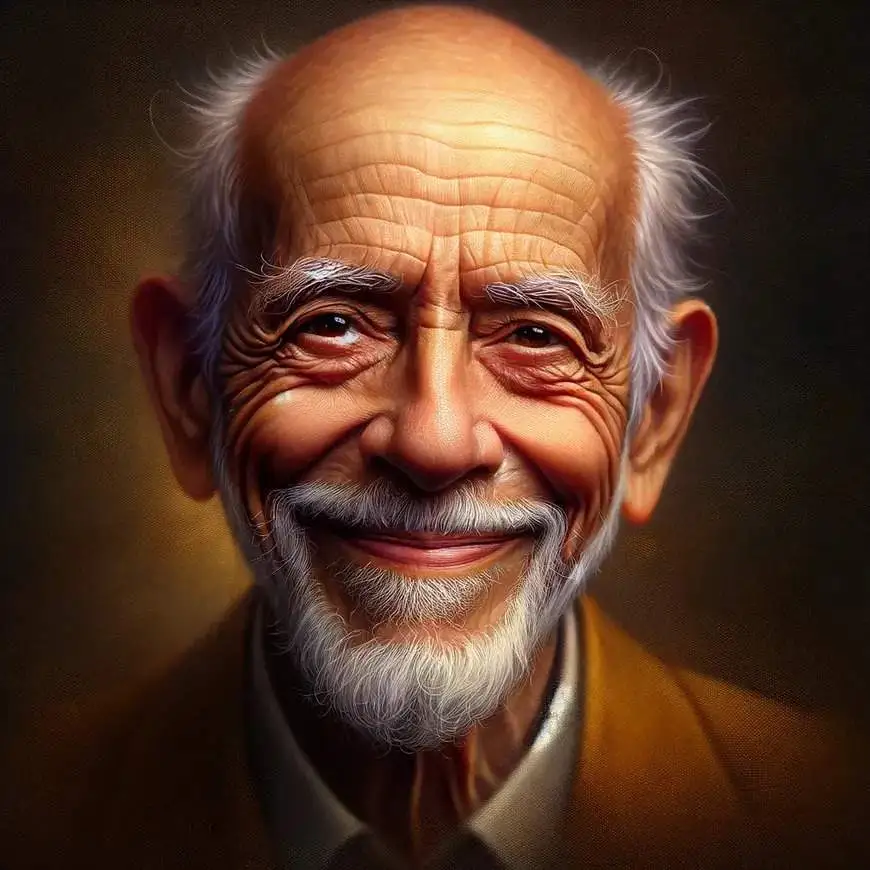
Profile of Paulo Coelho – Life and Works
- Full Name and Pseudonyms: Paulo Coelho de Souza; published as Paulo Coelho
- Birth and Death: Born 24 August 1947, Rio de Janeiro, Brazil; living
- Nationality: Brazilian
- Father and Mother: Pedro Coelho de Souza and Lygia Araripe Coelho de Souza
- Wife or Husband: Married to Cristina Oiticica (1980– )
- Children: None
- Literary Movement: Contemporary spiritual and allegorical fiction; quest narrative within late-20th/early-21st-century Brazilian literature
- Writing Style: Parable-like structure, plain diction, aphoristic turns; recurring motifs of pilgrimage, omens, destiny, love, and personal transformation
- Influences: Catholic and mystical traditions; Camino de Santiago; Kahlil Gibran; Jorge Luis Borges; Brazilian popular music and 1970s counterculture; collaboration years with Raul Seixas
- Awards and Recognitions: World Economic Forum Crystal Award; Légion d’honneur (France); multiple international state and cultural decorations; UN Messenger of Peace (2007); Guinness World Records noted for translation/signing achievements related to The Alchemist
- Adaptations of Their Work: Veronika Decides to Die (2009 film); ongoing screen developments for The Alchemist and other novels; numerous stage/radio adaptations; biographical film The Pilgrim – Paulo Coelho’s Best Story (2014)
- Controversies or Challenges: Teenage psychiatric institutionalizations; brief imprisonment/interrogation under Brazil’s military regime (1970s); periodic critical debates over prose simplicity and commercial success
- Career Outside Writing: Lyricist and music-industry professional (notably with Raul Seixas); journalist and theater work; cultural ambassador and public speaker
- Recommended Reading Order:
1. The Alchemist
2. The Pilgrimage
3. Brida
4. Veronika Decides to Die
From Rebellion to Spiritual Awakening: Santiago de Compostela
The pilgrimage to Santiago de Compostela in 1986 was a transformative experience for Coelho. It was a physical and spiritual journey that awakened in him a profound sense of purpose and direction. This experience laid the foundation for his future works, which would often explore themes of spirituality, destiny, and the quest for meaning.
“The Pilgrimage” (1987) was first book of Paulo Coelho to detail his experiences on this journey, introducing readers to the blend of adventure, spirituality, and self-discovery that would define his oeuvre. However, it was “The Alchemist” (1988) that truly captured the world’s imagination. The novel, inspired by his own life and his belief in following one’s dreams, has touched millions, becoming a symbol of hope and inspiration for people from all walks of life.
Following the unprecedented success of The Alchemist, the writer became a prolific author, producing a new book almost every year. His works often draw on his personal experiences and are imbued with a deep sense of spirituality and a belief in the interconnectedness of the universe. Novels like “By the River Piedra I Sat Down and Wept” (1994), Veronika Decides to Die (1998), and “The Devil and Miss Prym” (2000) explore themes of love, redemption, and the dual nature of mankind, further establishing the writer as a philosophical storyteller.
The narrative style of Paulo Coelho is characterized by simplicity and profundity, inviting readers to reflect on their own lives, beliefs, and the possibility of change. His emphasis on the journey rather than the destination, the importance of following one’s dreams, and the idea that the universe conspires to help us achieve our deepest desires have resonated with a global audience, making his books perennial bestsellers.
Most famous works and books by Paulo Coelho
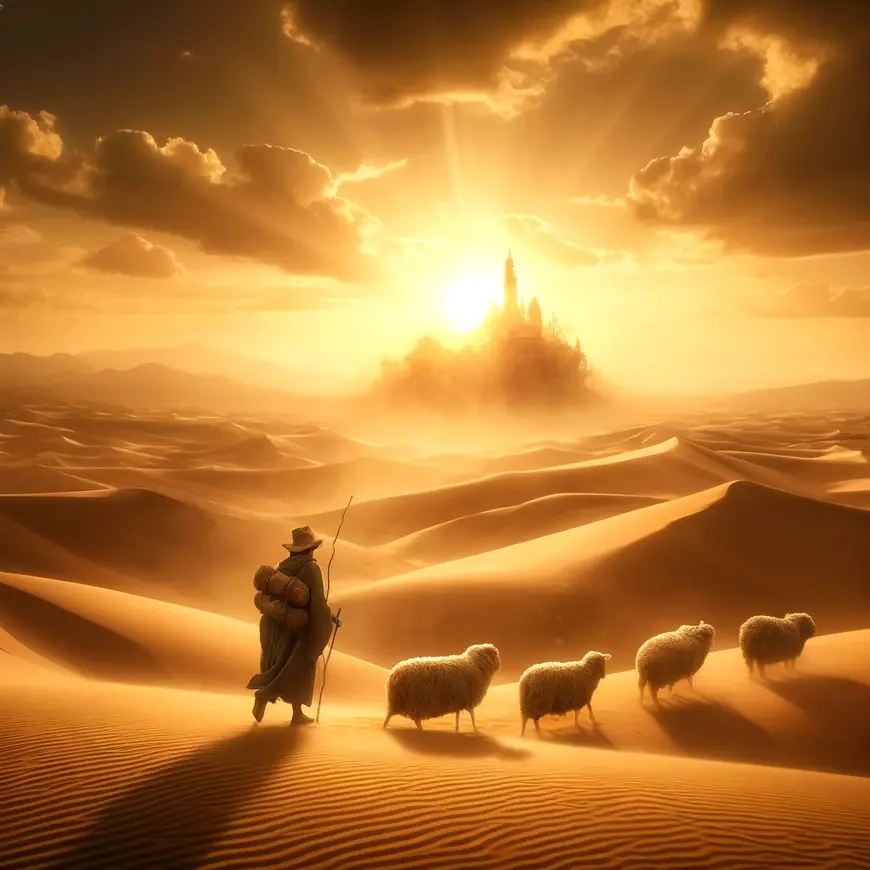
- The Alchemist (1988) His most renowned work, tells the story of Santiago. An Andalusian shepherd boy who embarks on a journey to Egypt after having a recurring dream about finding treasure there.
- Brida (1990) A tale of love, passion, and mysticism.
- The Valkyries (1992) This autobiographical novel explores Coelho’s encounter with his wife, Christina Oiticica. And their experiences with a group of women known as the Valkyries, who travel through the Mojave Desert.
- By the River Piedra I Sat Down and Wept (1994) Part of On the Seventh Day series. This novel focuses on themes of love, forgiveness, and the feminine aspect of the divine.
- The Fifth Mountain (1996) Set in the 9th century B.C., this novel reimagines the story of the biblical prophet Elijah.
- Veronika Decides to Die (1998) This novel tells the story of Veronika. A young woman from Slovenia who, after a failed suicide attempt, finds herself in a mental institution. And begins to see life from a new perspective.
- The Devil and Miss Prym (2000) A psychological thriller exploring the nature of good and evil.
- Eleven Minutes (2003) This novel explores the life of Maria.
- The Zahir (2005) Focusing on a bestselling novelist who embarks on a journey of self-discovery after his wife disappears. “The Zahir” explores themes of obsession, love, and the freedom that comes with letting go.
- The Witch of Portobello (2006) This novel tells the story of Athena.
The Literary Journey of Paulo Coelho
Paulo Coelho, a luminary of contemporary literature, is celebrated for weaving intricate narratives. That explore life’s profound mysteries and the pursuit of personal destiny. His literary journey, marked by an alchemical blend of simplicity and depth, draws from a rich palette of influences. And, in turn, leaves an indelible mark on the fabric of global storytelling.
The Philosophical Roots of Coelho’s Craft
- Herman Hesse: His narratives, much like Hesse’s, are deeply infused with a quest for spiritual enlightenment and self-discovery. Hesse’s “Siddhartha,” which traces the spiritual journey of its protagonist, echoes in thematic explorations by Paulo Coelho, particularly in “The Alchemist.” Where the young shepherd Santiago embarks on a quest to find his Personal Legend.
- Jorge Luis Borges: The influence of Borges, with his intricate labyrinths and exploration of infinite possibilities, is palpable in his work. The writer’s fascination with destiny, choice, and the myriad paths life can take. He mirrors Borges’ own preoccupations with the nature of reality and time.
- Henry Miller: Miller’s celebration of life in all its rawness and his commitment to personal freedom and authenticity resonate with his ethos. Coelho’s narratives often echo Miller’s exhortation to live fully and fearlessly, embracing the journey with all its unpredictability.
- Khalil Gibran: The spiritual lyricism and philosophical depth of Gibran’s “The Prophet” find a kindred spirit in the novelist’s prose. Both authors employ a poetic simplicity to delve into life’s complexities. Offering insights into love, loss, and the pursuit of happiness.
Coelho’s Influence on Contemporary Writers
As much as the past has shaped Paulo Coelho, his own work has become a beacon for contemporary authors. Navigating the confluence of spirituality, fiction, and personal growth. His influence can be seen across a spectrum of genres and themes, inspiring a new generation of storytellers.
- Elizabeth Gilbert: Gilbert’s “Eat, Pray, Love,” a memoir exploring the author’s quest for self-discovery across Italy, India, and Indonesia, mirrors the thematic essence of Coelho’s work. The memoir, like his novels, underscores the transformative power of travel and the pursuit of personal destiny and spiritual fulfillment.
- Eckhart Tolle: Though primarily known for his non-fiction. Tolle’s exploration of consciousness and the present moment in “The Power of Now” shares the thematic concerns with the essence of being and the spiritual journey.
- James Redfield: “The Celestine Prophecy,” a novel that explores various psychological and spiritual ideas rooted in ancient and Eastern traditions. It reflects his influence in its narrative structure and thematic exploration of destiny, synchronicity, and the search for spiritual enlightenment.
- Robin Sharma: Sharma’s “The Monk Who Sold His Ferrari,” which combines elements of self-help with fiction. It echoes the method of Paulo Coelho of imparting life lessons through storytelling. Coelho’s success in bridging the gap between fiction and philosophy opens doors. For Sharma’s explorations of wisdom, success, and living with purpose.
Paulo Coelho stands at the crossroads of the literary and the spiritual. Drawing from the well of the past to nourish the roots of future generations. His work, a testament to the enduring power of storytelling to inspire and transform, continues to influence both readers and writers alike. Encouraging them to embark on their own journeys of self-discovery and to believe in the magic of their dreams. As the writer navigates the landscape of human experience with grace and wisdom.
Style & Technique I: Narration, POV, and Time
Paulo Coelho often feels like a storyteller sitting at a campfire, speaking directly to the reader. His narrators tend to use clear, uncluttered language and explain complex spiritual ideas in everyday words. In many novels such as The Alchemist and The Pilgrimage, he prefers a third person perspective that closely follows one seeker on a physical and inner journey. The narrator reports events in simple sentences, then pauses to comment, turning key moments into small lessons about fear, faith, or love.
In other books, Paulo Coelho experiments with first person or shifting viewpoints. Veronika Decides to Die uses a first person limited perspective at crucial points, letting us hear Veronika’s inner voice as she moves from despair to a new curiosity about life. The Witch of Portobello offers fragments of testimony from multiple characters, so the reader pieces together Athena’s story through interviews, diary entries, and recollections. This mosaic of viewpoints underlines how truth in his fiction is always partial and filtered through personal belief.
Time in his fiction usually flows in a straightforward line. His protagonists travel from one place to another, and the plot follows that path with few detours. However, he often inserts brief flashbacks or prophetic visions that bend time just enough to suggest destiny at work. Omens, dreams, and symbolic encounters point ahead to future turning points without breaking the gentle rhythm of the narrative. The result is a sense that ordinary chronological time is always touched by another, invisible order where meaning is already prepared for the characters, and the journey is about learning to notice it..
Syntax, Rhythm, Imagery, and Tone
On the sentence level, Paulo Coelho prefers short clauses, familiar vocabulary, and a gentle rhythm that feels close to spoken language. He repeats key words such as “dream”, “sign”, and “heart” to anchor the reader in simple motifs rather than in dense descriptive detail. Many chapters end with a single reflective line, almost like a proverb, which gives the scene a quiet echo in the reader’s mind. Critics who expect elaborate stylistic experiment sometimes read this simplicity as flat, but for many readers it creates a meditative pace that invites slow reflection instead of technical admiration.
His imagery relies on clear, universal symbols. In The Alchemist, desert landscapes, sheep, wind, and alchemical metals work as visual shorthand for spiritual hunger, freedom, and transformation. In The Zahir, the image of obsession is condensed into the figure of a missing wife who becomes a spiritual riddle. The author rarely spends pages building a complex metaphor. Instead, he chooses one strong symbol and returns to it with small variations, so the reader learns its meaning through repetition and slight change.
Paulo Coelho also borrows tools from magical realism, especially when describing spiritual states. Sudden encounters with guides, prophetic dreams, and miraculous coincidences slide into otherwise realistic scenes without fanfare. These moments echo the wider Latin American tradition of blending the sacred and the everyday, visible for example in the family saga of 👉 The House of the Spirits by Isabel Allende.
His tone, however, stays more intimate and consoling than tragic. He speaks as a friendly mentor who believes that the universe is on the side of people who follow their personal legend, and his style keeps that promise by making the extraordinary feel close, possible, and emotionally safe.
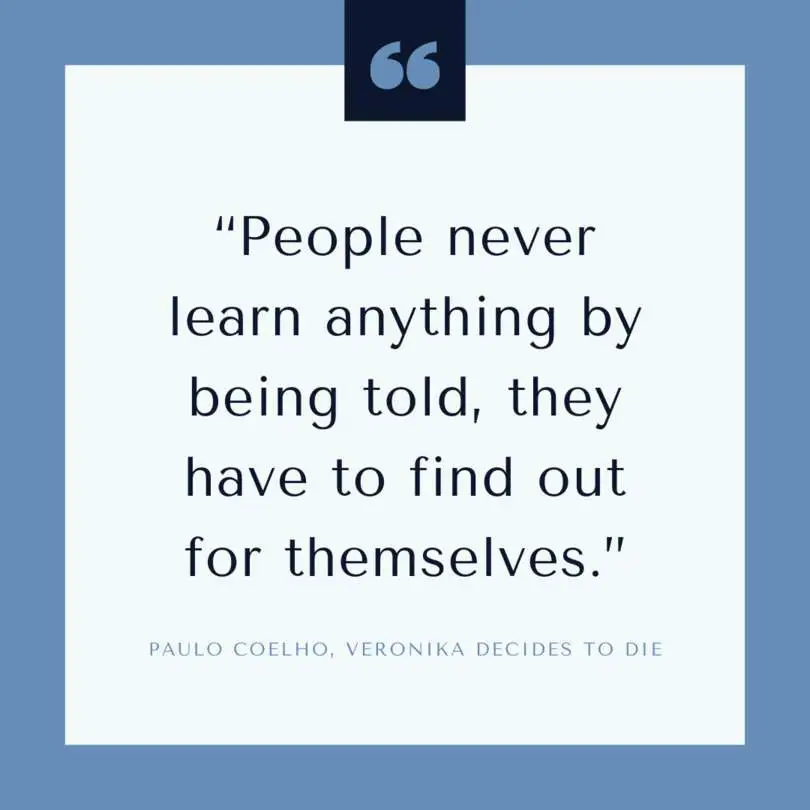
Famous quotes by Paulo Coelho
- “When you want something, all the universe conspires in helping you to achieve it.” This quote, from “The Alchemist,” suggests that when an individual is truly committed to a goal. External forces will align to bring that desire to fruition.
- “The fear of suffering is worse than the suffering itself.” He often explores the theme of fear and its paralyzing effect. This quote suggests that the anticipation of pain or failure can be more debilitating than experiencing the pain itself.
- “No one can lie, no one can hide anything when he looks directly into someone’s eyes.” This emphasizes the power of genuine connection and transparency.
- “People are capable, at any time in their lives, of doing what they dream of.” Paulo Coelho believes in the limitless potential within each person to achieve their dreams, regardless of their stage in life. This quote encourages readers to pursue their passions without fear of timing or age.
- “Freedom is not the absence of commitments, but the ability to choose – and commit myself to – what is best for me.” Here, the novelist redefines freedom, not as the lack of responsibility or ties but as the autonomy to make choices. That align with one’s true self and to dedicate oneself to these choices.
- “Waiting is painful. Forgetting is painful. But not knowing which to do is the worst kind of suffering.” This quote captures the agony of indecision and the emotional turmoil associated with uncertainty.
- “Life has many ways of testing a person’s will, either by having nothing happen at all or by having everything happen all at once.” The narrator reflects on the challenges of life. Noting that both periods of stagnation and overwhelming change serve as trials of one’s perseverance and resilience.
Trivia Facts about Paulo Coelho
- Early Rebel: Paulo Coelho exhibited a rebellious streak early in life. Leading to his parents committing him to a mental institution three times before he turned 20.
- A Failed Lyricist: Before finding his calling as a novelist, he pursued a career in music as a songwriter. Despite facing many rejections, he successfully penned lyrics for some of Brazil’s famous pop-rock bands in the 1970s.
- The Pilgrimage: His spiritual awakening began with a 500-mile trek along the Road of Santiago de Compostela in Spain. A journey that deeply influenced his writing, particularly in “The Pilgrimage” and “The Alchemist.”
- Social Media Pioneer: Paulo Coelho is an early adopter and avid user of social media. Using platforms like Twitter and Facebook to engage with fans and share his thoughts and writings.
- Cultural Ambassador: In 1996, the United Nations named Paulo Coelho a Special Counsellor for Intercultural Dialogues and Spiritual Convergences.
- The Coelho Institute: Established with his wife, Christina Oiticica, the Coelho Institute supports social programs for the elderly and children in Brazil. Demonstrating his commitment to giving back to the community.
- Rock Star Dreams: The writer harbored dreams of becoming a rock star in his youth. A far cry from the literary path he ultimately followed.
- Knight of Arts and Letters: In 1996, France awarded Paulo Coelho the prestigious Chevalier de l’Ordre National de la Légion d’Honneur. Recognizing his significant contributions to literature and the arts.
Legacy and Impact
Paulo Coelho’s life story, from his early struggles to his rise as one of the world’s most beloved authors, is a testament to the transformative power of the human spirit. His work transcends literary genres, offering a source of spiritual guidance and inspiration. Beyond his literary contributions, his influence extends to social media, where he actively engages with a global community. Sharing insights and fostering a sense of connectedness among his readers.
As a member of the Brazilian Academy of Letters and a recipient of numerous international awards. His legacy is not just in the words he has written but in the lives he has touched. His journey encourages us to embrace our own paths with courage and faith. Reminding us that life, with all its uncertainties and wonders, is a pilgrimage of self-discovery and fulfillment.
In reflecting on the life and work of Paulo Coelho, we are reminded of the enduring power of storytelling to inspire, challenge, and transform. His journey from a rebellious youth to a spiritual guide underscores the beauty of the human experience. The endless quest for meaning, love, and the magic that lies in chasing our dreams.