Ray Bradbury – A Master of Science Fiction and Fantasy
Ray Bradbury, a master of science fiction and fantasy, captivated readers with his imaginative storytelling and vivid prose. Born on August 22, 1920, in Waukegan, Illinois, his remarkable career spanned several decades and left an indelible mark on the literary world. This essay will delve into his curriculum vitae, examine his notable works in chronological order, explore his distinctive stylistic features, discuss the public reception of his writings, and assess his literary reception and impact on society. Additionally, we will uncover intriguing trivia about the visionary author and employ captivating headlines to illuminate his remarkable journey.
Profile of Ray Bradbury – Life and Books
- Full Name and Pseudonyms: Ray Douglas Bradbury; typically published under his own name.
- Birth and Death: Born 22 August 1920, Waukegan, Illinois; died 5 June 2012, Los Angeles, California.
- Nationality: American.
- Father and Mother: Leonard Spaulding Bradbury and Esther Marie (Moberg) Bradbury.
- Wife or Husband: Married Marguerite “Maggie” McClure (1947–2003).
- Children: Four daughters — Susan, Ramona, Bettina, Alexandra.
- Literary Movement: Mid-century American speculative fiction and fantasy; often linked to the Golden Age of science fiction while writing in a lyrical, humanist key.
- Writing Style: Poetic, image-rich prose; nostalgic Midwestern settings; allegorical fables about memory, censorship, technology, and conscience; emphasis on wonder and moral choice over hard science.
- Influences: Edgar Allan Poe, H. G. Wells, Jules Verne, Sherwood Anderson, pulp and Weird Tales traditions, early film and radio storytelling.
- Awards and Recognitions: National Book Foundation Medal for Distinguished Contribution to American Letters (2000), National Medal of Arts (2004), Pulitzer Prize Special Citation (2007), SFWA Grand Master (1988), Emmy Award for The Halloween Tree teleplay (1994), multiple other lifetime and genre honors.
- Adaptations of Their Work: Fahrenheit 451 (François Truffaut, 1966; HBO film, 2018), Something Wicked This Way Comes (1983), The Illustrated Man (1969), The Martian Chronicles (1980 miniseries), numerous stage and audio adaptations.
- Controversies or Challenges: Early financial hardship and persistent rejections; later debates about the central theme of Fahrenheit 451 (mass media vs. censorship); public skepticism toward aspects of digital culture.
- Career Outside Writing: Screenwriter and playwright; wrote the screenplay for John Huston’s Moby Dick (1956); consultant for museum and theme-park projects, including concept work for Disney’s EPCOT Spaceship Earth; lecturer and essayist.
- Recommended Reading Order:
1. The Martian Chronicles
2. Fahrenheit 451
3. Dandelion Wine
4. Something Wicked This Way Comes
5, The Illustrated Man
The Remarkable Life and Career of Ray Bradbury
Ray Bradbury, a renowned American author, had a remarkable life and career filled with imagination and literary brilliance. Born on August 22, 1920, in Waukegan, Illinois, His journey took him from a small town to becoming one of the most celebrated figures in science fiction and fantasy literature. This essay will delve into the curriculum vitae of Ray Bradbury, shedding light on his educational background, employment history, and the significant milestones that shaped his extraordinary career.
His educational journey began in Waukegan, where he attended local schools. However, his love for learning extended far beyond the classroom. The novelist was an avid reader from a young age. He immersed himself in a wide range of genres and developed a profound passion for storytelling. His voracious appetite for literature significantly influenced his future writing.
As a young man, the author pursued various jobs. These roles provided experiences that later inspired his writing. He worked as a newspaper seller, a magician’s assistant, and a bookstore clerk. These diverse experiences allowed him to observe different people. They deepened his understanding of human nature and society’s complexities.
Milestones and Achievements
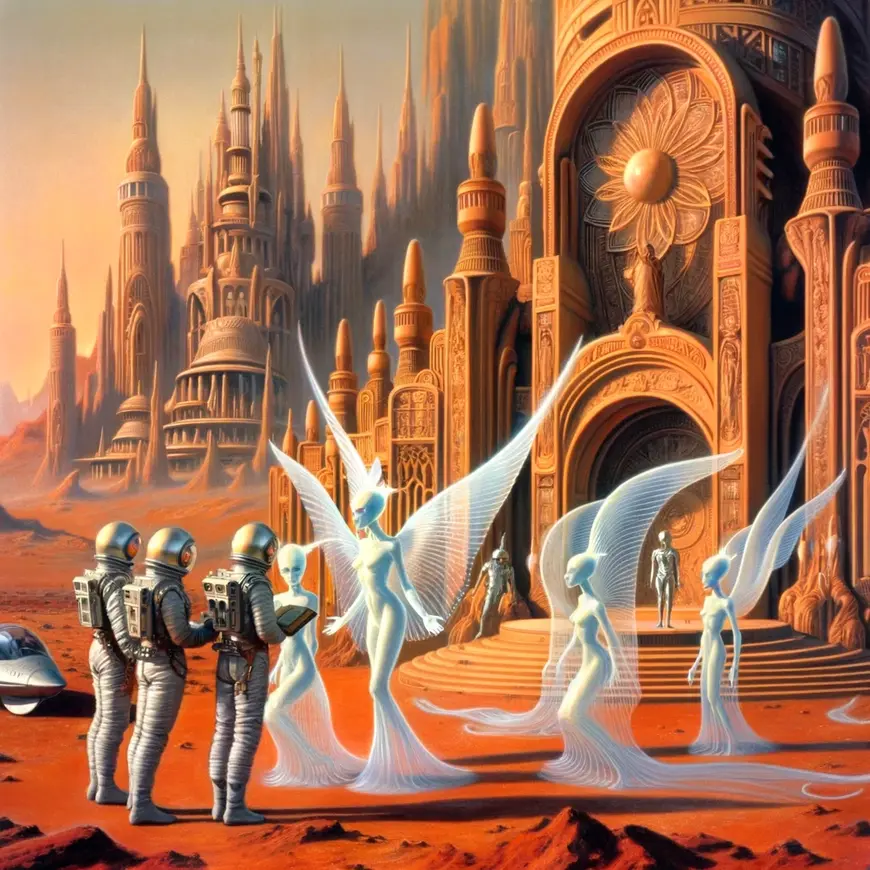
His career featured numerous milestones and achievements. In 1950, he published “The Martian Chronicles.” This collection of interconnected stories explored humanity’s colonization of Mars. It established Bradbury as a master of science fiction and fantasy.
In 1953, his magnum opus, “Fahrenheit 451,” was published. This dystopian novel is set in a future where books are banned. It served as a powerful critique of censorship and the suppression of knowledge. The novel earned him widespread acclaim and cemented his status as a literary visionary.
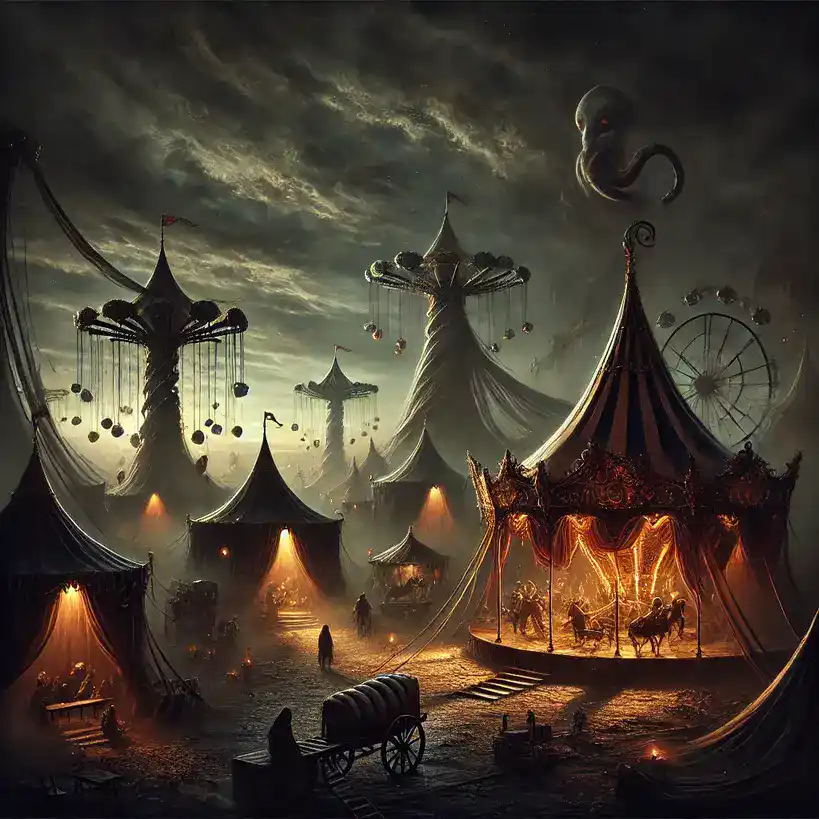
His other notable works include “Dandelion Wine” (1957) and “Something Wicked This Way Comes” (1962). “Dandelion Wine” captures the essence of summertime, while “Something Wicked This Way Comes” is a haunting tale of a malevolent carnival. Through these works and many others, The writer captivated readers with his evocative prose. He expertly blended science fiction and fantasy with profound insights into the human experience.
Ray Bradbury’s curriculum vitae is a testament to his imaginative spirit and storytelling’s transformative power. From his early days as a curious reader to his celebrated career, his journey was filled with creative exploration and literary success.
Notable Books by Ray Bradbury in Chronological Order
- The Martian Chronicles (1950): This collection of interconnected short stories showcases Bradbury’s ability to craft a captivating narrative set in a future where humanity colonizes Mars. Each story explores the complexities of human nature, blending science fiction with themes of loneliness, exploration, and the consequences of colonization.
- Fahrenheit 451 (1953): Bradbury’s dystopian masterpiece, “Fahrenheit 451,” envisions a society where books are banned, and intellectualism is suppressed. The novel delves into themes of censorship, the power of knowledge, and the importance of preserving literature. His evocative prose and thought-provoking narrative resonated with readers, cementing the novel’s status as a timeless classic.
- Dandelion Wine (1957): In this semi-autobiographical novel, he takes readers on a nostalgic journey through the magical summer experiences of twelve-year-old Douglas Spaulding. Through exquisite storytelling and vivid imagery, Ray Bradbury captures the essence of childhood, evoking a sense of wonder and the bittersweet passage of time.
- Something Wicked This Way Comes (1962): Blending elements of horror and fantasy, this novel follows two young boys, Will and Jim, as they encounter a malevolent carnival that preys on their deepest fears. His atmospheric prose, rich character development, and exploration of the human psyche create a haunting tale that lingers in the reader’s imagination.
- Let’s All Kill Constance (1971): A collection of fantasy and surreal short stories that blend humor, irony, and the absurd, exploring unconventional scenarios and imaginative ideas.
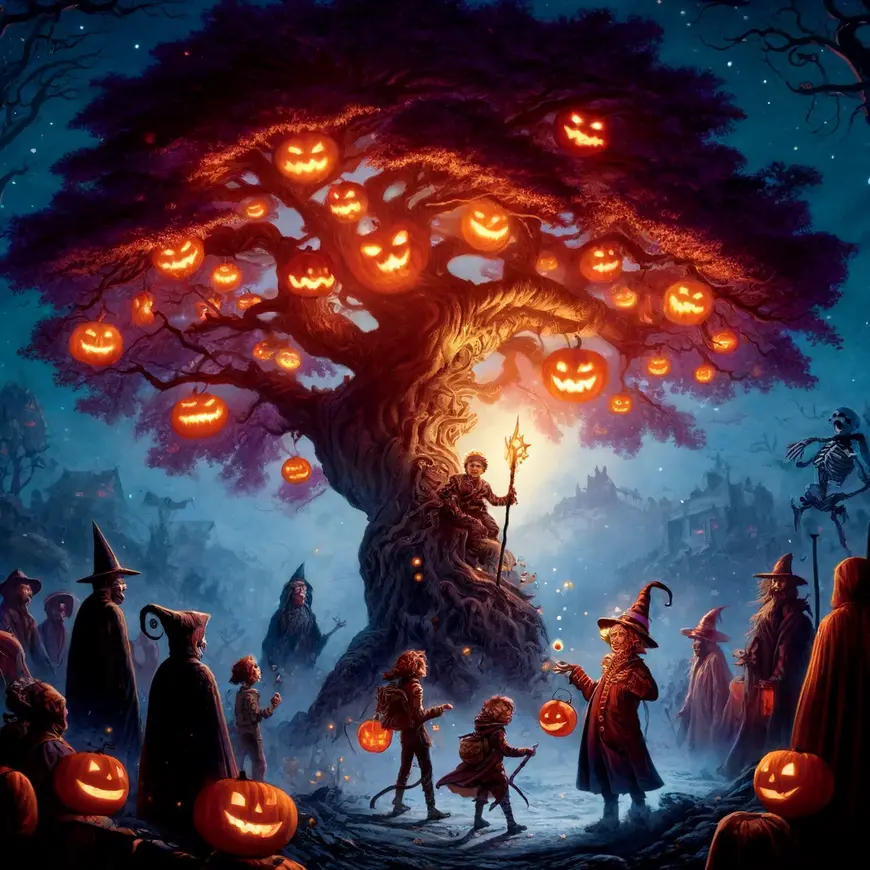
- The Halloween Tree (1972): A fantasy novel where a group of friends embark on a magical journey through time and cultures on Halloween night to save one of their own from a mysterious fate.
- Death Is a Lonely Business (1985): A noir detective novel featuring a private investigator navigating a gloomy, futuristic cityscape while solving a series of mysterious murders.

Ray Bradbury’s Literary Legacy: Inspired and Inspiring
Ray Bradbury’s work bridges generations, drawing inspiration from literary giants like Steinbeck, Hemingway, and Huxley. These influences shaped his unique voice, blending emotional depth with speculative imagination. At the same time, his works inspired modern icons like Gaiman, King, and Atwood, who continue to explore the themes he pioneered. Reading Ray Bradbury feels like stepping into a vast literary conversation. His words remind us of the power of imagination and the timeless relevance of storytelling.
Writers Who Influenced Ray Bradbury
- John Steinbeck: When I read Bradbury’s stories, I noticed the same kind of emotional resonance that I felt with John Steinbeck’s works. Steinbeck’s ability to capture human struggles with simple yet powerful prose clearly influenced Ray Bradbury. In The Grapes of Wrath, Steinbeck uses vivid descriptions to highlight the plight of the Dust Bowl migrants. The writer, in Dandelion Wine, captures small-town life with the same clarity and depth. Steinbeck’s focus on the ordinary, paired with his emotional storytelling, taught him how to find the extraordinary in everyday moments.
- Ernest Hemingway: The novelist admired Ernest Hemingway’s ability to write with precision. Hemingway’s lean prose, as seen in The Old Man and the Sea, uses few words to convey profound emotions. Ray Bradbury took this lesson and blended it with his own lyrical style. In Fahrenheit 451, I saw the influence of Hemingway in Bradbury’s sharp, focused sentences. He doesn’t waste words, but his descriptions still carry weight and beauty. Hemingway showed him that less can indeed be more.
- Aldous Huxley: Aldous Huxley’s Brave New World left a clear mark on Bradbury’s work. Huxley’s dystopian world-building and his critiques of societal control resonated with him. When I read Fahrenheit 451, I saw the writer exploring similar ideas about censorship and the loss of individuality. Huxley inspired him to use speculative fiction not just for entertainment, but as a lens to examine society’s potential pitfalls. Ray Bradbury built on this foundation by adding more emotional depth to his dystopian visions.
Writers Influenced by him
- Neil Gaiman: Neil Gaiman draws heavily from Bradbury’s style. Both authors create fantastical worlds infused with human emotion. In The Ocean at the End of the Lane, Gaiman captures the same wonder and nostalgia that the author explores in Dandelion Wine. Gaiman has often credited Ray Bradbury for shaping his love of storytelling.
- Stephen King: Stephen King considers Ray Bradbury one of his greatest influences. King’s ability to write vivid, small-town settings and emotionally complex characters mirrors his work. In It, King’s blend of supernatural horror and childhood innocence reminded me of Something Wicked This Way Comes. King builds on his legacy by amplifying its darker themes.
- Margaret Atwood: Margaret Atwood, author of The Handmaid’s Tale, follows in his footsteps by using dystopian fiction to critique societal issues. When I read Fahrenheit 451, I saw the foundation for Atwood’s exploration of control, freedom, and resistance. Both authors use speculative worlds to reflect on humanity’s flaws and potential.
Literary Impact: Imaginations with Literary Fireworks
Reading Ray Bradbury feels like stepping into a vast literary conversation. His words remind us of the power of imagination and the timeless relevance of storytelling. Bradbury’s works received widespread acclaim and gained a devoted following. “Fahrenheit 451” deeply resonated with readers, sparking discussions about the dangers of censorship and the importance of intellectual freedom. His imaginative storytelling and thought-provoking themes earned him a place among literary greats. He inspired generations of writers and readers alike.
Moreover, Bradbury’s literary reception and impact on society are evident in the enduring popularity of his works. His stories continue to captivate readers of all ages. His influence is clear in contemporary science fiction and fantasy literature. Bradbury’s skill in blending social commentary, lyrical prose, and imaginative narratives has left an indelible mark on the literary landscape.
Imagination, Emotion, and the Power of Storytelling
Ray Bradbury’s writing feels like stepping into a dream. His words are filled with wonder, emotion, and vivid imagery that bring his stories to life. When I read Fahrenheit 451 and The Martian Chronicles, I felt like I was exploring entire worlds while reflecting on my own. His unique style blends poetic language with sharp insights into human nature, creating unforgettable stories. Here are the key characteristics of his writing style and special techniques:
- Vivid Imagery: HIss descriptions are rich and colorful. He creates scenes that are so vivid, you can almost see, smell, and feel them.In The Martian Chronicles, his portrayal of Mars is both alien and familiar. I could see the red sands and hear the quiet of the Martian nights. His imagery made every scene feel real and magical at the same time.
- Poetic Language: The author writes with a lyrical quality. His sentences flow with rhythm and beauty, almost like poetry. In Fahrenheit 451, I noticed how his poetic phrases gave even the bleakest scenes a strange, haunting beauty. His words stayed with me long after I finished reading.
- Emotional Depth: Bradbury’s writing is filled with emotion. He captures joy, fear, nostalgia, and hope in ways that feel deeply personal. When I read Dandelion Wine, I felt the warmth of summer and the bittersweetness of growing up. His ability to tap into universal emotions made the story unforgettable.
- Imagination and Wonder: The stories of Ray Bradbury are rooted in imagination. He creates worlds that stretch the boundaries of reality, yet feel grounded in human experience. In The Illustrated Man, each tale felt like a portal to a new idea or possibility. His imagination made me question what could exist beyond the known.
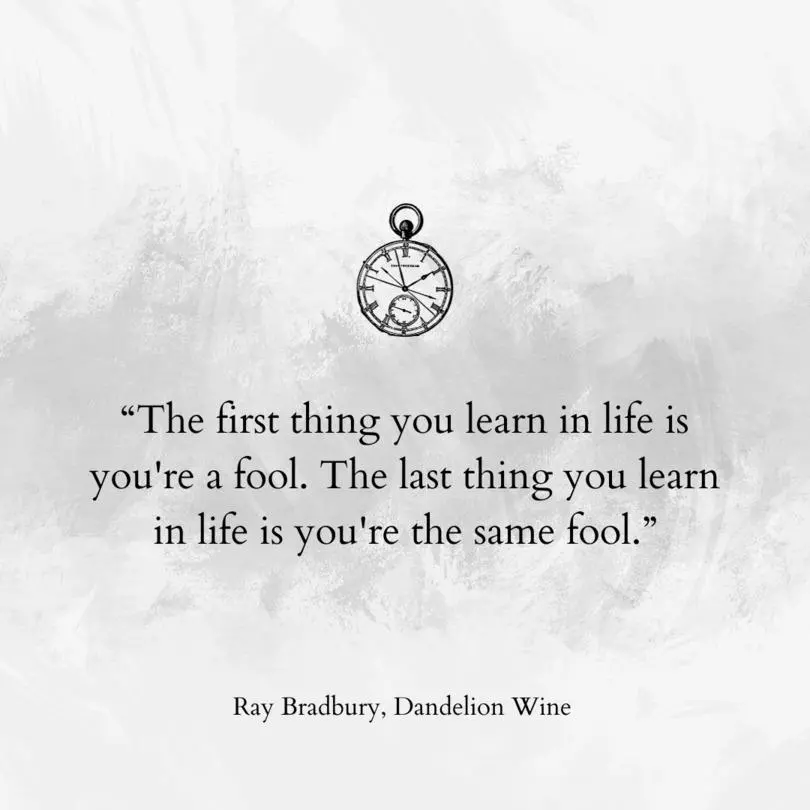
Famous Quotes from Ray Bradbury
- “You don’t have to burn books to destroy a culture. Just get people to stop reading them.” Ray Bradbury warns about the dangers of ignorance and complacency. He suggests that a lack of curiosity and critical thinking can destroy culture as effectively as censorship.
- “Stuff your eyes with wonder, live as if you’d drop dead in ten seconds.” He encourages living fully and appreciating life’s beauty. He connects wonder and urgency, urging us to make the most of every moment.
- “We are cups, constantly and quietly being filled. The trick is knowing how to tip ourselves over and let the beautiful stuff out.” The author compares people to cups, always learning and growing. He suggests that sharing creativity and knowledge makes life meaningful.
- “There are worse crimes than burning books. One of them is not reading them.” This quote reflects Bradbury’s love of literature. He argues that neglecting to read is a betrayal of knowledge and imagination.
- “You can’t try to do things; you simply must do them.” He emphasizes action and commitment. He suggests that hesitation prevents success, while decisiveness leads to achievement.
- “Don’t think. Thinking is the enemy of creativity. It’s self-conscious, and anything self-conscious is lousy. You can’t try to do things. You simply must do things.” Ray Bradbury encourages letting creativity flow naturally. He believes overthinking stifles imagination and prevents authentic expression.
- “You must stay drunk on writing so reality cannot destroy you.” The author highlights the power of creativity to shield us from life’s challenges. He suggests that passion for art can make life richer and more bearable.
- “We are all fools in love with the idea of tomorrow.” The writer explores humanity’s obsession with the future. He suggests that while dreaming of tomorrow is inspiring, it can distract us from appreciating today.
Trivia about him
- Never Attended College: Ray Bradbury never went to college. Instead, he educated himself by reading extensively at the Los Angeles Public Library. He often called libraries his “university.”
- Connected to Walt Disney: He worked with Walt Disney to design the Spaceship Earth ride at Epcot in Disney World. He contributed to its futuristic themes and storytelling.
- Friendship with Aldous Huxley: Ray Bradbury had a literary friendship with Aldous Huxley, author of Brave New World. They shared mutual respect for each other’s dystopian visions and ideas about society.
- Lived in Los Angeles: The writer moved to Los Angeles with his family as a teenager. The city became a backdrop for many of his stories and fueled his fascination with Hollywood and creativity.
- Inspired Stephen King: His imaginative storytelling had a profound impact on Stephen King. King has often credited the writer’s works with inspiring his own writing career.
- Connected to the Jet Propulsion Laboratory (JPL): His fascination with space exploration led to a relationship with NASA’s Jet Propulsion Laboratory. A crater on the Moon was even named “Dandelion Crater,” referencing his novel Dandelion Wine.
- Worked on Hollywood Scripts: The author wrote several screenplays, including the adaptation of Herman Melville’s Moby Dick for director John Huston. His experience in Hollywood influenced his critiques of consumerism and media in Fahrenheit 451.
- Awards and Honors: Ray Bradbury received numerous awards and honors, including the National Medal of Arts and a Pulitzer Prize Special Citation.
A Life Fueled by Imagination and Words
Ray Bradbury was a master storyteller whose work seamlessly blended imagination, emotion, and powerful messages. Born in 1920 in Waukegan, Illinois, he grew up surrounded by books, libraries, and the magic of early science fiction.
His most famous works, including Fahrenheit 451, The Martian Chronicles, and Dandelion Wine, have captivated readers for generations. When I read Fahrenheit 451, I was struck by how he painted such a vivid and haunting picture of censorship and conformity. This made me reflect on the importance of books and individuality in our lives. Likewise, The Martian Chronicles transported me to Mars, but it wasn’t just about space exploration. It also delved into humanity’s hopes, flaws, and moral dilemmas.
What truly amazed me was Bradbury’s writing style. It was both poetic and accessible, filled with lush descriptions that created a sense of wonder. He had an extraordinary ability to combine beauty with simplicity, making his stories deeply engaging yet easy to understand. I admired how he crafted worlds that felt fantastical but also relatable on a personal level.
Ray Bradbury was inspired by legendary writers like John Steinbeck, Ernest Hemingway, and Aldous Huxley. At the same time, his works influenced modern authors such as Neil Gaiman and Stephen King. These connections highlight the timeless impact of his creativity and the way his stories continue to shape literature.
Reading the author’s works felt like stepping into a dream that was filled with color, emotion, and meaning. His stories are much more than science fiction. They are reflections on humanity, love, and the power of imagination. Even today, his words remind us of the beauty, complexity, and fragility of being human. His legacy will forever inspire readers to explore the depths of creativity and the wonders of storytelling.
Reviews of works by Ray Bradbury