Virginia Woolf’s Mrs. Dalloway – Labyrinth of the Human Mind
My learnings from Mrs Dalloway
I found Virginia Woolfs novel to be an read. Right, from the start I was captivated by the story of Clarissa Dalloway as she got ready for her party. The way the author writes with a stream of consciousness style really brought me close to Clarissas thoughts and memories.
As I followed Clarissa through her day I was struck by the relationships between characters and their inner worlds. Each characters reflections on their past and present gave me insights into their struggles and desires. I particularly felt a connection to Septimus Warren Smith, whose experiences with trauma added a layer to the story.
By the time I finished the book I was moved by her skill in portraying emotions and complexities in her characters. The book prompted me to contemplate time passing connections between people and the beauty in moments. The beautiful writing style made a lasting impact, on me turning this book into an read.
Virginia Woolf, an influential figure in the modernist literary movement, crafted a masterpiece of introspection and exploration in her novel Mrs Dalloway. Published in 1925, this groundbreaking work delves deep into the labyrinth of the human mind, weaving together the intricate thoughts and emotions of its characters. With a captivating narrative style and profound themes, the story stands as a testament to her innovative storytelling and her ability to capture the complexities of human existence.
Mrs Dalloway – The Symphony of Consciousness
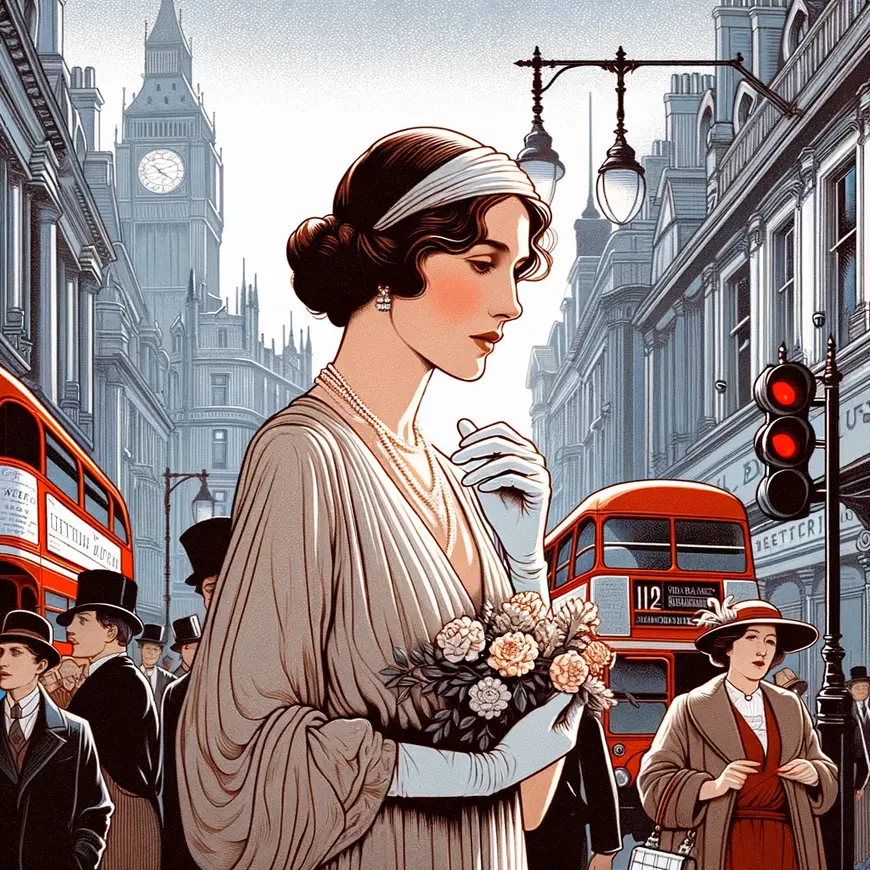
Mrs. Dalloway unfolds over the course of a single day in the life of Clarissa Dalloway, an upper-class woman in post-World War I London. Virginia Woolf invites readers into the minds of various characters, allowing us to witness their innermost thoughts and experiences. The novel’s distinctive stream-of-consciousness technique immerses us in a symphony of consciousness, where fleeting memories, reflections, and observations intermingle in a continuous flow.
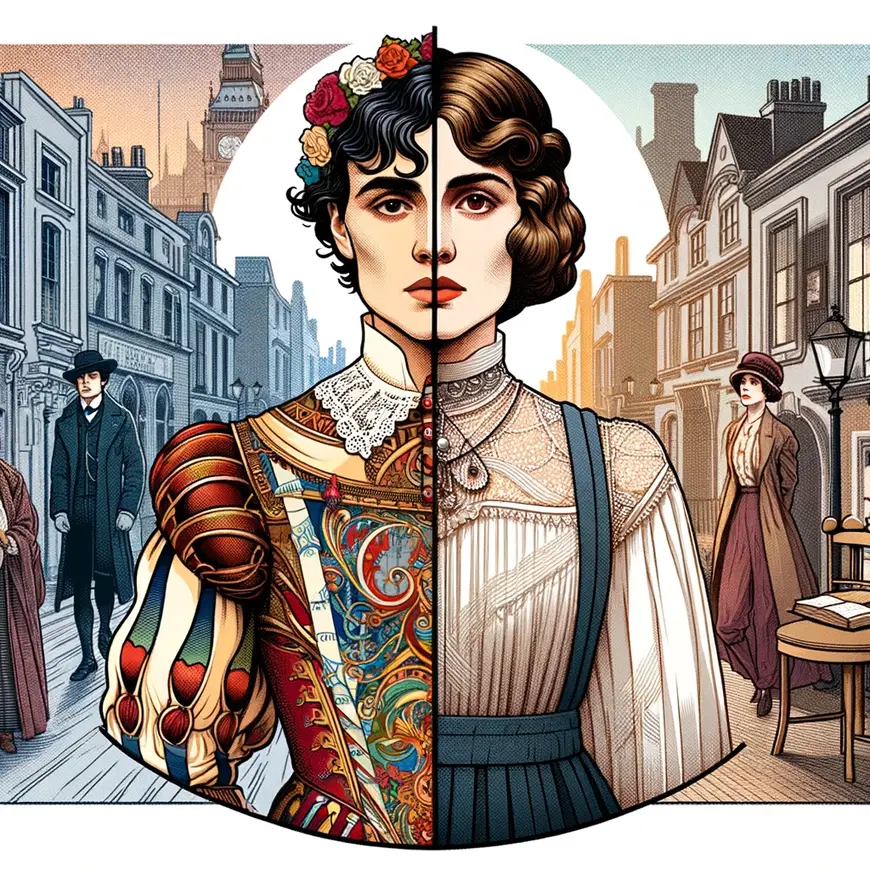
One of the novel’s central themes is the exploration of time and its impact on the construction of personal identity. Through the character of Clarissa Dalloway, the writerexamines the complexities of time and its effect on individual perception. As Clarissa prepares for her evening party, she delves into her past and present, interweaving memories and experiences to highlight the fluidity of time and its influence on shaping our identities.
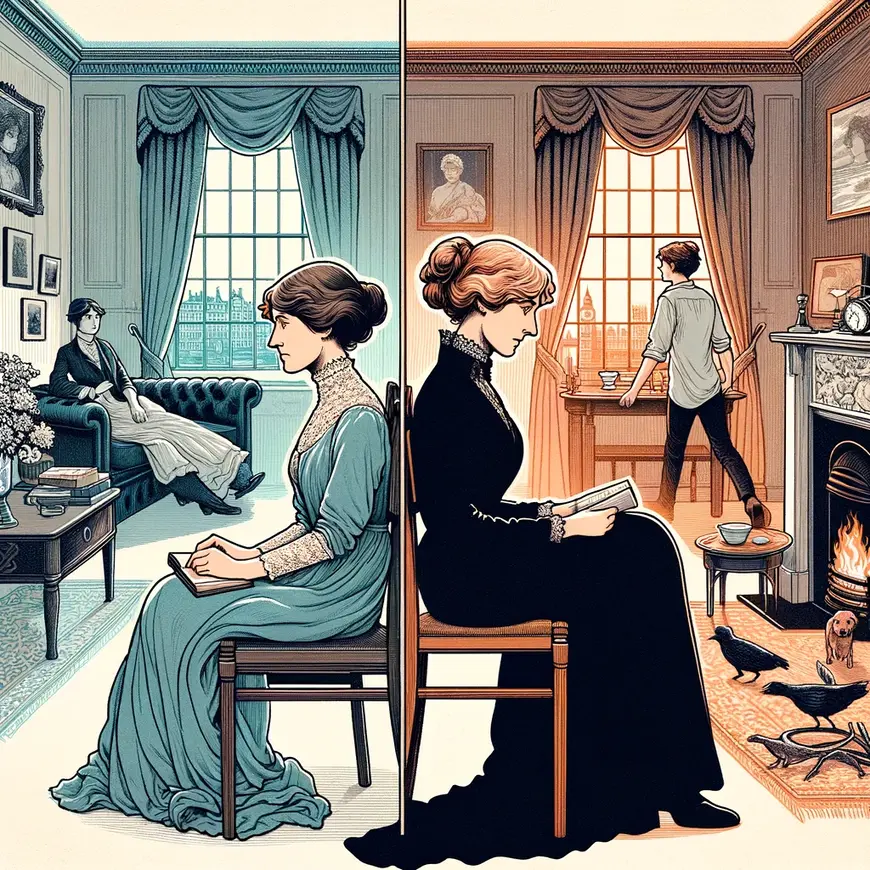
The icon of English literature skillfully dissects the societal expectations and gender roles prevalent in post-war England. Mrs. Dalloway challenges traditional notions of femininity and delves into the limited roles assigned to women in society. Woolf presents a cast of diverse female characters, each grappling with their own desires, aspirations, and the constraints imposed upon them. By juxtaposing Clarissa’s life with that of the rebellious and nonconformist Septimus Smith, Woolf raises questions about the suffocating effects of societal norms on individual autonomy and mental well-being.
Her narrative style in this novel is a testament to her literary prowess. Through her masterful use of language and innovative techniques, she breaks away from conventional narrative structures. The stream-of-consciousness technique, with its absence of traditional plot progression, immerses readers in the minds of the characters, providing a vivid and intimate portrayal of their inner worlds. The lyrical prose, rich with evocative descriptions and intricate symbolism, enhances the novel’s atmospheric quality, engaging readers on both intellectual and emotional levels.
Reception and Literary Significance
Upon its release, the novel garnered critical acclaim for its literary innovations and insightful portrayal of human consciousness. The novel’s exploration of time, identity, and society challenged established literary conventions, leaving an indelible mark on the modernist movement. Its experimental narrative techniques have influenced generations of writers, inspiring them to push the boundaries of storytelling.
Nearly a century after its publication, the book continues to resonate with readers. Its exploration of the human psyche, the impact of societal norms, and the fluidity of time remains pertinent in contemporary society. Her courageous portrayal of mental health struggles, as exemplified through Septimus Smith’s character, serves as a reminder of the importance of empathy and understanding.
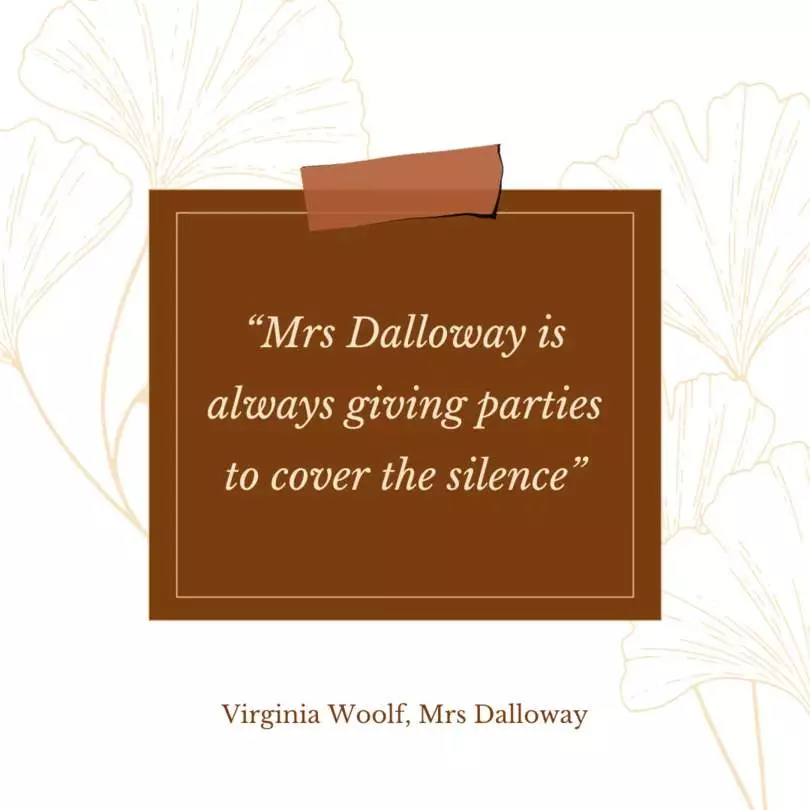
Famous Quotes from Mrs. Dalloway by Virginia Woolf
- “She had the perpetual sense, as she watched the taxi cabs, of being out, out, far out to sea and alone.” This quote reflects the novel’s exploration of isolation and the individual’s internal experience. Despite being surrounded by the bustle of London, Clarissa Dalloway feels detached, highlighting the theme of loneliness amidst a crowd and the separation between an individual’s external world and their inner life.
- “Life is made intolerable; they make life intolerable, men like that.” The novel addresses the restrictions placed on women and critiques the social structures that limit their freedom and self-expression.
- “Fear no more, says the heart in the body; fear no more.” This is a reference to William Shakespeare‘s Cymbeline, and in the context of Mrs. Dalloway, it speaks to a desire for peace and the end of suffering.
- “She always had the feeling that it was very, very dangerous to live even one day.” This quote encapsulates the novel’s exploration of the precariousness of existence and the value of each moment.
- “Moments like this are buds on the tree of life. Flowers of darkness they are.” This metaphor speaks to the transient, yet profound, moments of beauty and insight that punctuate our lives.
Trivia Facts about Mrs. Dalloway
- Innovative Stream-of-Consciousness Technique: She employs a stream-of-consciousness narrative style in this work that was revolutionary at the time. This technique allows readers to experience the thoughts and feelings of characters in real-time. Blurring the lines between thought and action, and between different characters’ perspectives.
- Influenced by her Own Life: Virginia Woolf’s own struggles with mental health. And her experiences in London society are reflected in Mrs. Dalloway. The novelist, like her character Septimus, experienced periods of profound psychological distress. And she infused the novel with her own insights into the complexities of the human mind.
- Critique of British Society: The story is also a critique of British society in the aftermath of World War I. Through her characters, she examines the changing social order, the role of women, and the disillusionment with traditional values that followed the war.
- The Hours: The novel inspired the Pulitzer Prize-winning novel “The Hours” by Michael Cunningham in 1998. Which was later adapted into an Academy Award-winning film.
- A Day in the Life: The entire novel takes place over the course of a single day. A structural choice that was quite innovative at the time of its publication. This format allows her to delve deeply into the interior lives of her characters. Making ordinary moments feel expansive and significant.
Mrs. Dalloway is a seminal work in literary history. It showcases Virginia Woolf’s mastery of language. She delves into the depths of human consciousness.The novel’s innovative narrative style invites readers to explore the mind’s intricate corridors. It examines the complexities of time, identity, and societal constraints.
Her profound insights and poetic prose make the novel an enduring masterpiece. It continues to captivate and challenge readers. This novel solidifies its place in the literary canon.