Love, exile, and memory in Romanzero by Heinrich Heine
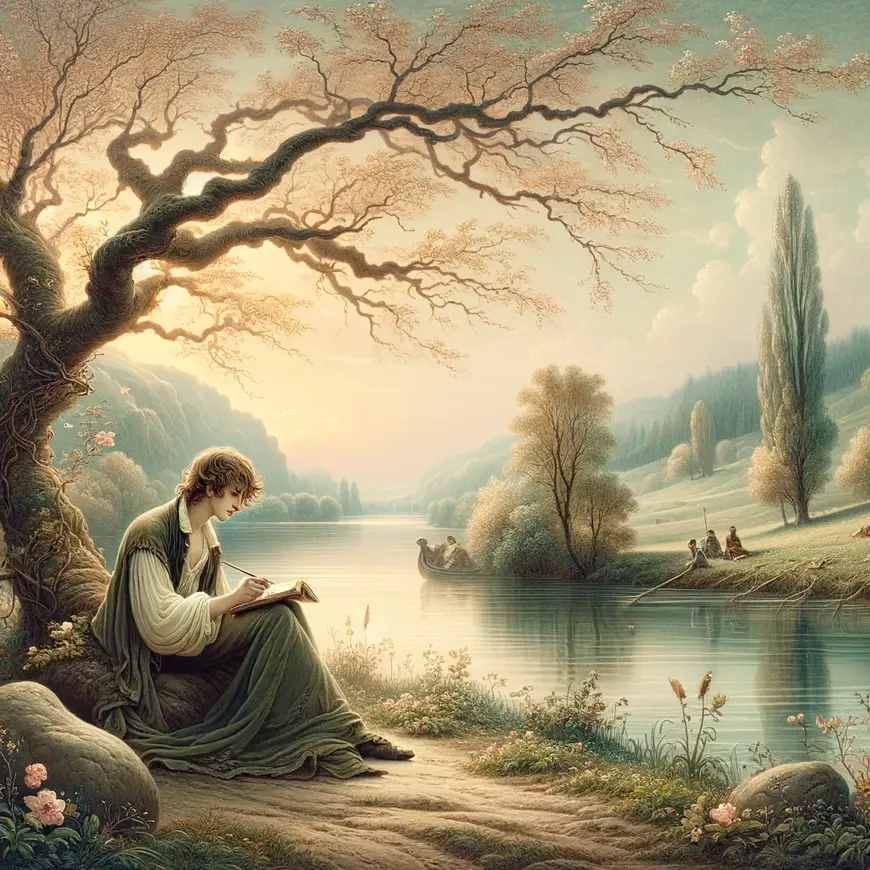
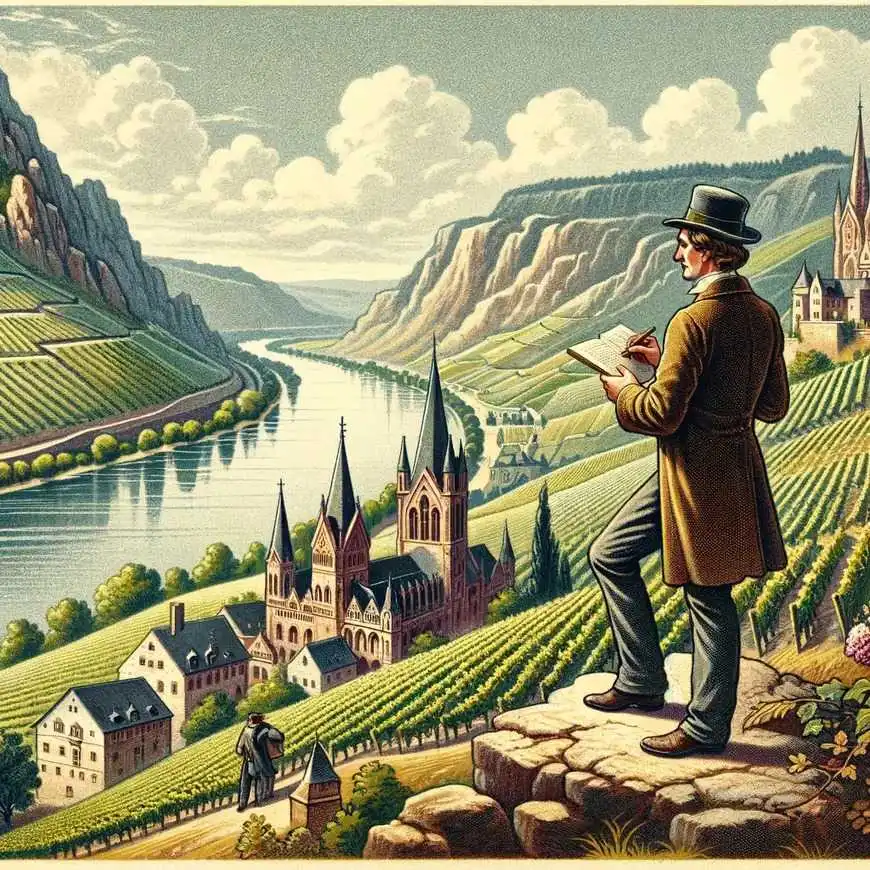
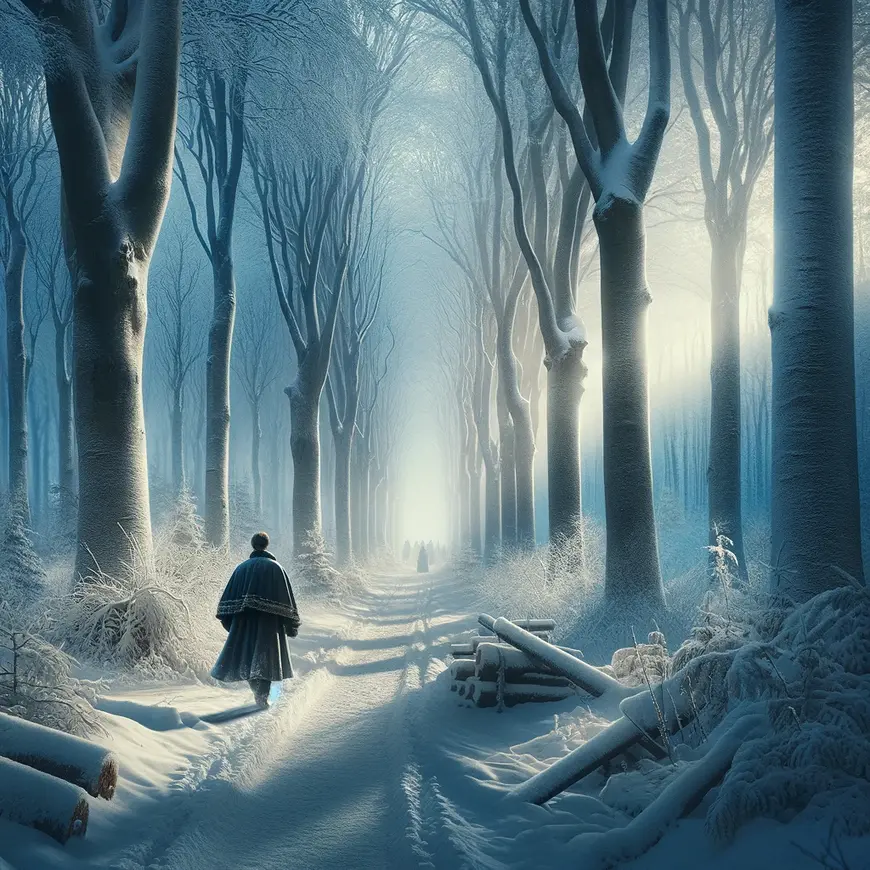
In Romanzero, Heinrich Heine writes from the physical and emotional distance of exile, a state that sharpens both memory and loss. His verses carry the weight of longing for homeland, yet they also embrace the clarity that distance can bring. Exile strips away illusions, leaving the poet with a sharpened vision of love, politics, and the fragility of human life.
The opening poems pulse with intense intimacy. The author turns personal experience into universal reflection, using lyrical imagery to bind personal grief to shared human themes. Every stanza feels deliberate, as if the poet is aware that time is short and each word must serve as both confession and legacy.
This first section of the book also reveals his mastery of blending light and shadow. Tender love lyrics sit beside sharp political observations, proving that even in physical decline, his voice remained fearless. By framing his exile not only as separation from a place but as a confrontation with mortality, he sets the tone for a collection that is as much about self-knowledge as it is about memory.
Three voices in one collection – Romanzero
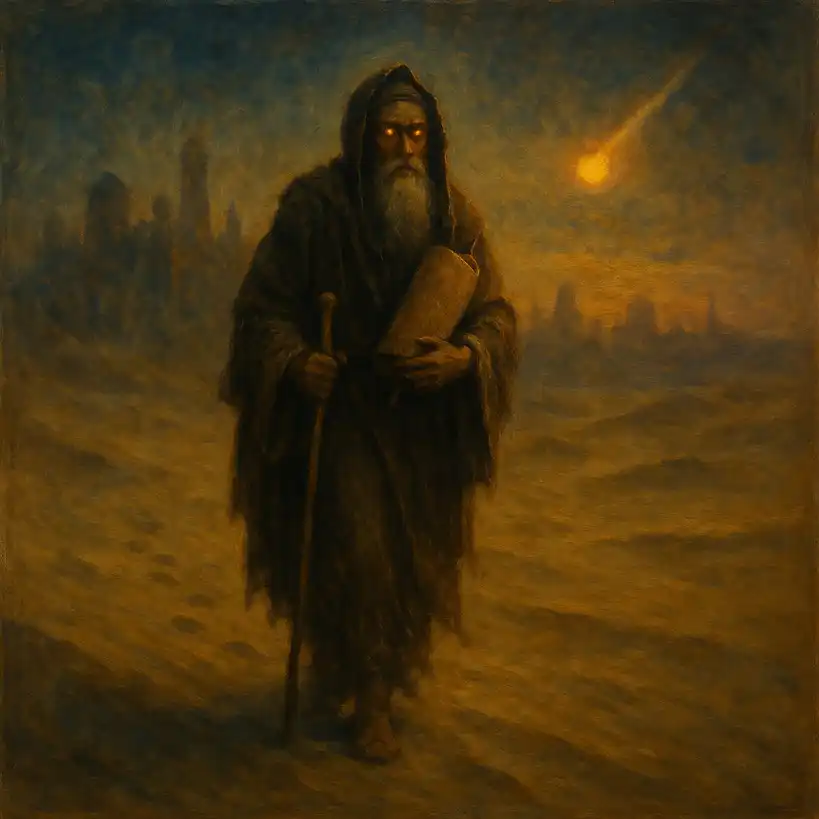
Romanzero unfolds in three distinct sections, each with its own focus yet bound by Heine’s unmistakable style. The first, “Historical Ballads,” draws on legends and distant histories to comment on timeless struggles. Here, romance and tragedy mingle in a way that recalls the theatrical layers of 👉 A Midsummer Night’s Dream by William Shakespeare, where reality and imagination intertwine.
The second section, “Lamentations,” turns inward. These poems reveal the frailty of the body and the resilience of the mind, composed while the poet was bedridden. Love appears here as both comfort and torment, a reminder of what exile takes and what it leaves behind.
Finally, “Hebrew Melodies” engages directly with his Jewish heritage, weaving spiritual and cultural identity into lyrical reflection. This tripartite structure allows the story to move between public and private, historical and personal, all while retaining a unity of tone that makes the collection a cohesive farewell.
In the “Historical Ballads” section of this work, he uses past events and legends to cast light on present human concerns. Battles, kings, and lovers from distant centuries appear not as museum relics but as mirrors for ambition, betrayal, and desire. The author’s gift lies in how he animates the past without losing sight of its lessons for the present.
The voice here blends narrative drive with lyrical phrasing. A medieval romance might unfold with the rhythm of a love song, only to pivot into commentary on political hypocrisy. This dual register keeps the poems vibrant and layered, appealing to readers who want both storytelling and reflection.
The historical subjects often carry veiled critiques of power. The novelist transforms them into allegories that speak to his own time, and to ours. This fusion of eras gives Romanzero a richness that rewards close reading. It proves that history, when handled by a poet of his caliber, becomes a living dialogue rather than a distant archive.
Love and place intertwined
In “Lamentations,” Heine draws deeply from the well of personal loss. Love here is inseparable from geography: the landscapes of memory remain as vivid as the people who inhabit them. The tenderness in these verses often contrasts with the reality of his exile, where separation from homeland intensifies every remembered embrace.
These poems pulse with emotional directness, a quality that makes them accessible even to readers unfamiliar with his politics or biography. The affection he describes feels rooted not only in individuals but in the culture and places that shaped him.
This connection between love and place resonates with the storytelling spirit of 👉 Gabriela, Clove and Cinnamon by Jorge Amado, where romance and community are interwoven. In both works, love becomes a way of keeping place alive in the imagination, even when physical return is impossible.
In Romanzero, these laments feel less like surrender and more like acts of preservation, holding onto beauty so it cannot be erased by absence. Through this, the writer affirms that poetry can make distance bearable, and sometimes even transform exile into belonging.
Heritage and identity
The “Hebrew Melodies” in Romanzero draw directly from Heine’s Jewish heritage, blending sacred themes with personal meditation. These poems carry a profound sense of lineage, showing how faith and tradition shape the poet’s voice even in exile. Religious imagery is not presented as rigid doctrine but as living metaphor, adaptable to the needs of memory and art.
He uses biblical echoes to frame universal concerns, love, mortality, and the endurance of the human spirit. By situating personal feeling within the architecture of heritage, he creates a layered resonance where individual and collective histories meet. This interplay makes the section deeply intimate while also speaking to broader cultural experiences.
The heritage the poet celebrates is inseparable from the exile he endures. This tension fuels the emotional charge of these poems, turning them into acts of remembrance that resist erasure. In this work, identity is not static; it is an evolving dialogue between where one comes from and where one must live.
Love enduring through time
The romantic elements in Romanzero do not shy away from the passage of time. Love is depicted not as a fleeting moment but as something that can survive distance and illness, changing shape but not essence. Many verses carry the bittersweet awareness that memory can preserve intimacy even when reality cannot.
This vision aligns with the enduring devotion at the heart of 👉 Love in the Time of Cholera by Gabriel García Márquez, where love spans decades of separation. In both works, the constancy of feeling becomes a quiet act of defiance against time’s erosion.
His handling of romance is delicate yet unsentimental. He acknowledges the inevitability of change while honoring the emotions that persist. In this way, the book invites readers to see love not as the opposite of loss but as a companion to it, bound together by the poet’s unflinching honesty.
By the end of this section, the reader understands that for Heine, love is not diminished by absence. If anything, distance sharpens its outlines, making it more vivid in the realm of memory than it ever was in the immediacy of presence.

Evocative Quotes from Romanzero by Heinrich Heine
- “Out of my great sorrows I make my little songs.” This line distills the poet’s belief that art can rise from hardship, turning pain into beauty that endures beyond personal suffering.
- “The flowers of memory will not fade.” Heinrich Heine links memory to nature, suggesting that love and the past can stay vivid despite the decay of time and distance.
- “Where I am, there is my homeland.” A statement that redefines belonging as something carried within, not tied solely to geography or politics.
- “Love is the only bridge between life and death.” A testament to the emotional bonds that connect people across the ultimate boundary of mortality.
- “I have loved much, and suffered more.” A candid acknowledgment that passion often comes at a cost, yet one worth bearing for its richness.
- “The heart, once awakened, never sleeps again.” Implies that emotional awakening leaves a permanent mark, shaping all that follows in life.
- “I sing because I cannot be silent.” A declaration of artistic necessity, affirming that creativity is an essential act of survival for the poet.
Trivia Facts from Romanzero
- Written during exile: Heinrich Heine composed Romanzero while confined to his “mattress grave” in Paris, a period marked by severe illness and political displacement 🌐 Musée Carnavalet.
- Three-part structure: The book is divided into “Historical Ballads,” “Lamentations,” and “Hebrew Melodies,” each carrying its own thematic focus and tonal shift.
- A reflection of identity: The “Hebrew Melodies” draw on Jewish tradition, linking personal spirituality with literary heritage, much like 👉 Song of Solomon by Toni Morrison in its cultural depth.
- Subtle political critique: Many historical poems veil criticism of contemporary politics, a technique that protected him from direct censorship while still engaging in activism.
- Paris as a creative refuge: Though exiled, the author found Paris to be a fertile cultural center, joining the vibrant literary circles of the time 🌐 Bibliothèque nationale de France.
- Romantic yet unsentimental: The love poems in the “Lamentations” section embrace tenderness without idealizing relationships, grounding them in reality and personal loss.
- Link to world literature: The blending of history, love, and identity in this writing resonates with the layered narrative style of 👉 The Painter of Modern Life by Charles Baudelaire.
- A final testament: Romanzero was one of his last major works, offering readers a distilled version of his worldview, part lyrical beauty, part sharp observation.
The dialogue of light and shadow
Late in Romanzero, his poems move fluidly between hope and melancholy, a balance that gives the collection its lasting depth. Moments of brightness, a remembered smile, a fleeting vision of spring, are set against the gravity of illness and exile. This duality keeps the work emotionally dynamic, never allowing one mood to dominate entirely.
The poet’s awareness of mortality sharpens his imagery. Light becomes more precious when shadow is near, and joy feels more intense when it arises in the midst of pain. This intricate emotional layering mirrors the tension found in 👉 Night and Day by Virginia Woolf, where characters wrestle with inner contradictions in the quiet folds of daily life.
Here light is often memory’s gift, while shadow is the reality of the present. By allowing them to coexist on the page, he offers a vision of life that is both honest and consoling. The poems suggest that even when circumstances narrow our world, the mind and heart can still roam widely.
A farewell without surrender
As Romanzero draws to its close, the sense of finality is undeniable, yet the tone resists despair. These last poems are shaped by acceptance rather than resignation. They acknowledge what cannot be changed, but they also celebrate what remains, the ability to speak, to remember, to love.
The collection becomes his way of leaving behind a voice that illness could not silence. Through carefully chosen words, he ensures that his thoughts will continue to resonate beyond the confines of his sickroom. This act of poetic preservation is both personal and universal, reminding readers that creativity is one of humanity’s most enduring forms of resistance.
Heine’s final verses are neither bitter nor nostalgic in a narrow sense. They carry a clarity born of experience, offering wisdom without sentimentality. In the end, it feels like a gift, an invitation to witness how a poet transforms limitation into a lasting testament of spirit.
More Reviews of Works by Heine