The Other Name: Septology I II by Jon Fosse Time Prayer Self
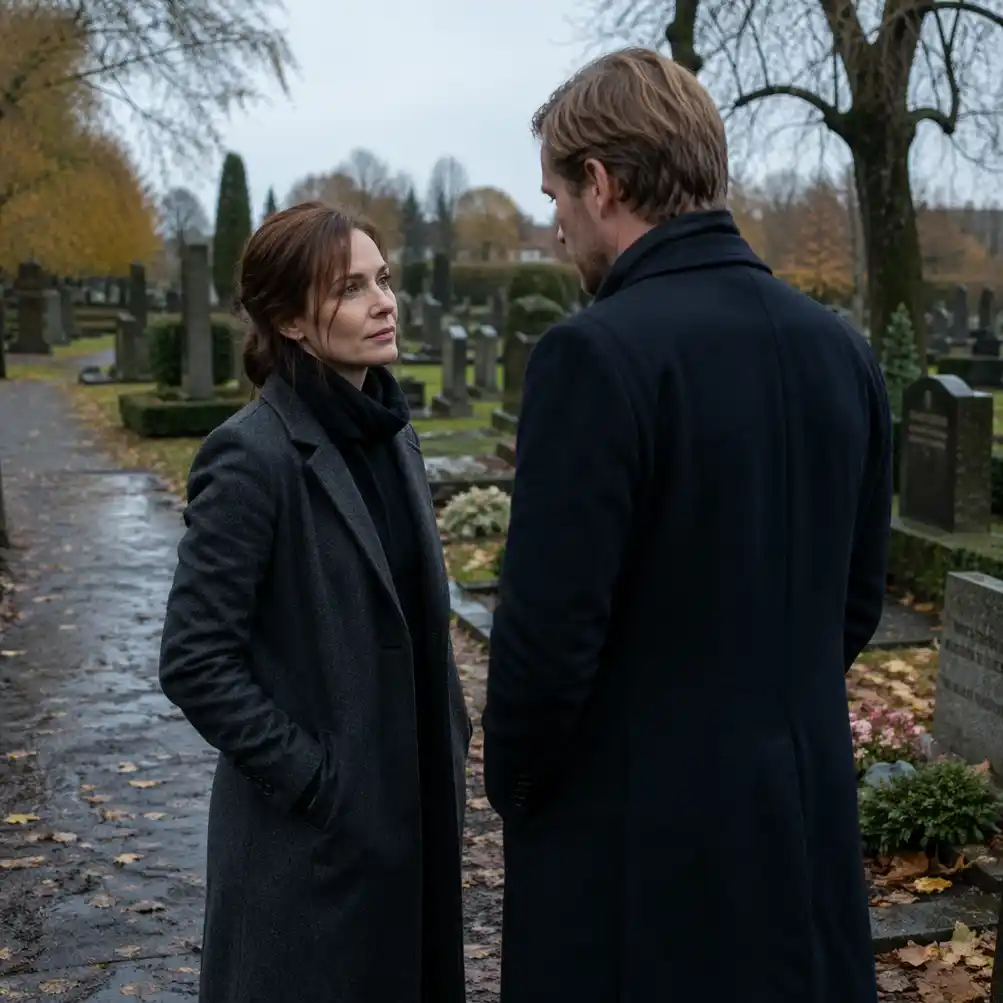
Jon Fosse writes the mind as it moves through light. Consequently, The Other Name: Septology I-II follows a painter named Asle across days that feel like prayer. Because sentences flow without interruption, thought becomes scene and heartbeat. The narration holds on the smallest turns; therefore attention as prayer becomes the book’s working method. Meanwhile, a double named Asle shadows the first, and the mirror sharpens every choice.
Repetition does the lifting. Words return, then shift a fraction; consequently, meaning deepens without lecture. The author lets rhythm replace plot mechanics, so repetition as music keeps time with breath. Although the setting stays plain—roads, rooms, sea—the pages feel charged. Light falls on paint and snow; as a result, time as texture replaces time as schedule. The painter looks, mixes, and waits. Because action serves seeing, the book turns looking into work.
Faith threads the canvas. Not doctrine, but a practiced turning of the mind toward mercy. Therefore this book reads like a vigil that refuses spectacle. Small errands hold weight, and neighbors matter. Moreover, solitude never erases witness; solitude with witness becomes the moral scale. The voice trusts silence, then answers it. In fact, each return to a phrase tests whether grace can attach to an ordinary hour. Finally, the book asks a simple, hard question: can art, love, and care hold a life steady when the world keeps shifting.
Time, prayer, and The Other Name: Septology I-II
Time does not tick; it swells and thins. Consequently, The Other Name: Septology I-II treats hours like water the voice swims through. Because the prose refuses hard stops, perception connects everything: paint, memory, prayer, and cold air. The effect recalls the sea’s pull; therefore consciousness in motion replaces conventional scenes. Meanwhile, Fosse keeps the grammar simple, so clarity carries depth without strain.
Comparison clarifies the design. I place his flow beside 👉 The Waves by Virginia Woolf, since both build shape from undulation and light. By contrast, the playwright narrows the lens to a single living current, and devotion steadies the drift. Moreover, the double Asle introduces a mirror of the self that turns time into judgment. Each echo weighs choice against mercy. As a result, memory stops being archive and becomes practice.
Material things keep it human. Paint tubes, coats, shoes, and road signs anchor pages that could float. Therefore objects as anchors protect meaning from abstraction. The prayerful cadence never detaches from the body that walks and waits. Although the voice circles, it does not stall; consequently, the spiral advances through slight tonal shifts. Finally, the work proves that quiet can carry plot when attention stays exact and when love, however fragile, keeps returning to the door.
The double and the painter: self as mirror
The double Asle sharpens risk rather than explaining it. Consequently, The Other Name: Septology I-II lets identity appear as a rhythm that returns altered. Because the voice keeps circling, small words gather force. I keep hearing old phrases in new light. Moreover, identity as duet turns choice into counterpoint. The painter measures his life against a near twin, and the measure hurts.
Objects prevent abstraction. Paint, snow, and a coat keep the body present; therefore The Other Name: Septology I-II never floats far from breath. Although the grammar stays simple, the undertow runs deep. For instance, a remembered look changes the day that follows. Meanwhile, memory as practice replaces memory as archive. The page becomes a workshop where attention learns its craft.
Spiritual stakes stay intimate. Not sermon, but turning. As a result, mercy in the ordinary holds the frame. The line pauses, then continues, and the pause feels like prayer. By contrast, spectacle would fracture fragile trust. Furthermore, the double’s failures warn the painter without canceling him. Finally, the writing proves that repetition can move a story forward because time itself repeats while a life learns.
Seeing and mercy in The Other Name: Septology I-II
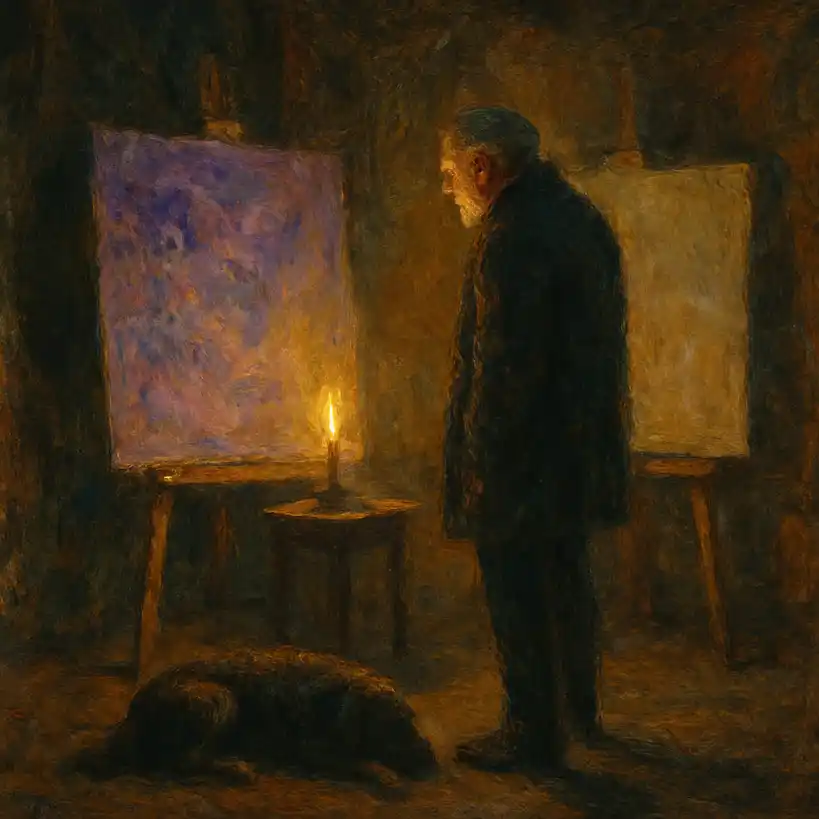
Vision demands care. Therefore The Other Name: Septology I-II treats looking as duty, not appetite. Because the painter returns to the same streets, the same sea, meaning accrues through patience. I think of witnesses who refuse to look away. Consequently, ethics of attention becomes method as well as theme. The eye serves the heart, and the heart serves the world.
Comparison clarifies the point. I set this stance beside 👉 The Hour of the Star by Clarice Lispector, where narrative gaze bears responsibility for a fragile life. By contrast, Jon Fosse quiets irony and chooses tenderness. Moreover, compassion without noise guides the sentence toward care. The prose stays spare so that mercy can breathe. In fact, silence says more than a speech.
Practice anchors faith. Small errands, brief prayers, and a canvas in progress keep hope tangible; therefore this book links spirit to task. Although the circle repeats, tone shifts a degree, and that degree matters. Furthermore, work as devotion turns habit into meaning. As a result, the book suggests a usable grace: keep looking with love, keep returning, and keep someone in mind when you mix the next color.
Material world: roads, sea, paint
The book keeps the body present. Consequently, The Other Name: Septology I-II returns to coats, shoes, and cold air. Because the painter walks the same road, time gathers like frost on the sleeve. I see lights in windows, and I hear the sea work the shore. Moreover, objects as anchors keep the thought from drifting. The brush waits in the jar. Therefore attention meets matter before it meets memory.
Light becomes a teacher. Although the grammar stays spare, the page glows. The painter looks until seeing changes him. As a result, attention as craft replaces performance. He mixes a color, then he waits. Meanwhile, neighbors appear with brief kindness that carries weight. The line trusts silence, and silence holds its shape. Consequently, rhythm of mercy softens the day without erasing its trace.
The canvas records a life. For instance, a tone returns, and a sorrow shifts. Because practice repeats, meaning thickens. I keep noticing how the story ties hope to small corrections. Furthermore, the double haunts without spectacle, so choice grows clear by contrast. The painter does not flee his place, he inhabits it. Finally, solitude with edges turns into care for the world that keeps walking beside him.
Art, confession, and hard clarity
Art here feels like prayer learned by doing. Therefore The Other Name: Septology I-II binds form to conscience. Because repetition pushes deeper, confession becomes incremental. A word returns, then a color adjusts. Consequently, work as devotion carries the page. The painter learns truth in small rooms, not on stages. Moreover, a double stands nearby like a warning the heart can hear.
Kindred mirrors sharpen the method. I set the painter’s discipline beside 👉 The Glass Bead Game by Hermann Hesse, where spiritual rigor orders a life through art. By contrast, the novelist keeps the ritual domestic, and mercy guides the cadence. Furthermore, a confessional edge shades the voice, so I recall 👉 The Fall by Albert Camus, which exposes self-judgment through relentless address. Here the address remains inward, and the mercy remains available.
Material detail prevents drift. He carries groceries, then he prays. He cleans a brush, then he remembers. Because action steadies thought, the spiral advances. In fact, The Other Name: Septology I-II proves that clarity survives through habits that honor others. Additionally, mercy without noise gives failure a way back. The painter keeps looking until love holds. Finally, attention that returns turns solitude into a room where grace can enter.
Quietly Radiant Quotes from The Other Name: Septology I-II by Jon Fosse
- “and I see myself standing” — A mirror opens the page; consequently, The Other Name: Septology I-II begins with attention to the body in light.
- “the colours blend beautifully” — Perception becomes craft; therefore the work ties sight to patient work.
- “it’s time to put it away” — Acceptance replaces struggle; moreover, Jon Fosse measures progress by humble decisions.
- “I like to keep my best pictures” — Possession tests desire; consequently, the book weighs art against letting go.
- “two lines that cross in the middle” — Form teaches fate; therefore the book treats composition as an ethic of balance.
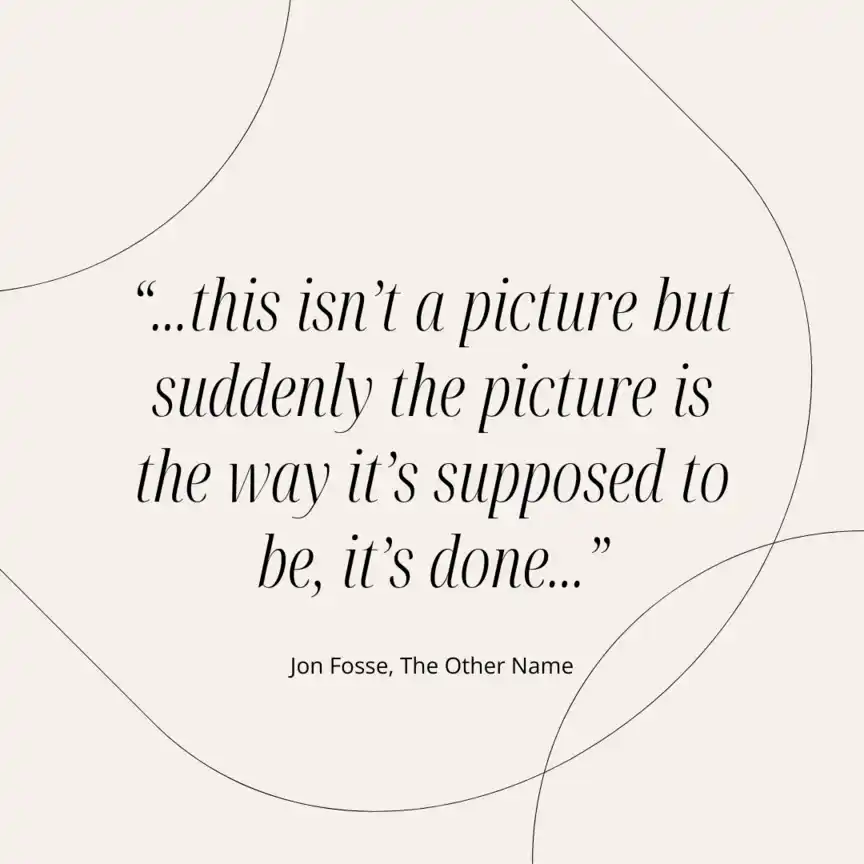
- “I’m thinking this isn’t a picture” — Doubt sharpens honesty; meanwhile, the book lets self-question become method.
- “maybe I do want to hold onto it” — Attachment returns; furthermore, his writing shows how repetition deepens choice.
- “I have to put this picture away” — Routine steadies feeling; as a result, the novel binds mercy to small tasks.
- “most of the paintings are approximately square” — Description stays concrete; consequently, attention makes meaning without spectacle.
- “a failed painting?” — Failure becomes teacher; therefore the voice learns mercy through work that resists perfection.
Trivia Facts from The Other Name
- One long sentence: The English translation moves without full stops; consequently, The Other Name: Septology I-II turns breath into structure and joins thought to time.
- Doubles as method: Two Asles echo each other; therefore the novel tests identity through mirrored lives while keeping compassion in view.
Publisher lineage: UK readers meet the book via Fitzcarraldo; meanwhile, US readers find it at Transit Books, so reception travels across houses. 🌐 Transit Books page. - Sea and snow: West-coast Norway grounds the imagery; moreover, coats, roads, and paint keep thought anchored in the world’s weather.
- Attention as ethics: The book treats looking as duty; by contrast, spectacle fades while patient seeing holds. See 👉 The Metamorphosis by Franz Kafka for crisis lodged in the ordinary.
- Spiritual current: Catholic practice shapes cadence; consequently, prayer appears as turning rather than doctrine. 🌐 Paris Review essay on Septology
- Work as devotion: Mixing colours becomes confession; therefore repetition advances meaning without plot machinery. Compare 👉 The Magic Mountain by Thomas Mann for disciplined interior time.
- Modern reception: Critics highlight a trance-like rhythm; furthermore, readers report clarity emerging from deliberate circling as patience trains attention.
Silence, mortality, and the open door
Silence in The Other Name: Septology I-II works like a room the voice builds. Consequently, pauses carry meaning as surely as paint does. Because the painter listens before he speaks, attention becomes ethics. I watch light land on snow, then on memory. Meanwhile, the double’s presence thickens ordinary hours with risk. Therefore small decisions feel large, and large claims shrink to scale. The page trusts patience, and patience returns clarity.
Mortality hums at the edge. Although the voice rarely names fear, it moves as if time were fragile. As a result, tenderness toward limits shapes each cycle of looking. The painter walks, prays, and mixes a tone; consequently, practice keeps dread from ruling. Moreover, neighbors appear with brief kindness, and kindness steadies the line. In fact, The Other Name: Septology I-II suggests that care is a craft that can outlast panic.
Grace enters without fanfare. Because repetition invites mercy, a word comes back cleaner. Furthermore, work as devotion lets confession stay concrete. A brush dries; a prayer continues. By contrast, spectacle would break the vow the book keeps with quiet. I finish the section convinced that the novel holds the door open to hope by honoring limits, serving tasks, and returning, again and again, to the person who needs you.
Lineage, resonance, and modern kin
Jon Fosse writes inside a wide modern tradition, yet he keeps his focus intimate. Consequently, The Other Name: Septology I-II resonates with works where attention carries plot. I place this current beside 👉 Auto-da-Fe by Elias Canetti, since obsession and solitude test the mind’s rooms. By contrast, the author refuses combustion and chooses patience. Moreover, I align his shifting light with 👉 The Palace by Claude Simon, where perception remakes time. Therefore lineage clarifies method without diluting originality.
The novel also answers how style becomes care. Because the sentence returns gently, rhythm heals fractures. A tone adjusts, and the heart follows. Meanwhile, concrete details keep depth from drifting. Groceries, roads, and paint pull spirit toward service. Furthermore, mercy in the ordinary argues that faith survives as habit. The insight proves usable, not abstract.
Reception, finally, belongs to readers who work. Although the book moves slowly, its music rewards attention. As a result, clarity through patience becomes both theme and practice. I close the story hearing a vow the pages keep: look with love, look again, and let looking change you. Therefore art does not escape the world; it steadies a life inside it, one careful breath at a time.
More Reviews of Works by Fosse