The Rich Tapestry of Writing Styles and Literary Techniques
World literature is a vast expanse of narratives, voices, and styles. Offering a window into the diverse cultures, philosophies, and epochs that shape human history. From the poetic epics of ancient civilizations to the stream-of-consciousness narrative of the 20th century. The evolution of writing styles and literary techniques reflects the ongoing dialogue between writers and their worlds. This article delves into some of the most famous writing styles and literary techniques. That have left indelible marks on the canvas of world literature.

Famous Writing Styles and Techniques
Epic Poetry: Epic poetry is one of the earliest literary forms, characterized by long, narrative poems. That recount the tales of heroic deeds, divine interventions, and the quest for immortality. The ancient Greeks and Mesopotamians were masters of this form, with Homer’s “Iliad” and “Odyssey” and the “Epic of Gilgamesh” standing as towering monuments in literary history. These epics not only told stories of heroes and gods. But also explored themes of honor, fate, and the human condition.
Realism: Realism emerged in the 19th century as a literary movement that sought to depict life as it was. Without the embellishment or idealization. Writers like Gustave Flaubert, Leo Tolstoy, and Charles Dickens focused on the details of everyday life, the struggles of ordinary people, and the societal forces shaping their destinies.
Romanticism: In contrast to realism, Romanticism, flourishing in the late 18th and early 19th centuries, emphasized emotion, individualism, and the sublime beauty of nature. Romantic writers like William Wordsworth, Mary Shelley, and Johann Wolfgang von Goethe celebrated the imagination, the inner world of the individual, and the awe-inspiring power of the natural landscape. Their work often explored themes of love, beauty, and the struggle against societal constraints.
Modernism: The late 19th and early 20th centuries saw the rise of Modernism, a movement characterized by a deliberate break from traditional forms and narratives. Modernist writers like James Joyce, Virginia Woolf, and T.S. Eliot experimented with stream of consciousness, unreliable narrators, and fragmented structures to explore the complexities of the human psyche and the disorienting effects of the modern world. Their innovative use of language and form opened new possibilities for literary expression.
Movements That Changed the Page
Magical Realism: Magical realism is a literary genre that blends realistic narrative with surreal elements of dream or fantasy. Originating in Latin America, it was popularized by writers like Gabriel García Márquez and Isabel Allende.
Postmodernism: Postmodern literature, emerging in the mid-20th century, is characterized by its skepticism towards grand narratives and its playful, often ironic approach to form and content. Writers like Thomas Pynchon, Margaret Atwood, John Updike and Salman Rushdie employ techniques like pastiche, metafiction, and non-linear narratives to question the nature of reality, identity, and the role of storytelling itself. Postmodernism reflects the fragmented, media-saturated culture of the contemporary world, challenging readers to see beyond surfaces and question their assumptions.
Gothic Literature: Emerging in the late 18th century, Gothic literature is characterized by its use of terror, mystery, and the supernatural to explore the complexities of the human psyche and societal issues. With its roots in the medieval period, this genre often features settings in ancient castles, gloomy landscapes, and haunted mansions. Creating a backdrop of suspense and horror. Notable works include Mary Shelley’s “Frankenstein” and Bram Stoker’s “Dracula,” which delve into themes of isolation, madness, and the monstrous.
Additional Writing Styles and Techniques in World Literature
Southern Gothic: William Faulkner is indeed a pivotal figure when discussing Gothic elements in American literature. Faulkner’s works are renowned for their complex narratives, profound psychological depth, and the use of Southern Gothic elements. A variant of the traditional Gothic style that incorporates the peculiarities of the American South.
- Absalom, Absalom!: This novel is perhaps Faulkner’s most ambitious work. Telling the story of Thomas Sutpen, a man who aims to establish his dynasty in the Mississippi antebellum South. The narrative structure itself, along with themes of obsession, family curses, and the haunting legacy of the past, all contribute to its Gothic atmosphere.
- A Rose for Emily: One of Faulkner’s most famous short stories, it epitomizes the Southern Gothic genre. The story revolves around the life and death of Emily Grierson, a reclusive Southern woman, and unveils a shocking discovery after her death.
- The Sound and the Fury: While not Gothic in the traditional sense of featuring haunted castles or supernatural occurrences, this novel embodies the Gothic spirit through its exploration of the decline of the Compson family, touching on madness, despair, and the weight of history. The fragmented narrative and the tragic characters contribute to a feeling of disorientation and doom, hallmarks of the Gothic sensibility.
Stream of Consciousness: This literary technique seeks to capture the flow of thoughts and feelings running through a character’s mind. Instead of following a linear narrative, the stream of consciousness style mimics the human mind’s chaotic and fragmented thought processes. Virginia Woolf’s “Mrs. Dalloway” and James Joyce’s “Ulysses” are seminal works that employ this technique. Offering readers a deep, introspective look into their characters’ inner lives.
Words That Paint Worlds
Surrealism: Originating in the early 20th century as an avant-garde movement. Surrealism in literature aims to release the creative potential of the unconscious mind by juxtaposing irrational imagery in a seemingly ordinary context. André Breton’s “Nadja” and Franz Kafka’s “The Metamorphosis” exemplify surrealistic writing. Blending reality with fantasy to challenge perceptions and explore the subconscious.
Bildungsroman: The Bildungsroman, or coming-of-age novel, focuses on the psychological and moral growth of the protagonist from youth to adulthood. Character development is central to the narrative, reflecting on personal experiences, struggles, and the journey towards self-discovery. The Catcher in the Rye by J.D. Salinger and “Jane Eyre” by Charlotte Brontë are classic examples, depicting the protagonists’ quests for identity and belonging in a complex world.
Existentialist Literature: Existentialist literature explores themes of existentialism, such as the absurdity of life, the struggle for authentic existence, and the freedom of choice. This style is often marked by characters who face existential crises, pondering their purpose and the meaning of life in an indifferent or chaotic universe. Albert Camus’ The Stranger and Jean-Paul Sartre’s “Nausea” are quintessential existentialist works, examining the human condition in an unfathomable world.
Neo-Classicism: Reviving the styles and themes of ancient Greek and Roman literature, Neo-Classicism emphasizes harmony, restraint, and adherence to formal structures. It flourished in the 17th and 18th centuries, advocating for clarity, order, and decorum in literature. Alexander Pope’s “The Rape of the Lock” and Voltaire’s “Candide” are prominent neo-classical works, characterized by their wit, moralizing tone, and emphasis on rationality.
Conclusion Writing Styles and Literary Techniques in World Literature
The diversity of writing styles and literary techniques in world literature is a testament. To the endless creativity and exploration of the human experience. From the haunting allure of Gothic literature to the introspective depth of the stream of consciousness. And the philosophical inquiries of existentialist literature, these styles enrich our understanding of literature’s power to reflect, challenge, and transform our perception of the world. As we continue to explore beyond the boundaries of the well-known. We uncover the myriad ways in which words can shape the tapestry of human thought and culture.
The evolution of writing styles and literary techniques in world literature is a testament to the creative spirit of humanity. Each style and technique reflects the context in which it emerged. Offering insights into the concerns, values, and aspirations of different cultures and epochs. From the grand narratives of epic poetry to the introspective explorations of modernism and the playful skepticism of postmodernism.
Literature continues to evolve, inviting readers to experience the world through the myriad lenses of its creators. The study of these styles and techniques not only enriches our understanding of literature. But also deepens our connection to the diverse tapestry of human experience.
Explore further reviews
A Review of Marguerite Duras’ Savannah Bay My Thoughts on Savannah Bay – My SummaryI had an moving experience reading…

Eagles and Angels by Juli Zeh – Of Intrigue and Morality What I’ve learned from Eagles and AngelsThe book penned…

Rabbit, Run by John Updike and the Weight of Escape Rabbit, Run by John Updike is a restless journey through…

Fear and Love in Someone Is Going to Come by Jon Fosse When I first read Someone Is Going to…
The Soul of Man under Socialism
A Review of Oscar Wilde’s The Soul of Man under Socialism- The Liberating Elegance of Individualism My Quick Summary on…
Arch of Triumph by Remarque – A Tale of Love and Struggle My Thoughts on Arch of TriumphReading the novel…

Auto-da-Fé by Elias Canetti: The Madness of Isolation Reading Auto-da-Fé by Elias Canetti was an intense and, at times, unsettling…
Cannery Row by John Steinbeck – the Brutality of the Margins When I first read Cannery Row, I didn’t know…
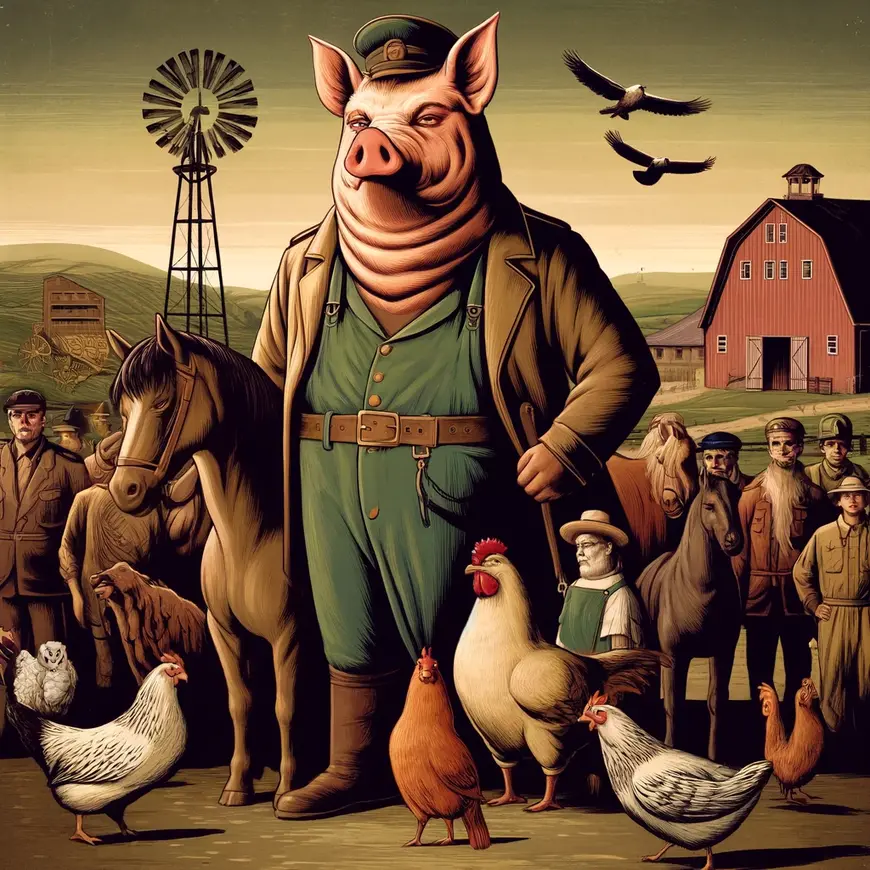
Animal Farm by George Orwell – A Tale of Power and Betrayal Quick Summary: What I Thought of Animal FarmWhen…

The Dialogue of the Dogs by Miguel de Cervantes When I started The Dialogue of the Dogs, I wasn’t sure…

Inside The Hessian Courier by Büchner: Words of Rebellion The Hessian Courier by Georg Büchner was never meant to sit…
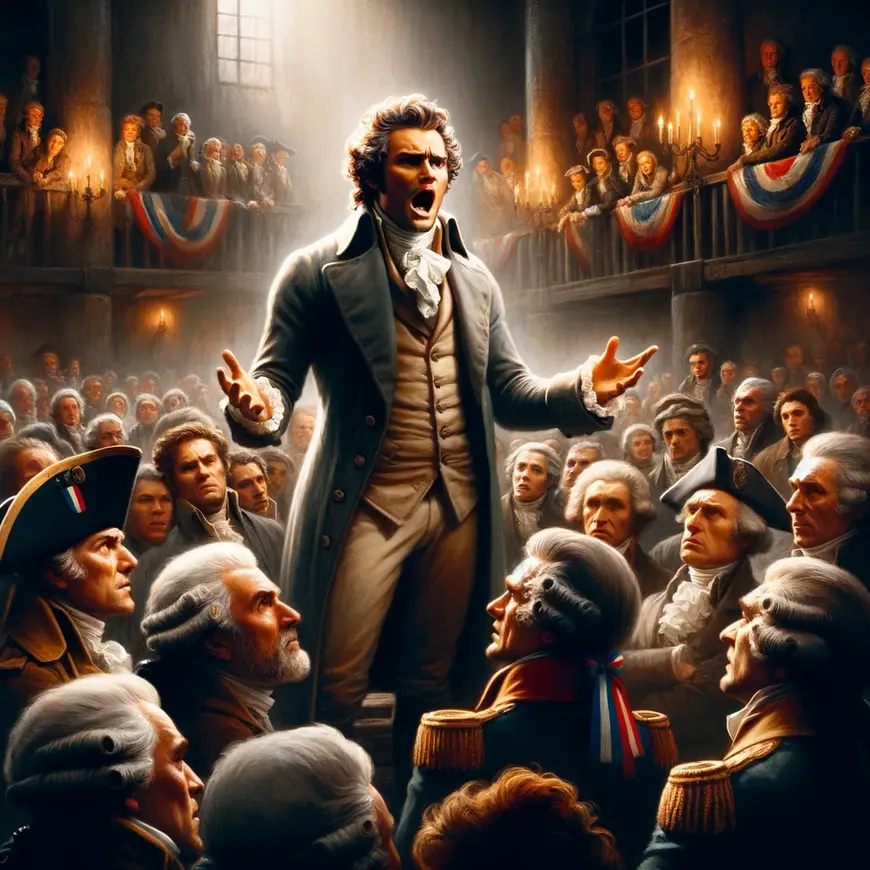
Danton’s Death by Georg Büchner – A Tale of Revolution and Tragedy My quick Summary on Danton’s Death by Georg…