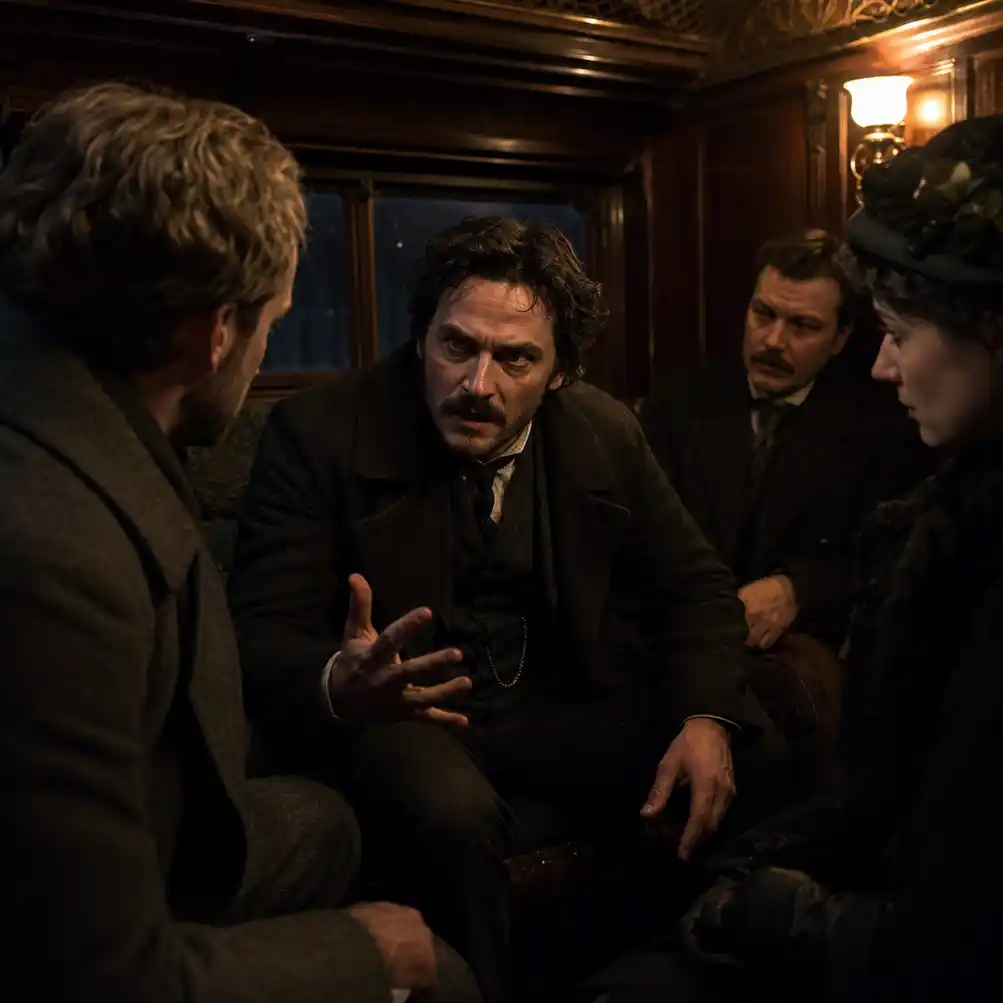
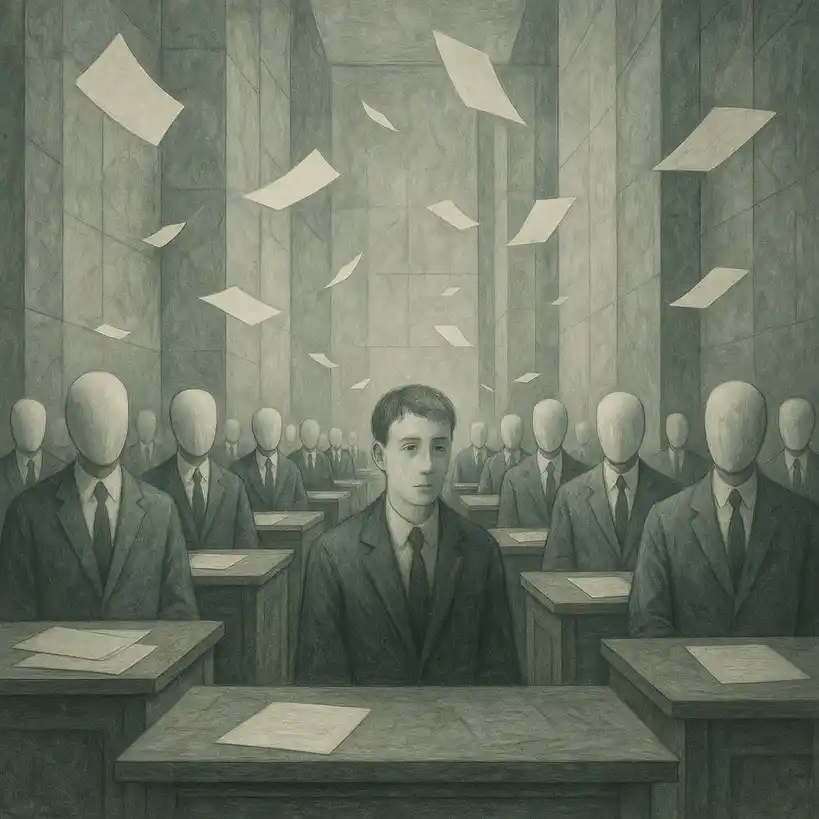
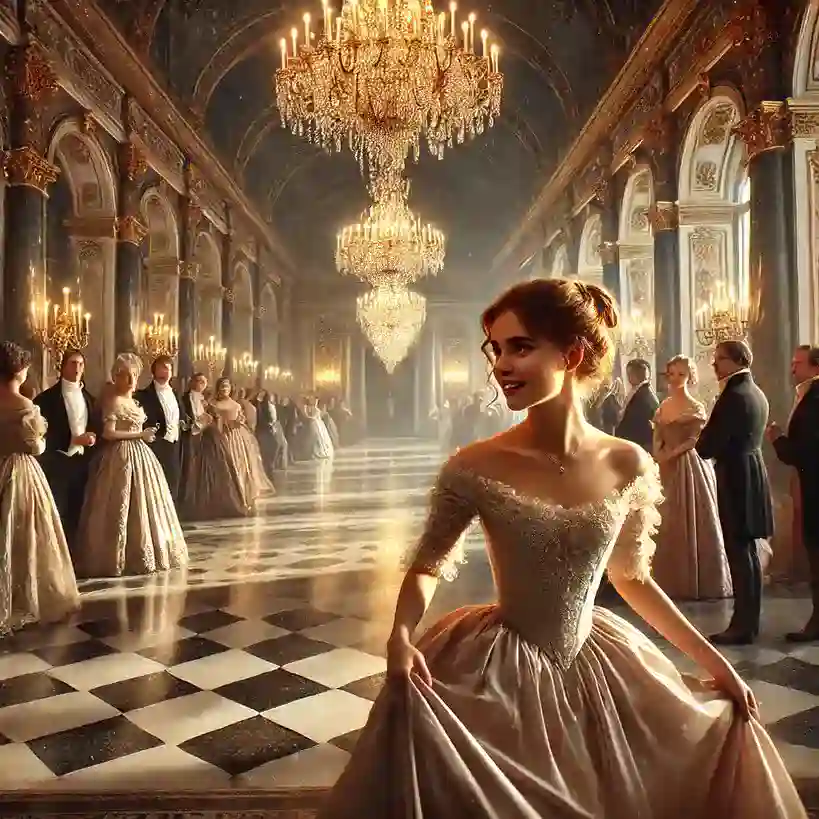
Anna Karenina by Leo Tolstoy – Desire and Duty
Tolstoy starts Anna Karenina with movement, not thesis. Consequently, lives collide in stations, salons, and kitchens. Because motives meet rules, desire versus duty sets the tone early. I watch choices gather speed, and I see society keep score. Meanwhile, the novel makes feeling visible through gesture and detail. Characters speak, then pay. For instance, a smile opens a door, yet a rumor shuts it. By contrast, Levin seeks order in work while Anna seeks truth in flame.
The narration stays close to thought, so action arrives charged. Moreover, free indirect style turns hesitation into motion. I track how sentences lean forward; consequently, scenes feel lived rather than staged. The work repeats concrete motifs—trains, letters, balls—until repetition sharpens meaning. While the city multiplies mirrors, the country restores measure. In fact, society as chorus adds verdicts to every room, and the chorus rarely forgets.
Because Leo Tolstoy trusts detail, emotion never floats. For instance, accounts, meals, and errands carry moral weight. Therefore the novel binds love to time, money, and reputation. The book asks readers to weigh what devotion costs and what duty saves. Finally, I keep the pulse like a ledger: choice, accountability, aftermath. As a result, tension rises without spectacle, and the tension clarifies what a life can bear.
Although the cast feels vast, focus stays human. Therefore small gestures cut deepest, and small lies travel far. Meanwhile, Levin’s work steadies the rhythm, and Anna’s gaze accelerates it. Consequently, the plot breathes like a lung: inhale at home, exhale in society. Because truth meets pressure in ordinary rooms, consequences feel earned rather than staged.
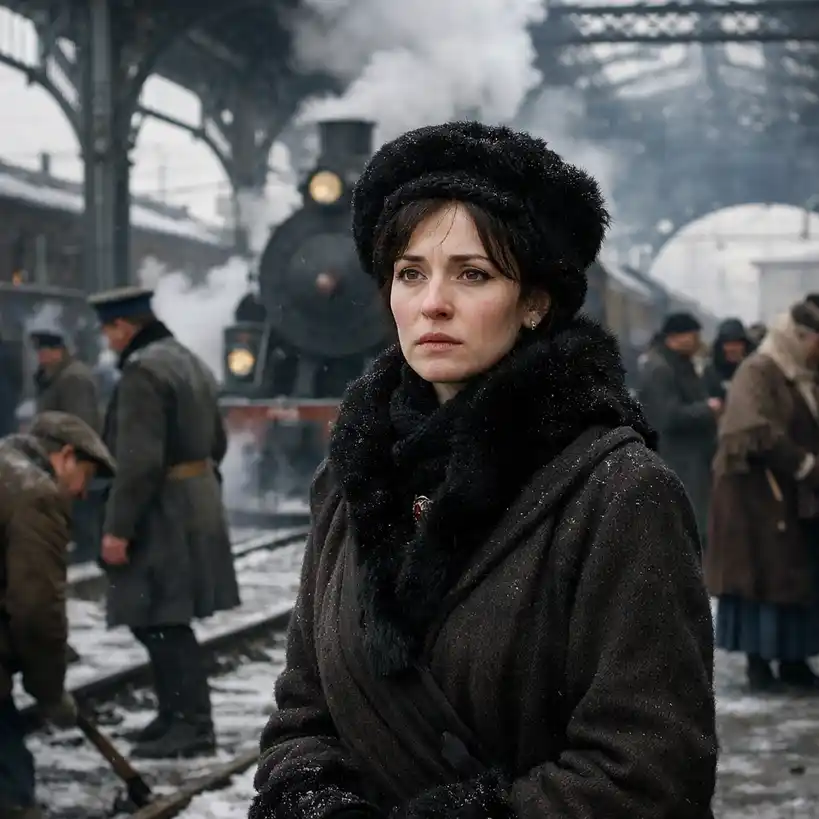
Desire, duty, and Anna Karenina
Anna Karenina runs on a moral engine: longing ignites choice, duty contests it, and consequence tallies the remainder. Because Tolstoy maps this circuit across couples and families, patterns echo without sameness. For instance, Anna moves toward rupture, while Levin moves toward repair. Meanwhile, small objects—tickets, dresses, letters—carry verdicts. Therefore private longing acquires public price. In fact, society counts faster than hearts can adapt.
I align this pressure with 👉 The Brothers Karamazov, where freedom, guilt, and responsibility collide in close rooms. However, the novel keeps arguments in errands and meals, not in tribunals. By contrast, confession drives Fyodor Dostoevsky; daily practice drives the author. Moreover, romance and duty debate through choreography: waltzes, visits, journeys. Because witnesses surround every moment, reputation shapes fate as strongly as feeling.
As a result, Anna Karenina leaves no neutral ground. Decisions alter incomes, friendships, and children’s futures. Therefore love becomes work, not only heat. I finish this section convinced that Tolstoy measures passion by labor and care. The writing returns to the bill until it hurts, and the bill arrives in full. Finally, the novel insists on ledgers that balance or break, and the reader learns how quickly a life can tilt.
Although sympathy runs deep, judgment remains firm. Therefore choices face witness and cost at once. Meanwhile, money, travel, and rank complicate every promise. Consequently, lovers negotiate calendars as much as feelings. Because neighbors remember, privacy shrinks. By contrast, labor restores proportion, and patience widens hope. Finally, routine becomes the test that ardor cannot pass alone.
Mirrors and counterweights: Anna and Levin
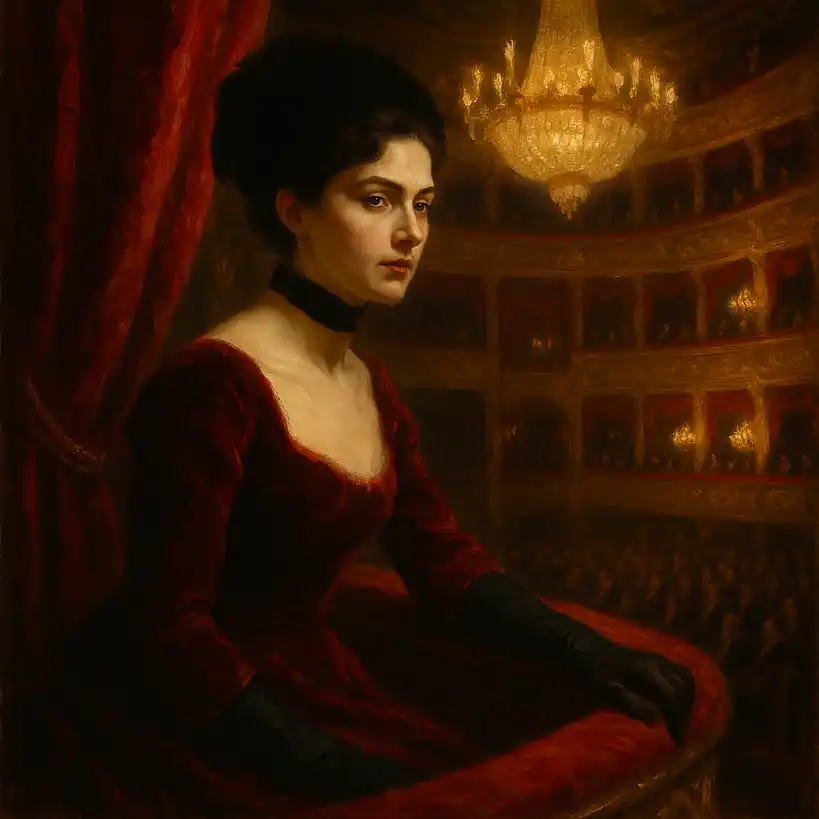
Although the cast sprawls, the writer centers tension through paired lives that rhyme and diverge. Anna Karenina turns Anna toward rupture while Levin moves toward repair. Consequently, desire confronts order at every threshold. Because scenes carry judgment, small gestures trigger social verdicts. For instance, a glance resets alliances, and a rumor rewrites calendars. Meanwhile, Levin works fields to measure truth against sweat. Therefore the novel weighs feeling by effort, not by slogans.
I track how Tolstoy’s free indirect style converts hesitation into action. Thoughts lean forward; therefore scenes advance on conscience, not just plot. By contrast, drawing rooms polish cruelty, while farm work restores proportion. Moreover, objects hold charge—tickets, notes, dresses—so evidence remains visible. In fact, the work keeps consequences local: neighbors watch, servants notice, children remember. As a result, privacy shrinks as stakes rise.
Levin and Anna never cancel each other; they counterweight the frame. Because Levin practices patience, routine can heal. However, Anna reads rooms like battlefields, and courage sharpens risk. Consequently, Anna Karenina refuses easy verdicts and demands careful accounting. I leave this pairing convinced that inner pressure drives outer fate. Therefore love must learn craft, or love will burn through its own promise.
Love’s ledger and public consequence
Tolstoy turns romance into cost accounting because choices create bills that families must pay. Anna Karenina counts reputation, income, and time alongside feeling. Therefore vows meet schedules, and longing meets logistics. For instance, letters move money and hearts at once; witnesses read both. Meanwhile, the city multiplies mirrors, so memory lingers where gossip begins. Consequently, this writing makes love answer to community.
I set this reckoning beside 👉 Love in the Time of Cholera by Gabriel García Márquez, which also audits devotion against illness, scandal, and social memory. By contrast, the author calls the debt immediately, while Márquez accrues interest across decades. Moreover, romance versus responsibility frames every household scene. Because details never lie, objects deliver verdicts before speeches do. In fact, the novel keeps the courtroom open in foyers, boxes, and carriages.
The takeaway stays blunt and humane. Although passion ignites futures, only witness and cost decide what endures. Therefore lovers must budget truth, not only heat. Additionally, repair requires labor that desire alone cannot supply. As a result, this links hope to steady work, shared duty, and visible care. I finish this section certain that public consequence measures private worth—and hearts remain accountable to the world.
Technique in motion: narration, motif, tempo
Tolstoy drives meaning through free indirect style, not commentary. Consequently, thoughts lean forward and trigger deeds. Because sentences track impulse and revision, scenes gain charge without speeches. For instance, hesitation turns into action inside a single paragraph. Meanwhile, Anna Karenina steadies this current with patterned motifs—trains, tickets, letters—that return as evidence. Therefore images hold memory, and memory shapes fate.
Although the plot ranges widely, structure keeps focus. The novel alternates city and country; by contrast, salons refine performance while fields demand proportion. Moreover, the writer times revelation against routine, so crises arrive inside errands. As a result, detail does judgment’s work and removes the need for verdicts from the narrator. I read Anna Karenina and feel consequence gather in ordinary rooms.
Pacing also carries argument. Because Tolstoy slows for labor and quickens for scandal, time teaches values. Furthermore, society as chorus supplies pressure that law cannot supply alone. Therefore applause or silence redirects lives in a heartbeat. In fact, the book turns etiquette into a public ledger. Finally, the craft serves clarity: form makes choices legible, and choices remake the world.
Work, endurance, and the hope of repair
Levin seeks meaning through honest labor, not display. Consequently, work tests belief and trains mercy. While he fails often, he adjusts practice; therefore habit grows into care. Anna Karenina measures that growth against Anna’s risk, so contrast sharpens both lives. For instance, the field scythe teaches limit, and the nursery teaches patience. Meanwhile, marriage as apprenticeship reframes romance as daily craft.
I place this ethic beside 👉 The Old Man and the Sea by Ernest Hemingway, which honors endurance through skill, loss, and quiet resolve. By contrast, Anna Karenina embeds endurance inside family calendars and social weather. Moreover, visible effort earns trust because witnesses track repair, not promises. As a result, accountability in love becomes the path back from error. That work insists on that path even when pain lingers.
Faith matures through action. Because Levin serves before he explains, conviction settles rather than flashes. Additionally, small mercies—apology, bread, shared work—hold families together. Therefore hope survives without illusion. In fact, the novel argues that desire finds dignity when service steadies it. Finally, endurance does not cancel tragedy; it teaches how to carry it, and it keeps the door open to quiet redemption.
Defining Quotes from Anna Karenina by Leo Tolstoy
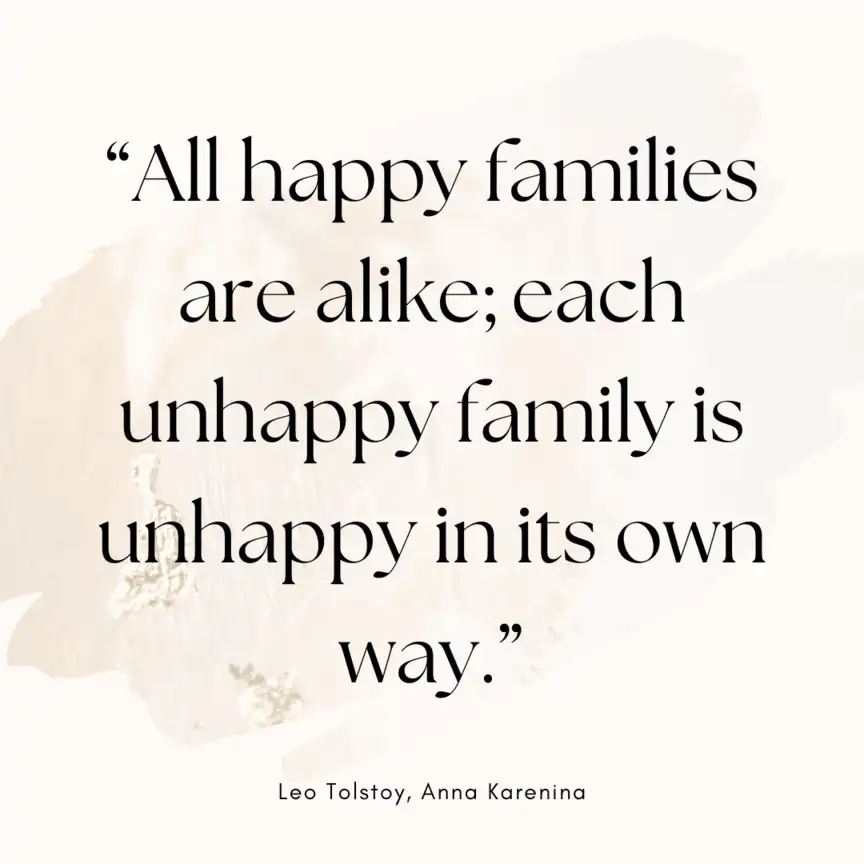
- “All happy families are alike; each unhappy family is unhappy in its own way.” This frames the book as an audit of family patterns; consequently, choices face witnesses, and outcomes face cost.
- “Respect was invented to cover the empty place where love should be.” The line exposes ritual; therefore Anna Karenina tests ceremonies against care and time.
- “If you look for perfection, you’ll never be content.” Levin learns this through labor; moreover, this ties wisdom to practice rather than talk.
- “The whole world is divided for me into two parts.” Desire redraws duty; consequently, the writer tracks how passion rewrites maps of life.
- “Spring is the time of plans and projects.” Renewal tempts courage; however, the novel shows that new seasons still carry old debts.
- “I am not to blame.” Denial resists judgment; meanwhile, Anna Karenina keeps receipts in objects, rumors, and schedules.
- “There are no conditions to which a person cannot grow accustomed.” Habit protects and harms; therefore the author weighs comfort against truth.
Trivia Facts from Anna Karenina
- First sentence as method: The opening line turns family into lens; consequently, Anna Karenina evaluates love through structure, not slogans. 🌐 Britannica overview
- Train motif and modern risk: Trains fuse speed with fate; therefore the work links technology to danger and decision.
- Rural versus salon: Levin’s fields counter city mirrors; by contrast, labor grants proportion while Anna Karenina measures ethics in daily work.
- Moral evidence in objects: Notes, tickets, and dresses carry verdicts; moreover, the book keeps judgment visible in things that last. See 👉 Memoirs of a Dutiful Daughter by Simone de Beauvoir for duty tested against public gaze.
- Witness and reputation: Whispers act like law; therefore reputations rise or fall as the writing tallies costs in foyers and boxes.
- Faith through practice: Levin’s belief matures through service; in fact, the novel treats goodness as craft. For context, read 🌐 Stanford Encyclopedia his aesthetics.
- Aftermath and memory: Consequences outlive scandal; consequently, Anna Karenina weighs legacy across households. Compare healing after conflict in 👉 Three Comrades by Erich Maria Remarque.
Embodied scenes: gesture, space, consequence
Scenes in Anna Karenina work through bodies, not speeches. Movements tilt meaning; glances carry verdicts. Consequently, gesture as verdict becomes the novel’s basic law. A ballroom can crown or exile in a minute. Because the novelist maps space with care, thresholds act like tests. For instance, doorways mark choices, and carriages seal them. Meanwhile, rooms as courts decide reputation before any priest speaks. By contrast, the country compresses attention around work and wind. As a result, the novel binds place to decision with ruthless clarity.
Language follows that physical logic. Sentences lean forward and tighten around intention. Moreover, detail as evidence keeps arguments anchored in tickets, notes, dresses, and ledgers. Because objects persist, memory stays testable. In fact, the book turns errands into trials. For instance, a late visit revises a future. Although traces seem trivial, they add weight until choice cannot pretend. Therefore Anna Karenina shows how style delivers judgment without preaching.
Character emerges from pressure, not labels. Levin steadies rhythm through labor, while Anna sharpens risk through courage. Consequently, moral cause and effect appears in ordinary light. I read the story and feel ethics arrive through time kept, debts paid, and care performed. Furthermore, humor and tenderness interrupt severity, so mercy remains possible. Finally, the craft stays humane because it counts what life can hold.
Legacy and resonance beyond the page
Anna Karenina keeps resonating because it refuses tidy alibis. Readers return to watch choices meet witnesses. Consequently, the novel teaches that love without responsibility burns fast. I pair Anna’s solitude with 👉 The Stranger by Albert Camus, since both confront meaning under public glare. By contrast, Tolstoy saturates rooms with rules, while Camus strips them to light. Moreover, public consequence remains the measure that feeling must face.
Influence spreads across forms. Filmmakers, critics, and novelists reuse its ledger of costs. Because the plot binds intimacy to money and time, later works inherit a method, not only a mood. For instance, family identity and inheritance echo through 👉 Song of Solomon by Toni Morrison, where names carry history. Therefore his reach includes kinship debates, economic truth, and the choreography of scandal. Furthermore, character in action stays the final lesson.
What endures matters most. I close Anna Karenina convinced that repair needs labor, and judgment needs mercy. In fact, the novel still guides readers through crowded days and fragile nights. As a result, desire with discipline becomes the only sustainable hope. Finally, that work leaves a standard for realist art: count what you love, then pay the bill with honesty.