Billiards at Half-Past Nine by Heinrich Böll
Quick Summary: My Thoughts on Billiards at Half-Past Nine
Reading this novel by Heinrich Böll was truly. Thought provoking. Right from the beginning I found myself drawn into the tale of the Fähmel family spanning across generations as their story unfolded from viewpoints. His narrative style, with its shifting perspectives provided me with an insight into each characters thoughts and emotions.
As I immersed myself further in the novel I could feel the weight of Germanys history looming over the characters. The themes of war, guilt and reconciliation were depicted with intensity that it prompted me to contemplate on the enduring impact of conflicts. The bond between Robert and his father Heinrich struck a chord with me revealing how their past experiences influenced their lives and family dynamics.
Upon reaching the conclusion of the book I was left pondering over the ethical dilemmas posed by the writer. The book compelled me to reflect on how history shapes destinies and grapple with notions of forgiveness and remembrance. His storytelling resonated deeply within me leaving a mark and turning this read into an unforgettable experience.
Billiards at Half-Past Nine: A Story of War and Memory
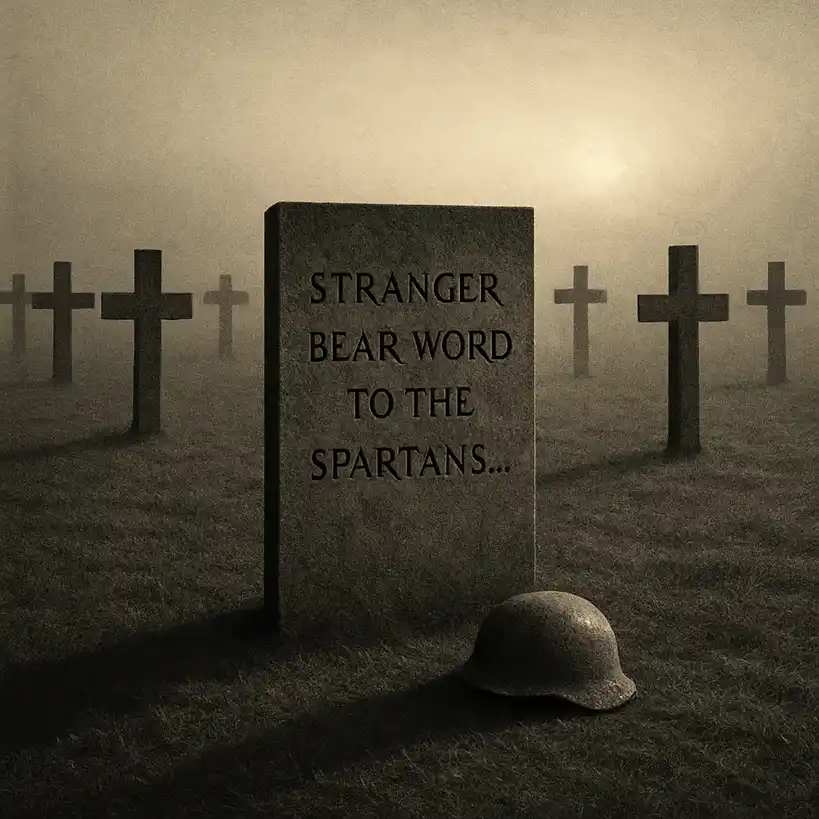
In the haunting narrative of “Billiards at Half-Past Nine” by German Author and Nobel Laureate Heinrich Böll, the reader is plunged into a gripping exploration of the interconnected lives of three generations within a German family. Set against the backdrop of post-war Germany, this novel delves into the scars of war, the weight of memory, and the interplay between personal and collective history.
Heinrich Böll is one of Germany’s most celebrated post-war writers, and he won the Nobel Prize for Literature in 1972. His works often focus on the moral dilemmas of individuals living in the shadow of war. His writing is sharp and deeply human. He doesn’t just describe events; he captures emotions, contradictions, and the everyday struggles of ordinary people trying to make sense of a world that has been shattered.
In Billiards at Half-Past Nine, his signature themes are evident—guilt, memory, resistance, and moral choice. He crafts his characters with depth, showing how war isn’t just about battles but about the long-lasting scars it leaves on those who survive. The novel is a reflection of post-war Germany, a country trying to rebuild while struggling with its past.
His language is simple but powerful. He doesn’t use elaborate prose, yet every sentence carries weight. His ability to capture human nature in its rawest form is what makes this book so compelling. He forces readers to question loyalty, responsibility, and the nature of guilt, making his work as relevant today as it was when first published.
A Day That Holds a Lifetime
The story takes place over a single day—September 6, 1958—but it spans generations. The Faehmel family is at the center of it all: Heinrich Faehmel, the architect who once built an abbey and later destroyed it in the war; his son Robert, a man carrying the weight of family history; and the elder Faehmel, still holding onto his own beliefs and regrets.
Through shifting perspectives, we see how history repeats itself, how power shifts, and how personal choices can echo across decades. The novel moves between past and present, with characters recalling key events that shaped their lives. This fragmented storytelling mirrors the brokenness of post-war Germany—a country piecing itself back together, just as the Faehmel family tries to do.
Böll’s approach isn’t linear, but it’s immersive. The novel unfolds like a puzzle, with each character’s memories filling in gaps. This structure allows readers to slowly uncover the truths hidden beneath silence and tradition. It’s a novel that demands patience, but it rewards those who take the journey.
The Weight of the Past
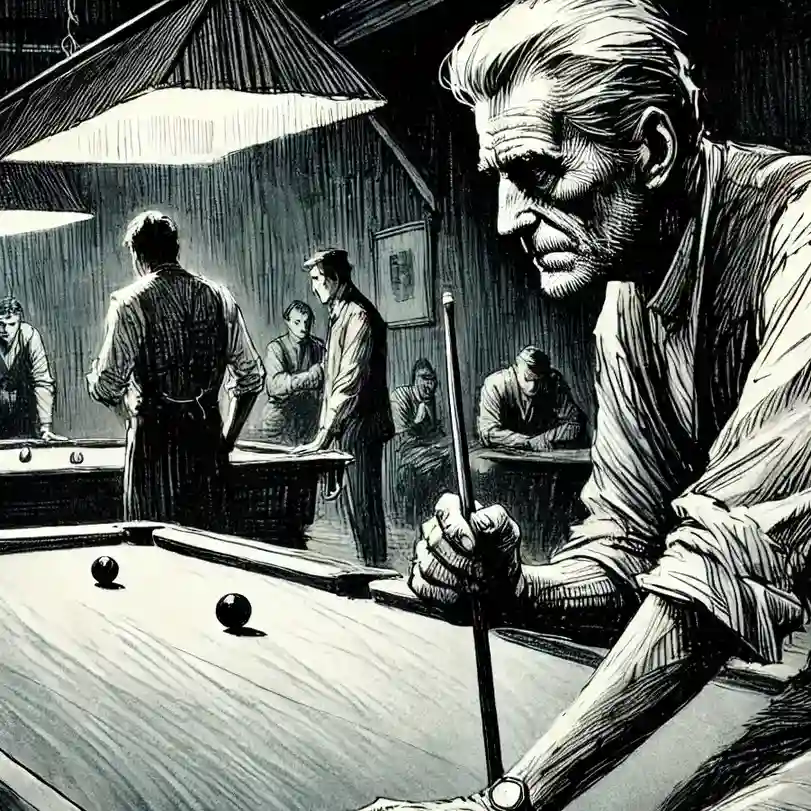
One of the novel’s strongest themes is the way the past lingers. Every character carries their own version of history—some with guilt, some with defiance, and some with quiet acceptance. The Faehmel family represents different reactions to Germany’s war-torn history: Heinrich, who sees war as a betrayal of human values; Robert, who struggles with inherited trauma; and the older generation, who either embraced or resisted the Nazi era.
The writer doesn’t offer simple answers. He forces readers to sit with moral ambiguity. The novel challenges the idea of heroism and questions whether silence is complicity. How do individuals cope with a past they cannot change? How does a nation move forward without forgetting?
Through conversations and memories, we see characters wrestling with these questions. The past is never truly gone—it lives in people’s choices, in their relationships, and in the way they see the world. The author masterfully shows that history is not just about events—it’s about the people who live through them.
Unraveling the Meaning of Billiards at Half-Past Nine
Reading Billiards at Half-Past Nine felt like walking through a maze of memories. Heinrich Böll does not tell a simple story. He weaves together different voices, shifting between past and present. At first, this felt overwhelming. But soon, I realized the novel mirrors real life—memories do not follow a straight path.
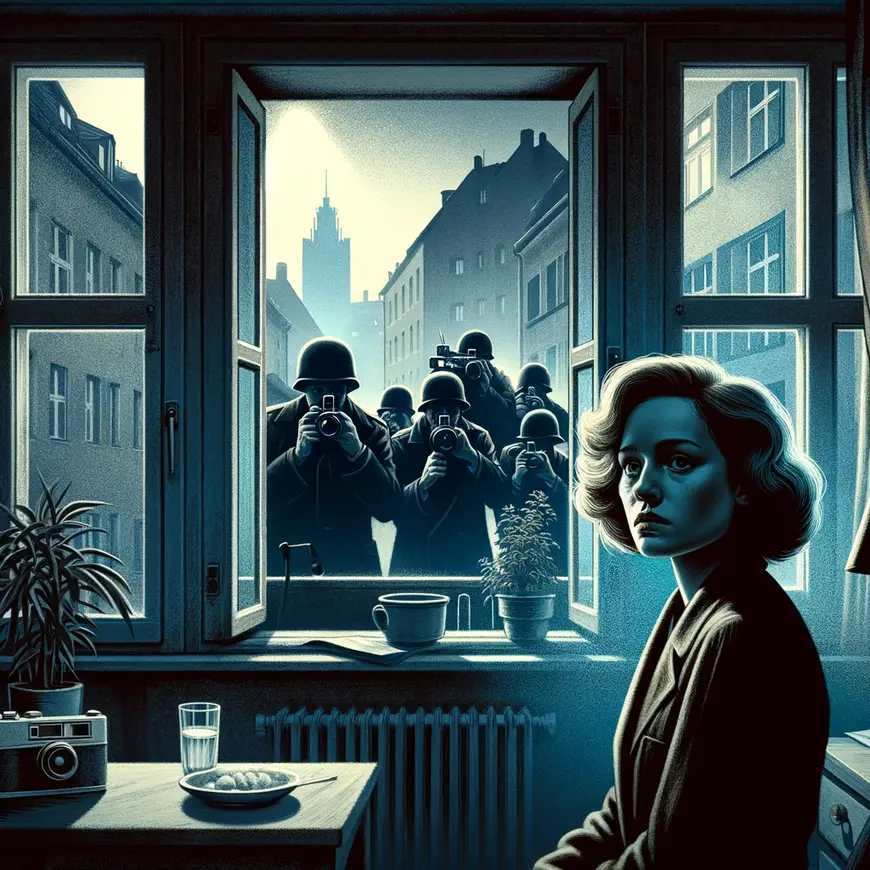
The book follows three generations of the Faehmel family. Each carries the weight of war, each sees the world differently. Through their eyes, I felt the deep scars that history leaves behind. Böll does not just describe war—he shows its impact on the human soul.
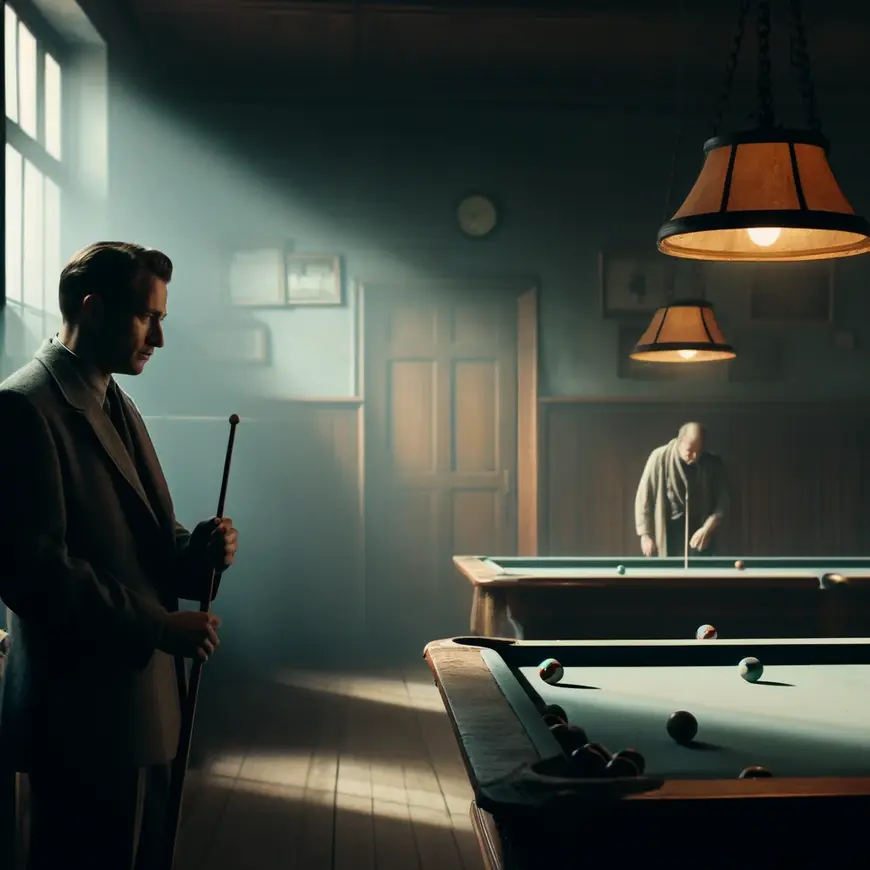
One of the most striking elements is the way silence speaks louder than words. Characters avoid the past, yet it lingers in everything they do. Guilt, trauma, and lost innocence fill every page. Even a simple game of billiards becomes a symbol—of control, of escape, of everything left unsaid.
He also challenges ideas of loyalty and resistance. He forces us to ask: Should we follow tradition, or should we break free? As I read, I felt torn between duty and rebellion, just like the characters.
This book is not an easy read. It demands patience. But if you love stories that explore history, family, and the power of memory, read this novel. Billiards at Half-Past Nine is not just about war—it is about the ghosts that war leaves behind.

Quotes from Billiards at Half-Past Nine by Heinrich Böll
- “The past is a wall of pictures, the present a wooden table.” This quote from the novel metaphorically juxtaposes the past and present. Analysis: The past, depicted as a “wall of pictures,” signifies the weight of history and memories. The “wooden table” of the present represents the practicalities of daily life. The quote underscores the characters’ struggle to reconcile the weight of their past with their immediate realities.
- “You can’t lay the past to rest by building memorials on it.” This quote reflects the futility of simply memorializing the past without addressing its underlying issues. Analysis: The quote highlights the theme of grappling with history.
- “A human being is a weak, defenseless creature. We can’t avoid the blows dealt by Fate, we can’t avoid the blows we deal ourselves.” This quote reflects on human vulnerability and the dual nature of suffering. Analysis: The quote delves into the human condition and the duality of suffering. It acknowledges that while external forces like Fate can deal blows, individuals are also responsible for their own suffering through their choices and actions.
- “Now the houses are rubble, the school has collapsed and the rats have gone. It’s going to be so beautiful here!” This quote conveys the irony of rebuilding amidst destruction. Analysis: The juxtaposition of destruction and beauty illustrates the paradoxical nature of rebuilding after the war.
- “The question of the past is a question about guilt, not about life and death.” This quote emphasizes the moral implications of reckoning with the past. Analysis: The quote encapsulates the central theme of guilt and its connection to the past.
Trivia Facts about Billards at Half-Past Nine
- Post-World War II Setting: The novels set is in post-World War II Germany and explores the psychological and societal impacts of the war. The story takes place on September 6, 1958, but it delves into the lives of the characters through flashbacks spanning several decades, illustrating the long-term effects of the war on individuals and families.
- Generational Conflict: Billards at Half-Past Nine is famous for its exploration of generational conflict. It portrays the tensions between three generations of the Fähmel family, particularly focusing on their differing perspectives on duty, morality, and the consequences of the war. The novel highlights how each generation copes with the past and envisions the future.
- Symbolism of Billiards: The title and motif of billiards symbolize precision, control, and escape. For Robert Fähmel, the protagonist, playing billiards at half-past nine each morning is a ritual. It helps him escape the memories and trauma of the war. This ritual provides order in a chaotic world.
- Critique of Nazism and War: Heinrich Böll critiques German society’s moral complacency during the Nazi era. Through the Fähmel family’s experiences, he examines the impact of Nazi ideology. The novel explores the moral compromises people made and the lingering guilt and shame. These themes haunt the post-war generation.
- Literary Style: He employs a non-linear narrative structure, using multiple perspectives and time shifts to build a complex, multi-layered story. This approach allows readers to see events from various angles, deepening the understanding of characters’ motivations and the novel’s themes. The intricate narrative reflects the fragmented nature of memory and the complexity of dealing with a traumatic past.
Completion: Billiards at Half-Past Nine
Billiards at Half-Past Nine stands as an intricate exploration of history, guilt, and the quest for identity. Heinrich Böll weaves personal narratives into the fabric of collective memory. This enthralls readers and inspires them to reflect on their place in time. The novel’s impact on literary critics and society is profound. It illuminates the complexities of the human experience and mirrors our struggles with history, redemption, and the search for meaning.
Billiards at Half-Past Nine is a poignant tapestry of familial history, personal choices, and war’s enduring scars. The author explores the Fähmel family’s journey through three generations. The novel engages readers with timeless themes of guilt, redemption, and history’s far-reaching effects. As characters confront their pasts and seek resolution, the novel challenges us. It urges us to examine our own intertwined lives and the legacy we leave behind.