Drama Unveiled: A Journey Through the Theatrical Tapestry of Literary Genius
Drama, as a literary genre, is the beating heart of storytelling, brought to life on the stage. It’s a genre that can make us laugh, cry, and think deeply about the human experience. In this essay, we embark on a journey through the world of drama, exploring its roots, key elements, and some famous playwrights and their enduring works. By the end of this journey, you’ll gain a profound understanding of how drama captures the essence of life’s complexities in a way that’s both accessible and profound.

The Essence of Drama
The literary genre is all about human emotions and conflicts. It brings stories to life through dialogue, action, and performance. When I think about drama, I imagine a stage, bright lights, and characters who pour their hearts out. It’s a genre that makes us feel, think, and connect.
At its core, drama explores the struggles and triumphs of life. It focuses on conflict—whether it’s between people, within a character, or against society. This tension drives the story forward. I love how drama can make us feel a character’s pain, joy, or fear as if it were our own. It’s an emotional experience like no other.
What makes drama unique is its focus on performance. While we can read dramatic works, they truly come alive on stage. The expressions of the actors, their voices, and the atmosphere of the theater create a powerful connection between the audience and the story. Even simple actions or a pause in dialogue can carry deep meaning.
Drama also dives into universal themes. Love, betrayal, revenge, and redemption are common topics. These themes make drama timeless because they reflect what it means to be human. When I watch or read a great drama, I feel like I’m looking into a mirror—it reveals truths about life, relationships, and morality.
From Shakespeare’s Hamlet to Arthur Miller’s Death of a Salesman, dramatic works have shaped literature and culture. They teach us lessons, spark discussions, and make us feel deeply. Drama shows us the beauty and complexity of human life. It’s a genre that challenges us to understand ourselves and others better. Drama isn’t just about words—it’s about the emotions behind them. That’s what makes it so powerful and unforgettable.
Key Elements of Drama unveiled
To understand drama, we need to grasp its essential elements:
- Characters: In drama, characters are the heart and soul of the story. They drive the plot and engage the audience’s emotions. These characters often have distinct personalities, motives, and arcs, making them relatable and engaging.
- Plot: The plot is the narrative structure of the drama, consisting of a series of events, conflicts, and resolutions. It keeps the audience engaged, wondering what will happen next.
- Dialogue: Dialogue is the lifeblood of drama. It’s the spoken words and exchanges between characters that reveal their thoughts, emotions, and relationships. Skillful dialogue brings characters to life and advances the plot.
- Conflict: Drama thrives on conflict, which can be internal or external. It creates tension, drives the plot forward, and tests the characters. The resolution of this conflict often forms the core of the story.
- Setting: The setting provides the backdrop for the drama. It can be a physical location, a specific time period, or even a societal context that influences the characters and their actions.
Drama as a Mirror to Life
Drama reflects life in its rawest form. It takes our emotions, conflicts, and experiences and places them on a stage or page. When I watch or read a drama, I see myself, my relationships, and my struggles reflected back. It’s like looking into a mirror that reveals not just what we are, but who we could be.
The beauty of drama lies in its honesty. It doesn’t shy away from life’s messiness. Love, betrayal, loss, and redemption—these are the things that shape us, and drama captures them all. Through its characters and conflicts, it asks questions about human nature and morality.
I find drama powerful because it helps us understand ourselves and others. It connects us to universal truths while showing us different perspectives. Drama doesn’t just imitate life; it amplifies it, teaching us to see the extraordinary in the everyday.

Exploring the Work of Famous Playwrights
- William Shakespeare: Often hailed as the greatest playwright in the English language, Shakespeare’s works are a cornerstone of dramatic literature. His timeless tragedies, such as “Hamlet,” “Macbeth,” and “Othello,” explore themes of ambition, power, love, and the human psyche.
- Arthur Miller: Arthur Miller’s works, particularly “Death of a Salesman” and “The Crucible,” are powerful explorations of social issues and personal morality.
- Samuel Beckett: Samuel Beckett’s plays, notably “Waiting for Godot,” represent the avant-garde or absurdist tradition.
- Georg Büchner: Georg Büchner’s “Woyzeck” is a groundbreaking work of German Romantic drama. The play explores the tragic life of Franz Woyzeck. A soldier and lowly barber who descends into madness and commits a brutal murder.
- Bertolt Brecht: Bertolt Brecht’s collaboration with composer Kurt Weill resulted in The Threepenny Opera. Brecht’s “epic theater” techniques aim to engage the audience intellectually and emotionally while encouraging critical reflection.
“Mother Courage and Her Children” : In this powerful anti-war play, Brecht tells the story of Mother Courage, a canteen-wagon-driving woman who tries to make a living during the Thirty Years’ War. The play highlights the brutal effects of war on individuals and the relentless pursuit of profit. - Friedrich Schiller: Friedrich Schiller’s The Robbers is a pivotal work in German Sturm und Drang literature. This dramatic play tells the story of the idealistic Karl Moor and his descent into a life of crime and rebellion against his family. In Mary Stuart, Schiller delves into the historical and political intrigue surrounding Mary, Queen of Scots, and Queen Elizabeth I of England.
- Jean-Paul Sartre: “No Exit” (Huis Clos): Jean-Paul Sartre’s existentialist work “No Exit” is a powerful exploration of the human condition. In this play, three characters find themselves in a mysterious afterlife. “The Flies” is another existentialist play by Sartre, inspired by the ancient Greek tragedy “Electra.”
The Power of Drama: Provoking Thought and Emotion
- Emotional Connection: Drama has the power to connect with our emotions in a unique way. Through the struggles and triumphs of characters, we experience joy, sorrow, anger, and empathy. It’s an emotional journey that brings us closer to our own feelings.
- Exploration of Complex Themes: Playwrights use the genre to explore profound themes, from the nature of power and corruption to the complexities of love and family. These explorations can prompt us to think deeply about our own lives and the world around us.
- Social Commentary: Many playwrights use drama as a vehicle for social critique. They shed light on social injustices, inequality, and the consequences of societal norms. Drama often becomes a powerful tool for raising awareness and sparking change.
- Timeless Universality: Great dramas stand the test of time because they touch on universal human experiences. The struggles and dilemmas faced by characters in Shakespeare’s plays or Chekhov’s dramas are as relevant today as they were when they were written.
- Intellectual Stimulation: Drama stimulates our intellectual faculties. It challenges us to think critically about the characters’ decisions and the consequences of their actions. It encourages us to explore different perspectives and question our own beliefs.
Conclusion: The Theatrical Tapestry of Literary Genius
The genre is a captivating and profound literary genre that transcends time and place. It captures the essence of human experience, provokes thought, and evokes deep emotions. Through the works of famous playwrights like Shakespeare, Chekhov, Miller, Williams, and Beckett, we gain insights into the rich tapestry of human existence.
In essence, drama is a mirror that reflects our own joys, sorrows, triumphs, and struggles. It holds up a lens to society and personal morality, providing an opportunity for both introspection and social critique. The power of drama lies in its ability to engage our emotions, stimulate our intellect, and encourage us to explore the complexities of life and human nature. So, the next time you attend a play, read a script, or watch a film, remember the profound impact of drama and the enduring legacy of the playwrights who continue to enrich our understanding of the human condition.
List of Reviews for Drama
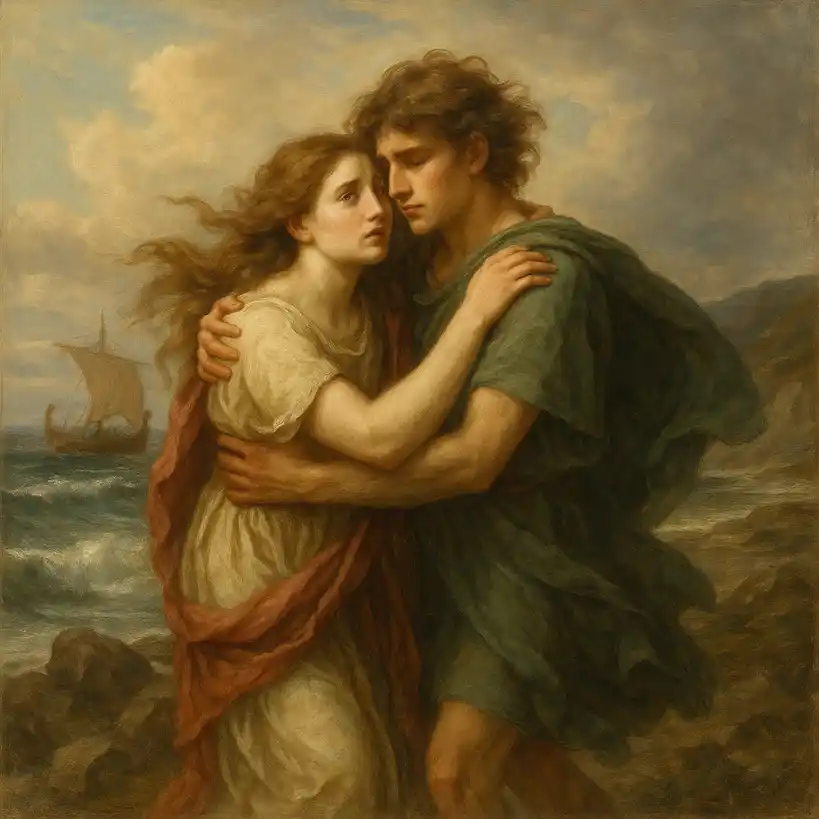
Iphigenia in Tauris by Johann Wolfgang von Goethe Tauris feels remote, yet the room listens….
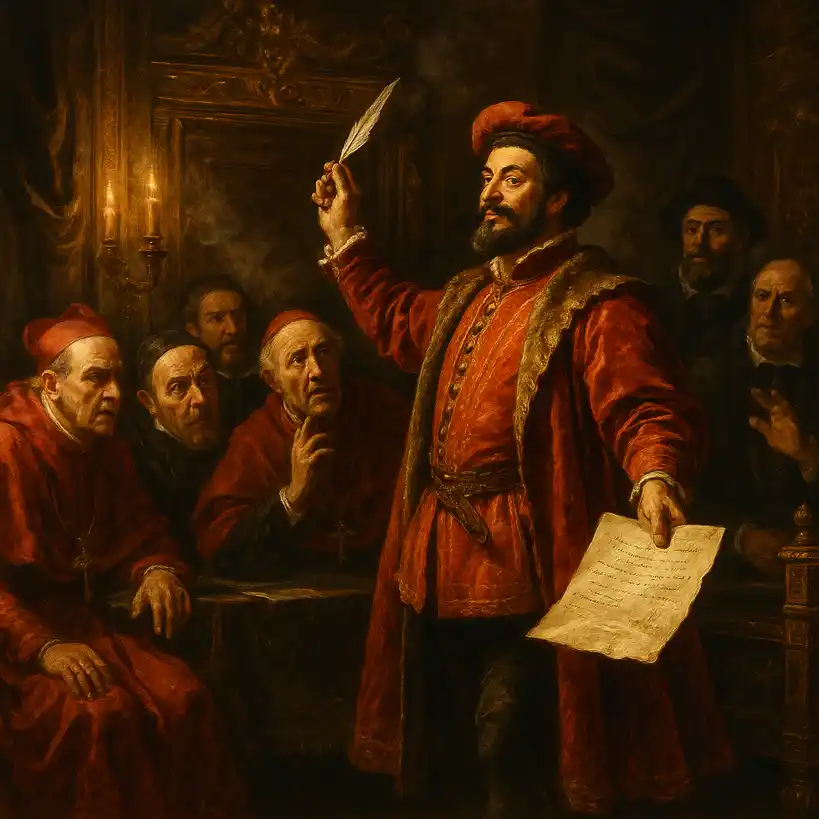
Pietro Aretino by Georg Büchner — Satire and Scandal Venice glitters, yet back rooms scheme….

A Midsummer Night’s Dream – Shakespeare’s Wildest Comedy Reading A Midsummer Night’s Dream is like…
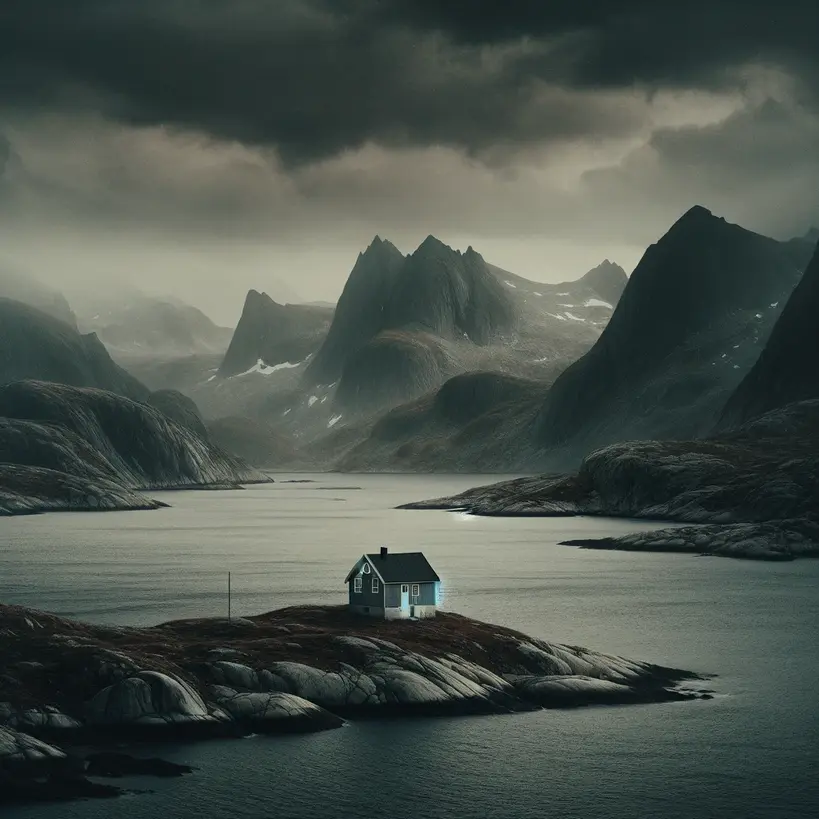
Fear and Love in Someone Is Going to Come by Jon Fosse When I first…
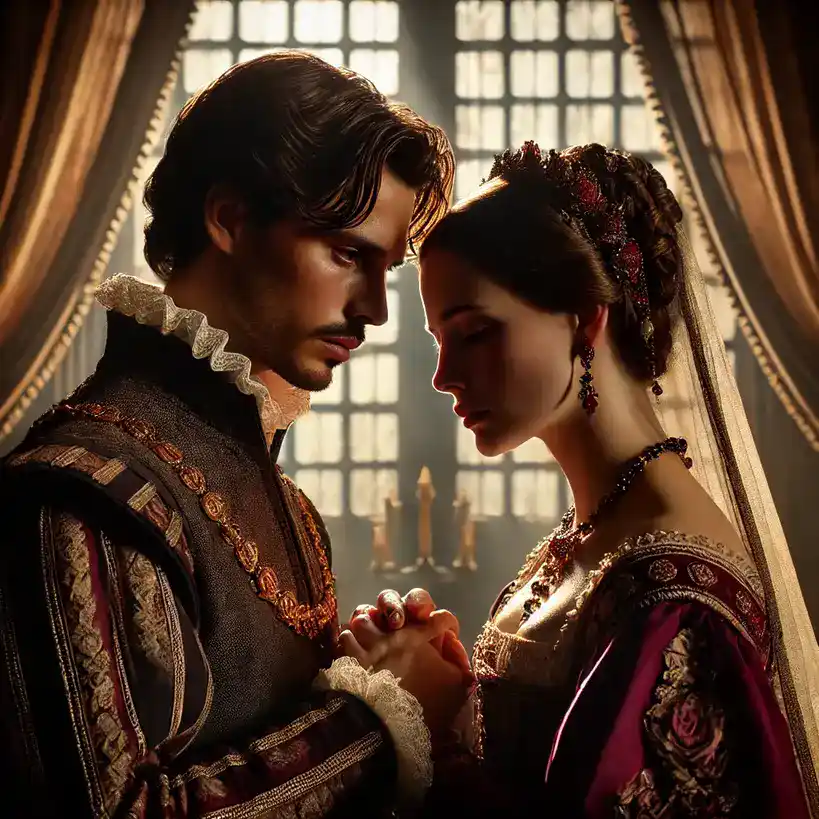
Don Carlos by Friedrich Schiller – A Tragedy of Power and Passion Reading Don Carlos…
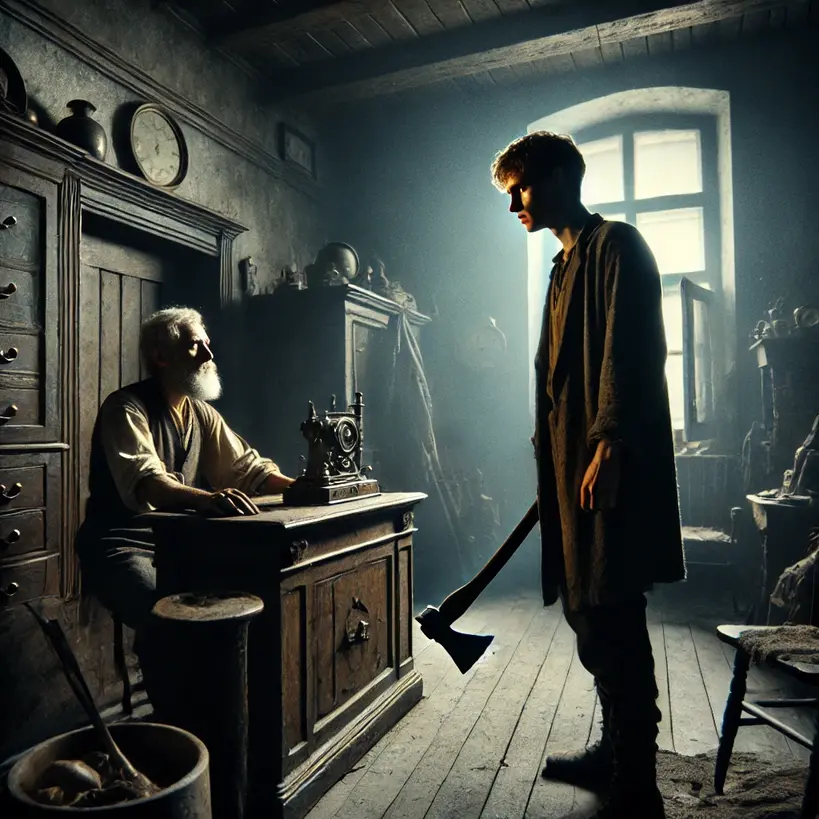
Crime and Punishment by Fyodor Dostoevsky – a Fractured Mind You don’t ease into Crime…
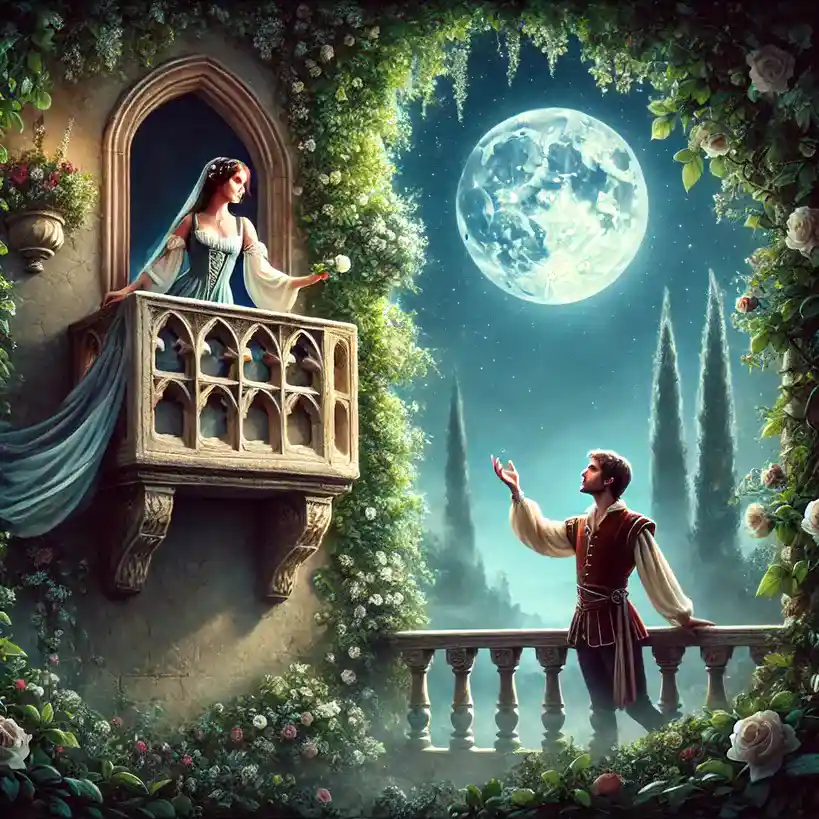
Romeo and Juliet by William Shakespeare: Love and Fate Romeo and Juliet is one of…

Salome by Oscar Wilde: A Seductive Dance of Desire and Doom Oscar Wilde’s Salome captivated…

William Tell by Friedrich Schiller – The Arrow of Freedom Reading William Tell by Friedrich…
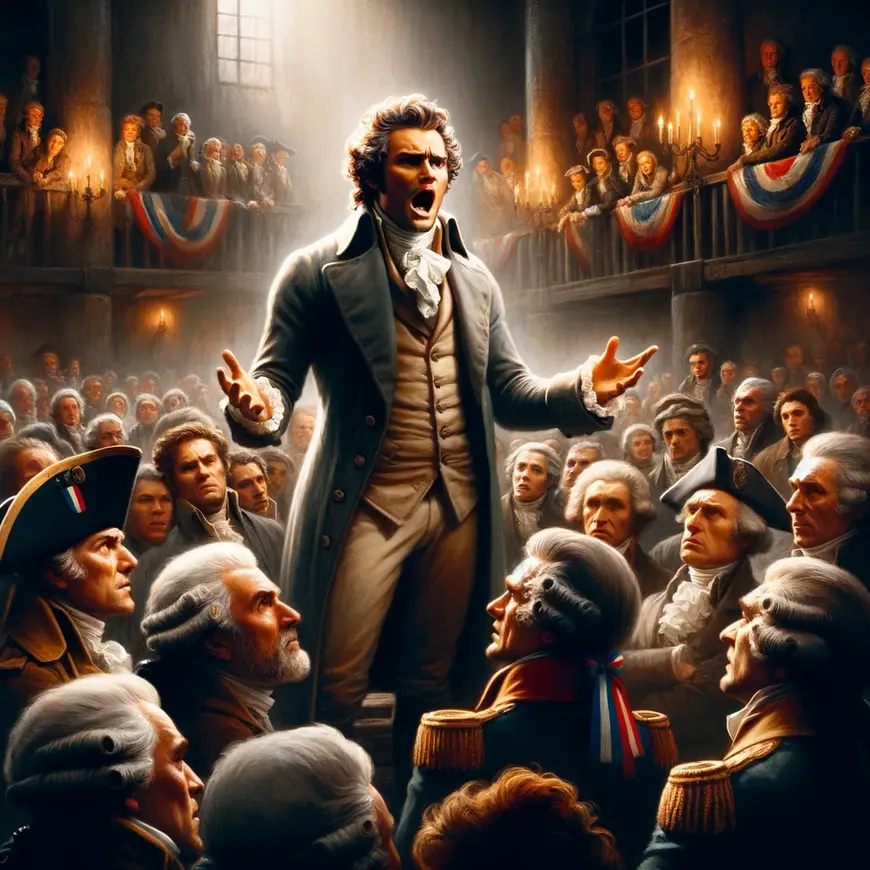
Danton’s Death by Georg Büchner – A Tale of Revolution and Tragedy My quick Summary…

I am the Wind by Jon Fosse – A Haunting Meditation My Thoughts while reading…
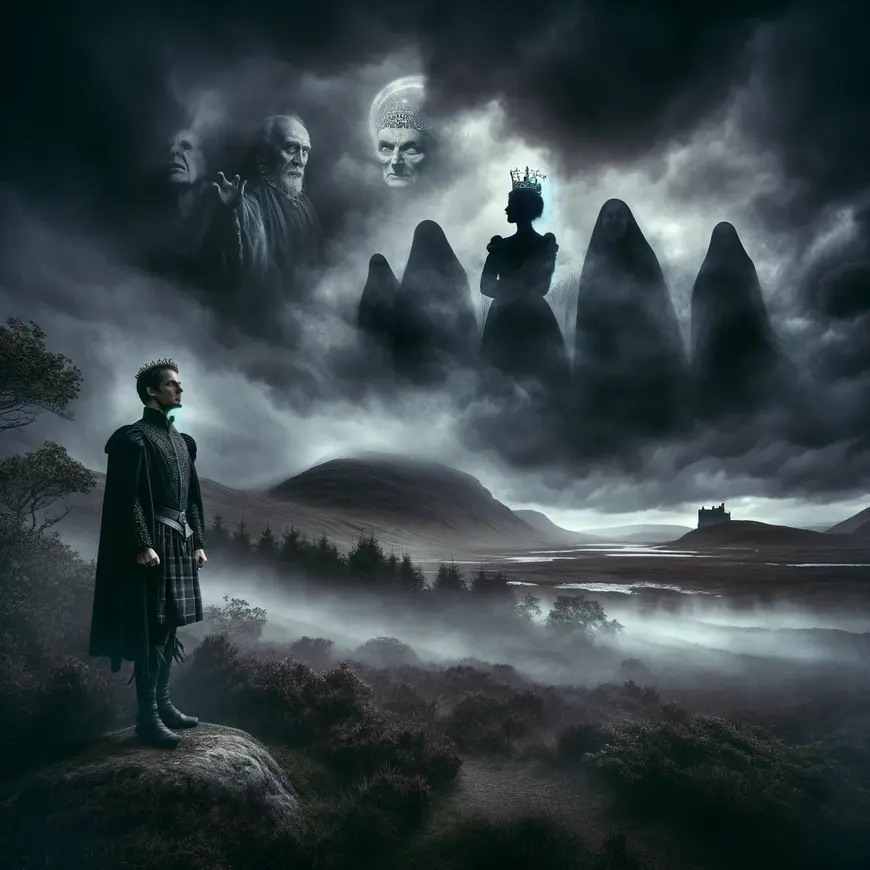
Macbeth by William Shakespeare – A Haunting Descent My Takeaways from MacbethReading Shakespeare’s play was…
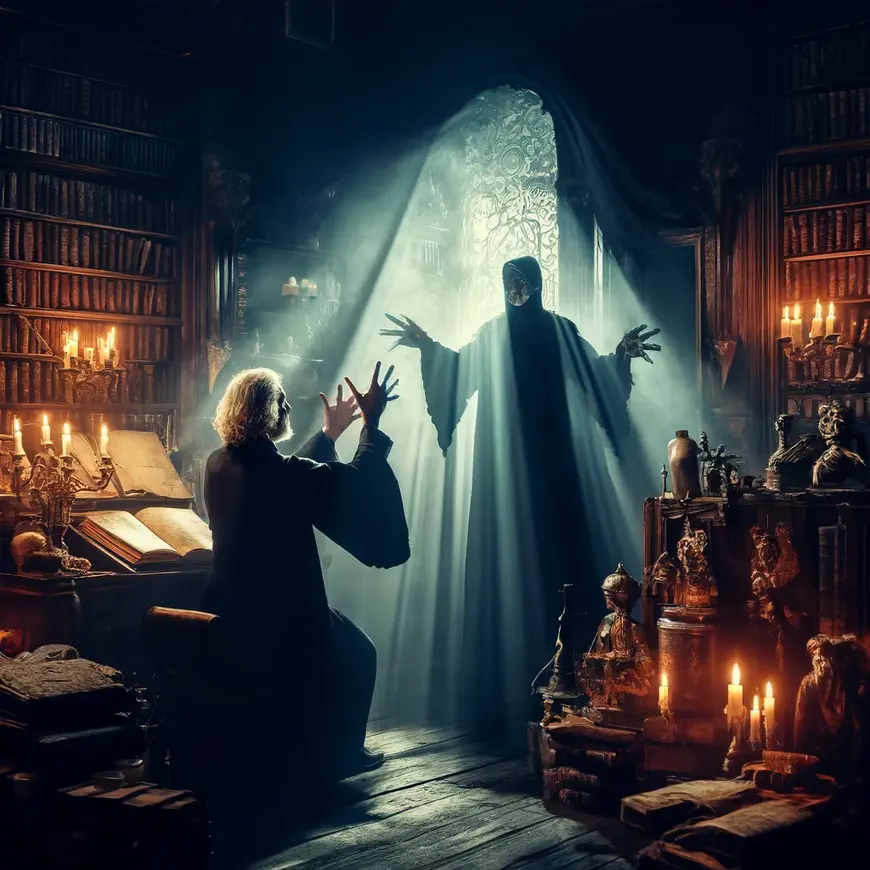
A Journey Through Goethe’s Faust, Part One My Thoughts on FaustEngaging with Johann Wolfgang von…
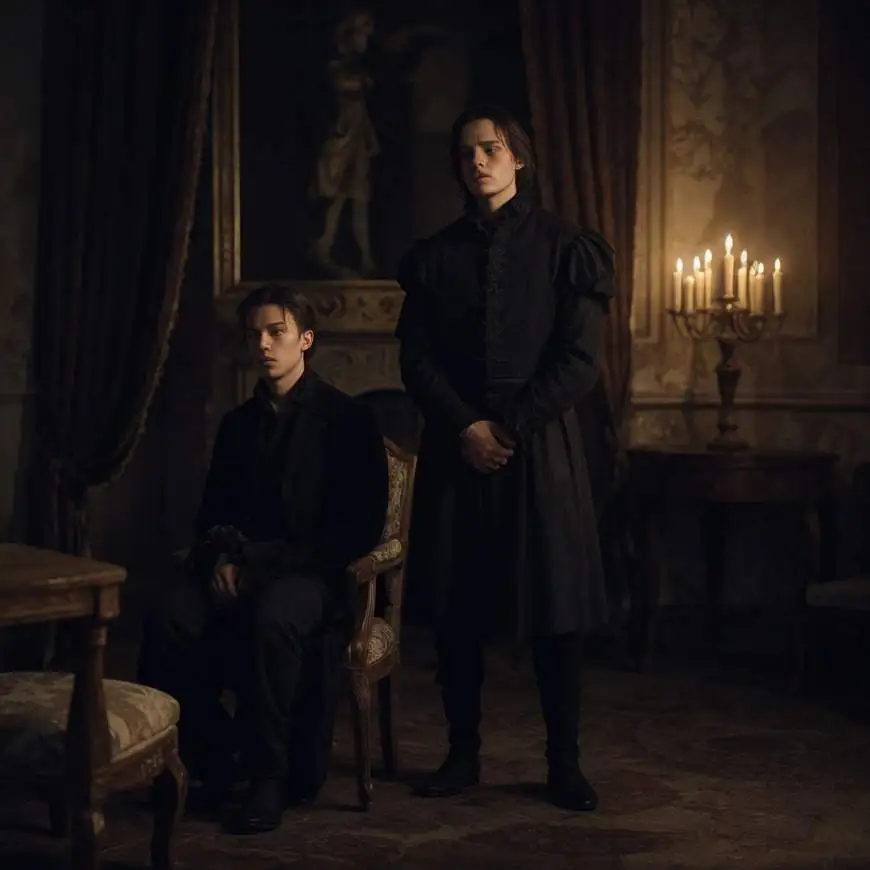
Hamlet by Shakespeare: A Timeless Tale of Tragedy and Intrigue My View on Hamlet byI…
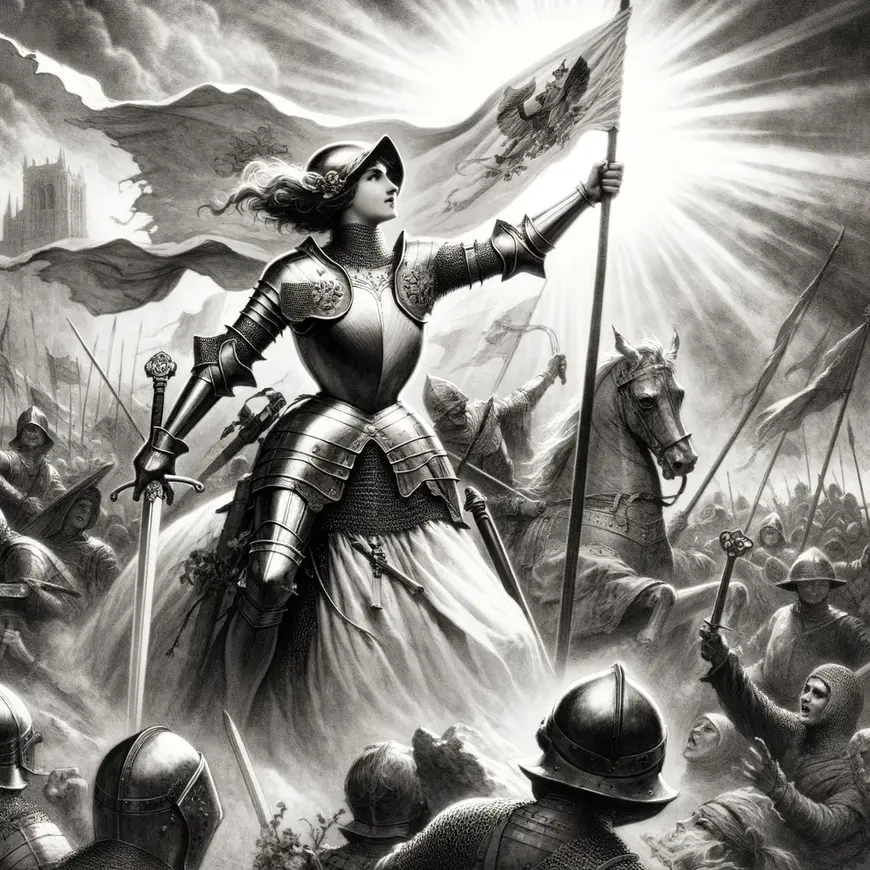
The Maid of Orleans: Schiller’s Epic Tapestry of Heroism and Sacrifice My Thoughts on The…
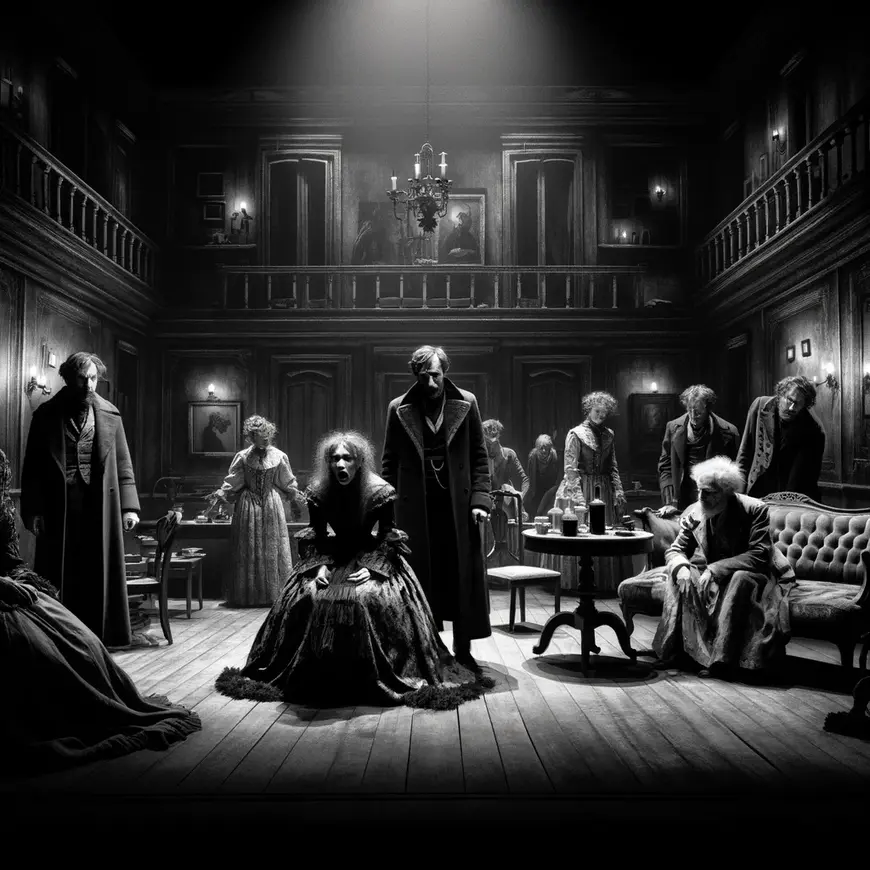
The Possessed by Albert Camus: the Abyss of Absurdity What I learned from The Possessed…
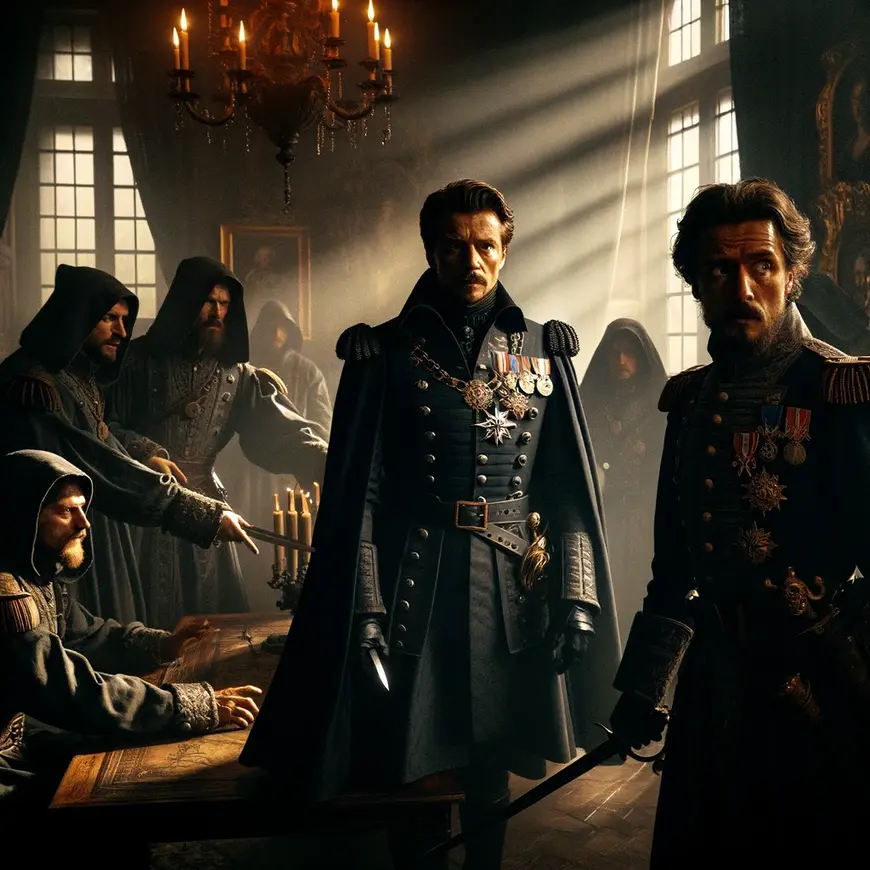
Between Empire and Betrayal: Wallenstein by Schiller Friedrich Schiller’s drama stands at the crossroads of…

The Mother by Bertolt Brecht – the Struggles of Working-Class My View on The Mother…
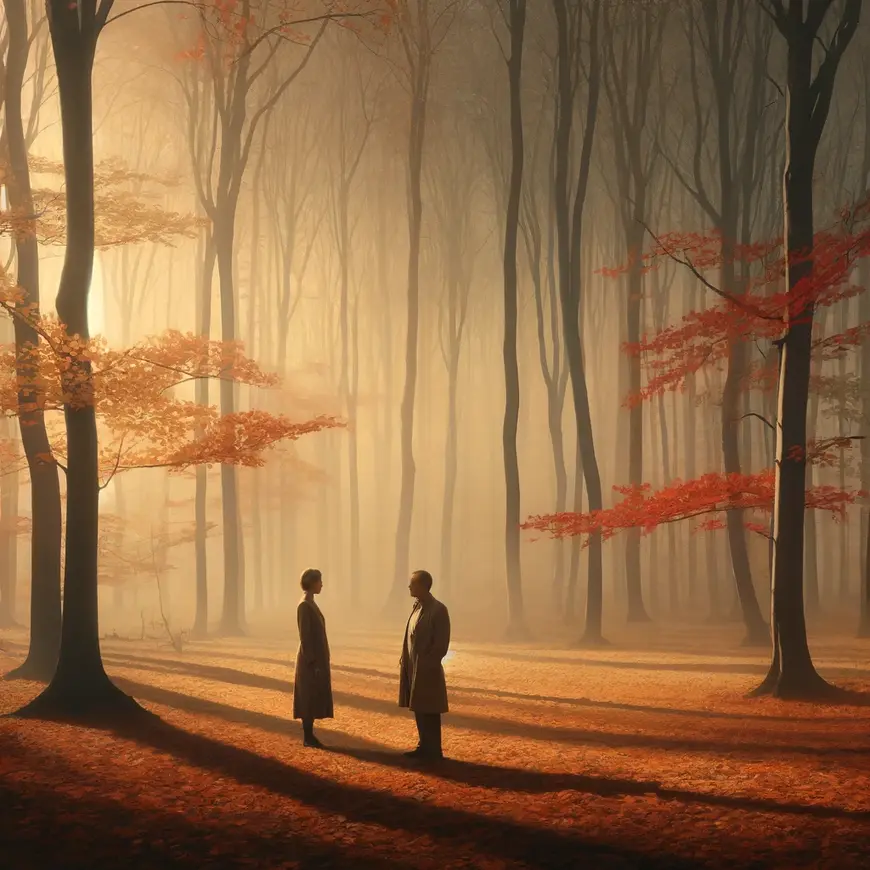
A Review of Jon Fosse’s Dream of Autumn What I take away from Dream of…
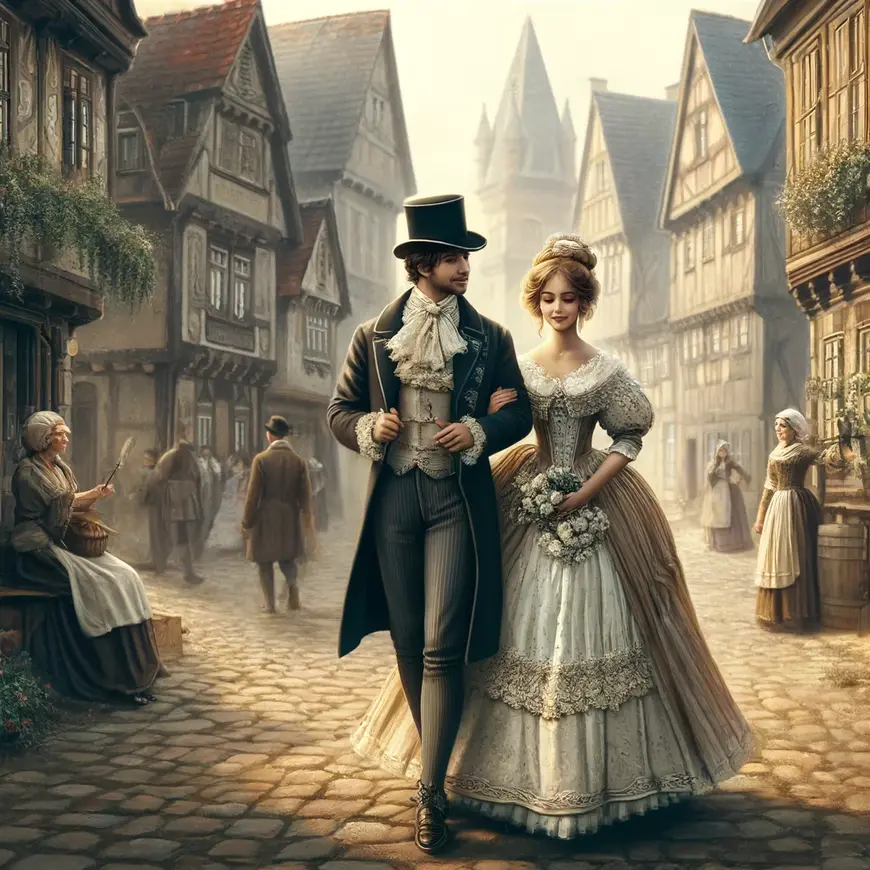
Leonce and Lena by Georg Büchner: About Avoiding Life Leonce and Lena by Georg Büchner…
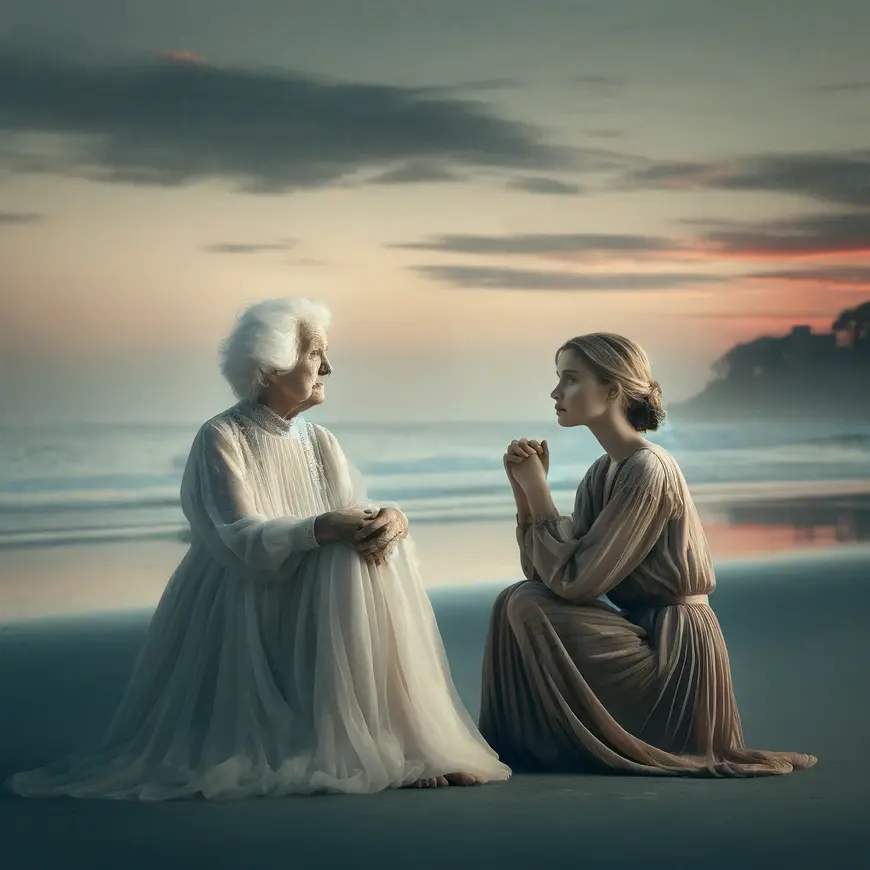
A Review of Marguerite Duras’ Savannah Bay My Thoughts on Savannah Bay – My SummaryI…
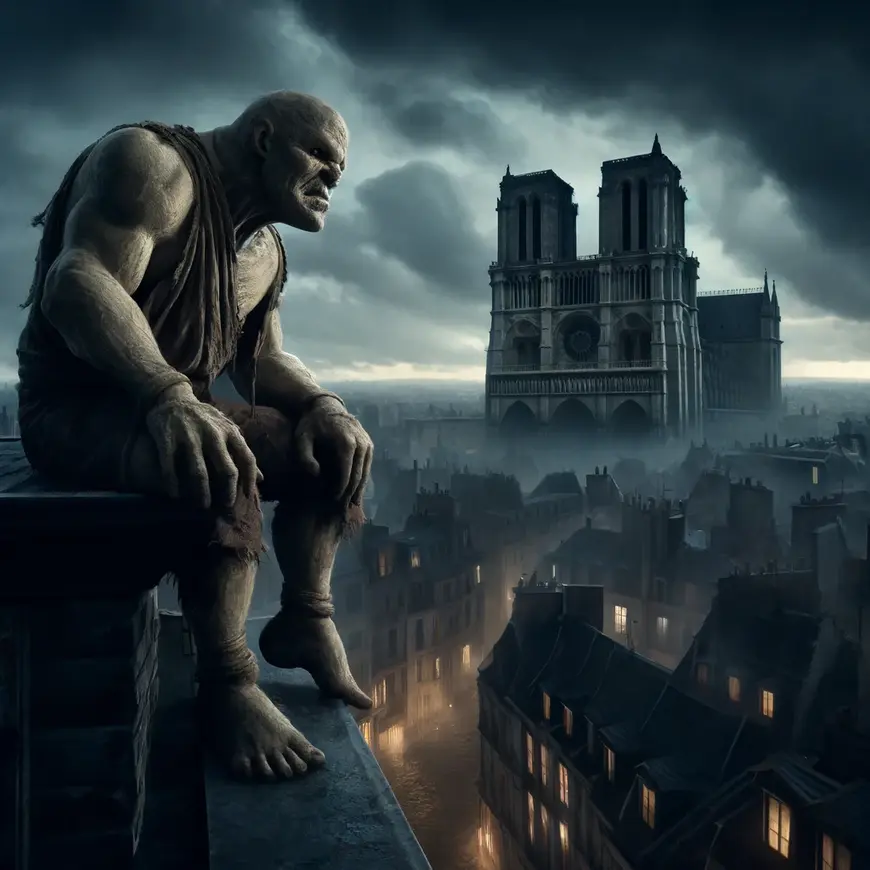
A Review of Victor Hugo’s The Hunchback of Notre Dame My Takeaways from The Hunchback…
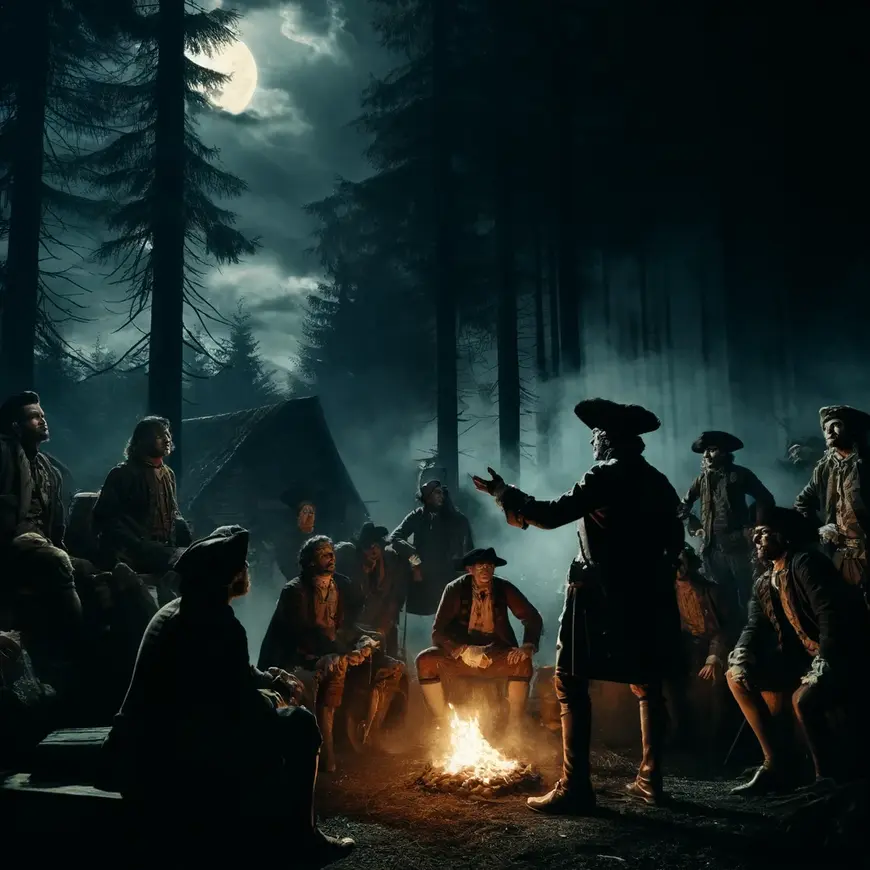
A Review of The Robbers by Friedrich Schiller My Learnings from The RobbersI was captivated…
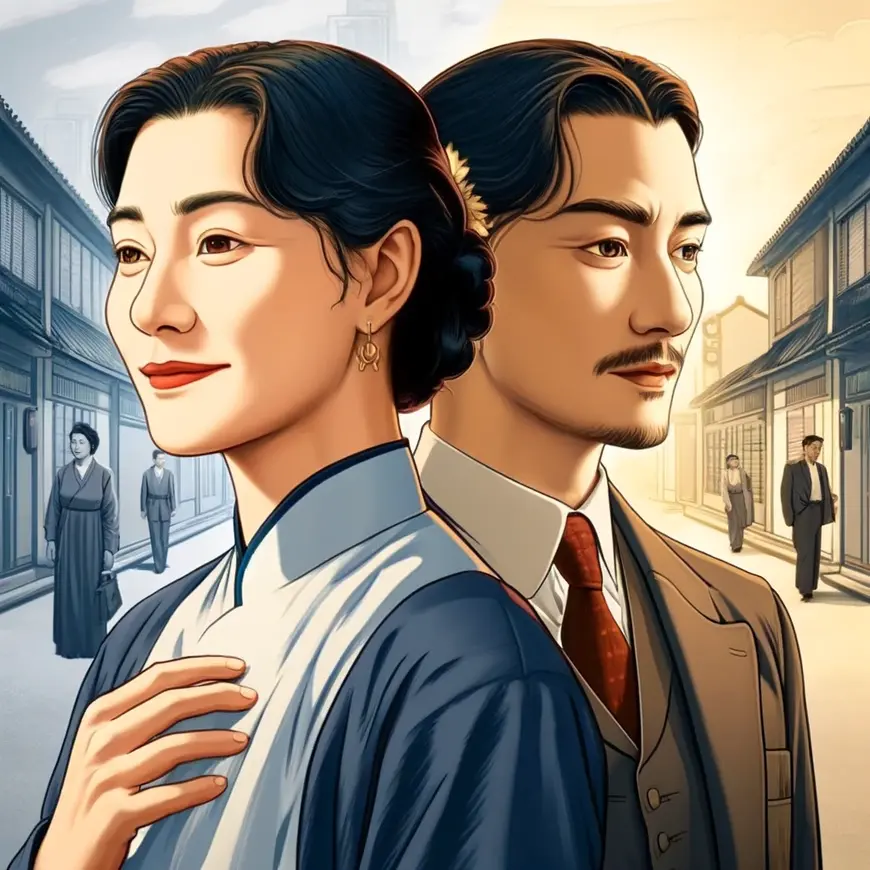
Review of The Good Person of Szechwan by Bertolt Brecht – The Morality on Life’s…
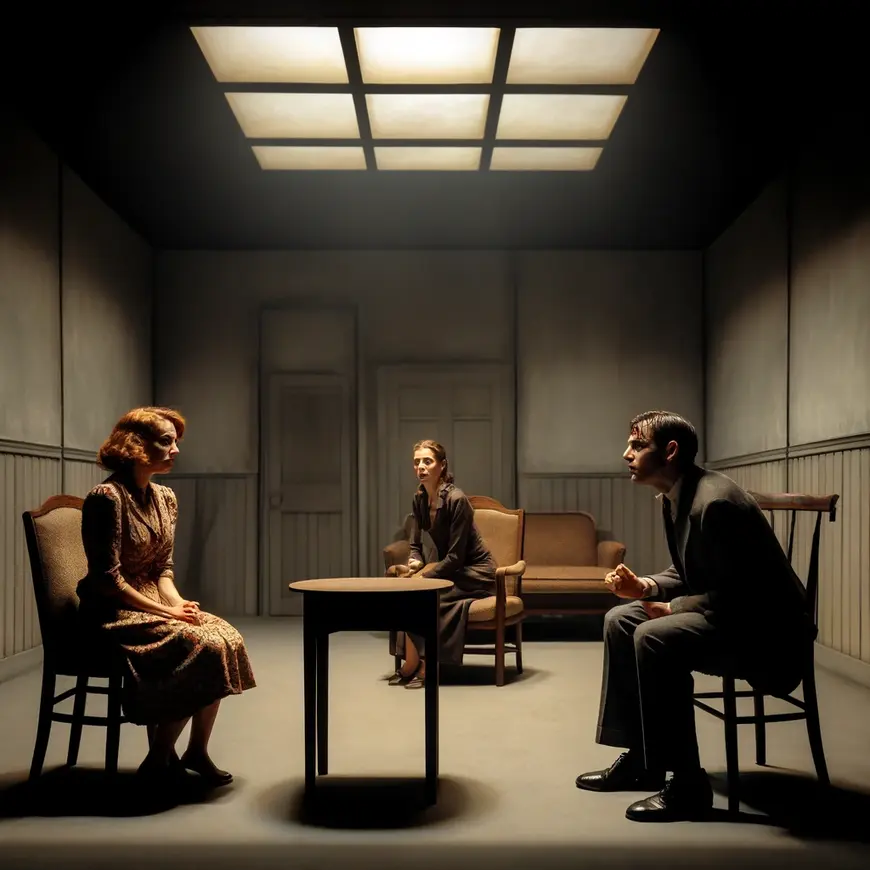
Review of No Exit by Jean-Paul Sartre – Depths of Human Psyche What I have…
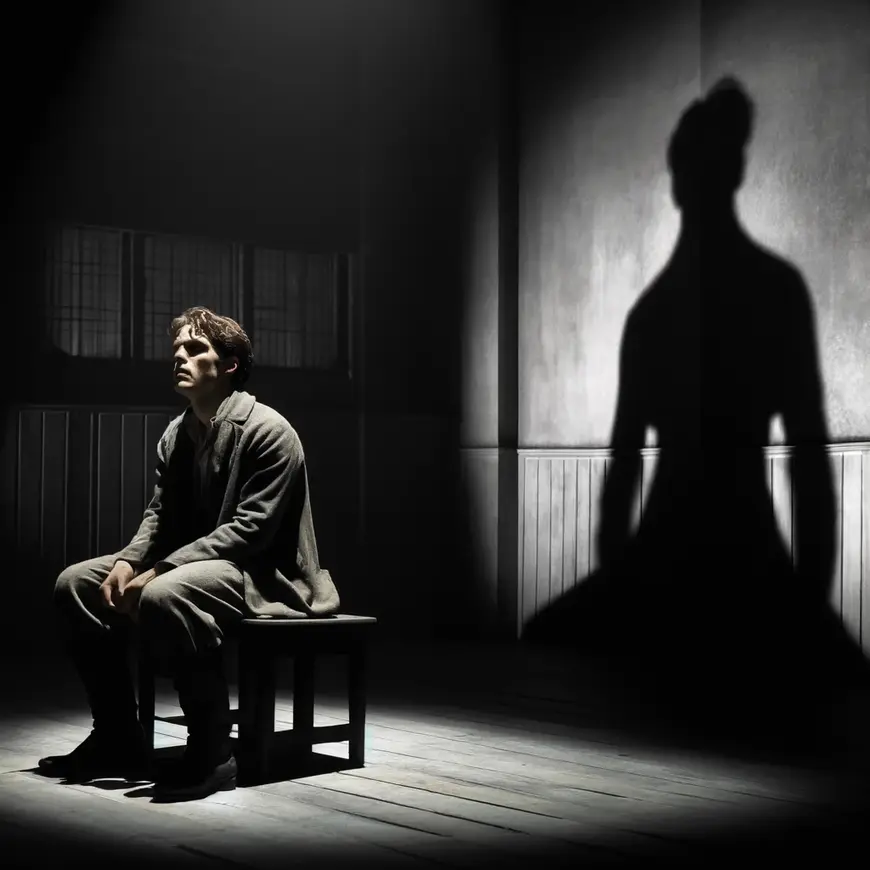
A Review of Woyzeck by Georg Büchner – Madness and Society Quick Summary: My Thoughts…

A Review of Mary Stuart by Friedrich Schiller – The Tragic Clash of Queens My…
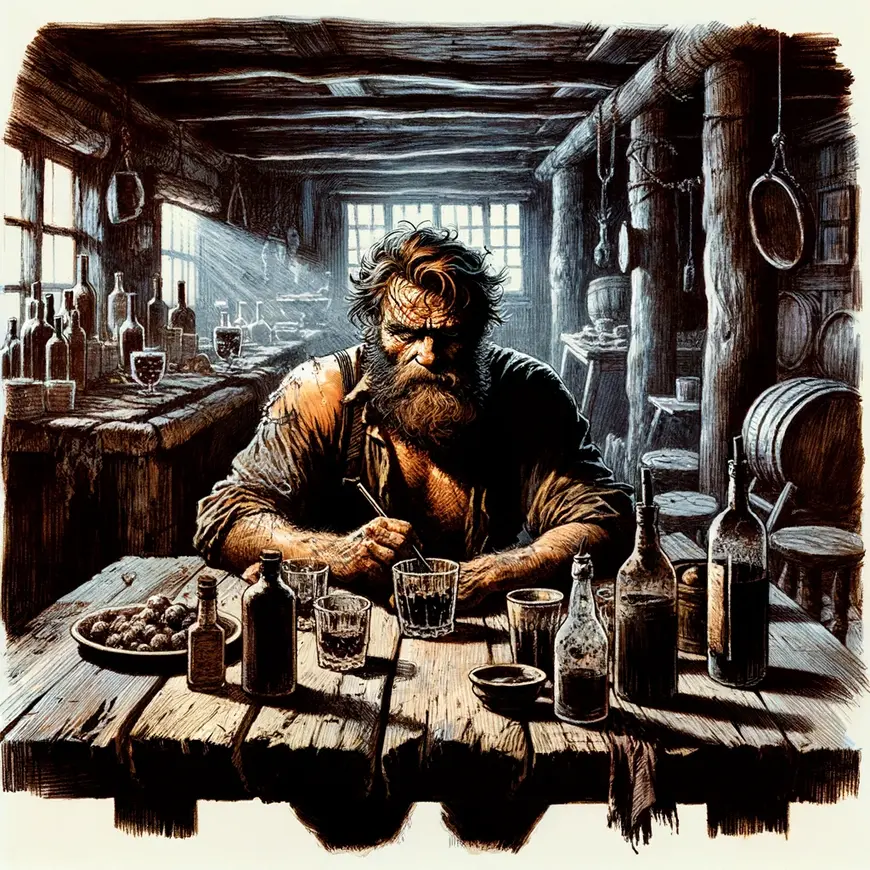
The Dark and Complex World of Baal by Bertolt Brecht Summary: My Learnings from BaalUpon…
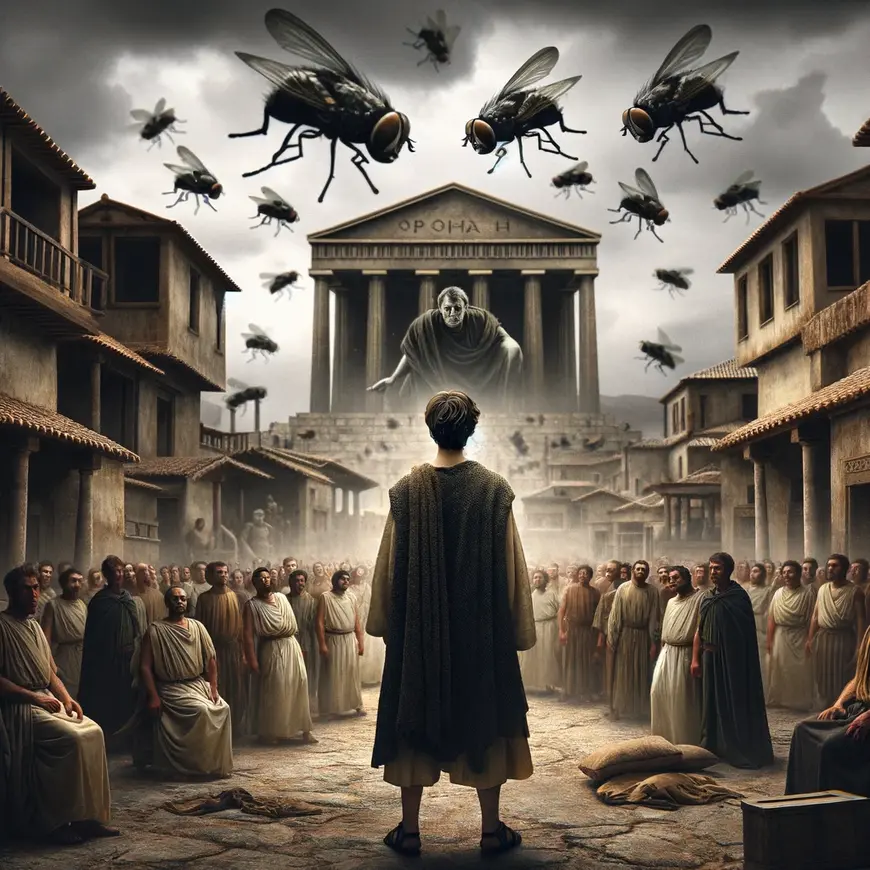
Jean-Paul Sartre’s The Flies – through Existential Freedom My Takeaways from Reading The Flies –…
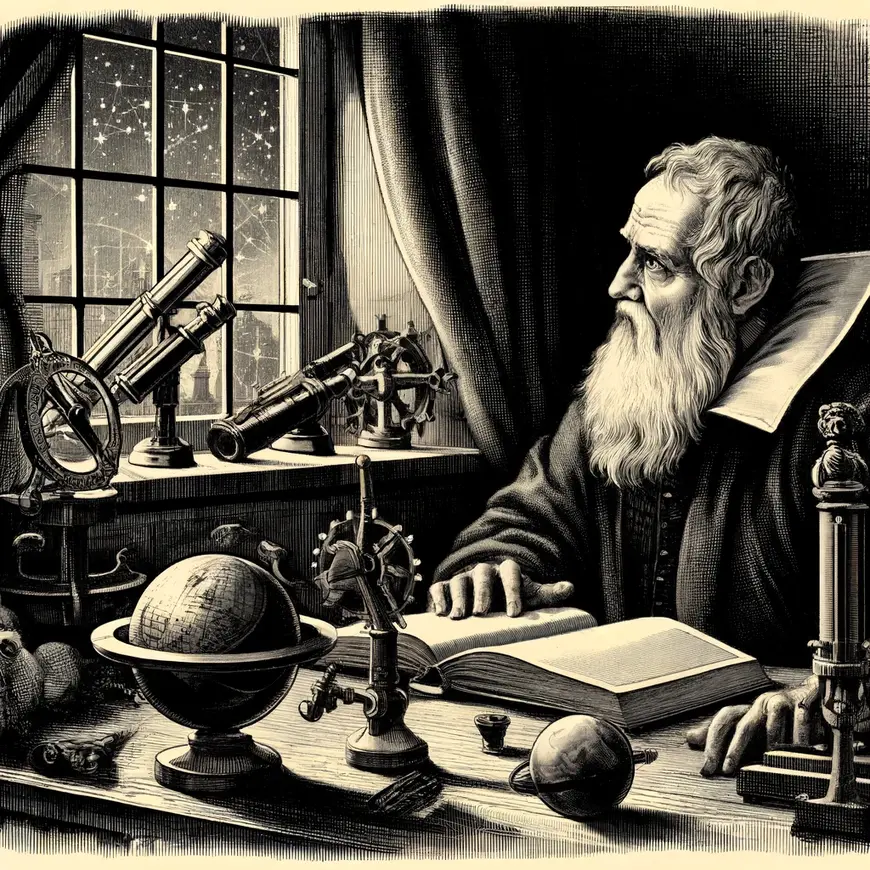
Life of Galileo by Bertolt Brecht – Illuminating the Mind What I have learned from…