What is the oldest book in the Bible?
Many scholars consider the Book of Job to be the oldest book in the Bible. While Genesis describes the earliest events, Job is believed to have been written earlier, possibly between the 2nd and 1st millennia BCE. Its language and themes suggest an ancient origin, predating the Mosaic Law and the establishment of Israel.
The Book of Job stands out for its profound exploration of human suffering and divine justice. Unlike other biblical texts, it doesn’t reference the Law of Moses or the covenant with Abraham, indicating its composition before these events. Set in a non-Israelite context, Job’s story delves into universal questions about faith, righteousness, and the human condition.
Its poetic structure and philosophical depth have influenced countless readers and thinkers throughout history. Despite its ancient origins, the questions it raises remain relevant, resonating with individuals seeking understanding in the face of adversity.
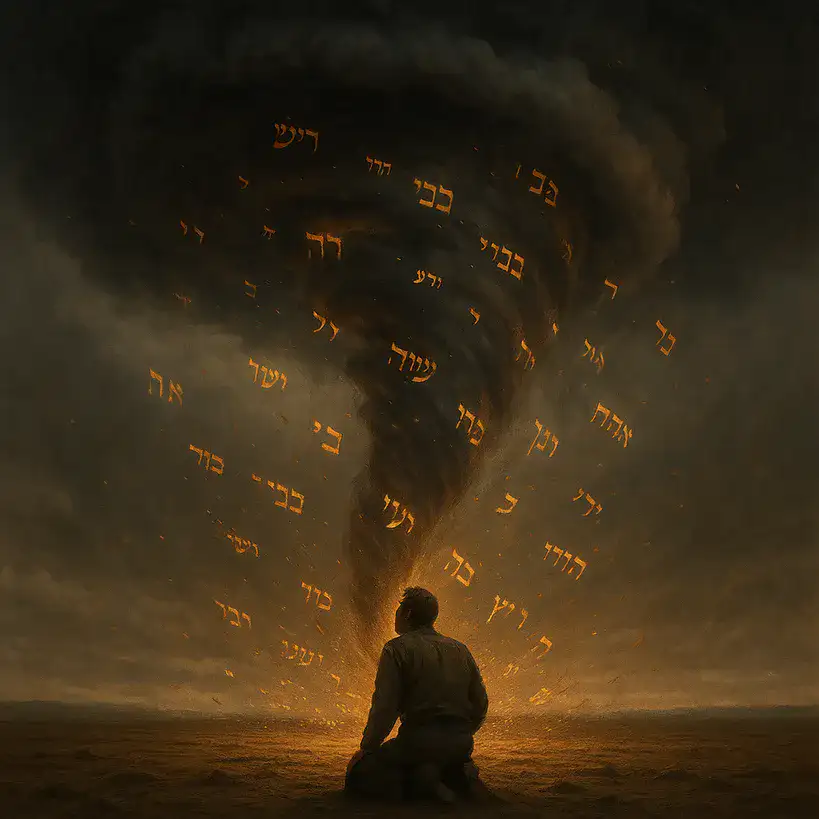
🐋 Melville, Job, and the Sea That Tests Men
When Herman Melville wrote Moby-Dick, he didn’t just borrow a whale. He borrowed Job.
The Book of Job is likely the oldest book in the Bible, and Melville knew it well. In fact, Moby-Dick is soaked with references to it — men tested by the unknown, gods who stay silent, storms without reason, and pain without clear purpose.
Job asked, Why me?
Captain Ahab asked, Why not strike back?
Melville wasn’t religious in the traditional sense, but he understood the Old Testament’s poetry. He saw how Job’s voice — wounded, bitter, dignified — could echo through literature centuries later. Moby-Dick isn’t just an adventure story. It’s a philosophical storm, just like Job’s.
And both books remind us: sometimes questions don’t come with answers.
🎭 Shakespeare’s Job Moment: “As Flies to Wanton Boys…”
In King Lear, there’s a line that stings:
“As flies to wanton boys are we to the gods; they kill us for their sport.”
That’s pure Job. The Book of Job — the oldest book in the Bible — asks if the universe is just. If goodness is rewarded. If suffering means anything. William Shakespeare, 2,000 years later, had Lear ask the same. Lear loses his crown, his daughters, and finally his mind. Job loses his family, health, wealth — and still asks why. Not once does he get a satisfying answer.
That’s what makes the connection so powerful. Both Job and Lear scream into the silence. And both are remembered not because they were answered, but because they refused to stop asking. You could argue that Job gave us one of the oldest literary themes: the righteous sufferer. And Shakespeare, as always, knew exactly how to echo it.

🎨 Toni Morrison and the Echo of Suffering – What Is the Oldest Book in the Bible?
Toni Morrison once said she wrote for Black people “in the same way that Leo Tolstoy wrote for Russians.” She also wrote about grief, pain, and survival — themes as old as storytelling itself.
In Beloved, suffering isn’t just personal. It’s historical. Deep-rooted. And sometimes, beyond explanation. That’s where Morrison meets the Book of Job, the oldest book in the Bible. Job loses everything and demands to know why. God doesn’t really explain. Morrison’s characters also endure unspeakable loss. And they, too, go on.
Neither Morrison nor Job offers simple resolutions. But both books refuse to turn away. They stare directly into suffering — and find a strange kind of truth there. You don’t have to be religious to feel the power of Job. You just have to understand what it means to carry pain that doesn’t make sense. Morrison understood that deeply.
✍️ Gabriel García Márquez and the Question Without Answer
In One Hundred Years of Solitude, strange things happen all the time. A woman floats into the sky. A man is born with a pig’s tail. Time circles back on itself. And through it all, characters suffer — quietly, sometimes senselessly. That’s pure Book of Job.
The oldest book in the Bible doesn’t give clear answers. Neither does Gabriel Garcia Márquez. Job loses everything and waits for meaning. The Buendía family watches the same tragedies unfold, generation after generation, with no explanation.
But both stories still feel right. Why? Because they capture something true: that life doesn’t always follow logic. And yet, people go on. They love, lose, ask questions, and keep moving. Márquez gave us magic realism. Job gave us spiritual realism. Both say this: the world is strange. Pain doesn’t always come with purpose. But the stories? They help us make sense anyway.
Curious About More Literature Facts and Figures Beyond “What Is the Oldest Book in the Bible?”

How many Harry Potter books are there?
🧙 How many Harry Potter books are there? Sometimes the question arises: How many Harry Potter books are there? There…

📚 Famous Book Series: Facts & Figures Some stories don’t end after one book. They expand and they build worlds….
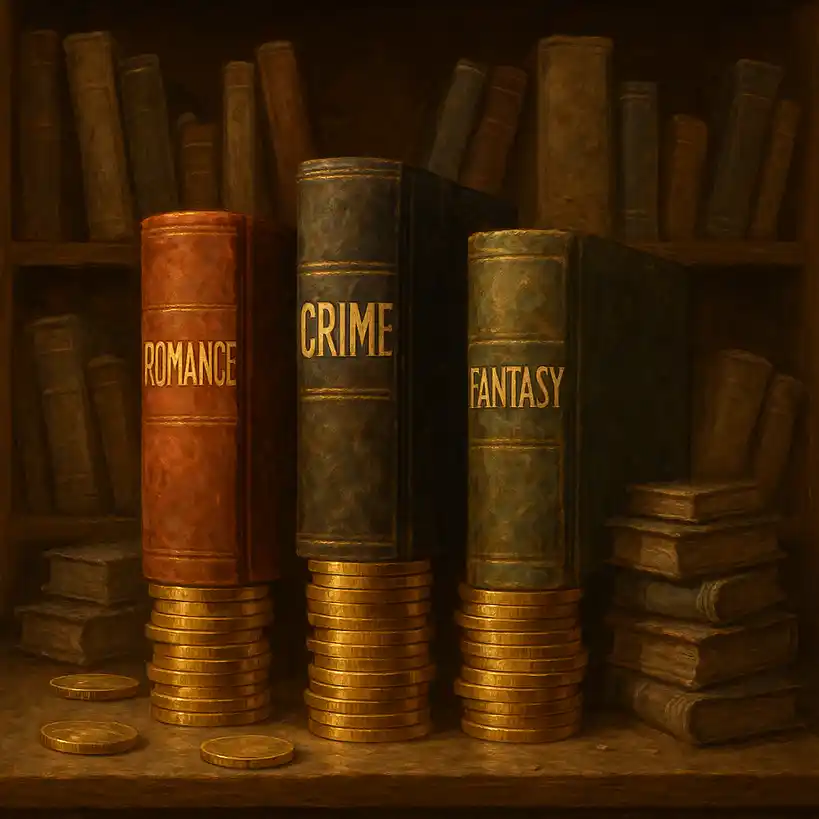
What are the most lucrative book genres?
💰 What are the most lucrative book genres? When we look at the most lucrative book genres, three categories dominate…
What is the least popular genre of books?
📚 What is the least popular genre of books? When people ask about the least popular genre of books, the…

What is the most popular genre of books?
What is the most popular genre of books? The most popular genre of books in the world is romance. Year…
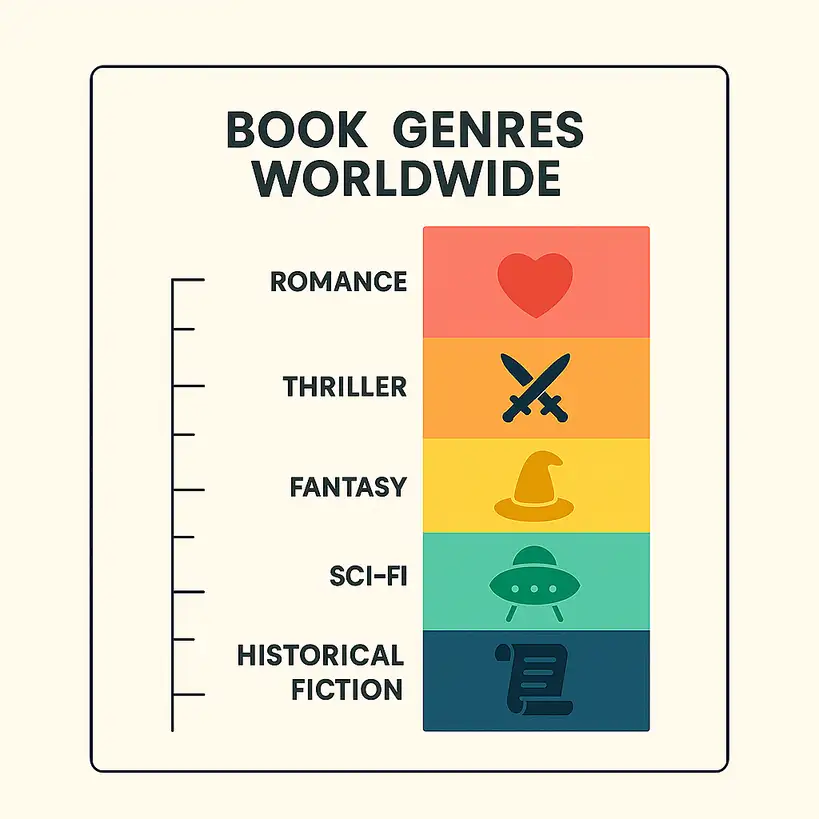
What Makes a Book Genre So Useful? When we talk about a book genre, we’re really talking about patterns. Stories…
From Job Onward: Explore Other Books That Wrestle with Meaning and Mortality

The Heart of a Broken Story by J. D. Salinger J. D. Salinger’s The Heart of a Broken Story, first…
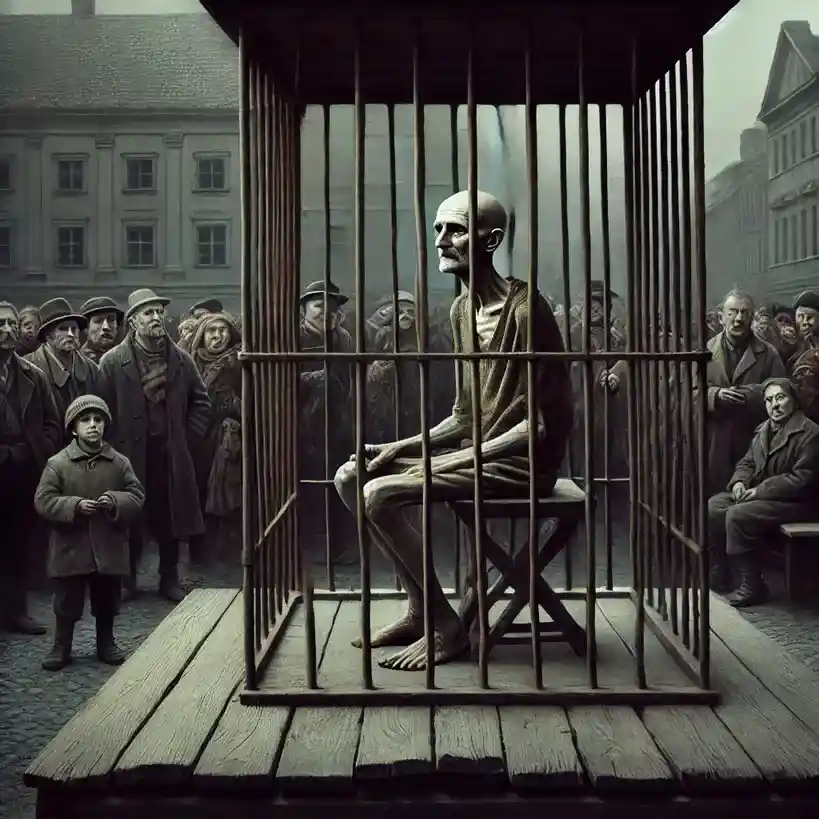
A Hunger Artist by Franz Kafka – Fasting as Spectacle At first glance, A Hunger Artist reads like a strange…

To Have and Have Not by Ernest Hemingway – Desperation, Desire What I have learned from Reading To Have and…

Sense and Sensibility by Jane Austen – Love and Reason My Thoughts on Sense and SensibilityReading the novel by Jane…
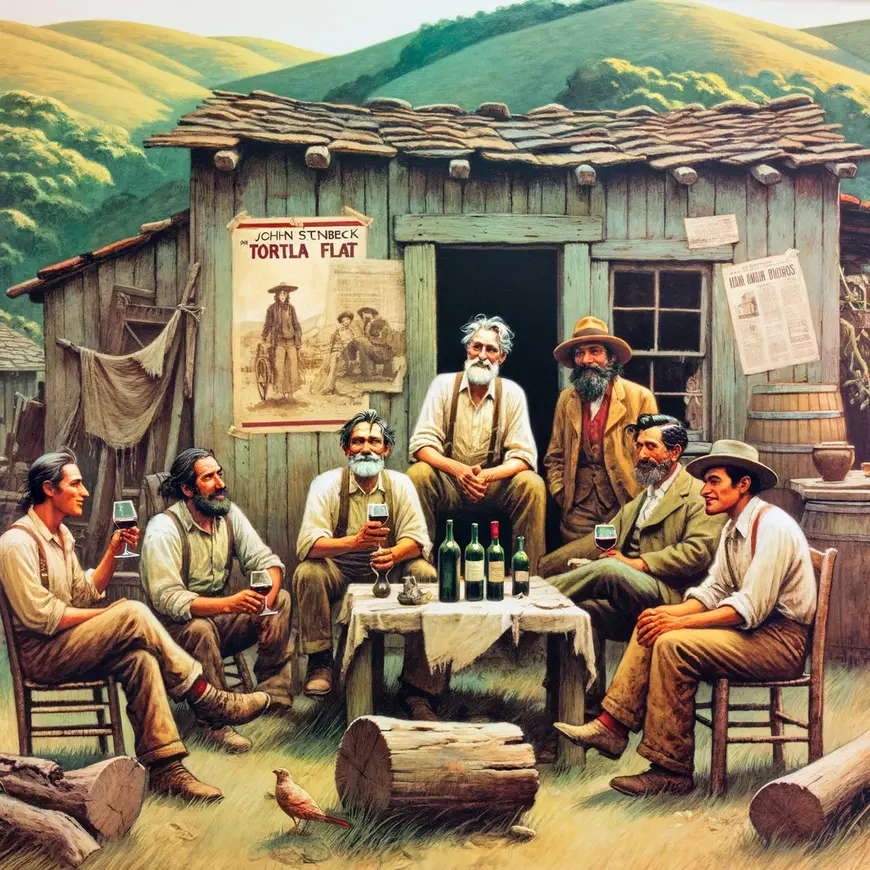
Tortilla Flat by John Steinbeck – A Tale of Friendship My Thoughts on Tortilla FlatI really loved reading the novel…

A Review of Woyzeck by Georg Büchner – Madness and Society Quick Summary: My Thoughts on WoyzeckReading Georg Büchners play…
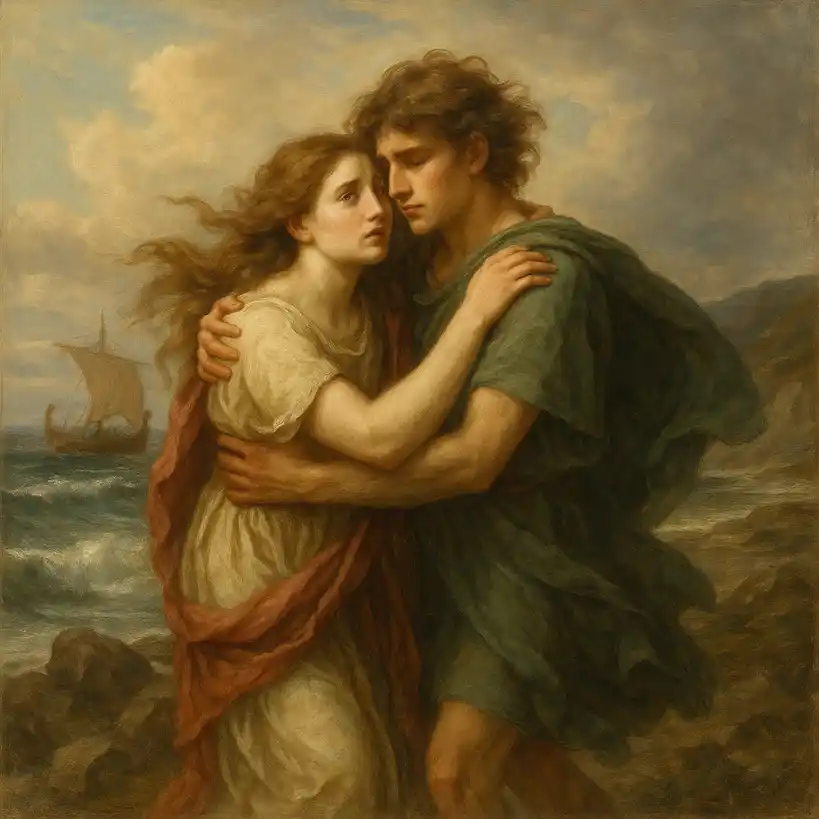
Iphigenia in Tauris by Johann Wolfgang von Goethe Tauris feels remote, yet the room listens. Consequently, Iphigenia in Tauris turns…

Purity by Jonathan Franzen – Of Secrets and Ambitions My Learnings from Reading PurityWhen I read the novel by Jonathan…

Danton’s Death by Georg Büchner – A Tale of Revolution and Tragedy My quick Summary on Danton’s Death by Georg…

The Rules of Attraction by Bret Easton Ellis – Threads of Desire My Thoughts on The Rules of Attraction –…

All Men are Mortal by Simone de Beauvoir What I take away from All Men are MortalReading Simone, de Beauvoirs…

Salome by Oscar Wilde: A Seductive Dance of Desire and Doom Oscar Wilde’s Salome captivated me from the very first…