One Hundred Years of Solitude
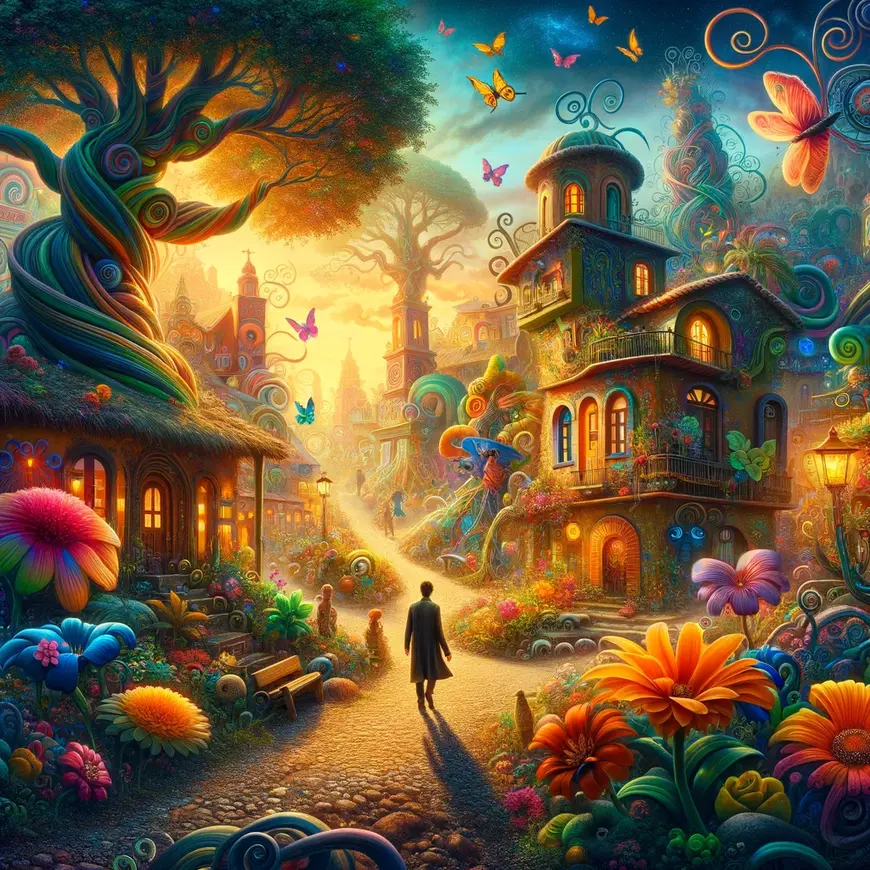
One Hundred Years of Solitude opens as if the future has already become memory. Gabriel García Márquez does not introduce Macondo as a fixed place on a map. He lets it rise through recollection, wonder, family rumor and the strange certainty that everything has happened before, even when it is happening for the first time.
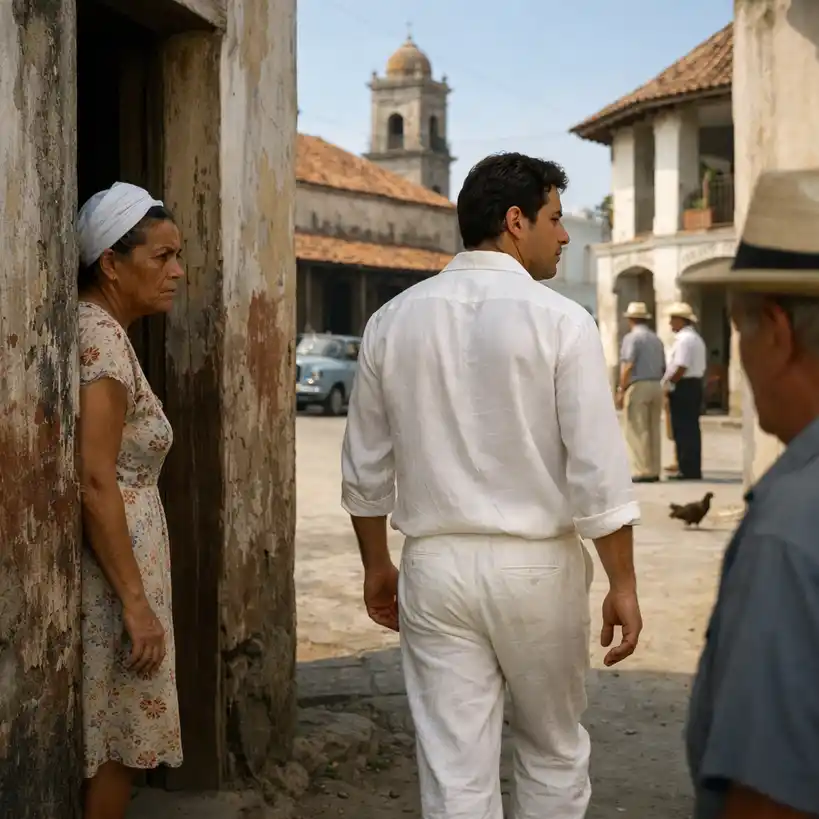
Macondo begins with José Arcadio Buendía’s dream of founding a new world. At first, the village feels young, almost innocent. Ice is a marvel. Inventions arrive like signs from another universe. Melquíades and the gypsies bring magnets, alchemy, telescopes and stories that stretch local life toward the impossible.
Yet from the beginning, freshness carries a shadow. The village seems protected by distance, but not by time. Desire, obsession, pride and fear of incest enter the Buendía house early. What looks like origin already contains decline.
Macondo is born as a place and as a warning. The novel does not move from simplicity to complexity in a straight line. It coils. It returns. It repeats names, gestures and mistakes until the family history begins to feel less like a record than a spell.
That is why the book feels larger than a family saga. It creates a world where memory is unstable, prophecy is practical, and history waits patiently for people who fail to recognize it.
The Buendías inherit names like weather
The Buendía family can confuse first-time readers, but that confusion is part of the design. The repeated names José Arcadio and Aureliano are not decorative. They create a system of echoes. Characters seem to inherit temperaments, hungers and dangers along with their names.
José Arcadios often carry physical force, appetite and impulsive energy. Aurelianos often turn inward, drawn toward solitude, thought, war or obsessive craft. The pattern is never mechanical, but it presses on the reader. Names become climates. Each generation believes itself new, yet it keeps walking through rooms already marked by earlier lives.
This is where the novel becomes more than genealogy. The author shows how families preserve not only stories, but unfinished impulses. Love returns as possession. Curiosity returns as obsession. Political hope returns as disillusionment. Even rebellion can become repetition when it forgets what it was trying to change.
The family tree is also a trap. It offers connection, but it also narrows the future. The Buendías belong to one another so intensely that they often fail to meet the world clearly.
A useful comparison is 👉 Absalom, Absalom! by William Faulkner. Faulkner also builds a family history out of repetition, buried violence and unstable narration. García Márquez is more luminous and mythic, but both novels show how a family can become a haunted structure.
When miracles speak in a sober voice
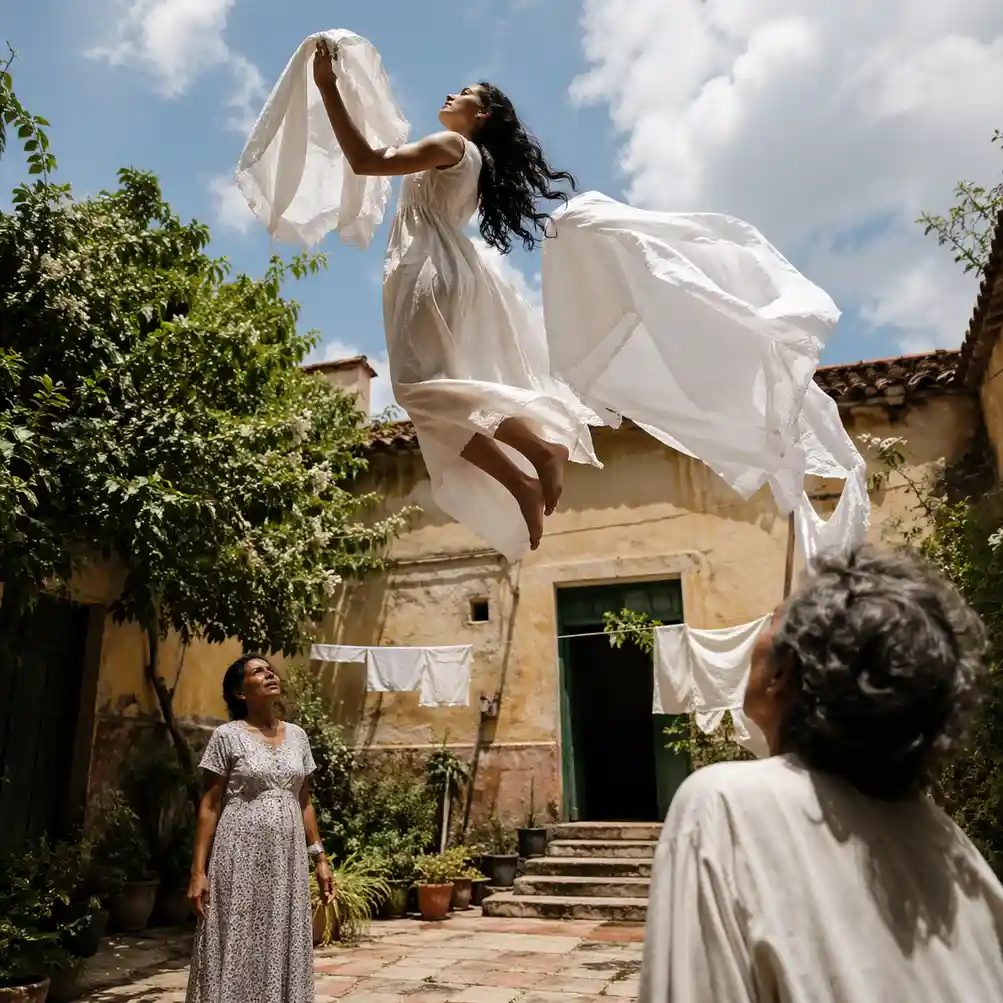
The magic in One Hundred Years of Solitude does not behave like fantasy added to realism. It arrives in the same tone as births, arguments, illnesses and political events. A girl may ascend into the sky. Ghosts may remain near the living. A plague may erase memory. The narration does not pause to ask for permission.
That calmness is essential. García Márquez makes the extraordinary feel ordinary because Macondo itself lives by a different relationship to reality. The miraculous does not cancel the real. It reveals how reality feels when history, superstition, faith, fear and memory are all active at once.
This is why the phrase magical realism can mislead if it is used too lazily. The novel is not “real life plus magic.” It is a way of telling in which the marvelous and the brutal share the same narrative ground. A miracle can be funny. A political atrocity can be denied so completely that it starts to feel more unbelievable than a ghost. The true wonder is the voice. His narrator can make the impossible sound factual and make the factual sound legendary. That balance gives the book its authority.
A different but helpful parallel appears in 👉 The Tin Drum by Guenter Grass. Grass uses grotesque distortion to process history’s violence. The writer uses a more tropical, ancestral and cyclical mode, but both writers understand that historical truth sometimes needs strange forms to be seen at all.
Solitude inside the crowded house
The title’s solitude is not only loneliness in the simple sense. The Buendía house is crowded with marriages, births, servants, guests, lovers, children, ghosts and memories. Yet many of its inhabitants remain sealed inside private obsessions. They live together without always reaching one another.
José Arcadio Buendía disappears into invention. Colonel Aureliano Buendía enters war and returns with an emotional coldness that no victory can repair. Amaranta hardens around refusal. Fernanda brings order but not intimacy. Aureliano Babilonia reads his way toward the family’s secret, but knowledge comes too late to save anyone.
Solitude becomes a habit of relation. People desire, command, protect and wound one another, yet they rarely break the deepest isolation. Love often arrives mixed with pride, ritual, fear or possession. Even memory, which should connect generations, becomes unstable. The Buendías do not suffer solitude because they are alone. They suffer it because they repeat forms of closeness that fail.
This is one of the novel’s quiet cruelties. Macondo can be noisy, sensual and full of life, but its central family often cannot transform experience into wisdom. They feel intensely and forget quickly. They inherit passion without learning tenderness.
The result is both comic and tragic. The house seems endlessly fertile, yet spiritually it keeps narrowing. Each new generation appears to open the future. Each one also tightens the circle.
War, bananas and the machinery of forgetting
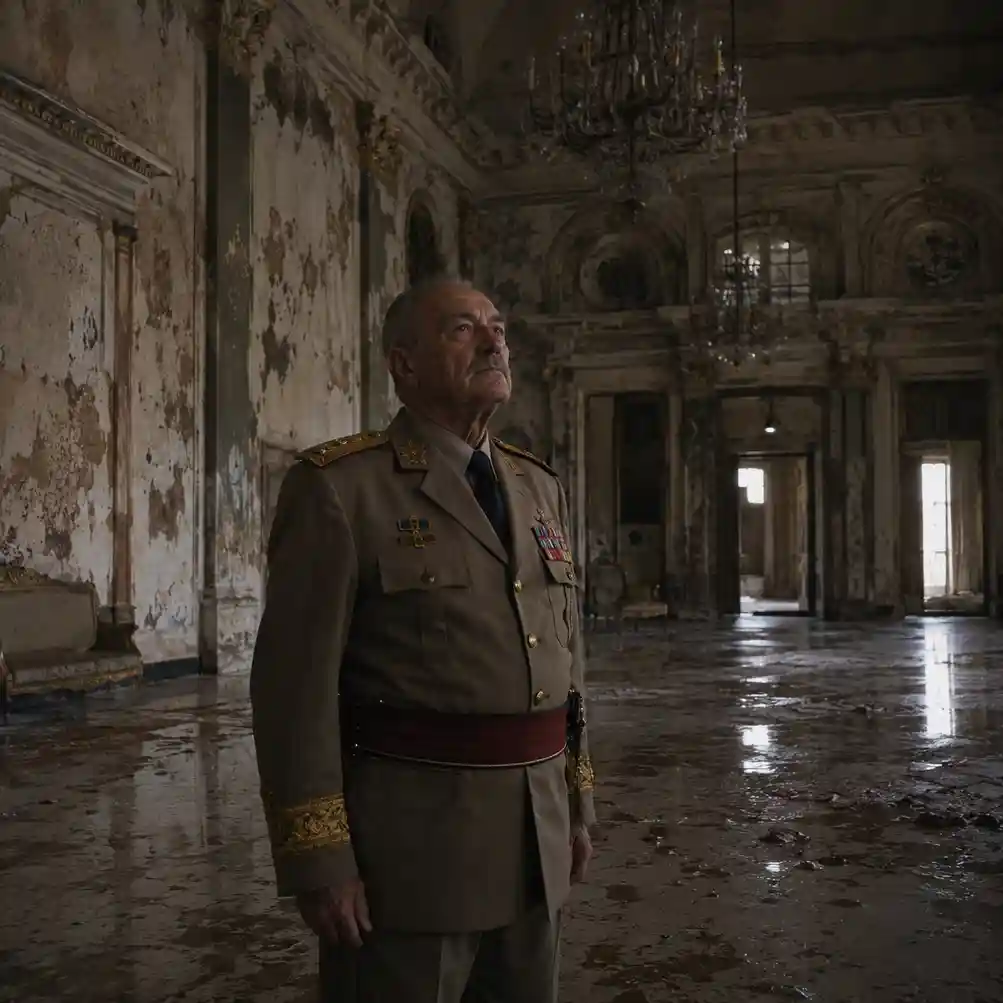
Macondo does not remain outside history. At first, its isolation feels almost mythical, but politics enters with increasing force. Civil war turns ideals into repetition. Colonel Aureliano Buendía fights and fights again until rebellion becomes almost indistinguishable from habit. The energy of change drains into exhaustion.
Later, the arrival of the banana company alters Macondo more brutally. Foreign business, labor exploitation, military violence and official denial transform the village’s relation to the outside world. The massacre of the workers is one of the novel’s most devastating moments because the horror is followed by erasure. The event does not only happen. It is made not to have happened.
That sequence gives the book its political weight. The novelist does not separate myth from history. He shows how power uses forgetting as a weapon. A town can be changed by violence and then instructed to remember nothing. The deepest violence is not only death, but denial. If memory can be controlled, the dead can be abandoned twice.
👉 The Green House by Mario Vargas Llosa offers a strong Latin American counterpoint. Vargas Llosa builds social worlds through fractured structures and harsh regional pressures. García Márquez moves differently, with a more mythic current, but both writers connect private lives to larger forces of money, power and geography.
Melquíades, manuscripts and time folded back
Melquíades is one of the novel’s great keys. He arrives first as a bringer of marvels, but his role grows stranger and deeper. His manuscripts wait inside the Buendía story like a second version of time. They do not merely record events. They seem to contain the pattern before the family understands it.
This changes how the reader experiences the novel. Time in One Hundred Years of Solitude is not a straight road from founding to destruction. It is a spiral. Events return with variations. Names repeat. Desires reappear. Warnings are missed. The future often feels written, but not understood.
The final act of reading becomes decisive. Aureliano Babilonia does not simply uncover a family document. He learns that the family’s life has been legible all along, but only at the instant when reading can no longer rescue it. Prophecy in the novel is less prediction than unread memory. The signs are there, but the Buendías do not know how to live differently because of them.
This makes 👉 The Aleph by Jorge Luis Borges a precise internal companion. Borges imagines impossible concentration, a point where total vision overwhelms ordinary understanding. He is warmer and more historical, but he also asks what happens when a human mind confronts a pattern too vast to master in time.

Quotes from One Hundred Years of Solitude
- “Many years later, as he faced the firing squad, Colonel Aureliano Buendía was to remember that distant afternoon when his father took him to discover ice.” This opening line is famous for its evocative and mysterious nature. It sets the tone for the novel’s blend of magical realism and historical narrative, and it immediately introduces readers to the Buendía family’s legacy. The juxtaposition of an extraordinary moment (facing a firing squad) with a mundane memory (discovering ice) highlights the novel’s themes of memory and history.
- “There was no mystery in the heart of a Buendía that was impenetrable for a woman like her, who had the talent of making men uneasy from the cradle.” This quote refers to one of the many complex and powerful women in the Buendía family. It underscores the recurring theme of the strong, influential roles women play within the family. And their ability to understand and manipulate the men around them.
- “It’s enough for me to be sure that you and I exist at this moment.” This line captures a moment of existential clarity and intimacy between two characters. It emphasizes the importance of the present and the tangible reality of human connection. A recurring theme in the novel which often juxtaposes the transient nature of existence. With the enduring nature of love and relationships.
- “He really had been through death, but he had returned because he could not bear the solitude.” This quote speaks to the novel’s central theme of solitude and the human desire for connection. Characters in the novel often grapple with loneliness and the desire to overcome it. Illustrating the deep impact of isolation on the human psyche.
Trivia Facts about One Hundred Years of Solitude
- Publication and Impact: One Hundred Years of Solitude was first published in 1967. It is widely regarded as one of the most significant works in modern literature. And a cornerstone of the Latin American Literature Boom, a literary movement that brought Latin American writers to global prominence.
- Magical Realism: The novel is a quintessential example of magical realism. A genre that blends fantastical elements with realistic settings and events. His masterful use of this style has influenced countless authors and has become synonymous with his name.
- Family Saga: The book tells the multi-generational story of the Buendía family, set in the fictional town of Macondo. The narrative spans over a century. And explores themes of love, power, violence, and isolation, encapsulating the rise and fall of the family dynasty.
- Inspiration from Real Life: The novelist drew inspiration from his own life when writing the novel. Macondo is based on his hometown of Aracataca. And many of the events and characters in the book reflect real historical and personal experiences.
- Nobel Prize: He was awarded the Nobel Prize in Literature in 1982. Largely due to the success and influence of One Hundred Years of Solitude. The novel played a crucial role in solidifying his status as one of the greatest writers of the 20th century.
The women who hold Macondo together
The Buendía men often seek discovery, war, alchemy, politics or erotic conquest. The women more often hold the house, memory and daily survival together. This does not make them simple symbols of stability. They are contradictory, severe, loving, stubborn, damaged and sometimes terrifying.
Úrsula is the great force of continuity. She sees more than most, works harder than most and understands the family’s repetitions before others do. Her tragedy is that insight does not give her full power to stop decline. She can maintain the house, but she cannot free the family from its pattern.
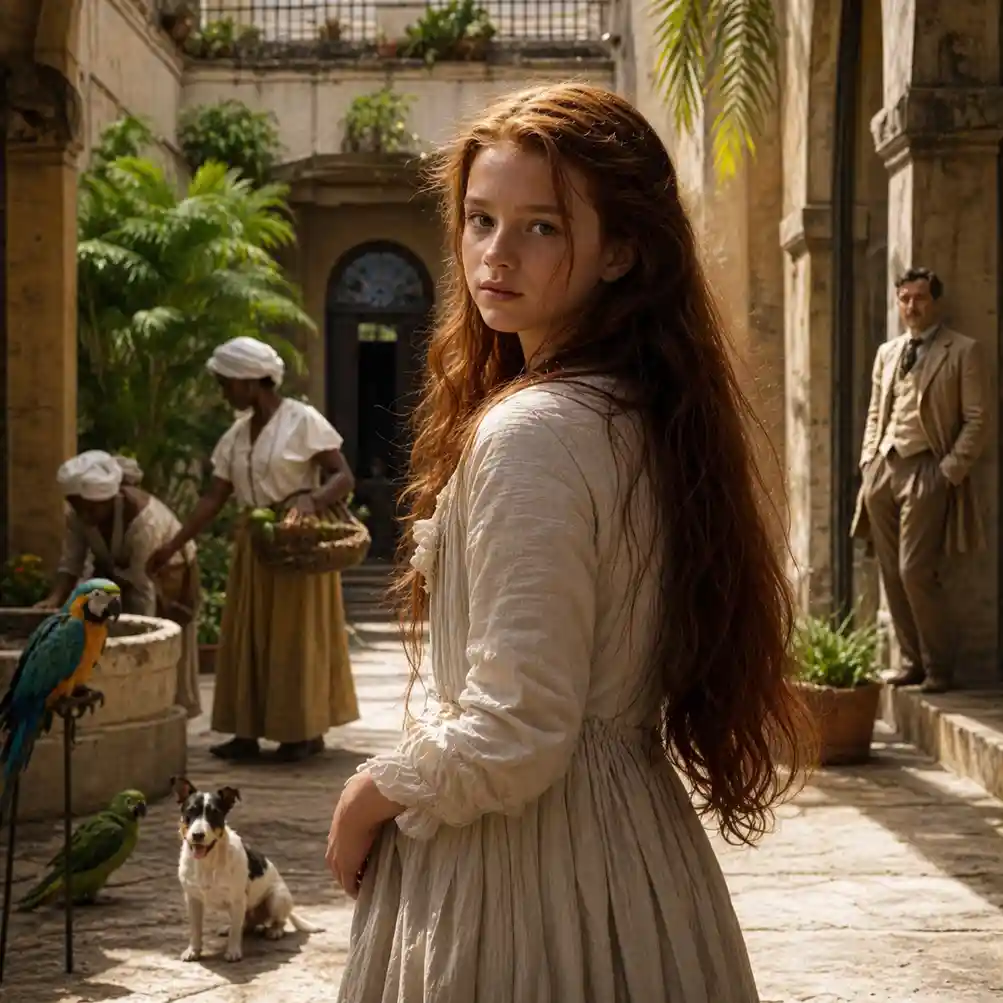
Other women reshape the novel in different ways. Pilar Ternera carries desire, fertility and knowledge across generations. Amaranta turns refusal into a lifelong discipline. Fernanda brings aristocratic fantasy and rigid order into a world she never truly understands. Remedios the Beauty defeats interpretation by remaining outside ordinary desire.
The women preserve memory, but memory alone cannot save Macondo. The house survives because of them, yet the house also traps them in inherited roles, rituals and silences.
This is where 👉 The House of the Spirits by Isabel Allende becomes a natural comparison. Allende also builds a family chronicle through women, memory, ghosts and political rupture. Her tone and historical angle differ, but the link between household, inheritance and national trauma is unmistakable.
Why the novel refuses to grow old
One Hundred Years of Solitude remains inexhaustible because it can be read in many directions at once. It is a family saga, a political novel, a comic epic, a myth of origins, a history of forgetting and a meditation on reading itself. Few novels hold so many forms together with such apparent ease.
Its greatness does not lie only in imagination. It lies in control. The author makes Macondo feel abundant, but not loose. The repeated names, mirrored desires, returning catastrophes and final manuscript all create a hidden architecture. The book may feel overflowing, yet it moves toward a devastating closure.
The novel also changed world literature because it gave local history a mythic scale without smoothing away its violence. Macondo is specific and universal at once. It belongs to Colombia, to Latin America, to oral storytelling, to political history and to the private weather of one doomed family.
Its beauty is inseparable from its warning. People who cannot read their own past are condemned not simply to repeat it, but to misunderstand the repetition while it happens.
That is why the ending still strikes with such force. The reader does not only watch a family disappear. The reader realizes that the book has been teaching its own method from the start. Every marvel, every war, every birth and every solitude has been part of a script waiting to be deciphered. Macondo vanishes, but the act of reading it remains.
Quick Summary: My Thoughts on One Hundred Years of Solitude
Reading this novel left a lasting impression on me with its mystical charm! The moment I delved into the realm of Macondo and the Buendía clan within the pages of the book captivated me entirely! His narrative style transported me to a dream where the boundaries, between reality and fantasy melted away effortlessly.
As I delved into the saga of the Buendía clan across generations in this novel. I was struck by the recurring motifs of love, isolation and destiny that threaded through each character’s odyssey. The blend of realism and enchantment lent a quality to even the most ordinary moments.
Enduring a gamut of experiences alongside them I couldn’t. Feel a profound connection to their intertwined fates.Ultimately I found myself pondering over themes of time,memory and the intriguing patterns of historys continuity, in manners. The story really touched me. I couldn’t stop thinking about it even after I had finished reading it.
More Reviews of Works by the famous writer