Harlan Coben: When the Safe Story Falls Apart
Harlan Coben rarely begins with a professional detective standing over a corpse. He prefers a parent at a school event, a doctor driving home, a lawyer opening an email, or a husband looking at a familiar photograph. The setting promises routine. Then one detail refuses to fit. A dead person appears alive, a missing relative leaves a digital trace, or a stranger reveals that a marriage rests on fraud.
That recurring movement explains more of his appeal than the famous twists alone. Harlan Coben constructs a reassuring story about family, success, and identity, then makes his characters discover that they have been living inside an edited version of the past. The mystery matters because the correction threatens people they love.
His fiction has expanded from sports-agent investigations to domestic thrillers, young-adult novels, television, and true crime. Yet the emotional mechanism remains stable.
Security is the first illusion to break. The writer turns the ordinary world into suspense by asking how much truth a stable life can survive. His best novels make that question more disturbing than the crime itself.
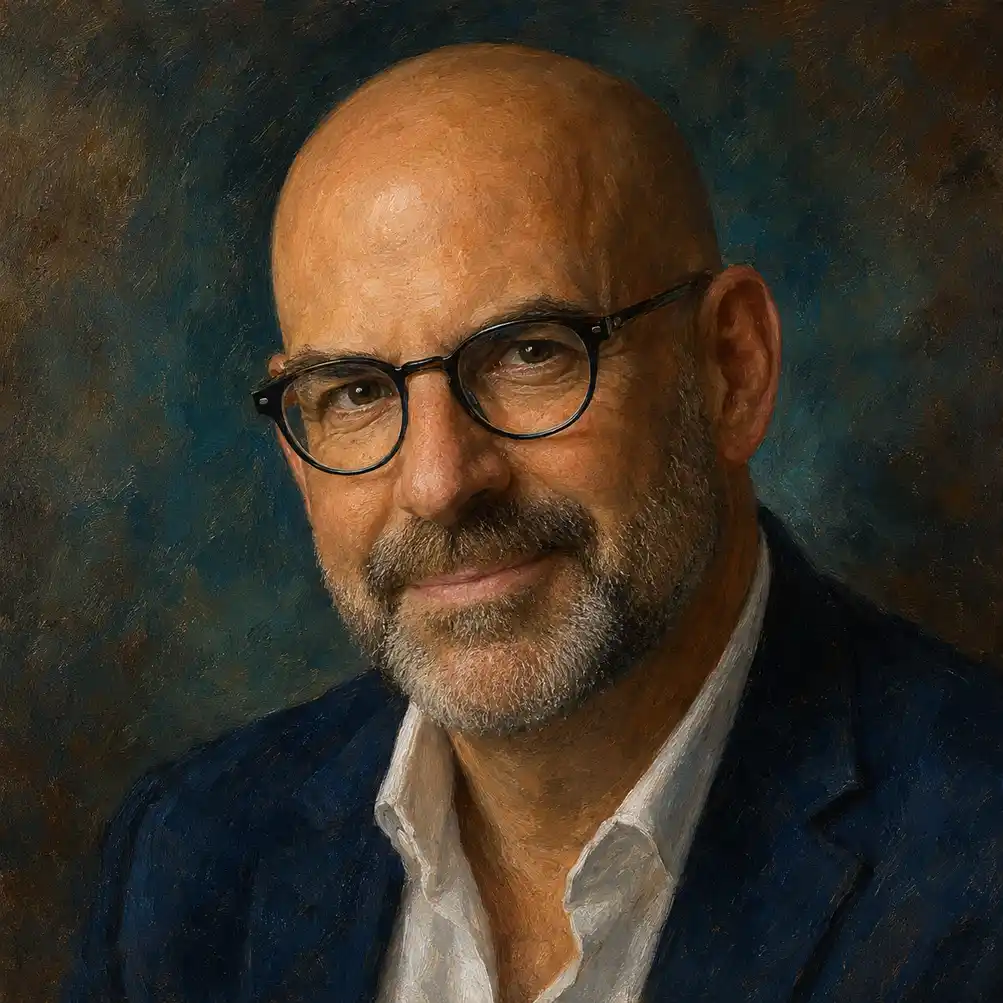
New Jersey as a Moral Landscape
Born in Newark on 4 January 1962, Harlan Coben grew up in Livingston, New Jersey, and still lives in the state. His fiction repeatedly returns to its affluent suburbs, highways, schools, sports facilities, wooded margins, and proximity to New York. The geography is familiar without becoming neutral.
Traditional noir often sends a detective into an obviously corrupt city. Coben works in places designed to look safe. Comfortable homes create communities where people know public roles but not private histories. Respectability screens guilt and fear.
This setting also changes the scale of danger. A conspiracy may reach across countries, yet the emotional center remains a kitchen, a marriage, or a child’s bedroom. Violence enters spaces that characters believed they had earned through work and care. The suburbs are not exposed as uniquely evil. They are exposed as unable to protect anyone from time.
Familiarity makes concealment more powerful. The writer understands that a secret feels most threatening when it belongs to someone whose habits seem completely known.
Amherst, Travel, and the First Bad Novel
At Amherst College, Harlan Coben studied political science rather than literature or creative writing. He graduated in 1984. During the summer before his final year, he worked as a tour guide on Spain’s Costa del Sol for his family’s travel business. The experience prompted him to write a novel.
By his own account, that manuscript was self-indulgent and unsuccessful. Its importance lay elsewhere. Completing it taught him that an idea differs from a functioning story and that desire does not remove the need for craft. He continued writing while working in the travel industry.
The apprenticeship was practical. He learned by finishing manuscripts, recognizing their failures, and trying again. Play Dead, published in 1990, was his fourth completed attempt. Miracle Cure followed in 1991. Both contain devices he later refined, including apparent death, romantic loss, and concealed identity.
Persistence came before a recognizable voice. The uneven early novels matter because they reveal a writer discovering that speed requires structure, and that surprise works only when emotion gives it consequences.
Grief Beneath the Plotting
The apparent normality of Harlan Coben’s early life was broken by repeated bereavement in his twenties. His father died suddenly of a heart attack in 1988 at fifty-nine. His mother and several other people close to him also died during that decade.
That experience helps explain why disappearance is rarely a neutral puzzle in his fiction. Families reorganize themselves around absence. When a missing person appears to return, hope becomes dangerous because survivors have built identities around loss.
In Tell No One, Missing You, The Boy from the Woods, and I Will Find You, the possibility that the dead or vanished remain accessible drives the plot. The wish is emotionally credible before the explanation becomes intricate.
Loss gives the twists their emotional voltage. His plots can become extravagant, but their strongest impulse is simple. Grieving people will risk reason and safety for the chance that separation was not final.
Deal Breaker introduced Myron Bolitar in 1995. A knee injury has destroyed Myron’s expected basketball career, and he now represents athletes while investigating trouble around them. The premise joins professional sport, private detection, and an enduring question about what remains after a public identity collapses.
The early series owes something to hard-boiled fiction, but Myron changes the model. He is physically capable without being emotionally detached. His parents, former lover Jessica, business partner Esperanza, and closest friend Windsor Horne Lockwood III matter as much as any case.
The Breakthrough of Tell No One
After seven Myron Bolitar novels, Harlan Coben wrote an idea that did not belong to the series. In Tell No One, physician David Beck receives evidence suggesting that his wife Elizabeth, murdered eight years earlier, may be alive. The premise became his decisive international breakthrough.
The novel concentrates his signature method. A private message opens a buried past. Love gives the protagonist a reason to believe the unbelievable. Authorities interpret his actions as guilt, forcing him to investigate while being pursued. Each answer changes the moral meaning of what came before.
The book moves quickly without treating feeling as decoration. David’s longing makes dangerous choices plausible. Readers want both a solution and an answer to whether a marriage can exist beyond an official death.
Guillaume Canet’s acclaimed 2006 French film adaptation demonstrated how readily the core story could move across cultures. Its success also anticipated Coben’s later global screen career.
The impossible return became his defining promise. Tell No One proved that the author could leave a recurring detective behind while preserving his distinctive emotional architecture.
Families Built from Partial Knowledge
Family is not merely a source of motivation in Harlan Coben’s novels. It is a system for controlling information. Parents hide earlier crimes to protect children. Spouses withhold facts to preserve marriages. Children misread sacrifices as betrayal. The resulting secrecy may begin in love, shame, fear, or self-interest, but time alters its effect.
Fool Me Once confronts a widow with footage of her murdered husband. The Stranger turns anonymous disclosures into attacks on domestic identity. Stay Close brings a former life into a respectable present. In Run Away, a father’s attempt to recover his addicted daughter uncovers histories far beyond the problem he thought he understood.
These stories reject the belief that intimacy produces complete knowledge. Years together create trust, yet give each person more to lose by correcting another’s assumptions. Revelation damages both liar and listener.
The writer of American Literature often restores some form of family, but not innocence. Survivors must decide whether love can continue after its shared narrative has changed. Protection and deception share a border.
Missing People in the Digital Age
Technology in Harlan Coben’s fiction promises access while multiplying uncertainty. An old photograph, dating profile, surveillance image, DNA match, social-media account, or encrypted message appears to defeat disappearance. Instead, it creates a new question about who produced the evidence and why.
Missing You uses an online dating service to bring detective Kat Donovan face to face with the image of a fiancé who vanished years earlier. The Stranger weaponizes private data. The Match makes genetic genealogy central to Wilde’s search for origin. Phones keep characters connected, but every connection can be monitored, fabricated, or misunderstood.
Coben translates technology into a domestic fear: the screen may know something about a loved one that the family does not. Digital evidence looks authoritative, yet its context remains open to manipulation.
This method keeps older themes current. The returning ghost no longer needs to knock at the door. It can appear as a profile suggestion or a face in a video. More information does not guarantee more truth. He uses technology to shorten the distance between past and present while making certainty harder to achieve.

How the Twists Actually Work
Harlan Coben usually knows his ending before he begins, but he does not rely on a detailed outline. He compares the process to driving toward California while remaining free to choose the route. That combination of destination and improvisation helps explain the controlled momentum of his novels.
The best twists revise a relationship. A victim becomes an accomplice, a protector causes harm, or an apparent betrayal becomes a sacrifice. Earlier scenes acquire a second meaning, producing surprise and retrospective recognition at once.
Coben also uses short chapters, interrupted conversations, alternating viewpoints, and late-stage revelations to regulate attention. Questions close chapters more often than descriptions do. Information arrives in portions small enough to produce movement but incomplete enough to sustain doubt.
The weakness of this system appears when reversal becomes an obligation. Too many hidden identities, false deaths, or last-minute explanations can make characters seem subordinate to machinery. A twist succeeds when it changes the heart of the story. Coben is strongest when surprise deepens grief, loyalty, or guilt rather than proving the reader wrong.
The speed of Harlan Coben’s fiction can obscure how much humor shapes it. The Myron Bolitar novels use banter, cultural references, family embarrassment, and Win’s unnerving elegance to prevent danger from hardening into a single tone. Even the stand-alone thrillers often give minor characters comic vanity or absurd confidence.
The comic instinct connects him to Robert B. Parker’s Spenser novels and the wisecracking investigator. Yet his voice favors conversational immediacy over verbal polish. His sentences disappear into the action.
From Adult Thrillers to Younger Readers
With Shelter, Seconds Away, and Found, Harlan Coben extended the Bolitar world through Myron’s nephew Mickey. The young-adult trilogy preserves missing people, family secrets, physical danger, and morally ambiguous allies, but changes the social pressure around them.
Mickey lacks the adult authority that might make institutions listen. School, friendship, grief, and dependence on unreliable adults shape his investigations. The series also lets generations overlap. Myron appears not as the sole center of the fictional world but as an uncle whose own history affects a younger protagonist.
He later published the picture book The Magical Fantastical Fridge. These departures do not rival his adult thrillers in cultural impact, yet they reveal a flexible idea of suspense.
The YA books also introduced the Bolitar universe to families reading across generations, an audience pattern that supports long-running series. Suspense begins with unequal knowledge. The author adjusts the danger for younger readers but retains the shock of realizing that adults concealed the world’s true shape.
The French adaptation of Tell No One showed that Harlan Coben’s premises could survive changes of language and setting. Later television made that portability into a system. Series based on his novels have been produced in Britain, France, Spain, Poland, Argentina, and the United States.
Localization changes more than street names. Law, family expectations, class signals, and landscape alter suspicion. The novelist lets screenwriters preserve the emotional premise while rebuilding the route to its solution.
The 2018 Netflix agreement accelerated the process. Productions such as The Stranger, The Woods, The Innocent, Fool Me Once, Missing You, Run Away, and I Will Find You turned his name into a recognizable international screen category. Some adaptations improve character emphasis; others intensify the least plausible features of the plots.
From Novelist to Television Architect
By 2026, Harlan Coben was no longer simply an author whose books happened to reach the screen. He had become a creator, executive producer, showrunner, and collaborator in original television. Safe, The Five, and Lazarus were conceived for television rather than adapted straightforwardly from novels.
This work changes his storytelling. A novel controls every revelation. A series distributes those decisions among screenwriters, directors, actors, and editors. The author must protect emotional pressure while accepting transformation.
The Netflix adaptation of I Will Find You became a major global success in 2026. At the same time, production began in New York on a Myron Bolitar series led by writers David E. Kelley and Kyle Long. That project may test whether the accumulated friendships of the books can create a durable screen world rather than another self-contained puzzle.
His forthcoming memoir and craft book, Plot Twist, announced for September 2026, makes the creative process itself part of the public project. The brand now extends beyond any single plot. Harlan Coben’s challenge is to preserve surprise and emotional specificity while working inside an industrial system built to reproduce successful forms.
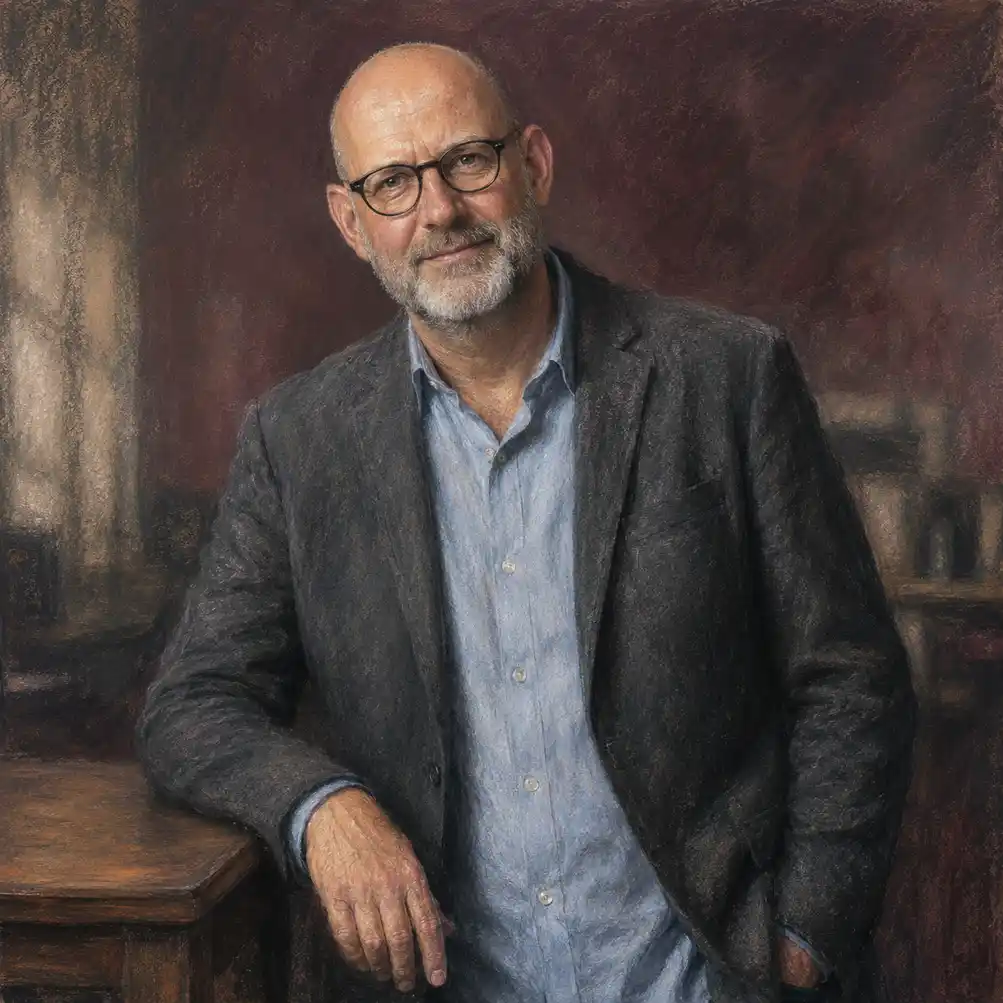
Missing People, Buried Pasts, and Perfect Lies: Essential Harlan Coben Novels
- Deal Breaker (Deal Breaker, 1995): Sports agent Myron Bolitar investigates the return of a missing woman connected to his client.
- Tell No One (Tell No One, 2001): Eight years after his wife’s murder, David Beck receives evidence suggesting she lives. Emotional loss and conspiracy produced Coben’s international breakthrough.
- Gone for Good (Gone for Good, 2002): Will Klein believes his fugitive brother murdered a former girlfriend until new disappearances undermine that certainty.
- The Innocent (The Innocent, 2005): Matt Hunter rebuilt his life after accidentally killing a man, but disturbing images revive danger.
- The Woods (The Woods, 2007): Prosecutor Paul Copeland confronts evidence his missing sister survived a summer-camp massacre. An old tragedy collides with a volatile contemporary trial.
- Hold Tight (Hold Tight, 2008): Parents secretly monitor their troubled son’s computer after another teenager’s suicide. Suburban protection rapidly becomes surveillance, mistrust, and a network of intersecting dangers.
- Shelter (Shelter, 2011): Teenager Mickey Bolitar searches for his vanished girlfriend while questioning his father’s death. The young-adult series extends his suspense into grief, friendship, and high school.
- Six Years (Six Years, 2013): Jake Fisher promised to leave his former lover alone, then discovers her supposed husband has died. Romantic fixation opens an elaborate conspiracy of erased lives.
- The Stranger (The Stranger, 2015): An anonymous man reveals a devastating secret about Adam Price’s wife. One disclosure unravels a suburban family and exposes a business built on weaponized truth.
- Fool Me Once (Fool Me Once, 2016): Former combat pilot Maya sees her murdered husband on a nanny camera. Trauma, wealth, and family corruption drive one of his most widely adapted thrillers.
Writers Who Shaped Harlan Coben
- William Goldman provided an early revelation through Marathon Man. Harlan Coben has recalled the exhilaration of being unable to stop turning its pages. Goldman demonstrated that intellectual conspiracy, physical danger, and personal vulnerability could operate inside the same popular narrative.
- Stephen King’s The Shining offered another formative experience of compulsive reading. Its importance lies less in supernatural imitation than in the way family intimacy and an enclosed, apparently protective space become sources of terror.
- Raymond Chandler stands behind the early Myron Bolitar books. The private investigator’s wit, moral independence, and movement between social worlds remain visible, even though he relocates the pattern from Los Angeles noir to sport and suburban New Jersey.
- Robert B. Parker exerted the clearest influence on Myron’s conversational voice. The novelist read the Spenser series in college and has openly acknowledged its impact. The friendship between Spenser and Hawk also supplies a useful precedent for Myron and Win, two men joined by loyalty but divided by their tolerance for violence.
- Philip Roth is his declared favorite writer. The influence is indirect but important: Roth’s Jewish American families, comic discomfort, New Jersey settings, and unstable self-presentations show how local identity can carry large moral tensions without losing irreverence.
Together, these writers helped the writer join two energies often kept apart: the private investigator’s forward motion and the family novel’s argument with memory. He borrows no single model intact.
Writers Whose Work Harlan Coben Shaped
- Gillian Flynn has named Harlan Coben among the crime writers who influenced her. Her fiction is darker and more corrosive, yet Gone Girl shares his interest in marriages built from competing narratives and revelations that force readers to reinterpret earlier loyalties.
- Mark Edwards has identified him, alongside Linwood Barclay, as an influence on No Place to Run. Edwards adapts the pattern of extraordinary danger entering an ordinary person’s life, using family vulnerability and rapid reversals while maintaining his own British psychological focus.
- Steve Cavanagh includes Coben among the writers who shaped him. The Eddie Flynn novels move more deeply into courtroom performance, but their speed, underdog protagonists, and conversion of apparently final situations into new threats reflect a shared page-turning ethic.
- Reese Witherspoon offers a rare instance of direct, two-way influence. In co-writing Gone Before Goodbye, she brought a character idea and experience from a military family, while he helped develop the thriller architecture. The resulting novel belongs to neither writer’s established method alone.
- Screenwriter Danny Brocklehurst has repeatedly translated Coben’s designs into television and co-created original projects with him, including Safe and Lazarus. Their collaboration helped establish the localized, ensemble-driven form now associated with Coben on screen. This is adaptation as sustained authorship, not passive transcription.
Heart Before the Twist: Harlan Coben in Sharp Quotes
- “You can fix bad pages. You can’t fix no pages.” Imperfect writing creates something that revision can improve. An empty page offers no such possibility.
- “An idea is not a plot.” Inspiration only begins the process. Harlan Coben considers development and structure the real work.
- “I usually know the ending before I start.” A fixed destination allows him to improvise the route without losing narrative direction.
- “I have to stir your heart or a book doesn’t work for me.” Suspense alone cannot sustain his thrillers. Readers must care about the people threatened by each revelation.
- “Love and family are my big things.” Domestic bonds explain why he repeatedly places ordinary households under extraordinary pressure.
- “My regimen is to not have a regimen.” He changes locations and routines whenever a previously productive method stops working.
From Tour Buses to Global Thrillers: Twists in Harlan Coben’s Story
- New Jersey shaped his fictional world: Harlan Coben was born in Newark and graduated from Amherst College in 1984 with a political science degree. He played college basketball, which later helped inspire the sporting world surrounding Myron Bolitar. The 🌐 Amherst profile confirms his education and early travel-industry career.
- A chaotic summer awakened the writer: In 1983, he worked as a tour guide on Spain’s Costa del Sol. Violence, nightlife, and the strange intimacy of group travel inspired his first serious attempt at fiction.🌐 CrimeReads reconstructs this decisive summer.
- Myron Bolitar began as wish fulfilment: The former basketball player turned sports agent possesses abilities Coben jokingly wished he had. Yet later books created tension between author and character. Myron modernizes the private-detective tradition associated with 👉 The Hound of the Baskervilles by Arthur Conan Doyle.
- One standalone changed everything: The author temporarily left Myron behind because a new idea did not suit the character. The result was 👉 Tell No One by Harlan Coben. Guillaume Canet’s French adaptation later received nine César nominations and won four, including Best Director. 🌐 Film record
- Three major crime awards made history: The writer became the first writer to win the Edgar, Shamus, and Anthony awards. His combination of intricate plotting and emotional stakes distinguishes him from pure puzzle writers, although readers can compare his misdirection with 👉 The Murder of Roger Ackroyd by Agatha Christie.
- His stories now form an international screen universe: His official biography records more than 100 million books in print and publication in 46 languages. By July 2026, Netflix had produced thirteen adaptations in six countries. I Will Find You alone entered the platform’s all-time most-popular list with more than 101 million views. 🌐 Netflix
Where to Begin with Harlan Coben
The best entry depends on which form of suspense a reader wants. Tell No One remains the clearest introduction to Harlan Coben’s stand-alone method. It combines romantic loss, apparent return, pursuit, and moral revision without requiring knowledge of a series.
For domestic unease, The Stranger shows how one disclosure can infect an entire community. Fool Me Once offers a more concentrated example of visual evidence colliding with grief. Readers interested in the darker limits of parental loyalty should try Run Away.
The Myron Bolitar books work differently. Begin with Deal Breaker, then continue through Fade Away and Darkest Fear, where sport, family, and identity converge. Think Twice rewards knowledge of the accumulated history. Win is a useful counterportrait, not the ideal first meeting.
Younger readers can start with Shelter. Those primarily familiar with television should read the source novel after an adaptation and compare which secret survived relocation.
Choose by emotional question, not twist count. The most satisfying route through Harlan Coben’s work follows grief, family, friendship, or identity rather than treating every book as an interchangeable puzzle.
The Past as an Active Force
Across more than three decades, Harlan Coben has refined a thriller built from temporal collision. The present looks stable because families and communities agree, often silently, on what happened before. Suspense begins when a photograph, message, body, witness, or returning person breaks that agreement.
His prose seeks speed, his chapters create appetite, and his reversals keep interpretation moving. Beneath that craft lies an understanding shaped by loss: absence changes the living, and restoration cannot return them to who they were.
The limitations are equally clear. Repeated resurrections and expanding conspiracies can reduce human complexity to mechanism. Yet when Harlan Coben binds a twist to a specific wound, surprise becomes more than entertainment. It forces characters to decide which version of love, loyalty, or guilt they can still inhabit.
The truth arrives too late to leave life unchanged. That principle links New Jersey suburbia, Myron Bolitar, global streaming dramas, and every impossible message from someone believed gone. His enduring subject is not hidden information. It is the cost of finally receiving it.