💰 What are the most lucrative book genres?
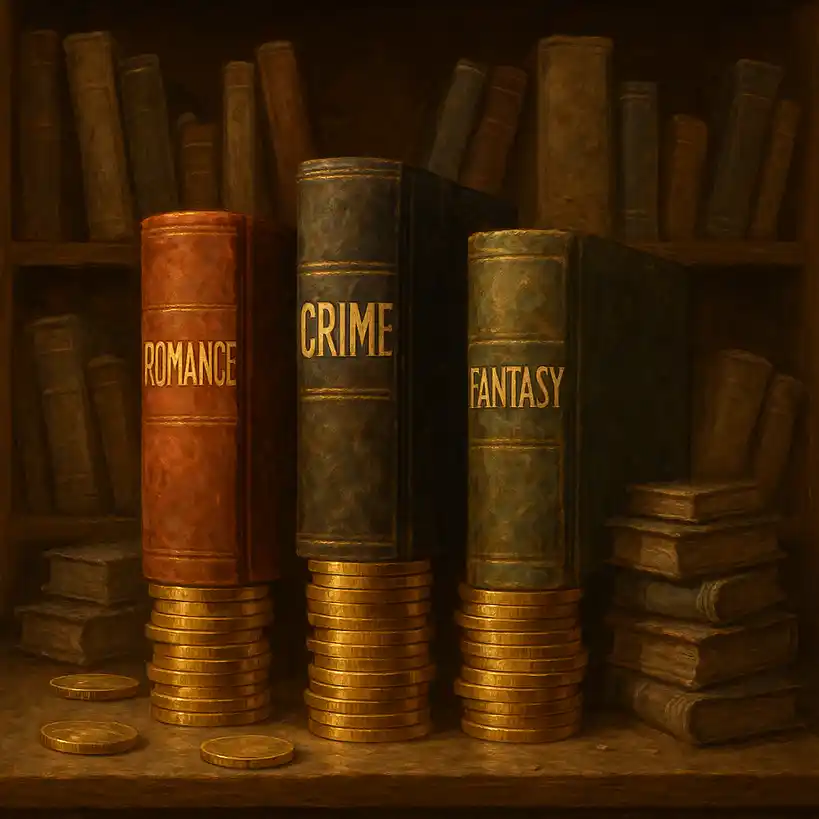
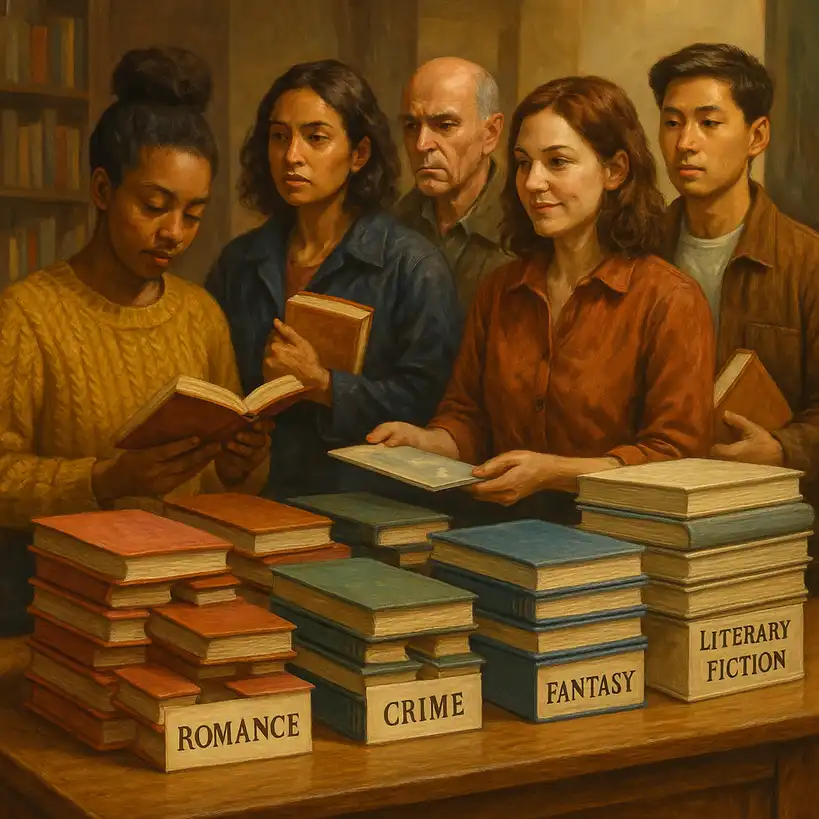
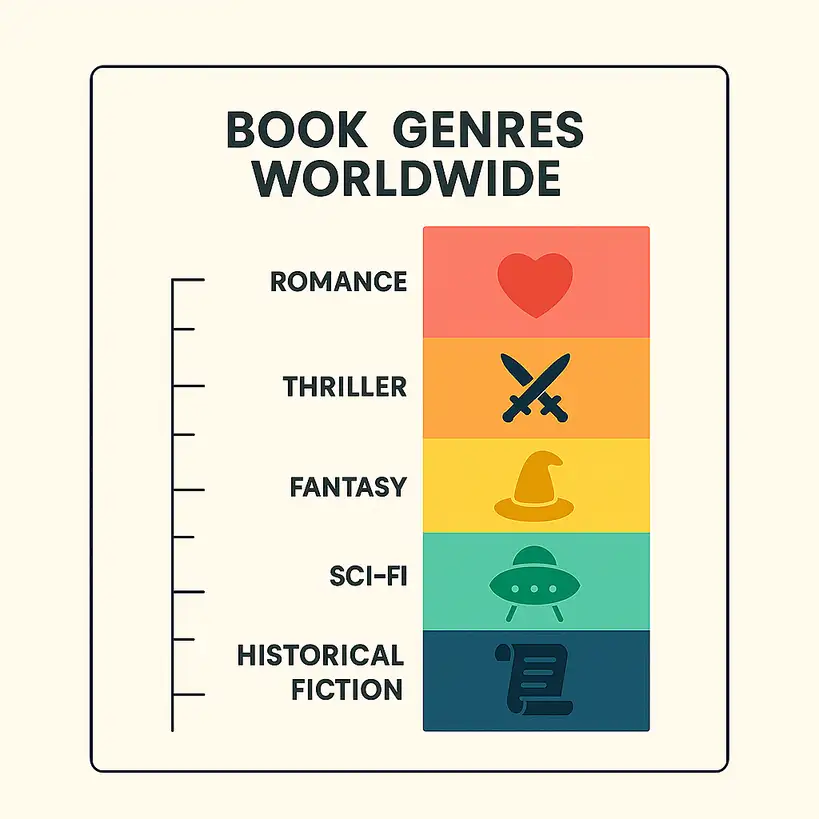
When we look at the most lucrative book genres, three categories dominate the market: romance, crime/thriller, and fantasy. These genres generate the highest revenue through a mix of traditional book sales, digital platforms, and adaptations for film and television.
Romance leads in volume and consistency. It sells in huge numbers across both print and digital markets, particularly in self-publishing and subscription models like Kindle Unlimited. Romance readers are loyal, fast, and repeat buyers, which drives steady profit.
Crime and thriller fiction performs best in traditional publishing. It often leads international bestseller lists and translates well across languages and cultures. Thrillers dominate print and audiobook markets and frequently become successful TV series or films.
Fantasy delivers blockbuster results through series and adaptations. Major franchises like Harry Potter, The Lord of the Rings, and A Song of Ice and Fire show the long-term profitability of expansive fantasy worlds. Beyond book sales, fantasy thrives in licensing, merchandise, and multimedia.
Other profitable genres include science fiction, historical fiction, and young adult (YA), especially where cross-media adaptations boost reach. The key factor? These genres create communities, invite repeat reading, and offer strong potential for spin-offs — making them not just popular, but highly lucrative.
🕵️♂️ Heinrich Heine and the Long Shadow of Popular Fiction
Heinrich Heine is best remembered for poetry, but he knew something timeless about the literary market: readers follow their hearts — and their curiosity. In Heine’s time, crime and mystery stories were already gaining popularity. Sensational plots, shocking twists, and dramatic finales attracted mass audiences.
Heine understood the tension between art and commerce. He often mocked literary trends but recognized what made books sell. Crime fiction, then as now, thrives on familiarity and suspense. It hooks readers, keeps them turning pages, and invites them back for more. That formula didn’t change.
Today, crime and thriller novels dominate the bestseller lists. They’re among the most lucrative genres globally because they translate easily across markets. Whether it’s a Scandinavian noir or a British detective story, the appeal is universal: puzzle, danger, solution.
Publishers know this. They invest heavily in thrillers because the returns are steady. Print, digital, audio — crime sells in every format. From Heine’s sharp observations to modern police procedurals, the genre’s financial success is no accident. It’s built on centuries of knowing exactly what readers want.
🔮 Hermann Hesse and the Unexpected Value of Fantasy
Hermann Hesse didn’t write traditional fantasy, but his novels often venture into surreal, symbolic worlds. Steppenwolf and The Glass Bead Game blur the line between reality and imagination. Hesse understood the power of escapism, and the market has followed.
Fantasy thrives because readers want immersion. They want worlds bigger than their own, filled with quests, magic, and meaning. Hesse offered that in a philosophical key. Modern fantasy delivers it through epic series and sprawling universes. Both tap into the human need for stories that expand reality.
Fantasy’s financial strength lies in loyalty. Readers don’t just buy a book, they buy into a world. They return for sequels, spin-offs, adaptations. Publishers recognize this. That’s why fantasy is a cornerstone of the industry, fueling games, films, and merchandise.
Hesse’s blend of inner journey and outer symbolism shows why fantasy succeeds: it speaks to readers’ imaginations and emotions. Today’s bestselling fantasy does the same, on an even grander scale.
❤️ Pablo Neruda and the Quiet Power of Romance
Pablo Neruda is rarely mentioned alongside blockbuster genres. But his poetry (well known for Canto General or Ode to the Cat )shows how love, in all its forms, remains literature’s most enduring seller. Romance, whether poetic or novelistic, taps into universal emotions. And that translates to consistent, long-term revenue.
Romance dominates e-book markets. It thrives in self-publishing. It leads subscription platforms. Its fans are loyal, fast readers who consume multiple books monthly. Romance also adapts well into film and television, widening its reach and profitability.
Neruda’s love poems — passionate, vulnerable, timeless — highlight the emotional depth that makes romance so commercially strong. Readers want connection, catharsis, and hope. Romance delivers. Again and again.
What’s often overlooked is how romance sustains publishing houses. While literary fiction wins prizes, romance pays the bills. Its steady performance funds riskier titles. Its loyal audience keeps entire sectors afloat. So whether through Neruda’s whispered lines or today’s digital love stories, romance remains literature’s quiet economic powerhouse.
🕵️♂️ Georges Simenon and the Never-Ending Profit of Crime Fiction
Georges Simenon didn’t invent the detective story, but he perfected the art of writing them fast — and making them sell. His Maigret novels are proof that crime fiction isn’t just popular; it’s a business model. Over 500 million copies sold worldwide. Translated into dozens of languages. Adapted into radio, film, and television countless times.
Simenon knew why crime sells. Readers crave puzzles, suspense, and resolution. They return to familiar detectives like old friends. They trust the genre to deliver. That trust translates directly into revenue. Thrillers and mysteries dominate global bestseller lists for a reason — from Simenon’s quiet investigations to today’s psychological thrillers.
Crime fiction works well across cultures, too. A dead body, a clever inspector, a twist ending — these need no translation. That’s why publishers keep investing in crime. It sells in hardcover, paperback, e-book, and audiobook. It adapts easily to streaming platforms hungry for gripping content. Simenon’s legacy shows how one genre can create a lifetime of profit. And why crime fiction remains one of publishing’s most lucrative genres.

📚 André Gide and the Literary Market That Rarely Pays
André Gide won the Nobel Prize. His books shaped generations of writers. But he never wrote to chase money. He wrote to provoke, to question, to unsettle. His success was critical, not commercial. And that’s the story of literary fiction — a genre respected, but rarely lucrative.
Literary fiction wins awards. It earns admiration. But it doesn’t sell like crime, fantasy, or romance. Publishers keep publishing it because it shapes reputation, not revenue. André Gide’s work proves the point. Books like The Immoralist or The Counterfeiters broke ground. They didn’t break sales records.
That’s why literary fiction often relies on grants, subsidies, or prize funding. It carries cultural weight but not financial strength. It’s a genre of prestige, not profit. Even today, a bestselling literary novel might sell 50,000 copies. A midlist thriller could sell ten times that.
Gide’s example shows the tension clearly: literature can matter deeply and still not make money. That’s why publishers balance lists. For every daring literary experiment, they need a reliable crime novel or a fantasy trilogy.
In the end, Gide reminds us that literary value and financial value rarely align. The most lucrative genres build worlds and deliver thrills. Literary fiction builds ideas — and trusts readers to catch up later.
🔮 J.R.R. Tolkien and the Billion-Dollar Fantasy World
No list of lucrative genres is complete without J.R.R. Tolkien. His The Lord of the Rings changed fantasy forever — and proved its earning power. The books sell millions yearly. The films became global phenomena. The merchandise spans everything from board games to jewelry.
Tolkien’s success revealed something crucial about fantasy: it’s not just about books. It’s about world-building. Readers don’t just read fantasy — they live in it. They re-read, re-watch, collect, cosplay, and theorize. This devotion feeds entire industries, from publishing to gaming to streaming.
Fantasy’s financial strength lies in scale. A successful series spawns spin-offs, adaptations, and endless merchandise. Publishers know this. That’s why fantasy remains one of the most funded and promoted genres in the market. It sells across formats — print, digital, and audio — and grows with every generation of readers. Tolkien’s Middle-earth didn’t just inspire writers. It inspired business models. Today’s fantasy franchises owe him everything, and their profits prove it.
Asking for more than What are the most lucrative book genres?





Review Recommendations while searching What are the most lucrative book genres?