📚 What is the least popular genre of books?
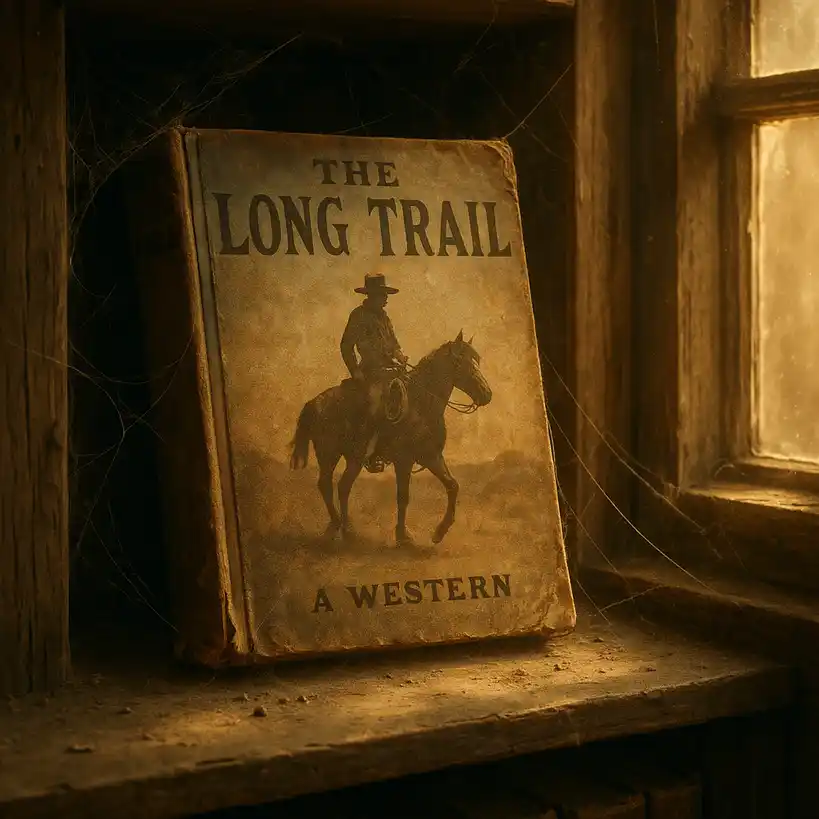
When people ask about the least popular genre of books, the answer points to a once-beloved but now mostly forgotten category: Western fiction. In the mid-20th century, Westerns filled bookstore shelves and cinemas. Stories of cowboys, sheriffs, and outlaws captured the imagination of generations. Today, they’ve lost most of their audience.
Western fiction is now considered one of the weakest performers in publishing. Sales are low. Few new titles appear each year. Even reprints focus more on collectors than readers. The Western feels trapped in the past — both in its themes and its readership.
That doesn’t mean the genre is dead. It still has a loyal niche audience. Some writers keep trying to modernize the Western, blending it with fantasy, horror, or dystopia. Others bring more diverse voices into the frontier — something the genre lacked for decades.
But in terms of mainstream popularity, Westerns now sit at the bottom. Crime fiction, romance, fantasy, and thrillers dominate shelves. Even science fiction, once considered niche, far outpaces Westerns in sales and cultural relevance.
Genres fade for many reasons. Tastes change. Audiences shift. But in this case, the Western seems to have ridden off into the sunset — leaving space for new stories to take its place.
🐎 Bertolt Brecht and Why Westerns Miss the Point
Bertolt Brecht never wrote a Western. But he understood the power of genre. He used theater to question society, not to entertain with simple heroes. Westerns, with their black-and-white morality, would have bored him. For Brecht, stories weren’t there to comfort people — they were there to make them think.
In the golden age of Westerns, Brecht was writing plays like Mother Courage and Her Children. His work showed the messy, gray areas of war and survival. No quick shootouts. No lone cowboy saves the day. Just hard choices and consequences.
That’s part of why Westerns faded. Audiences grew tired of easy answers. They wanted complexity. They wanted realism. Brecht’s ideas about storytelling helped shape modern expectations — we look for nuance now, not heroes in white hats.
The Western stayed still. Brecht’s influence kept moving forward.
Today, we might ask: what would Brecht have done with a Western? He probably would have broken it apart. Questioned its myths. Exposed the lies it told about justice and power. And maybe that’s why Westerns feel outdated now. They tell simple stories in a world that knows better.
🏜️ Gabriel García Márquez and the Real Frontiers
Gabriel García Márquez didn’t write about the Wild West. But his magical villages, corrupt generals, and impossible love stories shared something with the Western: landscapes filled with heat, dust, and fate. Yet Márquez flipped the script. He showed that frontiers aren’t just about guns. They’re about history, politics, and memory.
In One Hundred Years of Solitude, violence isn’t clean or heroic. It spreads like rot through generations. His characters don’t ride into town to set things right. They get caught in something bigger than themselves — time, family, tragedy.
That’s part of why Márquez’s work feels timeless, while the Western feels stuck. He took the bones of frontier storytelling and made something new. Something layered. Something strange. Readers loved it because it spoke to real experiences, not just dusty myths.
Márquez reminds us that genres survive when they adapt. Westerns didn’t. They stayed locked in one image: the cowboy, the outlaw, the sheriff. The world moved on.
So while Westerns faded, writers like Márquez thrived — turning old ideas into new kinds of stories. That’s how literature stays alive.
🤠 Oscar Wilde and the Genre of Pretending
Oscar Wilde lived far from the American frontier. But he understood masks, performances, and the roles people play — things Westerns often took too literally. In Wilde’s world, everything was theater. In Westerns, everything tried to be “authentic.” That’s where Wilde would have laughed.
Wilde exposed the absurdity of rigid roles. A cowboy with a code? A sheriff with a pure heart? In Wilde’s plays, such characters would be punchlines. He believed people are never just one thing. We switch roles. We lie and we perform.
That’s one reason Westerns feel dated. They rely on archetypes. Good vs. bad. Lawman vs. outlaw. But modern readers want complexity. Wilde’s work shows why. He made us question appearances. He showed that behind the mask, things are rarely simple.
If Wilde had written a Western, it would have been ironic. Campy. Full of winks to the audience. That’s not what traditional Western fans wanted. But maybe it’s what the genre needed to survive.
In the end, Wilde’s playful spirit reminds us: genres fade when they take themselves too seriously. Literature, like life, works best when it knows how to change — and how to laugh at itself along the way.

🔥 Ray Bradbury — The Cowboy with a Typewriter
Ray Bradbury is famous for Fahrenheit 451 and his visionary science fiction worlds. But what many people don’t realize is how much he loved Westerns as a child. Cowboys, dusty streets, and lonely heroes filled his imagination long before he ever wrote about firemen burning books.
Bradbury grew up in the 1920s and 30s when Westerns ruled American cinemas and newsstands. He soaked it all in. That world of wide-open spaces and tough moral choices shaped his early ideas of storytelling. Even as he moved into science fiction, a part of the Western frontier stayed with him.
But Bradbury didn’t follow genre rules. He blended styles, broke expectations, and mixed the nostalgic with the futuristic. Sometimes, his stories carried the sadness of the fading Wild West — not through shootouts, but through themes of loss, change, and the passing of time.
He once said: “I don’t predict the future. I try to prevent it.” That could apply to Westerns too. Perhaps if the genre had evolved, if it had dared to question itself like Bradbury did, it might have stayed relevant.
Bradbury understood that nostalgia alone isn’t enough. Stories must adapt, surprise, and reflect the present. The Western didn’t — and so, while Bradbury’s books live on, the cowboy has mostly ridden off into the past.
Asking for more than What is the least popular genre of books?
How many Harry Potter books are there?
🧙 How many Harry Potter books are there? Sometimes the question arises: How many Harry Potter books are there? There…
📚 Famous Book Series: Facts & Figures Some stories don’t end after one book. They expand and they build worlds….
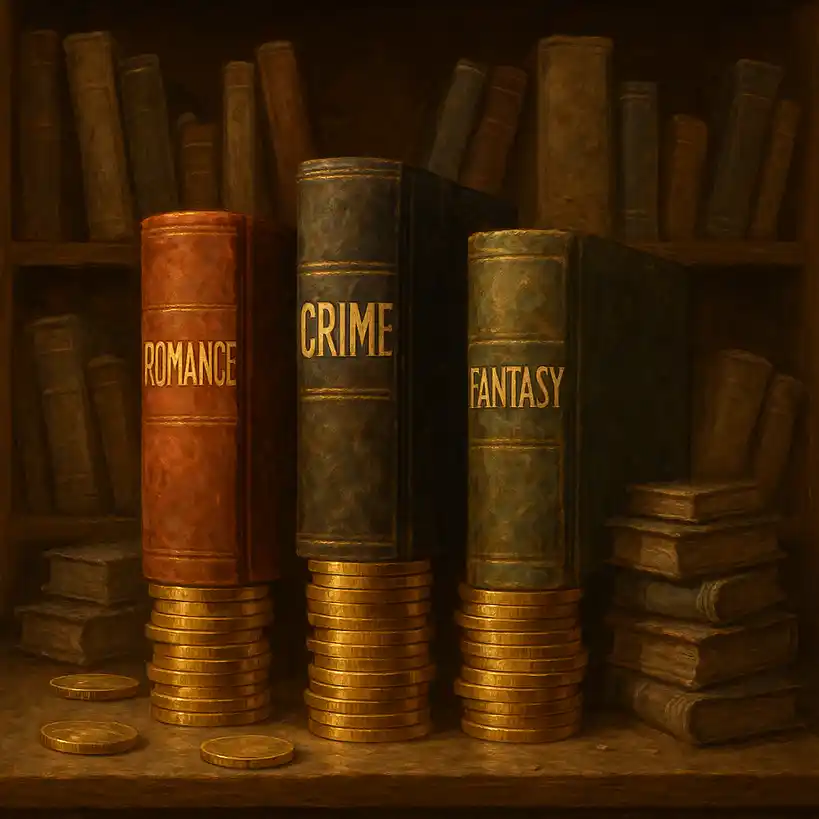
What are the most lucrative book genres?
💰 What are the most lucrative book genres? When we look at the most lucrative book genres, three categories dominate…
What is the most popular genre of books?
What is the most popular genre of books? The most popular genre of books in the world is romance. Year…
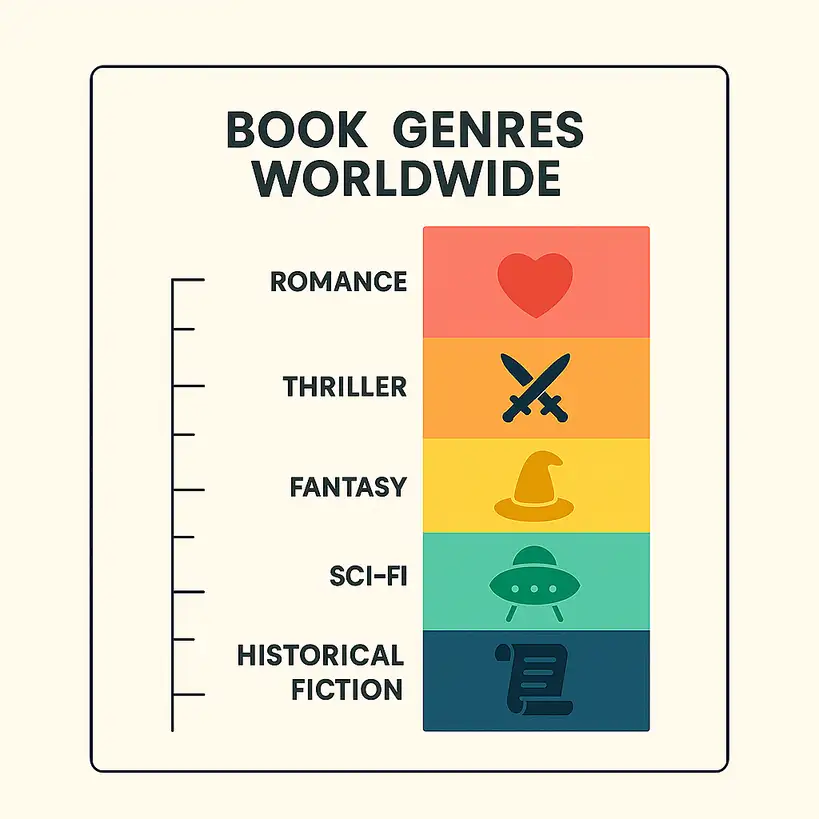
What Makes a Book Genre So Useful? When we talk about a book genre, we’re really talking about patterns. Stories…
What Is the Longest Novel Ever Written (by Word Count)?
What Is the Longest Novel Ever Written (by Word Count)? The longest novel ever written — by word count —…
Review Recommendations while searching What is the least popular genre of books?

Auto-da-Fé by Elias Canetti: The Madness of Isolation Reading Auto-da-Fé by Elias Canetti was an intense and, at times, unsettling…
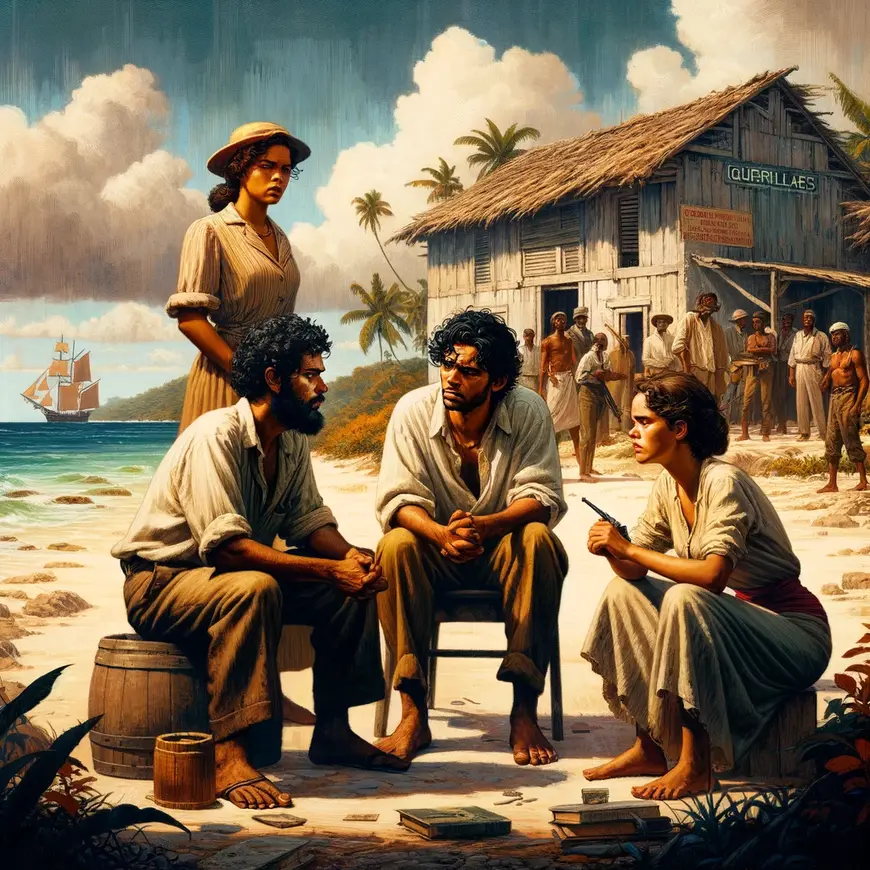
V. S. Naipaul’s Guerrillas – A Haunting Tale of Revolution My Learnings from Reading GuerrillasWhen I delved into the novel…

Existentialism is a Humanism by Jean-Paul Sartre What I take away from Existentialism is a HumanismJean Paul Sartres work was…
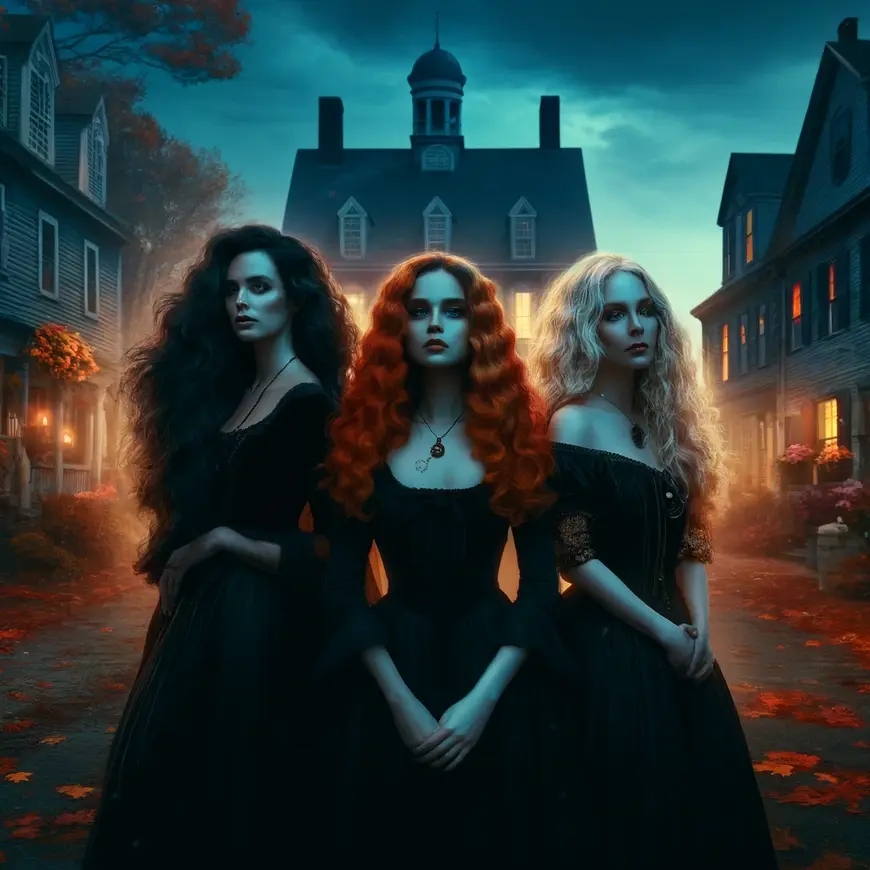
The Witches of Eastwick by John Updike – A Blend of Feminism My Thoughts on The Witches of EastwickReading the…
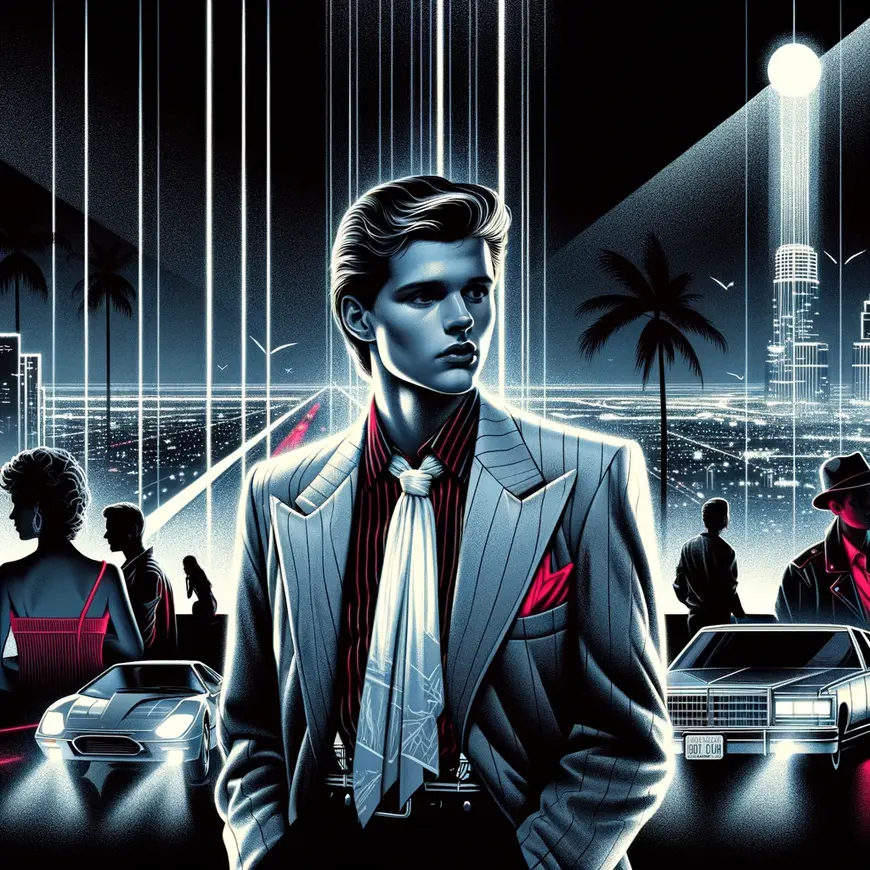
Less than Zero by Bret Easton Ellis: Exploring the Depths of Despair Short review: My thoughts on Less Than ZeroAfter…
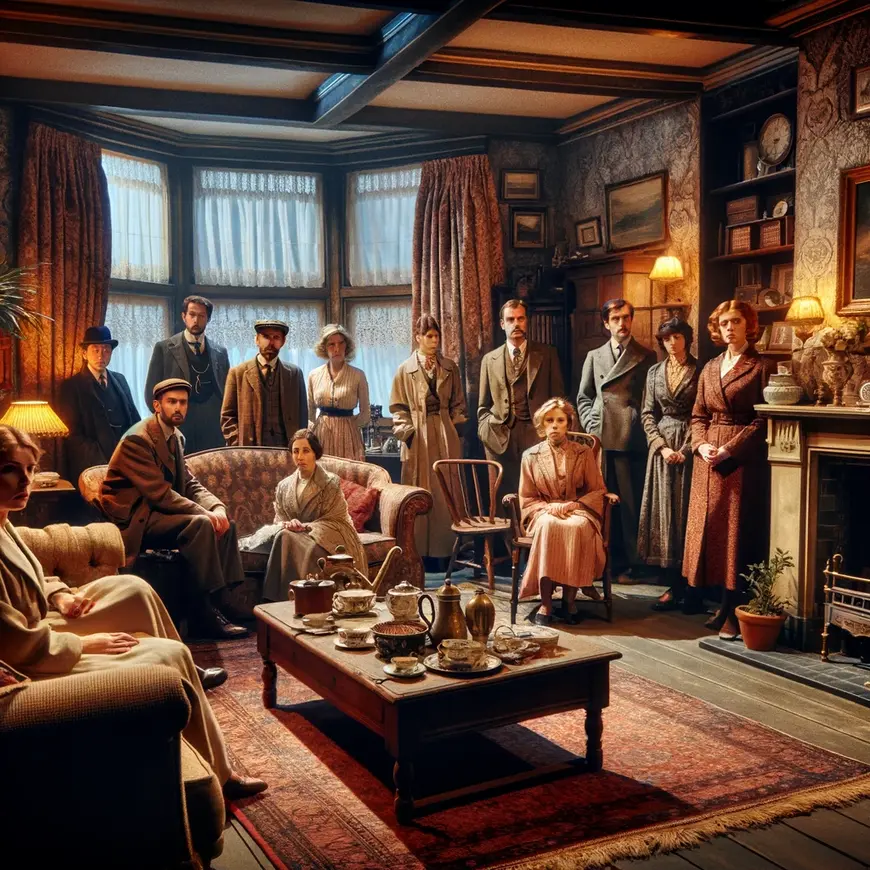
Christie’s The Mousetrap – A Thrilling Journey into Murder My Learnings from The MousetrapReading this novel was chiefly thrilling and…

William Tell by Friedrich Schiller – The Arrow of Freedom Reading William Tell by Friedrich Schiller was like watching a…
Moderato Cantabile by Duras – of Desire and Obsession Marguerite Duras’ Moderato Cantabile is a novel that resists easy categorization….
Rabbit, Run by John Updike and the Weight of Escape Rabbit, Run by John Updike is a restless journey through…
William Golding’s The Paper Men – Unfolding Complexity My Summary on The Paper MenReading William Golding’s novel proved to be…
The Possessed by Albert Camus: the Abyss of Absurdity What I learned from The Possessed by Albert CamusReading the book…
In the Penal Colony by Franz Kafka – A Journey into Punishment My Thoughts on In the Penal Colony –…
A Journey Into Shakespeare: Gertrude and Claudius by Updike My Thoughts on Gertrude and ClaudiusThe novel by John Updike transported…
Orlando by Virginia Woolf: Through Gender and Identity Quick Summary: My Thoughts on OrlandoReading Virginia Woolfs semi-biographic work was truly…
Love in the Time of Cholera by Gabriel Garcia Marquez My summarized Thoughts Love in the Time of CholeraThe novel…