Budapest – tension turns into a game of mirrors
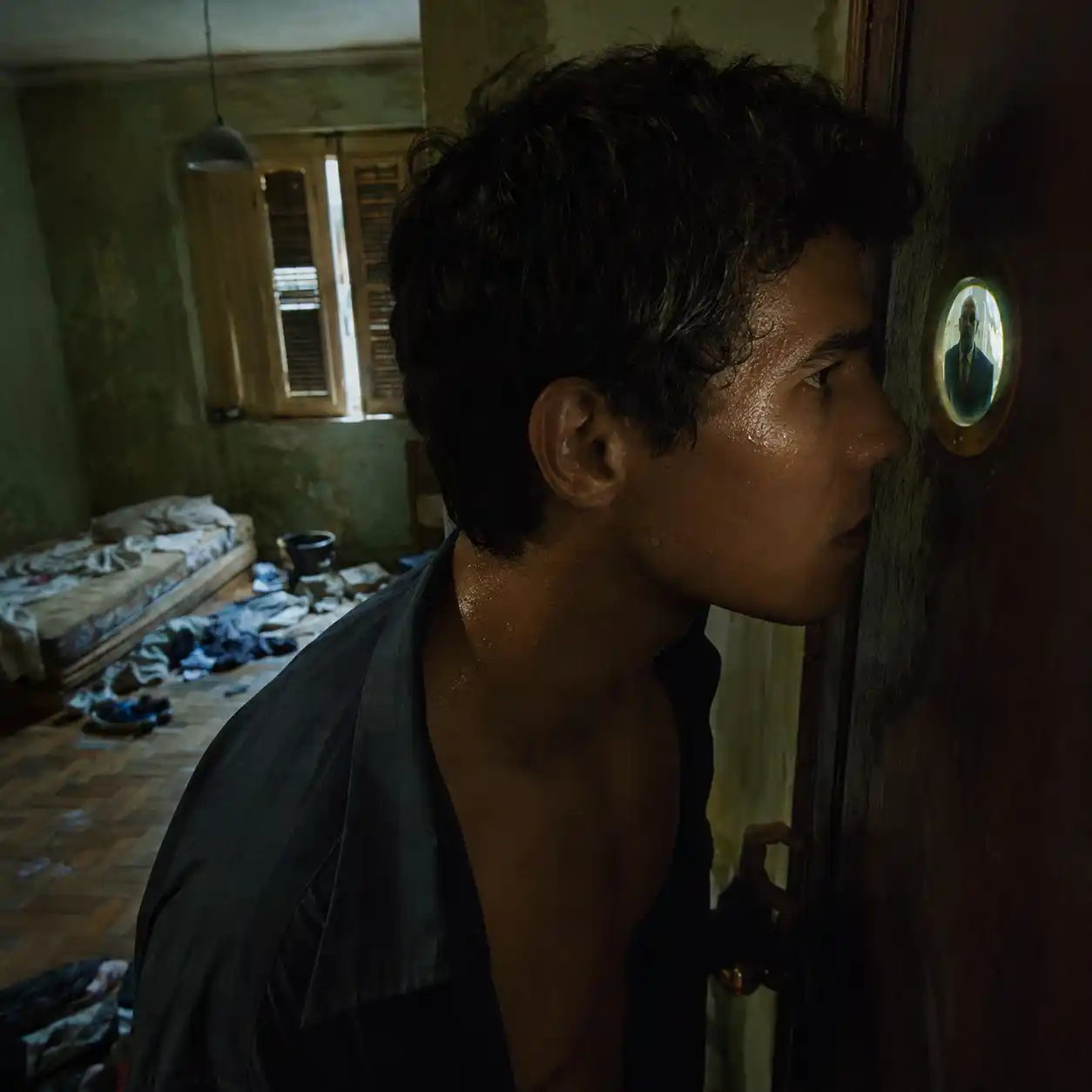
Budapest begins with a man trained to disappear. Chico Buarque gives us José Costa, a professional ghostwriter in Rio de Janeiro who writes speeches, articles and books for other people. His talent depends on invisibility. He must create voices that sound like someone else, then step back while others receive the applause. That premise gives the novel its cleverest wound: José is skilled at language, but uncertain about who he is when language no longer belongs to him.
His profession is comic and lonely at once. A ghostwriter has power without recognition. He can shape reputations, careers and desires, yet his own name remains hidden. José’s vanity suffers from this arrangement. He wants anonymity because the work requires it, but he also wants proof that his intelligence matters. Authorship becomes a form of absence.
The novel turns that tension into a game of mirrors. José writes lives for others, then begins to lose the firm outline of his own. His marriage to Vanda, his work with Álvaro and his routines in Rio form one life. The accidental arrival in Budapest opens another. Soon the man who writes in borrowed voices begins to borrow himself from another language.
That is why Budapest feels light and unsettling at the same time. Its comedy hides an identity crisis. José does not simply travel. He enters a linguistic trap where every new word promises rebirth and every rebirth threatens erasure.
Rio, Budapest and the divided map
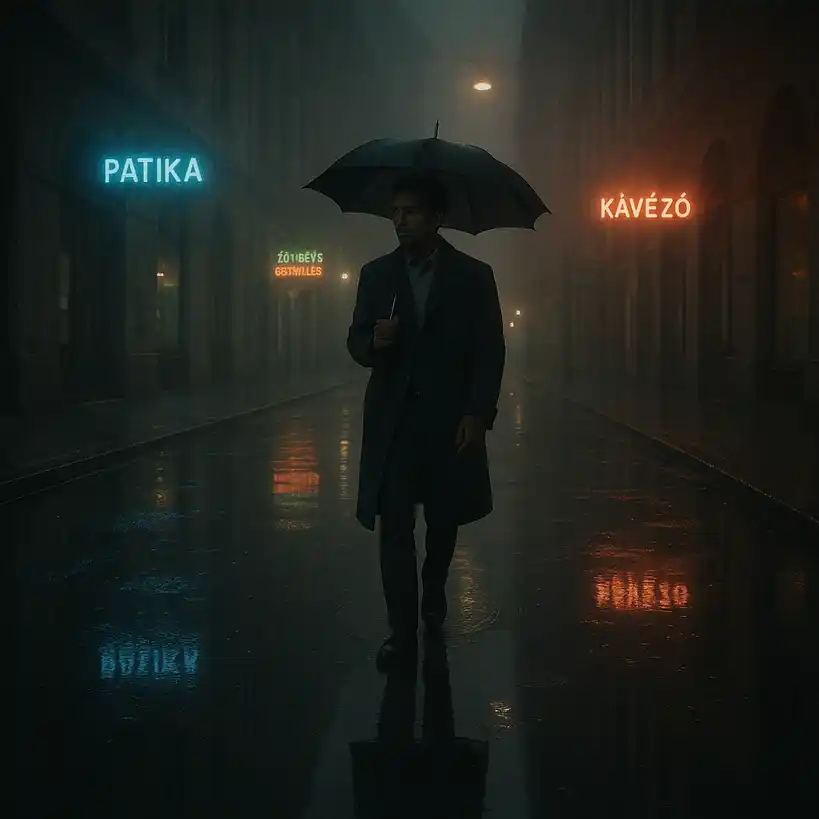
The two cities in Budapest are not simple opposites. Rio de Janeiro is José Costa’s known world, but it is not stable. It contains work, marriage, television, literary vanity and professional secrecy. Budapest is foreign and seductive, but it is not pure escape. It gives José the thrill of beginning again, while also exposing how easily identity can be remade by sound, desire and misunderstanding.
This divided map gives the novel its elegant structure. José moves between cities as if moving between drafts of himself. In Rio, he is husband, father, business partner and hidden author. In Budapest, he becomes Zsoze Kósta, a name reshaped by pronunciation and intimacy. The new name is funny, but also serious. It marks the beginning of another self.
The author does not write travel fiction in the ordinary sense. Budapest is less a tourist destination than a linguistic fever. The city exists through strangeness: signs, voices, lessons, names and the opaque music of Hungarian. A foreign city becomes a second grammar of desire.
The two-city structure has a distant but useful echo in 👉 A Tale of Two Cities by Charles Dickens. Dickens uses two cities to stage history, revolution and sacrifice. The writer uses two cities to stage identity, language and authorship. The scale differs greatly, but both works understand that a divided geography can split a life.
In Budapest, the map is emotional before it is geographical. José does not simply belong to two places. He becomes unstable because each place teaches him to speak, desire and remember differently.
Hungarian as a beautiful impossibility
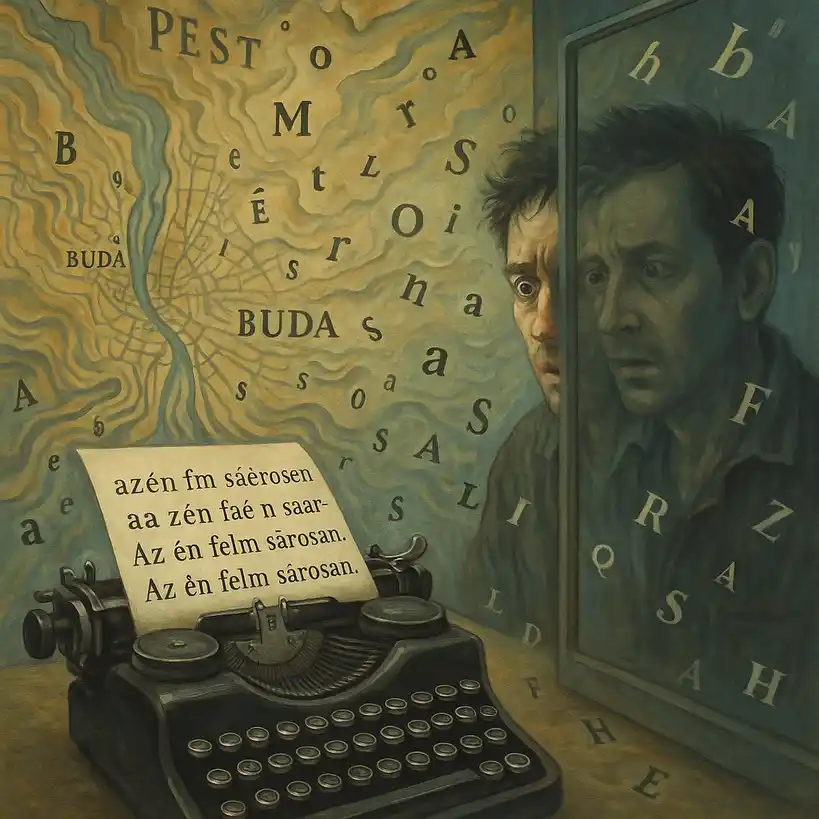
Hungarian is the true enchantress of Budapest. José does not fall only for a woman or a city. He falls for a language that resists him. Its sounds, structures and difficulty draw him because they promise a form of transformation. Portuguese is the language in which he has become professionally invisible. Hungarian is the language in which he can become newly helpless, newly hungry and newly alive.
This is one of the novel’s finest ideas. José’s attraction to Hungarian is not practical. It is erotic, artistic and existential. He wants to enter a language that does not yet know his tricks. In Portuguese, he can impersonate others too well. In Hungarian, he must learn like a child. The loss of mastery becomes exciting. Not knowing becomes a form of freedom.
Kriska, his Hungarian teacher and lover, becomes inseparable from that linguistic seduction. She corrects him, names him and opens a space where his errors can become intimacy. The language lesson becomes a love scene of grammar, embarrassment and rebirth. Yet the danger is clear. José may be less in love with Kriska than with the self he imagines through her language.
This linguistic fascination connects the novel to 👉 The Book of Disquiet by Fernando Pessoa. Pessoa also writes selves that are divided, unstable and made of language. He is more playful and plot-driven, but both works ask whether identity is something lived or something written into being. In Budapest, Hungarian is beautiful because it stays partly impossible. It offers José another life, but never lets him fully own it.
Vanda, Kriska and mirrored desire
The women in Budapest are not merely romantic alternatives. Vanda and Kriska reflect two different relations to language, visibility and self-invention. Vanda, José’s wife in Rio, belongs to the public world. She appears on television, speaks with recognizable authority and lives in a realm where voice and image are openly displayed. José, by contrast, works in hidden authorship. Their marriage is already divided by forms of speech.
Kriska offers another kind of relation. She does not give José public recognition. She gives him linguistic initiation. With her, he is not the clever ghostwriter who supplies words to others. He is the foreigner who stumbles, listens and repeats. That reversal flatters him in a different way. It frees him from one vanity and creates another.
The novelist handles this triangle with irony. José’s desires are real, but they are also narcissistic. He wants women, yet he also wants the versions of himself that each woman allows. Vanda reflects his failure to belong fully to his own life. Kriska reflects his fantasy of becoming new somewhere else. Love becomes a mirror with subtitles.
This emotional doubling can be read beside 👉 The Lover by Marguerite Duras. Duras also links desire, language, memory and foreignness, though with a more severe autobiographical charge. His tone is lighter, but his novel likewise understands that desire often attaches itself to voice, accent and narrative possibility.
In Budapest, the women are not simple symbols. They reveal José’s instability. He crosses between them as he crosses between cities, hoping that another language might solve what character cannot.
Books that belong to someone else
Ghostwriting makes Budapest a sharp novel about ownership. José writes texts that circulate under other names. His sentences become someone else’s prestige. This professional arrangement is already strange, but he pushes it further. What happens when the hidden writer begins to desire recognition? What happens when a text detaches from its maker so completely that authorship itself becomes theatrical?
The novel treats this question with comic elegance. José knows the machinery of literary fraud and social performance. He understands how public identity can be manufactured. A client can become interesting through a borrowed text. A ghostwriter can become powerful by remaining unseen. A book can generate fame for the wrong body. The author’s name becomes a costume.
That idea gives the novel its metafictional pleasure. Budapest is full of books inside books, identities inside identities and voices that may not belong where they appear. The reader begins to enjoy the uncertainty. Who is writing whom? Is José controlling the fiction, or is he being written by the roles he invented?
A strong companion here is 👉 The Confessions of Felix Krull by Thomas Mann. Mann’s charming impostor also moves through performance, style and self-fabrication. His ghostwriter is less grandly theatrical, but both novels delight in the instability of social identity.
In Budapest, writing is never innocent. It creates masks, seduces readers and rearranges power. José’s gift is also his curse. He can produce voices, but cannot guarantee that any one of them will finally be his.
A novel built like a language trick
Budapest is short, but it is carefully constructed. Its pleasure comes from reversals, echoes and symmetrical designs. Rio answers Budapest. Vanda answers Kriska. Portuguese answers Hungarian. José Costa answers Zsoze Kósta. Books appear under uncertain names. The plot seems light, but it keeps folding back on itself until the reader feels caught inside a clever linguistic machine.
His prose contributes to this effect. The novel moves quickly, often with a polished surface that hides deeper instability. Sentences seem smooth while identity becomes less secure. This contrast matters. A clumsier style would overexplain the puzzle. The author lets the book glide, so the unease arrives almost elegantly.
The structure can feel like a joke that slowly becomes metaphysical. A man who writes for others becomes another person in another language, then finds that the boundary between original and copy has weakened. The plot behaves like a translation error with consequences.
This recursive quality has an affinity with 👉 The Aleph by Jorge Luis Borges. Borges compresses impossible structures into dazzling intellectual fictions. He writes in a warmer and more comic mode, yet he shares an interest in mirrors, textual traps and realities made unstable by language.
The novel’s lightness should not be mistaken for thinness. Budapest is playful because play is its method of thought. It asks serious questions through pattern, wit and repetition rather than through solemn explanation. The result is a book that feels easy to read and hard to finish thinking about.

Quote List for Budapest
- “the only tongue the devil respects” This phrase gives Budapest its comic and mysterious view of Hungarian. The language does not appear as a neutral tool. Instead, it becomes temptation, challenge, and private obsession, because José Costa feels drawn toward something he cannot fully master.
- “mock someone who tries his luck in a foreign language” This line captures the novel’s tenderness beneath its irony. Budapest often plays with vanity, accent, and linguistic failure, yet it also understands how exposed a person becomes when speaking outside his native tongue.
- “a glass eye” The image is sharp because José wants his Hungarian to sound perfect, but the effort itself betrays him. Therefore the quote shows one of the novel’s best paradoxes: imitation can become more artificial precisely when it tries too hard to look natural.
- “a city that did not end” This compressed image contrasts Rio’s sea-bound landscape with Budapest’s inland strangeness. The phrase matters because geography shapes emotion in Budapest. José does not merely travel between places. He moves between different versions of himself, and each city teaches him a different kind of lack.
- “two cities, two women, two books, two languages” This publisher summary is not a novel quote, but it is a useful framing phrase because it names the structure with unusual precision. Budapest works through symmetry, repetition, and substitution, so every desire seems to create its double.
Context-Rich Trivia List for Budapest
- A novel of doubles: Budapest, originally published as Budapeste in 2003, turns almost everything into a pair: Rio and Budapest, Vanda and Kriska, Portuguese and Hungarian, ghostwriting and authorship. 🌐 Google Books describes José Costa as trapped between two cities, two women, two books, and two languages.
- A prize-winning fiction: The author won major recognition for the novel. 🌐 The official Jabuti archive lists Budapeste under the 2004 Livro do Ano Ficção award, with Companhia das Letras as publisher.
- Ghostwriting as identity theft: José Costa writes for others, yet he slowly loses command of his own self. That makes 👉 The Book of Disquiet by Fernando Pessoa a useful echo, because both works blur authorship, voice, and inner instability.
- Hungarian as seduction: The book treats language almost like a romantic rival. Hungarian first appears strange, then intimate, and finally dangerous, because José wants not only to speak it but to be remade by it.
- A Brazilian mirror: Budapest belongs to modern Brazilian fiction, yet it avoids social panorama in favor of voice, doubling, and performance. Therefore 👉 The Hour of the Star by Clarice Lispector offers a strong neighboring context for narration as a problem rather than a neutral tool.
- A city invented through words: The Budapest of the novel is not only geographical. It is also a mental city built through sound, desire, error, and translation, which links naturally to 👉 The Aleph by Jorge Luis Borges and its fascination with impossible perception.
The comedy of literary vanity
José Costa is funny because he takes invisibility personally. His profession requires him to vanish, yet his ego never fully accepts the disappearance. This contradiction gives Budapest much of its comic force. José is not a heroic artist denied justice. He is a vain, clever and often evasive man who wants both concealment and admiration. The writer understands the absurdity of that wish.
The novel gently mocks literary seriousness. Ghostwriters gather, clients pose, books gain prestige, and reputations depend on words that may not have been written by the people praised for them. The literary world becomes a stage where authenticity is always suspect. Yet the satire is not bitter in a heavy way. It is playful, fast and amused by human self-deception.
José’s vanity also makes him vulnerable. He wants language to make him special, but language keeps escaping him. In Rio, his words belong to others. In Budapest, the words he wants most belong to a language that resists him. The writer controls sentences, not the self.
That is why the comedy works. José’s failures are not merely professional or romantic. They expose a deeper problem. He believes that a new language, new lover or new authorship arrangement might grant him a clearer self. Instead, each new form multiplies him.
In Budapest, literary vanity is not condemned from above. It is observed with musical irony. Anyone who writes, reads or wants recognition can feel the sting. The novel laughs at José because his absurdity is not alien. It is a polished version of a common wish: to be hidden from judgment and admired at the same time.
Why this linguistic maze still charms
Budapest endures because it turns a sophisticated literary game into an unusually pleasurable novel. Its themes are abstract: authorship, translation, identity, performance and desire. Yet the novelist gives them movement, humor and sensuality. The reader does not feel trapped in theory. The ideas arrive through airports, bedrooms, lessons, manuscripts, names and the strange music of a language José cannot resist.
The book also speaks strongly to a world of unstable authorship. Many people now write through borrowed voices, curated identities, public profiles and hidden labor. José Costa’s ghostwriting feels even more relevant in a culture where visibility and authorship are constantly negotiated. Who gets credit? And who speaks? Who is performing? Who disappears behind the finished text?
The novel does not answer those questions solemnly. Its charm lies in refusing heaviness. It lets confusion sparkle. Still, the final effect is not empty. Behind the joke stands a real anxiety: the self may be less original than it wants to believe. Identity may be a draft in another language.
That is why Budapest is more than a clever miniature. It is a novel about the seductions of becoming someone else and the cost of enjoying that seduction too much. José’s divided life is comic, but it also reveals a modern form of loneliness.
The writer leaves the reader inside a bright maze of names, cities and voices. The pleasure of the book is that we do not fully escape it. Like José, we keep listening for the language that might rename us.
More reviews of works from Brazilian and Portuguese Literature