Faceless Killers by Henning Mankell
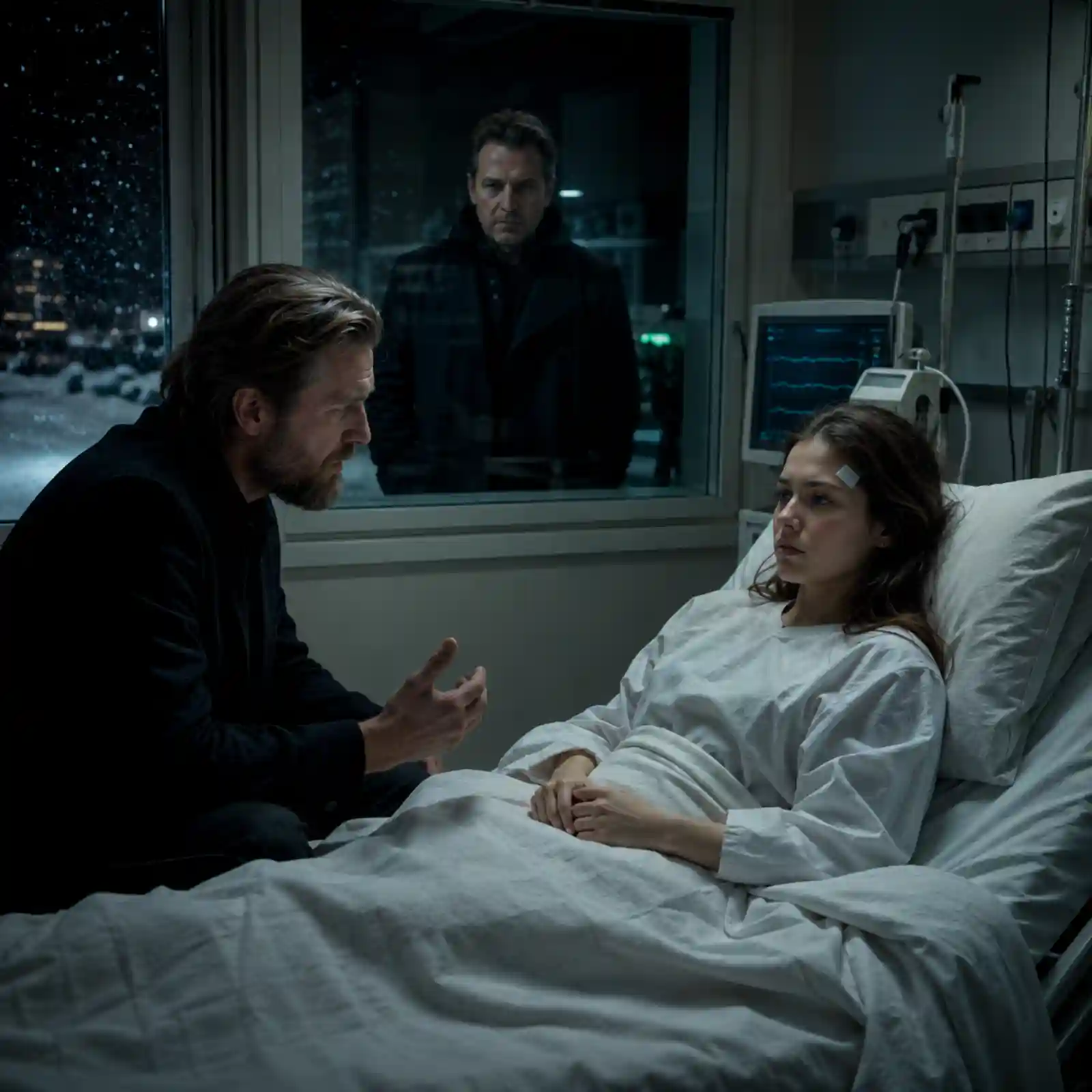
Faceless Killers opens before dawn near Lunnarp, where a farmer wakes after hearing an elderly neighbor call for help. Inside the Lövgren farmhouse, Johannes has been tortured and killed, while Maria remains barely alive with a noose around her neck. Henning Mankell describes the scene without turning violence into spectacle, concentrating instead on the baffling duration and apparent purpose of the attack. The killers leave brutality but no identity. The remote setting intensifies the shock because cultivated fields and familiar routines had seemed to promise distance from organized violence.
Maria’s last intelligible word appears to mean “foreign,” giving the Ystad police their first clue and their most dangerous uncertainty. Faceless Killers asks at once how much interpretive weight a dying statement can bear, especially when fear supplies the missing details.
The reconstruction of a community after an apparently inexplicable crime recalls In Cold Blood by Truman Capote. Capote examines real killings in rural Kansas, whereas the novelist uses fiction to expose the fragility of Swedish social trust. A clue becomes explosive before it becomes clear. From its first chapter, Faceless Killers therefore makes investigation a struggle not only against hidden perpetrators but also against the stories a frightened society wants to believe.
The farmhouse also establishes his preference for consequences over theatrical revelation. Neighbors, ambulance workers, doctors, and officers all enter the widening circle created by the attack. Their separate observations matter, but none possesses a privileged view of the whole crime. The opening therefore turns communal knowledge into a field of gaps that careful investigation must slowly connect. Even the victims’ apparent ordinariness becomes an assumption requiring proof rather than a stable starting point.
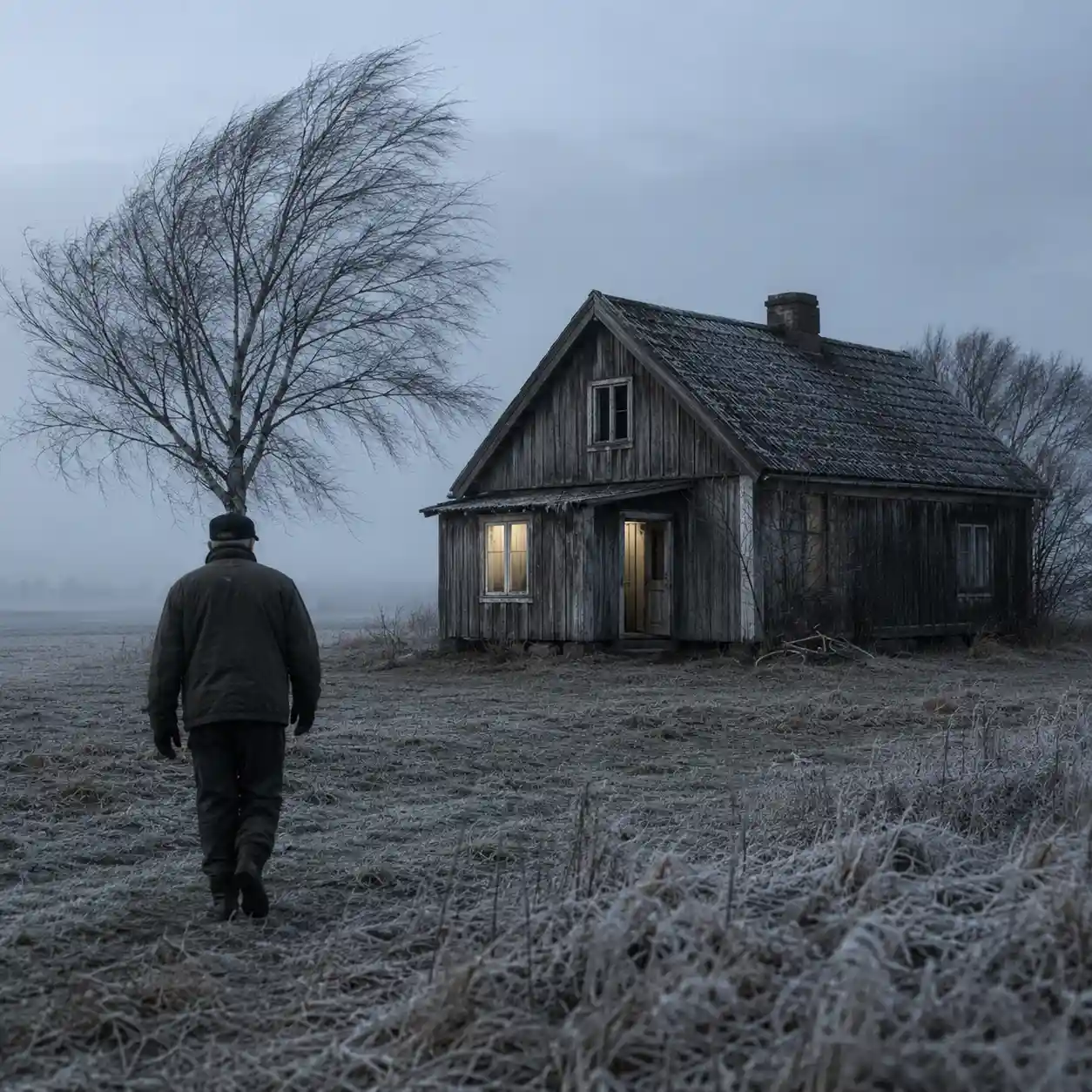
Wallander Works While His Private Life Unravels
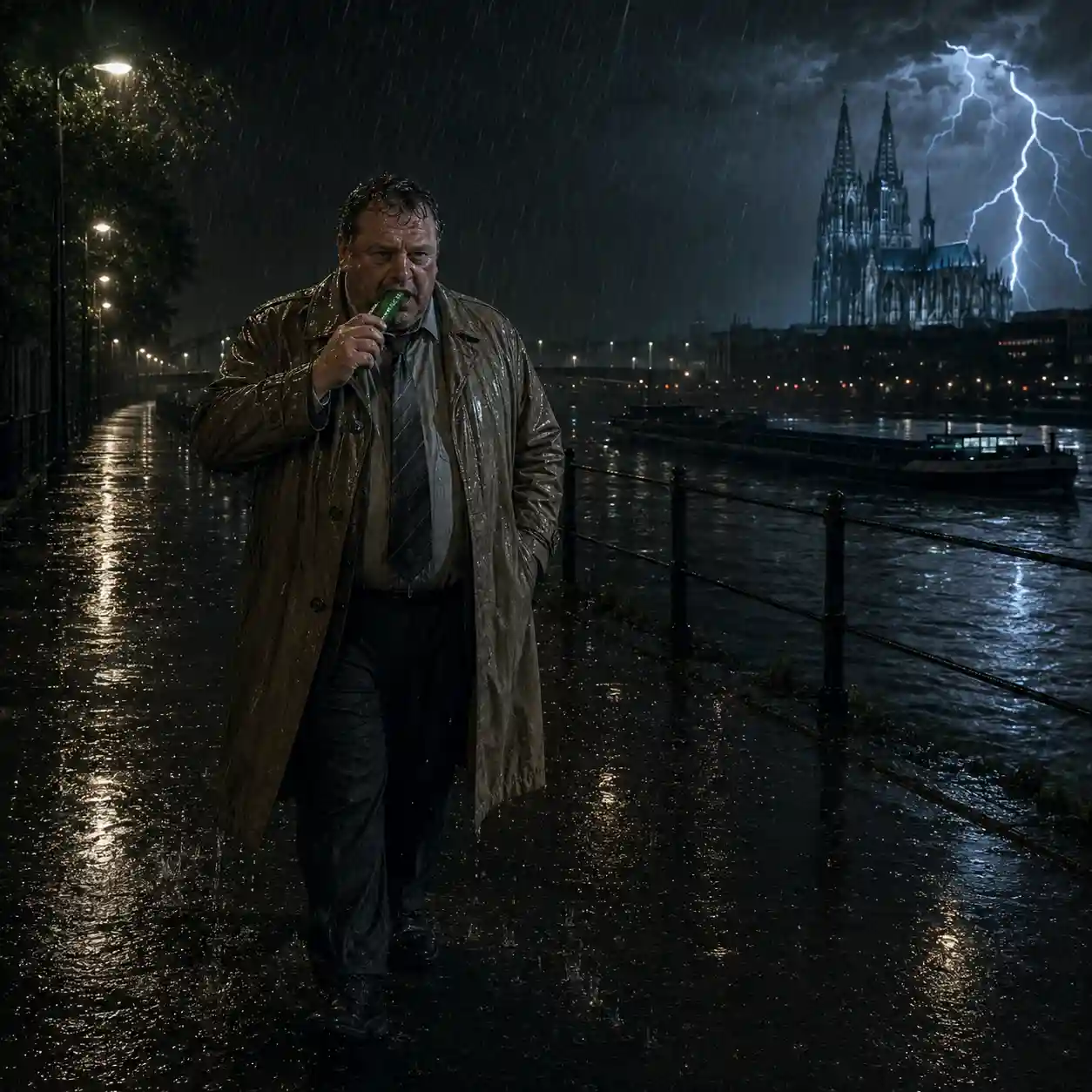
Kurt Wallander is forty-two, recently separated, and unable to manage the emotional consequences of his divorce. Mona has left him, his daughter Linda avoids sustained contact, and his aging father answers concern with hostility. Wallander eats carelessly, drinks more than he should, and repeatedly imagines changes he does not maintain. The detective cannot impose order on himself. In Faceless Killers, competence does not require composure, yet personal disorder continually drains the attention that police work demands.
The author makes Wallander persuasive by allowing intelligence, prejudice, tenderness, vanity, and exhaustion to coexist. His love of opera offers private intensity, but music cannot repair the conversations he has postponed with his family. Work provides a structure in which evidence can be checked and errors corrected, unlike the resentments surrounding Mona, Linda, and his father. Faceless Killers nevertheless refuses to romanticize that refuge because Wallander also uses the investigation to delay emotional responsibility.
He advances through persistence rather than miraculous deduction, often reaching insight only after frustration or failure. Professional duty becomes both anchor and escape. This contradiction gives Faceless Killers a detective whose vulnerability matters to the case rather than serving as decorative background, while also establishing the domestic tensions that will continue across the Wallander series.
His physical habits reinforce this lack of balance. Missed meals, hurried driving, poor sleep, and impulsive reactions make the body record pressures that Wallander rarely articulates. These details do not excuse his mistakes, especially when anger affects his judgment. They instead make responsibility harder and more credible by showing a flawed man who must still answer for the authority he exercises. Readers see endurance and self-neglect developing together, each capable of strengthening or compromising his work.
Patient Police Work Resists an Easy Theory in Faceless Killers
Wallander leads a team whose collective labor challenges the fantasy of the solitary genius. Rydberg contributes experience and disciplined doubt, while other officers pursue interviews, vehicles, financial records, telephone calls, and physical evidence. The unusual noose and Maria’s final word remain important, but neither can carry a complete theory without corroboration. Useful evidence must survive uncomfortable questions. Faceless Killers repeatedly shows investigators revising their assumptions when an attractive explanation fails to match a stubborn detail.
This procedural emphasis gives delay a moral and narrative function. Leads must pass through ordinary institutions, and promising information often creates more work before it creates clarity. The elegant manipulation of perspective in The Murder of Roger Ackroyd by Agatha Christie offers a revealing contrast. Christie builds a concentrated puzzle around what the narrator permits the reader to notice, while he lets uncertainty spread through geography, administration, and social conflict.
Faceless Killers still contains suspenseful pursuit, but its deeper tension comes from watching responsible inquiry compete with impatience. Method matters most when certainty is tempting. The officers solve the case by accumulating partial corrections, and Faceless Killers treats that unglamorous process as the ethical opposite of judging an entire group from one ambiguous word.
Teamwork does not eliminate conflict inside the station. Officers differ in temperament, experience, and willingness to tolerate ambiguity, while fatigue can turn disagreement into irritation. The writer lets those frictions sharpen the inquiry when colleagues challenge one another honestly. Police procedure becomes a fallible social practice whose strength lies in correction, not in the claim that professionals are immune to error. Its credibility depends on whether dissent remains possible after hierarchy and urgency begin narrowing attention.
A Leaked Word Authorizes Racist Violence
The police try to control Maria’s last statement because they understand its potential consequences, but the word reaches the press. Anti-immigrant resentment quickly attaches itself to the farmhouse murders, converting a fragment of testimony into apparent confirmation of existing prejudice. Threats escalate into an attack on a refugee camp and the shooting of a Somali refugee. Suspicion becomes a license for retaliation. Faceless Killers thereby forces Wallander’s team to investigate one crime while trying to prevent another atmosphere from producing further victims.
The novelist does not treat the racist killing as an optional social subplot. It demonstrates how public fear can demand a substitute target before evidence has identified the original offenders. The atmosphere resembles the social contagion in The Plague by Albert Camus, where collective danger reveals both solidarity and moral weakness. Camus writes about epidemic disease, whereas Faceless Killers traces the movement of rumor, resentment, and categorical blame.
The novel’s place within scandinavian literature depends partly on this fusion of criminal inquiry with criticism of national self-images. The second murder exposes the first interpretation. Sweden’s institutions may eventually name individual perpetrators, but Faceless Killers insists that law alone cannot eliminate the hostility that made an innocent refugee seem punishable for strangers’ suspected actions.
The leak also raises questions about institutional responsibility. Information passes through people before reaching newspapers, so public damage cannot be blamed on an abstract media system alone. Someone converts confidential uncertainty into a dramatic fact, and others amplify it because it satisfies an existing narrative. The chain resembles the investigation itself, except that verification has been replaced by speed and appetite. Public language then hardens a possibility into a social fact long before police evidence can justify that confidence.

The Victims Conceal a Divided Family History
Johannes Lövgren initially appears to have been an ordinary retired farmer with no obvious connection to serious crime. Bank inquiries soon reveal hidden wealth, and further investigation uncovers a life that Maria and the surrounding community did not fully know. Johannes had maintained another relationship and fathered a son outside his marriage. Respectability has concealed competing obligations. These discoveries alter the motive structure of Faceless Killers because robbery, resentment, secrecy, and family grievance can no longer be cleanly separated.
The new information also complicates sympathy without making the torture deserved. Johannes controlled money and knowledge unevenly, leaving other people to experience the consequences of choices he kept private. Institutional mystery operates more abstractly in The Trial by Franz Kafka, whose Josef K. cannot discover the accusation governing his life.
Wallander faces the reverse problem: he must construct an intelligible accusation from records, memories, and statements left by people who can no longer explain themselves. Faceless Killers uses procedural realism, yet it shares Kafka’s interest in identities trapped inside systems of incomplete information. The dead remain unreliable witnesses to themselves. By exposing the Lövgrens’ hidden history, Faceless Killers shows why investigators must resist both idealizing victims and allowing uncomfortable revelations to reduce their humanity.
Money becomes a record of intimacy as well as a possible motive. Deposits, withdrawals, gifts, and concealments reveal choices that ordinary conversation never disclosed. The detectives must read financial behavior without assuming that every secret explains the murder. This restraint keeps character discovery connected to evidence while preserving the difference between moral failure and criminal causation. It also protects the inquiry from confusing a newly discovered scandal with the solution investigators hope to find.
Skåne Reveals a Sweden Losing Its Certainty
The cold fields, scattered farms, coastal roads, and winter darkness of Skåne give the investigation a strong physical identity. He does not use this landscape merely to create atmosphere, because distance repeatedly affects response times, surveillance, memory, and communication. Rural quiet seems traditional, yet money, migration, media, and political anger already connect the region to forces beyond it. Isolation no longer guarantees separation. In Faceless Killers, the countryside becomes a place where national change is felt precisely because residents once imagined themselves protected from it.
Wallander senses that Sweden is becoming harder to read, but the novel does not endorse a simple nostalgia for lost order. The older society also contained concealed families, financial inequality, loneliness, and racial assumptions that public stability kept from view. Faceless Killers presents change as real while questioning the explanations offered by those who resent it.
The farmhouse murderers come from outside the victims’ immediate circle, yet their specific guilt cannot validate hostility toward every immigrant. National anxiety distorts individual evidence. By making landscape, policing, and prejudice part of the same narrative system, Faceless Killers expands the crime novel beyond the question of who entered one farmhouse and asks what happens when a country begins treating uncertainty as proof of decline.
Weather strengthens this historical unease without becoming a simple symbol. Darkness and cold create practical obstacles, but they also strip the familiar landscape of comfort. Wallander drives through places he knows while increasingly doubting the social map attached to them. His Skåne remains specific and inhabited, yet every road seems capable of leading toward a reality the detective had failed to notice. Familiarity sharpens the disorientation because the physical region remains recognizable while its meanings continue changing around him.
No Murderer’s Face: Quotes from Faceless Killers
- “There’s no such thing as a murderer’s face.” Guilt cannot be read from anatomy or appearance. The statement challenges both investigative prejudice and the public’s desire for visibly recognizable evil.
- “Justice doesn’t only mean that the people who commit crime are punished. It also means that we can never give up seeking the truth.” Justice is defined as a continuing obligation. A conviction matters only when it follows an honest investigation.
- “Eliminating someone from an investigation is just as important as getting a positive lead.” Detection advances through exclusions as well as discoveries. The author treats patient procedural work as more valuable than sudden brilliance.
- “Who ever said police work was supposed to be fun?” The dry question rejects the glamorous detective fantasy. Wallander’s profession consists largely of exhaustion, uncertainty, repetition, and responsibility.
- “The dread of something menacing that you felt when you were a child returns when you get old.” Age does not eliminate vulnerability. It strips away the confidence that once kept primitive fear under control.
- “The day’s work had hardly involved more than collecting a large number of question marks.” An investigation can produce information without creating understanding. The sentence captures Wallander’s frustration and the novel’s respect for unresolved complexity. Quote
One Dying Word, a Country on Edge: Faceless Killers Facts
- The novel introduced Kurt Wallander: Henning Mankell published Mördare utan ansikte in 1991. Steven T. Murray’s English translation followed in 1997, beginning the international journey of the Wallander series. TIME
- He conceived Wallander as a response to racism: After returning from Mozambique in 1989, he noticed growing xenophobia in Sweden and decided that crime fiction could expose its social roots. He reportedly selected “Wallander” from a telephone directory. The Guardian
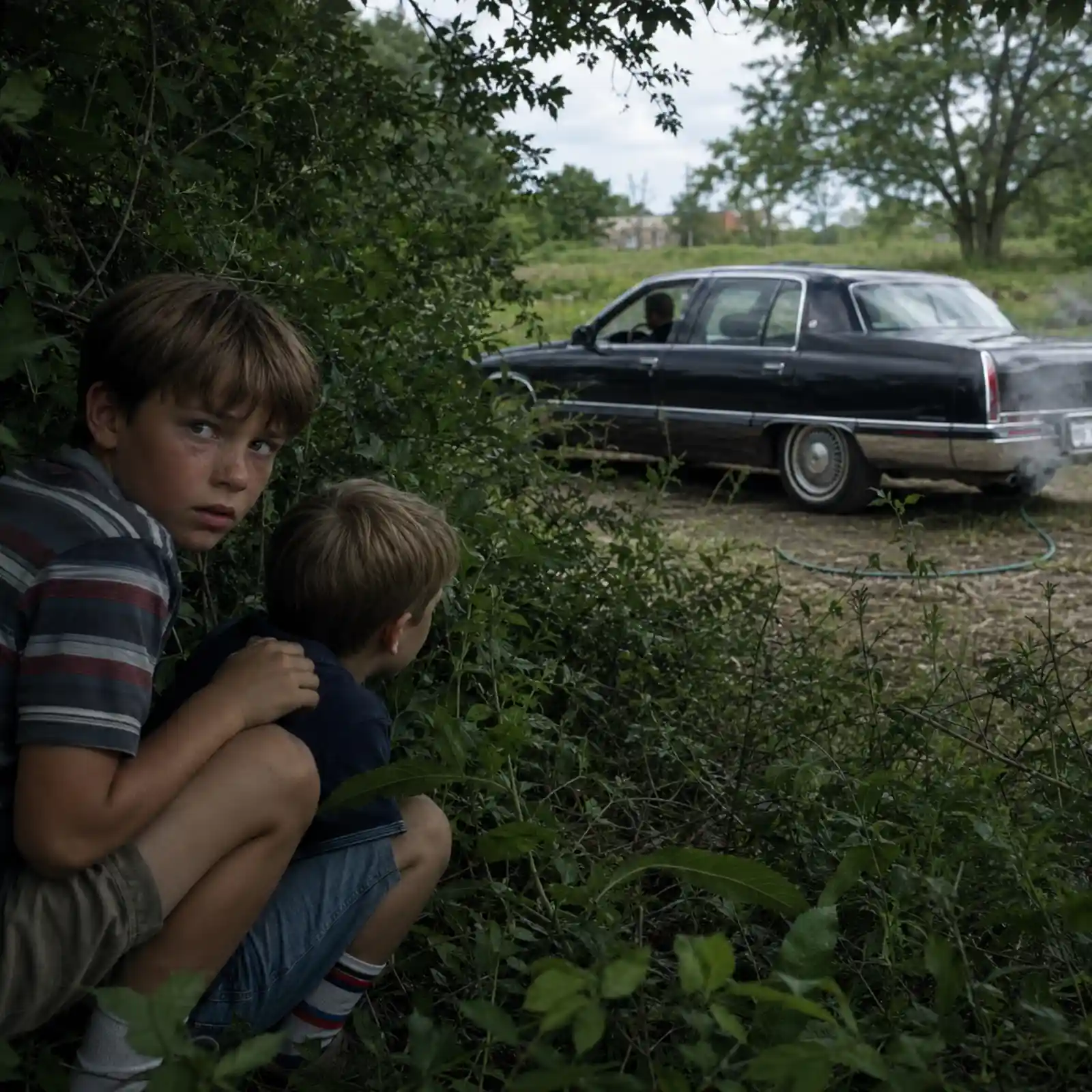
- The opening deliberately attacks rural security: Wallander enters an isolated farmhouse near Lunnarp expecting a manageable local call. Instead, he encounters violence whose controlled intimacy recalls the shattered domestic world of In Cold Blood.
- A single word redirects the entire investigation: Before dying, Maria Lövgren appears to say “foreign.” Once this uncertain clue reaches the press, speculation becomes racial certainty and provokes violence against refugees.
- The title rejects criminal physiognomy: Wallander knows that no profile, jaw, or expression reliably identifies a murderer. This distrust of appearances modernizes the observational detective tradition represented by A Study in Scarlet by Arthur Conan Doyle.
- Wallander begins the series already fragmented: At forty-two, he is separated from his wife, distant from his daughter, worried about his father, and careless about his health. Police work does not interrupt these problems; it intensifies them.
- The debut won two major Nordic crime prizes: It received Sweden’s Best Crime Novel Award for 1991 and the inaugural Glass Key for the best Nordic crime novel in 1992.
- Two major screen versions interpreted the investigation: Rolf Lassgård starred in the Swedish adaptation produced in the 1990s. Kenneth Branagh later played Wallander in the BBC version broadcast in January 2010, bringing the case to a wider English-language audience.
Resolution Names Killers but Cannot Restore Trust
The investigation finally connects Johannes’s concealed money to men who observed his banking activity and recognized his vulnerability. Maria’s last word contained relevant information, but its public use produced conclusions much broader than the available evidence justified. Wallander must distinguish specific perpetrators from the collective identity imposed upon immigrants during the investigation. A true clue can still create a false verdict. That distinction supplies Faceless Killers with a political force more durable than the mechanics of its solution.
Published in Swedish in 1991 as Mördare utan ansikte, the novel introduced Wallander and later received the first Glass Key Award. Its structure already defines the series through the collision of police routine, personal frailty, and anxiety about Swedish society. The legal conclusion cannot revive the Lövgrens, undo the refugee’s murder, reconcile Wallander’s family, or restore confidence in the community.
Faceless Killers closes a case while leaving its social causes and consequences deliberately open. Identification is not the same as repair. The killers ultimately receive names, but fear, loneliness, racism, and institutional pressure remain dispersed across the landscape, which explains why Faceless Killers feels like the beginning of a continuing diagnosis rather than a self-contained victory.
The title acquires its fullest meaning through this unfinished aftermath. Detectives can replace anonymity with names in a case file, yet the forces surrounding the crimes have no single face to arrest. Prejudice travels through crowds, secrecy through families, and pressure through institutions. The resolution is satisfying as police work while remaining deliberately insufficient as an account of social damage. Wallander’s achievement therefore carries the humility of a necessary task completed inside a much larger failure.
More reviews of detective fiction